Act One
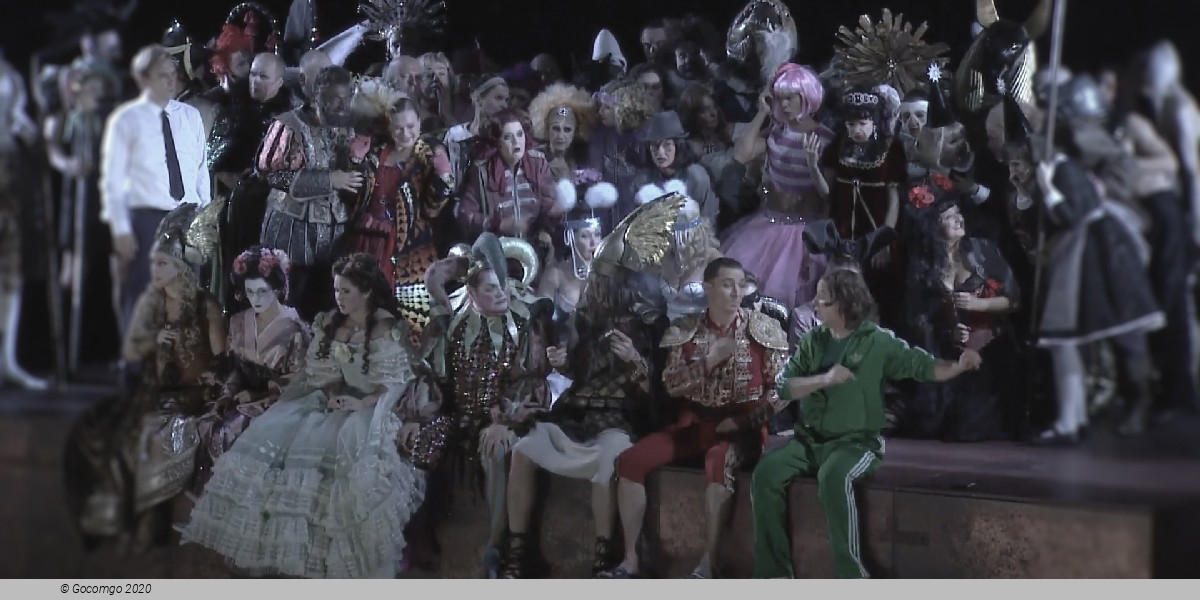
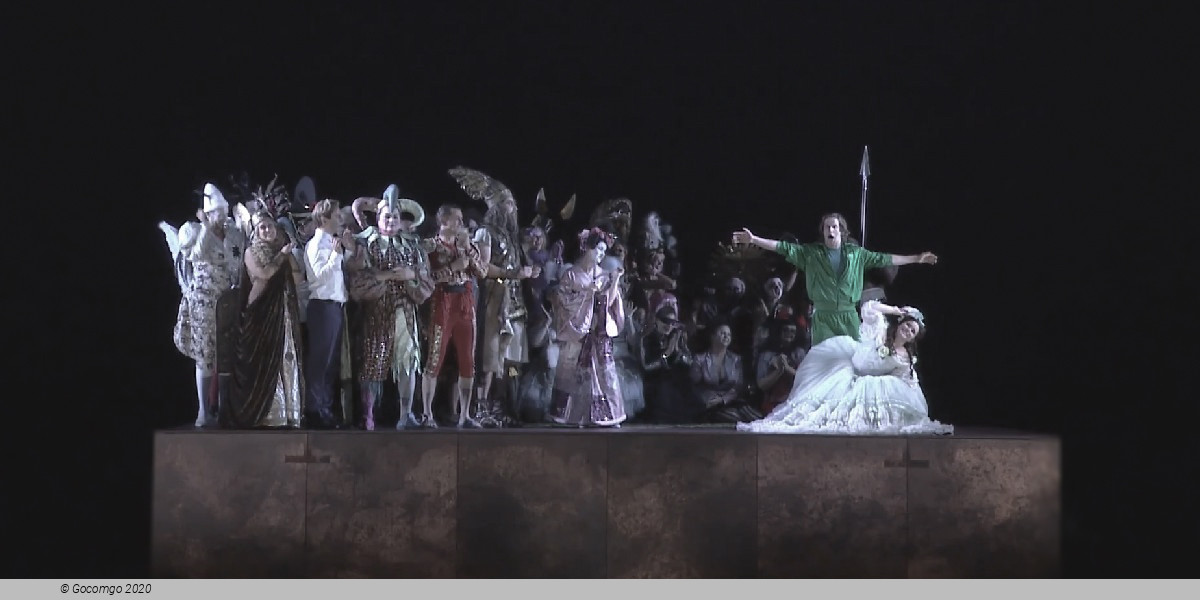
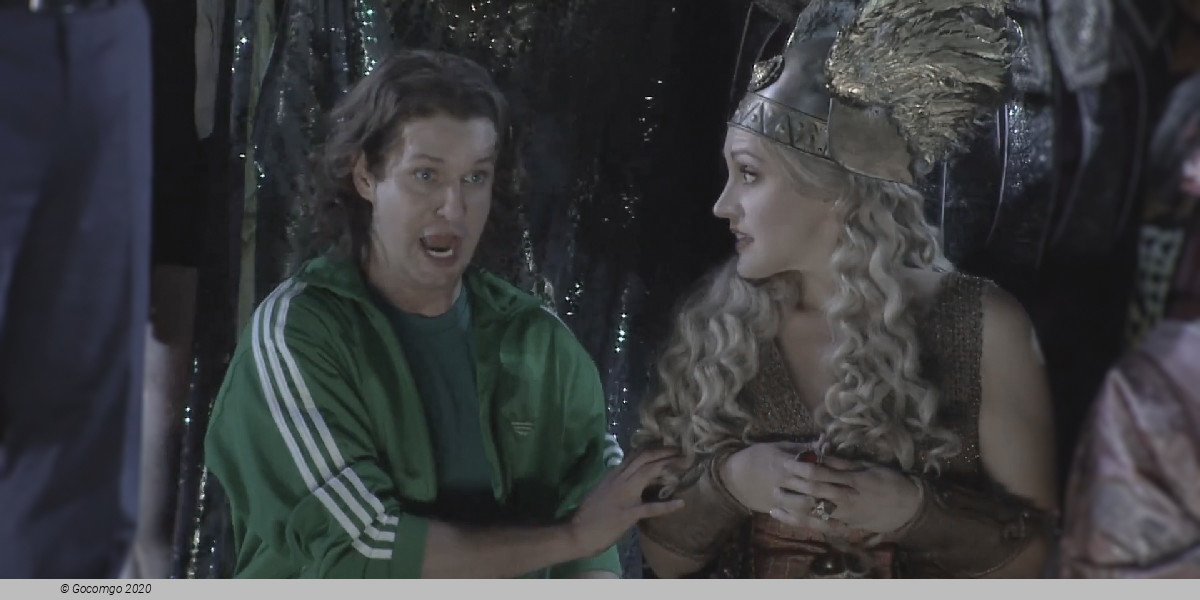
Sir Morosus is extremely sensitive and reacts aggressively to the slightest noise. The only people he will suffer to be around him are his housekeeper, who has been in his service for seventeen years and secretly hopes to win his affections one day, and his barber.When, once again, Morosus has had enough of the constant chatter of his housekeeper, the barber suggests that he should marry a silent wife and offers to find him one. At this moment Henry Morosus, the nephew whom Morosus had thought dead, gains admittance and is welcomed with great rejoicing by his uncle and named as his heir. Henry is, however, accompanied by his operatic troupe and they now all enter, with a great deal of noise. Among them are Henry’s wife Aminta, Isotta, Carlotta, Morbio, Vanuzzi and Farfallo. Morosus learns to his displeasure that his nephew is a singer, disinherits Henry forthwith, insults the members of the troupe and orders the barber to find him a silent wife by the next day. When he is alone with the troupe the barber explains to them how sensitive to noise Morosus is and that this is the result of some traumatic experience during the time that he was a seaman. He devises a plan in which, with the help of the operatic troupe, it will seem as if Morosus marries a silent wife who turns out to be a termagent after the wedding so that Morosus will want to be rid of her. An equally mock divorce would allow the troupe, and the barber of course, access to the rich sums of money Morosus has hidden in his cellar.
Act Two
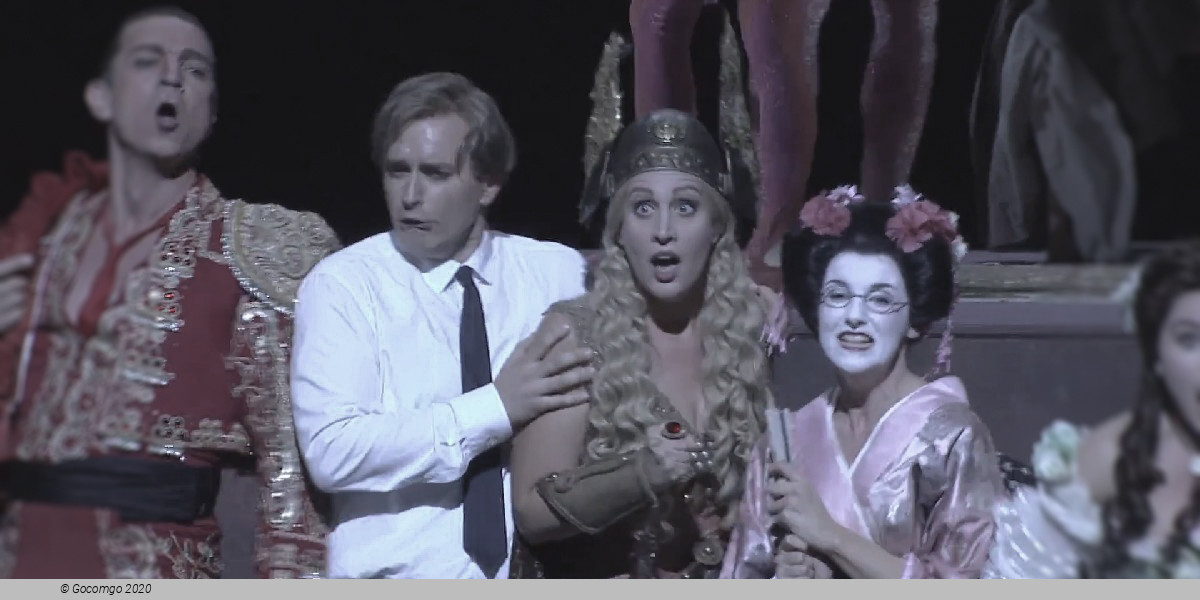
Morosus has been arrayed in his finest clothes by his housekeeper and is now awaiting the visit of three women who will be presented to him as potential wives. Carlotta appears in the guise of a silly country girl, Isotta appears to be a highly-educated chatterbox and only Aminta, in the guise of a shy girl by the name of Timidia, comes anywhere near Morosus’ expectations. With the help of Vanuzzi dressed up as a priest and Morbio as a notary, she and Morosus are married. Led by Farfallo the other members of the troupe now come noisily in, dressed as former shipmates of Morosus who want to congratulate him on his marriage. Morosus can do nothing to stop their riotous celebrations. When he is finally alone with Aminta/Timidia he tries to get to the bottom of why she seems so sad. When his questions grow ever more intrusive, she creates a scene, loudly demanding that he should leave her in peace and wreaking havoc in the house in order to get rid of the fustiness. Henry finally hurries to his uncle’s aid, throws Aminta/Timidia out and consoles his uncle with the prospect of preparing for divorce proceedings the following day.
Act Three
Aminta/Timidia has had the house redecorated, creating a great deal of noise, and has also acquired a parrot. In spite of the protestations of the housekeeper, she also has a harpsichord brought in. Henry and Farfallo are disguised as a singing teacher and his accompanist, and Aminta/Timidia sings two bravuras from Italian opera with Henry. Morosus is on the verge of despair. Vanuzzi and Morbio appear disguised as divorce judges and proceed in long-winded and laborious fashion to look for legal grounds on which a divorce can be granted. The barber finally thinks he has found the answer in Timidia’s pre-marital relationship and brings Henry in as his witness. Timidia denies this and Henry sees that the game could seriously affect the earnestness of Aminta’s love. Since the question of whether Timidia had led a life free of promiscuity was not part of the marriage contract, Morosus has no grounds to divorce his supposed wife and collapses in despair at the thought. Henry finally puts an end to the cruel hoax and explains everything to his confused uncle. Morosus laughs at himself and welcomes the operatic troupe to his house. He sees himself as a reformed character and sighs with contentment at the peace which he has at last found.
Setting: a room in Sir Morosus' house in a London suburb, around 1760.
Act One
Retired naval captain Sir John Morosus is very intolerant of noise after having survived an explosion on his ship. For some years he has been retired and living with his housekeeper who looks after him well, although he finds her chatter annoying. His barber arrives and after an argument with the housekeeper that disturbs Morosus, tries to calm down the Captain. He tells Captain Morosus that he should take a quiet young woman. At first Morosus is skeptical: is not a quiet woman like sea without salt? The barber assures him that he knows a dozen "quiet doves" who would want to marry an honorable man like him. Morosus starts to warm to the idea, when suddenly his long-lost nephew Henry appears. He is warmly welcomed: Morosus dismisses the idea of marriage and makes Henry his "son and heir". However, when Henry reveals that he, his wife Aminta and his friends are an opera troupe, Morosus reacts in horror particularly to the idea that Aminta is an opera singer. The captain throws the opera troupe out of his house and disinherits Henry. He instructs the barber to seek a silent woman for him to be his wife the very next day and then retires to bed. The barber reveals to the troupe how rich Morosus is ("sixty, seventy thousand pounds"). Aminta says that she will not come between Henry and his inheritance and offers to leave Henry. Henry tells Aminta that he cannot live without her even if it means losing his inheritance. The Barber has an idea. What if the opera troupe acts out a drama in which the ladies of the troupe have the roles of the prospective brides and they enact a sham marriage? The Bride will then become very noisy and they will act out the divorce. Henry likes the idea: his uncle has insulted the troupe, so they will show him their abilities "and who is the fool shall be fooled". The scene ends with a glorious celebration of the wonderful plan.
Act Two
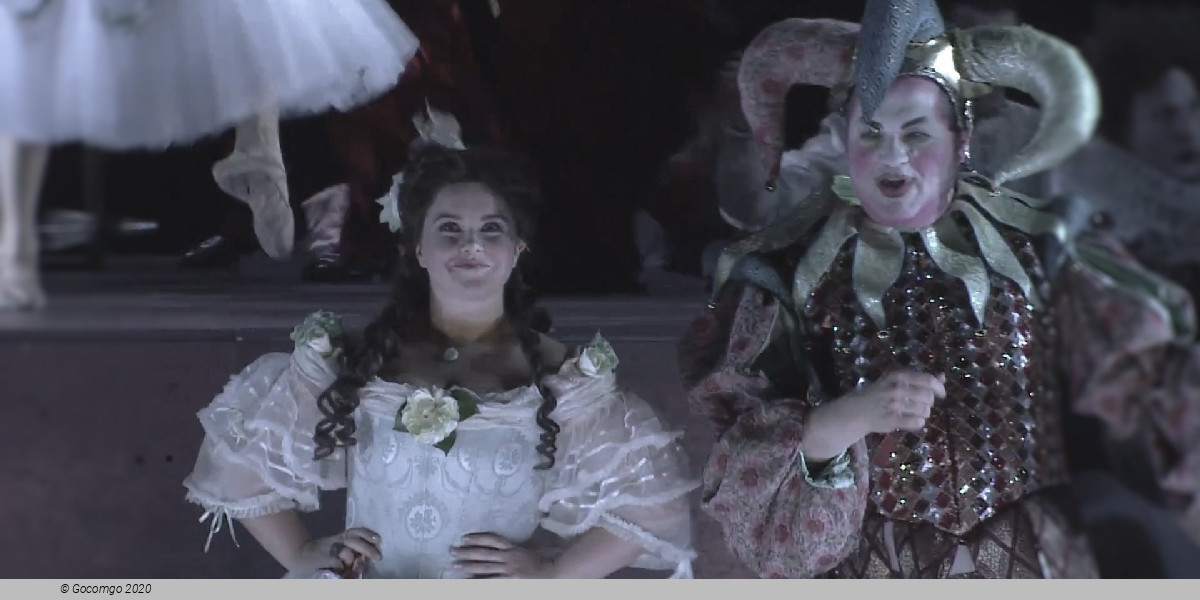
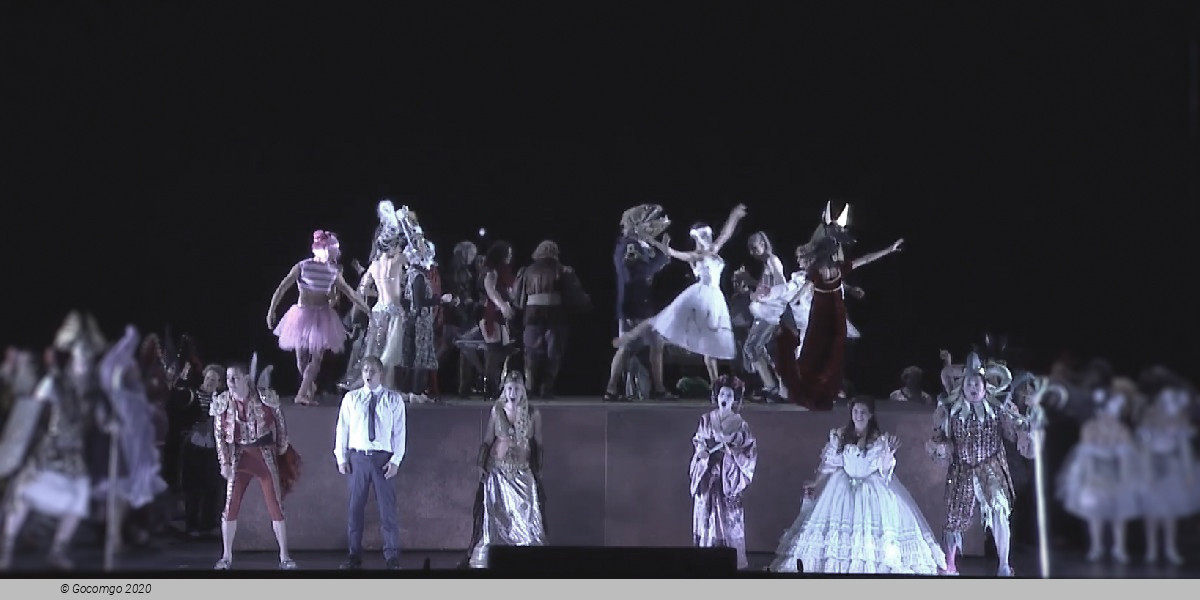
The housekeeper helps Morosus put on his finest dress-jacket. The Barber arrives and reassures the captain that he has arranged all of the details for the marriage ceremony. He then introduces the three potential brides. Carlotta stands forward acting as "Katherine" a simple country girl. Morosus is not keen: she has spent too much time with calves and become one herself. The Barber next introduces Isotta, playing the role of noble lady educated in a wide range of subjects. Morosus is not impressed by this and is suspicious of her ability to play the lute. Lastly, the Barber introduces Aminta acting as the modest and shy "Timidia". Morosus is quite captivated by "Timidia" and tells the barber "she is the one" and orders him to get the priest and notary for the marriage ceremony. Vanuzzi and Morbio act out the roles of parson and notary and the sham marriage takes place. Farfallo arrives with the rest of the troupe playing sailors who have come to celebrate the marriage, making a lot of noise. Morosus is driven mad by the noise and ejects them from the house. Aminta has become quite touched by the genuine love of Morosus, who wants to know why she seems troubled. Eventually, she has to carry out the barber’s plan and starts shouting at Morosus in feigned anger. She wreaks havoc in the house pulling down the curtains and throws some of the captains most precious possessions onto the floor ("away with this junk"). Then Henry arrives to save the day. He forcefully deals with Timidia, and assures his uncle that he will deal with everything. A grateful Morosus thanks Henry: he has survived many sea battles and hurricanes, but would not stand a chance against someone like Timidia. Henry sends the captain off to bed, where he dozes off. Now alone, Aminta and Henry then sing of their love for each other. Morosus awakes and calls down: is everything all right? Yes says Henry. Morosus falls back asleep with a deep sigh which counterpoints with Amita’s sighs of love as the scene closes.
Act Three
The next day Aminta has hired "craftsmen" who make noises as they hammer nails and slam doors. There is a noisy parrot who squawks. In addition, she has appointed a pianist (Farfallo) and a singing teacher (Henry) who practice Monteverdi’s "L’incoronaziane di Poppea" with her. The captain appears and is completely devastated. The Barber walks in and introduces a "Lord Chief Justice" (Vanuzzi) and "Two lawyers" (Morbio and Farfallo) who discuss the prospective divorce. However, "Timidia" contests the divorce and they reject every case for divorce. The barber argues that she has had relations before the marriage to Sir John and the two "honorable ladies" (Isotta and Carlotta) attest to this. The Barber also introduces a "witness" (Henry) who attests that he has had carnal relations with Timidia. Morosus scents victory and is about to celebrate when the lawyers raise a further barrier to divorce: the marriage agreement did not stipulate the virginity of the bride, so "you will have to keep her now". Morosus is close to a nervous breakdown. Henry calls an end to the charade and all stop acting and all are revealed as their true characters. Aminta asks the captain's pardon. After the captain realizes he has been fooled his initial anger turns to laughter as he sees the funny side of a troupe of actors outwitting him. Overjoyed, he makes peace with the troupe of actors as they leave and gives his blessing to Henry and Aminta’s union and proclaims Henry again as his heir. He is pleased with himself and the world after his narrow escape and has at last found the peace he has longed for. The opera ends with a monologue of Morosus: " A rare delight it is to find a silent, beautiful girl, but it is more delightful when she belongs to another man".









 Max-Joseph-Platz 2