Act One
The Captain’s room. Early morning. Wozzeck is shaving the captain. The captain tells Wozzeck not to be in such a dreadful hurry and forces him to make conversation: he complains about the terrific pace of progress in the world, philosphizes about Eternity, chats about the weather. He teases Wozzeck without allowing him time to respond. Finally he touches a sore spot: he starts to talk about morals and Wozzeck’s illegitimate child. Wozzeck defends himself, pointing out his situation: only the rich can afford morality, he is hopelessly on the losing side.
An open field. Late Afternoon. Wozzeck and his friend Andres are working, cutting switches for the major outside of the town at sundown. Wozzeck finds it difficult to concentrate on what he is doing. He has visions and hears voices and cannot make out what is happening. Andres tries to rid Wozzeck of his fears by singing funny songs. Wozzeck is convinced the heavens and the earth are on fire.
Marie’s room. Evening. Soldiers are passing outside in the street. Marie, the mother of Wozzeck’s child, is excited by the military marching music and cannot take her eyes off the drum major. Margret, a neighbour, notices how much Marie admires the man. She shakes Marie out of her dream with malicious comments. Marie begins to sing a lullaby to her child and dreams of love. Wozzeck comes in, but has to leave again immediately. He tries to tell Marie about his visions, but she cannot understand him. Wozzeck rushes away, leaving Marie in the dark.
The doctor’s study. Sunny afternoon. The doctor is dissatisfied with Wozzeck because he has not been able to stop himself from urinating. The doctor needs Wozzeck’s urine for one of his many experiments, which he hopes will one day make him famous. He gives Wozzeck, his guinea-pig, some money. Wozzeck excuses himself, referring to the call of nature. The doctor declares the victory of reason and will power over nature. Wozzeck tells the doctor about his fears: all he can think about is Marie and how he might lose her and that everything seems to be coming to an end. The doctor does not understand him. He suggests that Wozzeck is displaying symptoms of lunacy.
The street outside Marie’s house. Dusk. Marie, who can no longer bear her loneliness and her longings, gets involved with the drum major. She flirts with him, repulses him, but in the end suppresses her misgivings and goes to bed with him.
Act Two
Marie's room. Morning, sunshine. Standing in front of the mirror, Marie admires the earrings the drum major has given her. The glittering jewels makes her feel like a woman of the world. Her child watches her. Marie frightens the child because he does not want to go to sleep. Wozzeck arrives unexpectedly. He sees the new earrings, although Marie tries to hide them. He is suspicious and asks questions which Marie answers evasively. Wozzeck hands Marie his wages as usual, and the money he has earned from the doctor and the captain, and leaves her with a bad conscience about her infidelity.
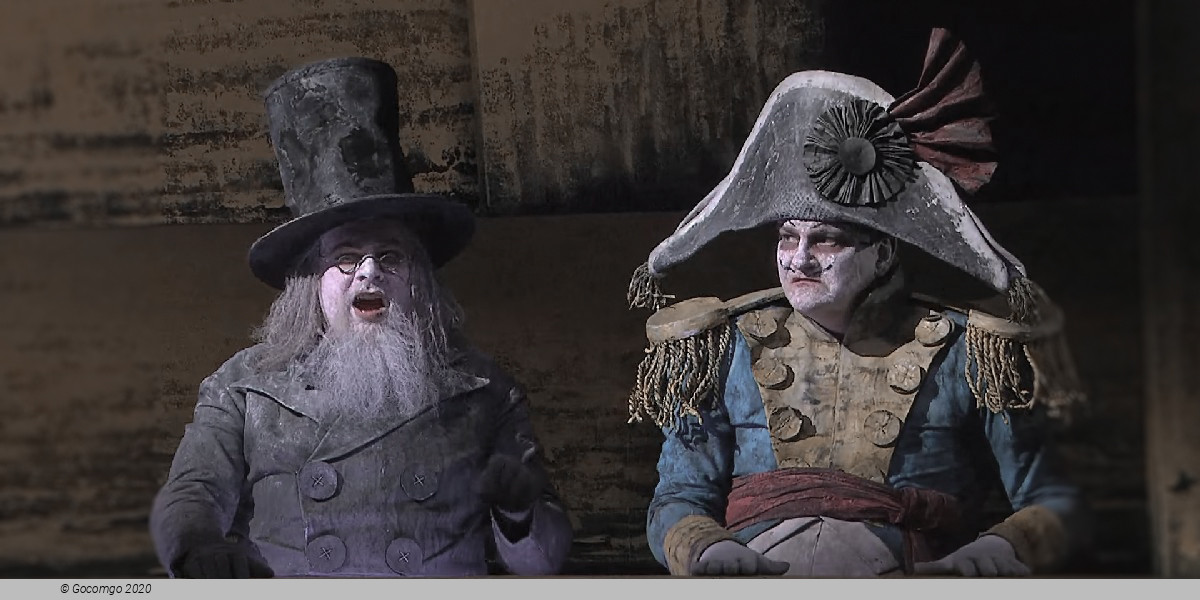
A street in town. During the day. While out walking the captain meets the doctor, who is hurrying to visit one of his many dying patients. The captain stops the doctor and starts lecturing him and the doctor has his revenge by starting to talk about death. He tells the captain that he is in a dire state of health and warns him that he will probably fall victim to a dreadful illness. The captain begins to feel ill. When Wozzeck joins them, they both take a delight in tormenting him with innuendo about Marie’s infidelity. Wozzeck has no idea what they are talking about at first but it soon becomes clear to him what they are saying. The ground is swept away beneath his feet. He rushes off in despair.
The street in front of Marie’s house. Cloudy day. Wozzeck bombards Marie with questions. He wants to know the truth about her relationship with the drum major. Marie claims that her conscience is clear. When Wozzeck makes as if to strike her she defends herself: „Better a knife blade in my body than lay a hand on me.” She goes into the house, leaving Wozzeck in a daze.
The garden of an inn. Late evening. Marie meets the drum major. Everyone is drinking and dancing, only Wozzeck sits alone in the background, staring at Marie, who seems to have become a complete stranger. Two drunk men are philosophizing about life. Wozzeck wishes the world would come to an end. Andres tries to engage Wozzeck in conversation but cannot share his dark thoughts. When Wozzeck tries to rush on to the dance floor to go between Marie and the drum major, he is held back. A idiot approaches and prophesies a bloody end for Wozzeck.
The guard-room at the barracks. Night. After the last dances, Wozzeck is lying in the barracks and cannot sleep, the music still seems to be playing in his ears. He is obsessed with the picture of Marie in the arms of the drum major. Even saying a prayer does not help. The drum major appears in reality: he is drunk and boasts to Wozzeck of his manliness and Marie’s charms, which he has enjoyed. He then beats Wozzeck. The others look on.
Act Three
Marie's room. It's night. Marie is plagued by feelings of guilt and seeks an answer in the Bible. Marie is afraid of the way her child is looking at her. She tells him a fairy-tale about the end of the world, but the child does not want to hear any more fairy-tales. Marie begs the Saviour for forgiveness and continues to wait for Wozzeck, who has not been home for several days.
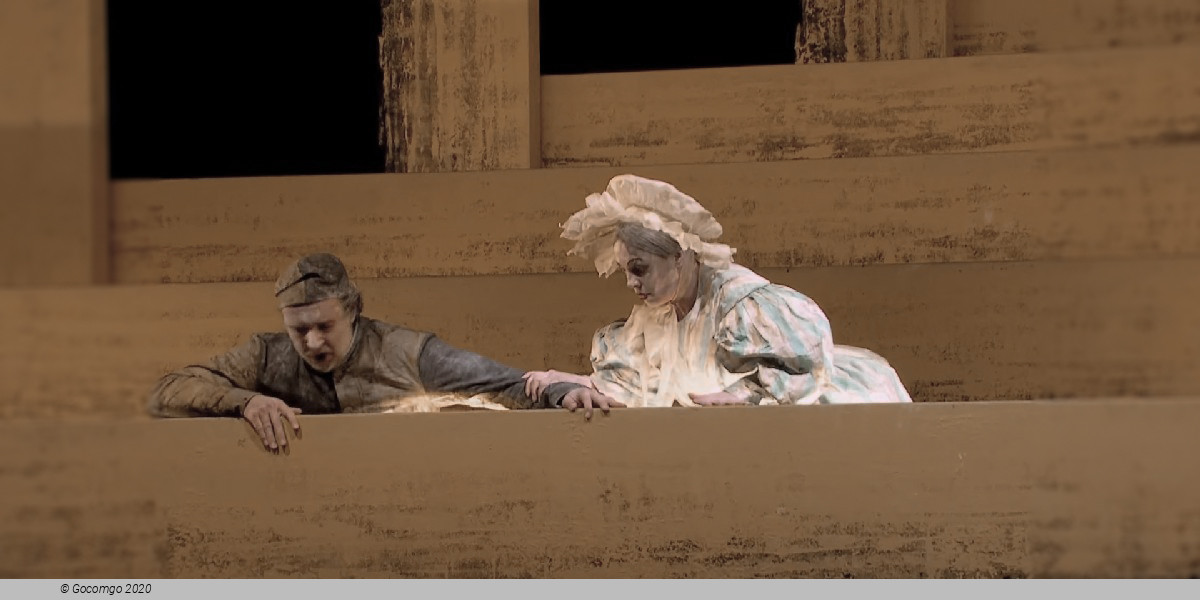
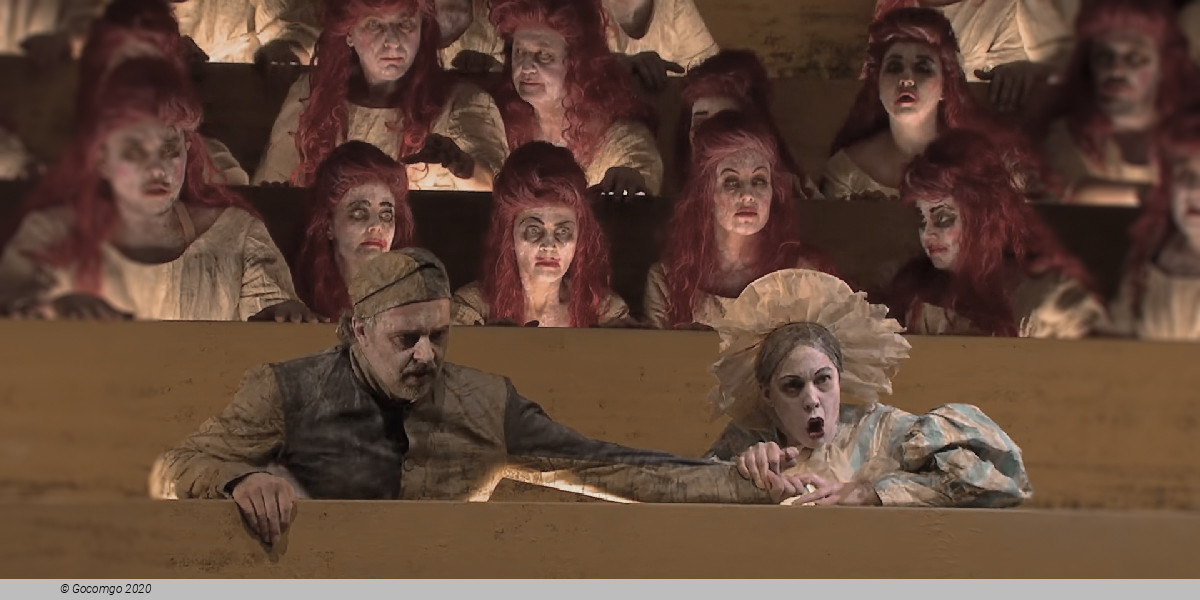
A path by a pond in the woods. Dawn. A couple is out for a stroll at night. Wozzeck approaches the pond with Marie. It is cold and Marie wants to go home. Because he cannot stop her, Wozzeck stabs Marie with a knife.
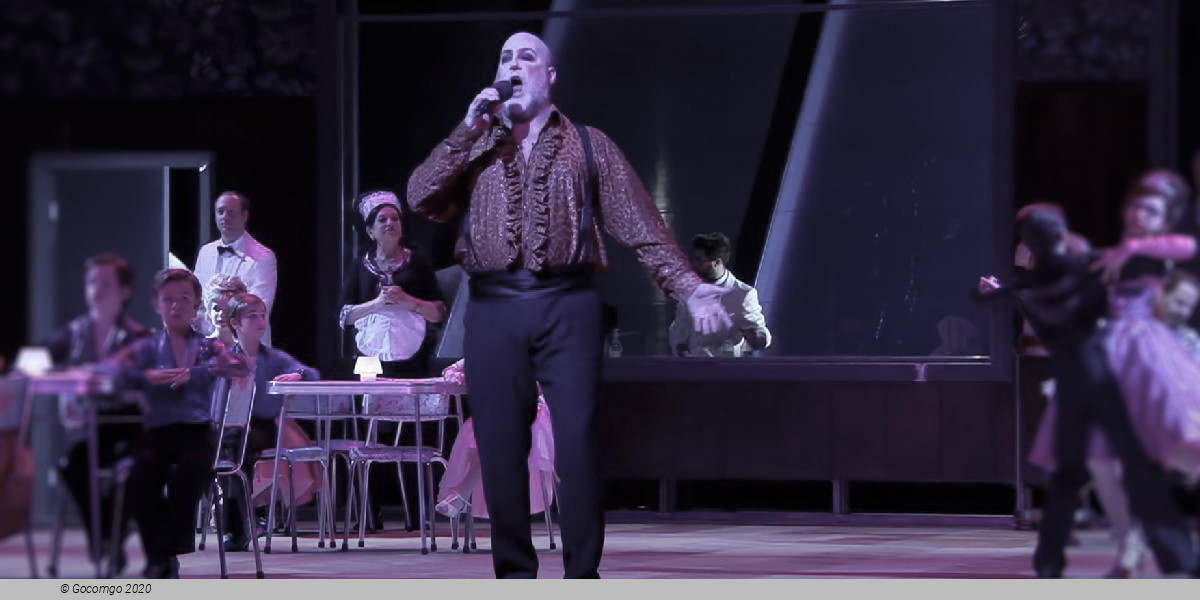
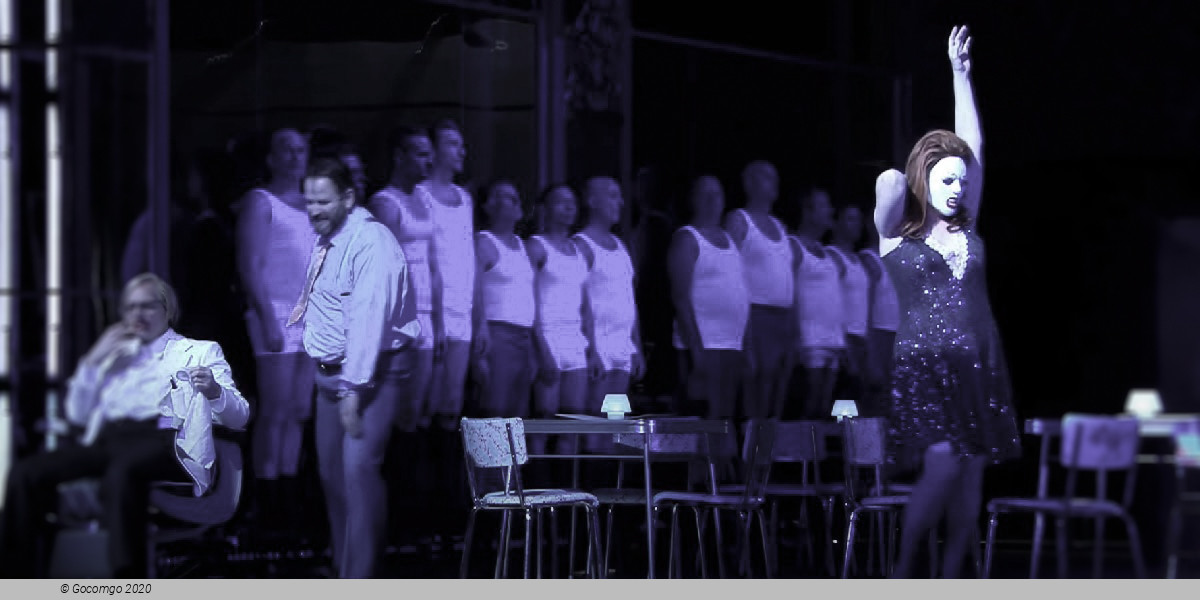
An inn. Night. Wozzeck flees to an inn. He tries to warm himself with Margret, he wants to drink and sing and forget. Margret discovers blood on Wozzeck’s hands. Everyone sees the blood and now Wozzeck can no longer overlook it and flees.
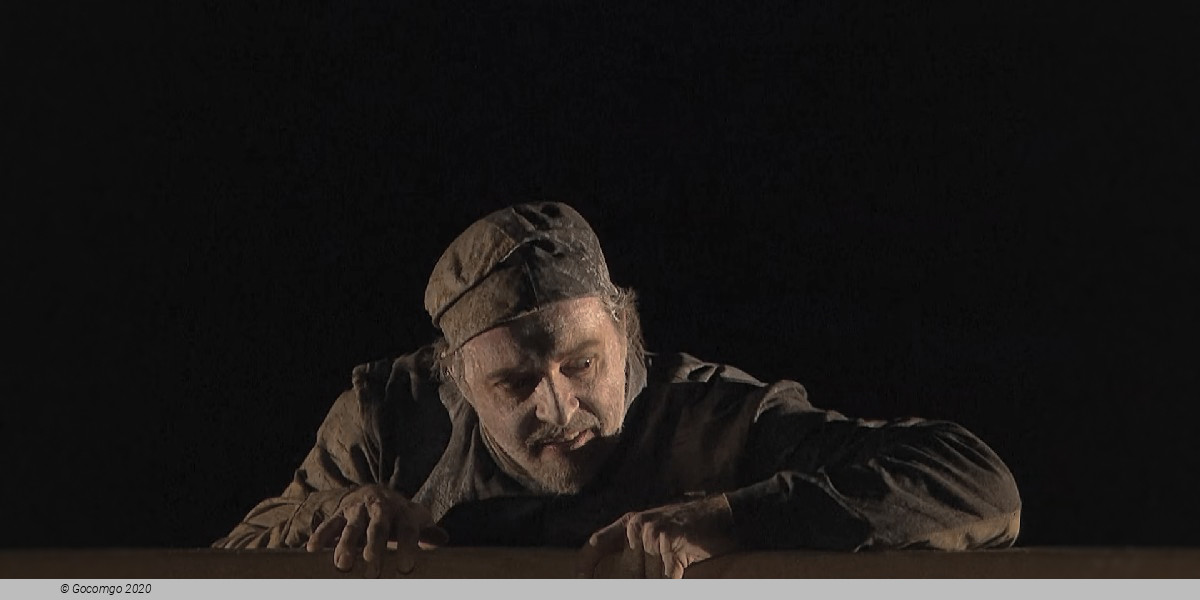
A path by the pond in the woods. Moonlit night. Wozzeck, who cannot forget Marie, returns to the pond. The water does not cleanse him of his guilt; everything seems to be swimming in blood. Wozzeck looks for the knife and finds it. He throws it further out into the pond. Wozzeck goes down. The doctor and the captain, who are quite close, hear a shout and a groan. A cold shudder runs down the captain’s back. The doctor certifies a death. Both go on their way quickly.
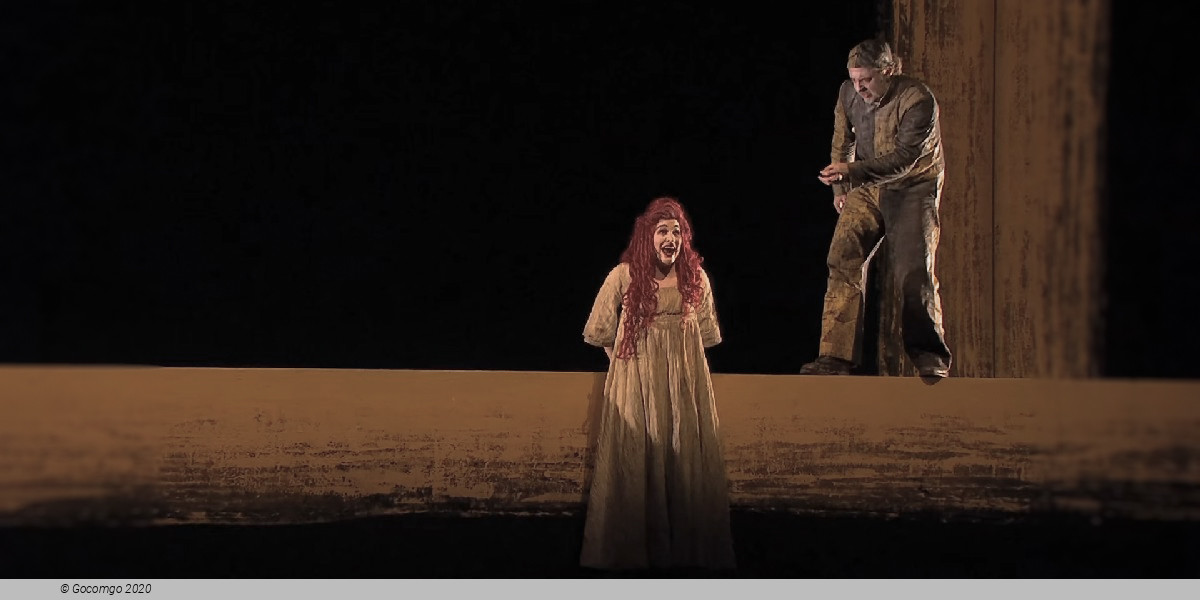
In front of Marie’s house. Morning, sunshine. Children are playing. Among the children playing in the street is Wozzeck and Marie‘s son. A couple of children appear with the latest news. Marie’s body has been discovered. The curious children run to the pond to see the dead body. Wozzeck’s son is left alone.
Act 1
Scene 1 (Suite)
Wozzeck is shaving the Captain, who lectures him on the qualities of a "decent man" and taunts him for living an immoral life. Wozzeck slavishly replies, "Jawohl, Herr Hauptmann" ("Yes sir, Captain") repeatedly to the Captain's abuse. But when the Captain scorns Wozzeck for having a child "without the blessing of the Church", Wozzeck protests that it is difficult to be virtuous when one is poor, and entreats the Captain to remember the lesson from the gospel, "Lasset die Kleinen zu mir kommen!" ("Suffer the little children to come unto me," Mark 10:14). The Captain is confounded by Wozzeck's theological knowledge and anxiously squeaks, "What do you mean? And what sort of curious answer is that? You make me quite confused!" Wozzeck continues the discussion by positing that it would be easy to be moral if he were wealthy and that, if the poor ever "got to Heaven, we'd all have to manufacture thunder!" The flustered Captain, unable to comprehend Wozzeck, finally concedes that he is "a decent man, only you think too much!" The Captain concludes the discussion, saying it has "quite fatigued" him and again chides Wozzeck to walk slowly before finally exiting.
Scene 2 (Rhapsody and Hunting Song)
Wozzeck and Andres are cutting sticks as the sun is setting. Wozzeck has frightening visions and Andres tries unsuccessfully to calm him.
Scene 3 (March and Lullaby)
A military parade passes by outside Marie's room. Margret taunts Marie for flirting with the soldiers. Marie shuts the window and sings a lullaby to her son. Wozzeck then comes by and tells Marie of the terrible visions he has had, promptly leaving without seeing their son, much to Marie's dismay. She laments being poor.
Scene 4 (Passacaglia)
The Doctor scolds Wozzeck for not following his instructions regarding diet and behavior. But when the Doctor hears of Wozzeck's mental aberrations, he is delighted and congratulates himself on the success of his experiment.
Scene 5 (Rondo)
Marie admires the Drum Major outside her room. He makes advances on her, which she first rejects but then accepts after a short struggle.
Act 2
Scene 1 (Sonata-Allegro)
Marie is telling her child to go to sleep while admiring earrings the Drum Major gave her. She is startled when Wozzeck arrives. He asks where she got the earrings, and she says she found them. Though not convinced, Wozzeck gives her some money and leaves. Marie chastises herself for her behavior.
Scene 2 (Fantasia and Fugue on 3 Themes)
The Doctor rushes by the Captain in the street, who urges him to slow down. The Doctor then proceeds to scare the Captain by speculating about what afflictions he may have. When Wozzeck comes by, they insinuate that Marie is being unfaithful to him.
Scene 3 (Largo)
Wozzeck confronts Marie, who does not deny his suspicions. Enraged, Wozzeck is about to hit her when she stops him, saying even her father never dared lay a hand on her. Her statement "better a knife in my belly than your hands on me" plants in Wozzeck's mind the idea for his revenge.
Scene 4 (Scherzo)
Among a crowd, Wozzeck sees Marie dancing with the Drum Major. After a brief hunter's chorus, Andres asks Wozzeck why he is sitting by himself. An Apprentice delivers a drunken sermon, then an Idiot approaches Wozzeck and cries out that the scene is "Lustig, lustig...aber es riecht ...Ich riech, ich riech Blut!" ("joyful, joyful, but it reeks...I smell, I smell blood").
Scene 5 (Rondo)
In the barracks at night, Wozzeck, unable to sleep, is keeping Andres awake. The Drum Major comes in, intoxicated, and rouses Wozzeck out of bed to fight with him.
Act 3
Scene 1 (Invention on a Theme)
In her room at night, Marie reads to herself from the Bible. She cries out that she wants forgiveness.
Scene 2 (Invention on a Single Note (B))
Wozzeck and Marie are walking in the woods by a pond. Marie is anxious to leave, but Wozzeck restrains her. As a blood-red moon rises, Wozzeck says that if he can't have Marie, no one else can, and stabs her.
Scene 3 (Invention on a Rhythm)
People are dancing in a tavern. Wozzeck enters, and upon seeing Margret, dances with her and pulls her onto his lap. He insults her, and then asks her to sing him a song. She sings, but then notices blood on his hand and elbow; everyone begins shouting at him, and Wozzeck, agitated and obsessed with the blood, rushes out of the tavern.
Scene 4 (Invention on a Hexachord)
Having returned to the murder scene, Wozzeck becomes obsessed with the thought that the knife he killed Marie with will incriminate him, and throws it into the pond. When the blood-red moon appears again, Wozzeck, fearing that he has not thrown the knife far enough from shore and also wanting to wash away the blood staining his clothing and hands, wades into the pond and drowns. The Captain and the Doctor, passing by, hear Wozzeck moaning and rush off in fright.
Interlude (Invention on a Key (D minor))
This interlude leads to the finale.
Scene 5 (Invention on an Eighth-Note moto perpetuo, quasi toccata)
The next morning, children are playing in the sunshine. The news spreads that Marie's body has been found, and they all run off to see, except for Marie's son, who after an oblivious moment, follows after the others.











 Max-Joseph-Platz 2