
Berliner Philharmonie: Parisian Life Tickets | Event Dates & Schedule | GoComGo.com

Parisian Life Tickets

Berliner Philharmonie, Berlin, Germany
Important Info
Type: Operetta
City: Berlin, Germany

E-tickets: Print at home or at the box office of the event if so specified. You will find more information in your booking confirmation email.

You can only select the category, and not the exact seats.
If you order 2 or 3 tickets: your seats will be next to each other.
If you order 4 or more tickets: your seats will be next to each other, or, if this is not possible, we will provide a combination of groups of seats (at least in pairs, for example 2+2 or 2+3).

Cast
Performers
Choose the date to see the peformers
Overview

Libretto by Henri Meilhac and Ludovic Halévy

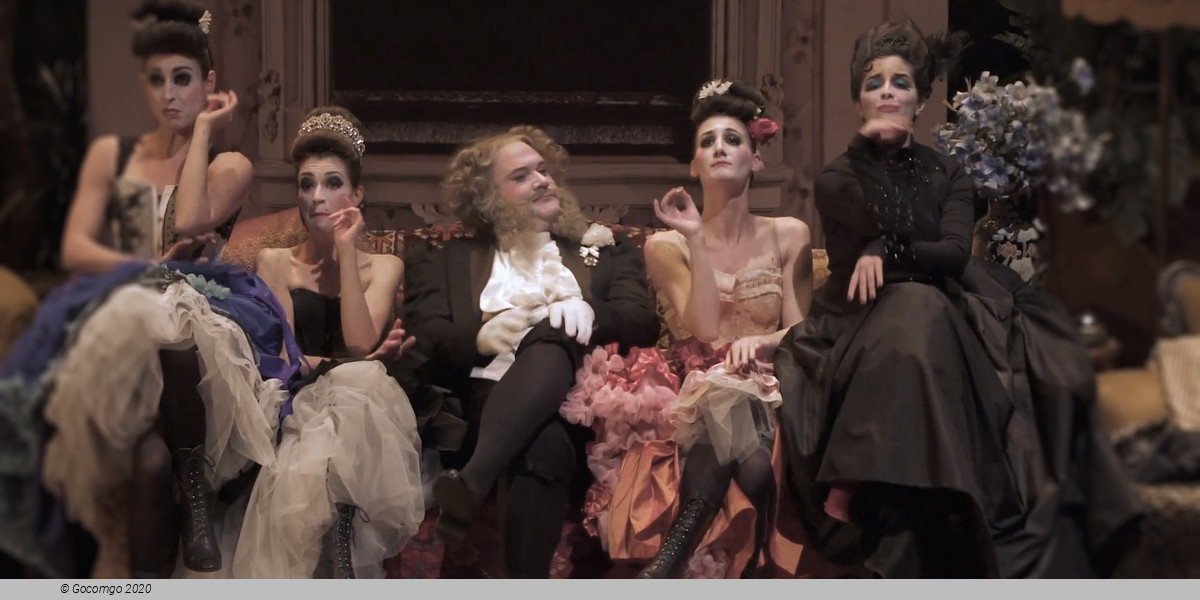
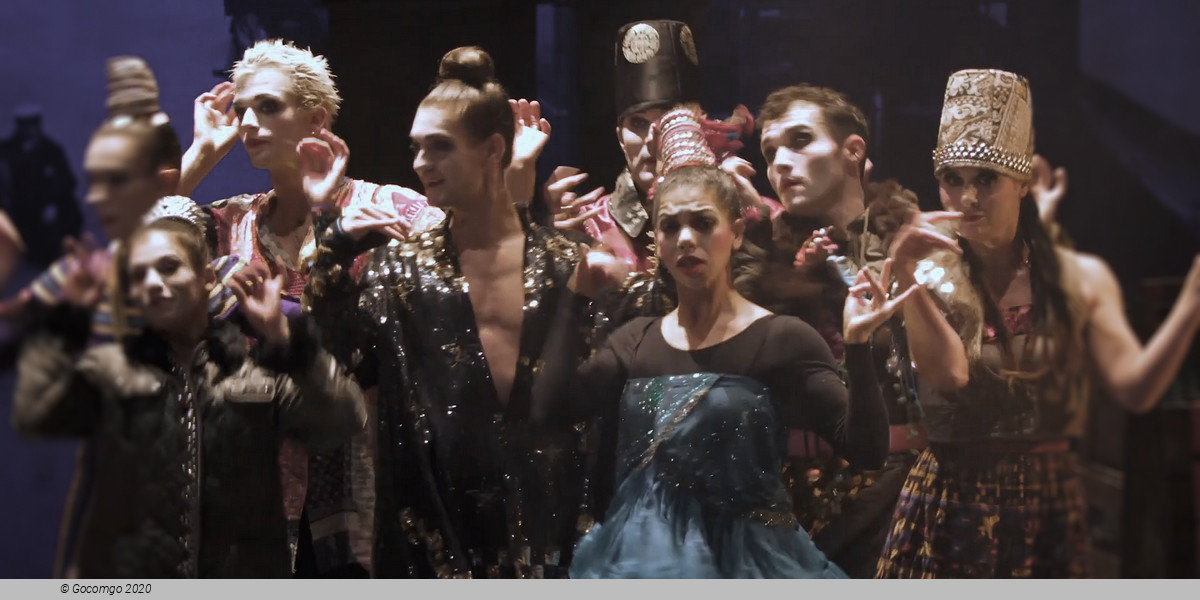
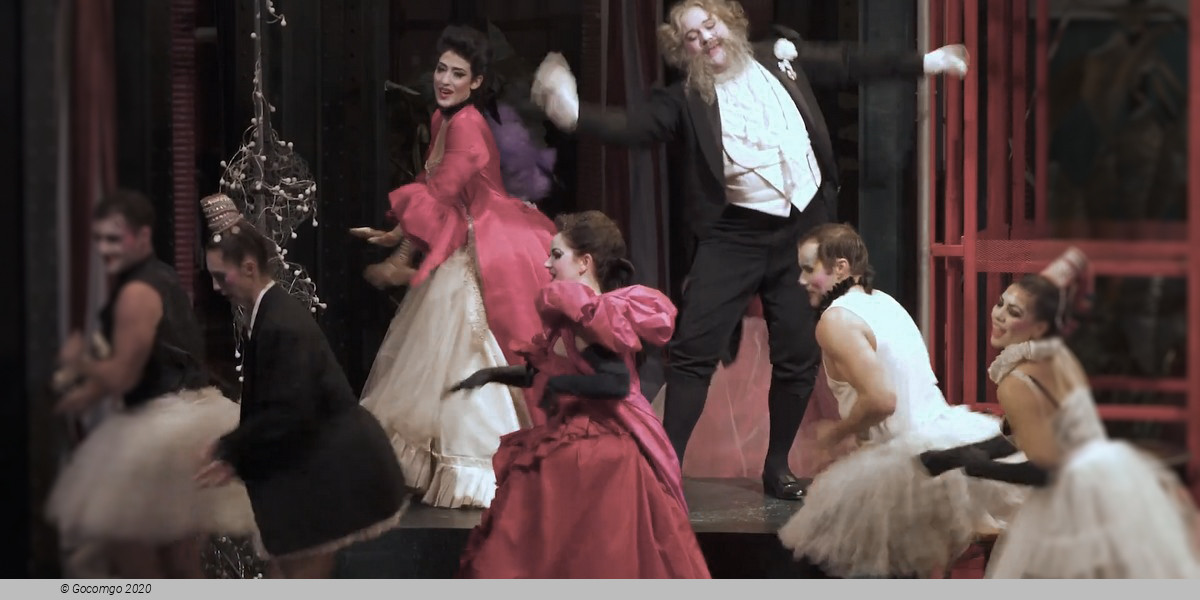
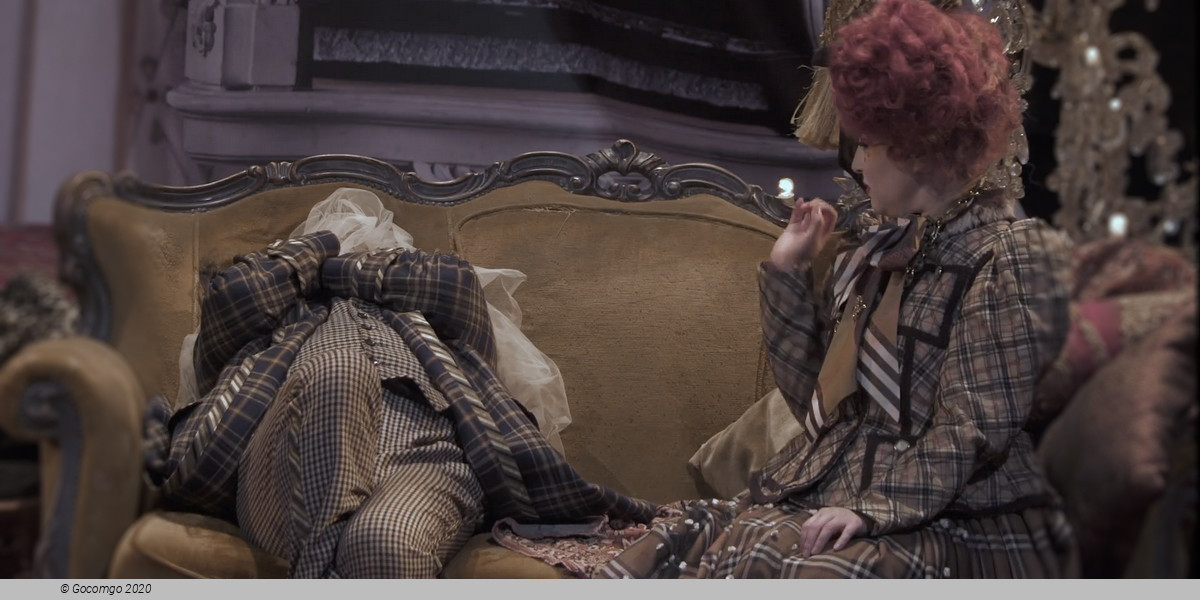
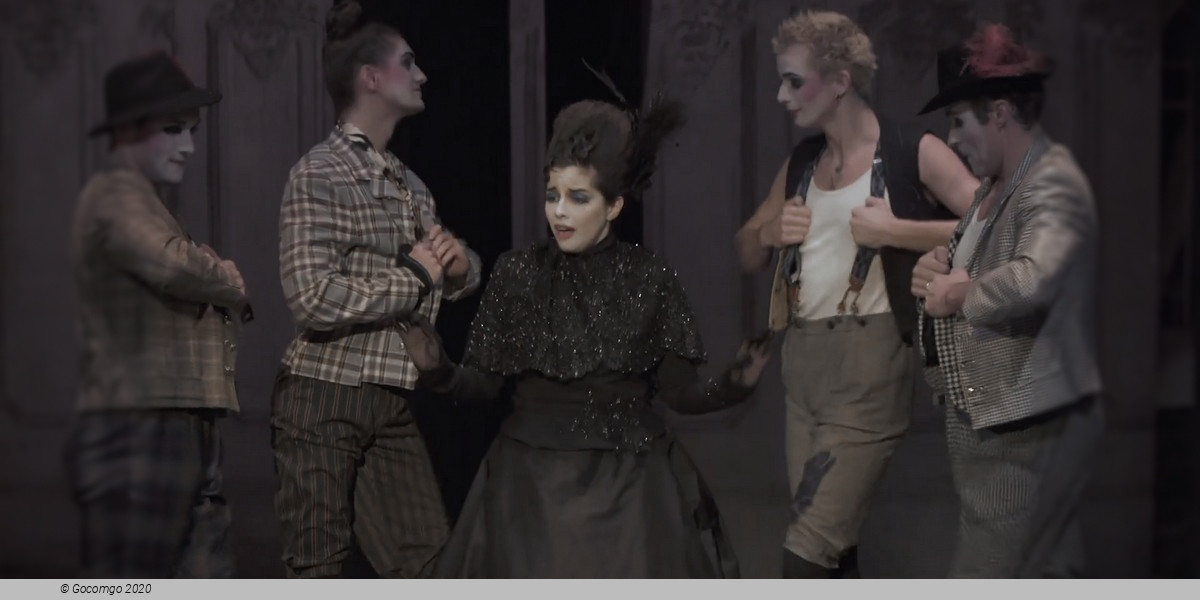
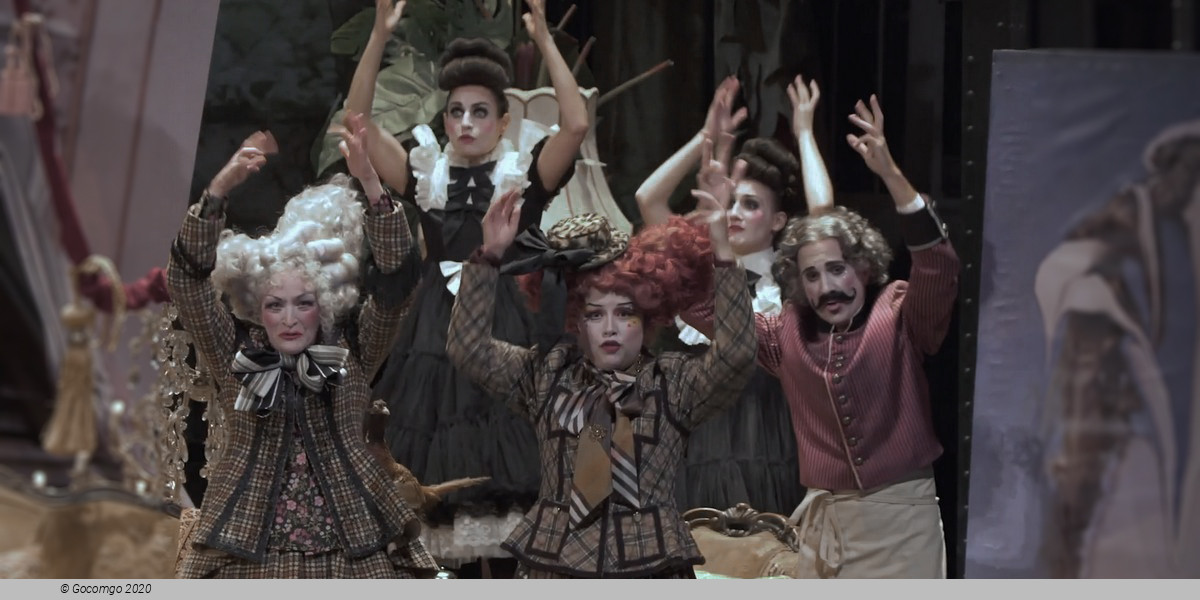
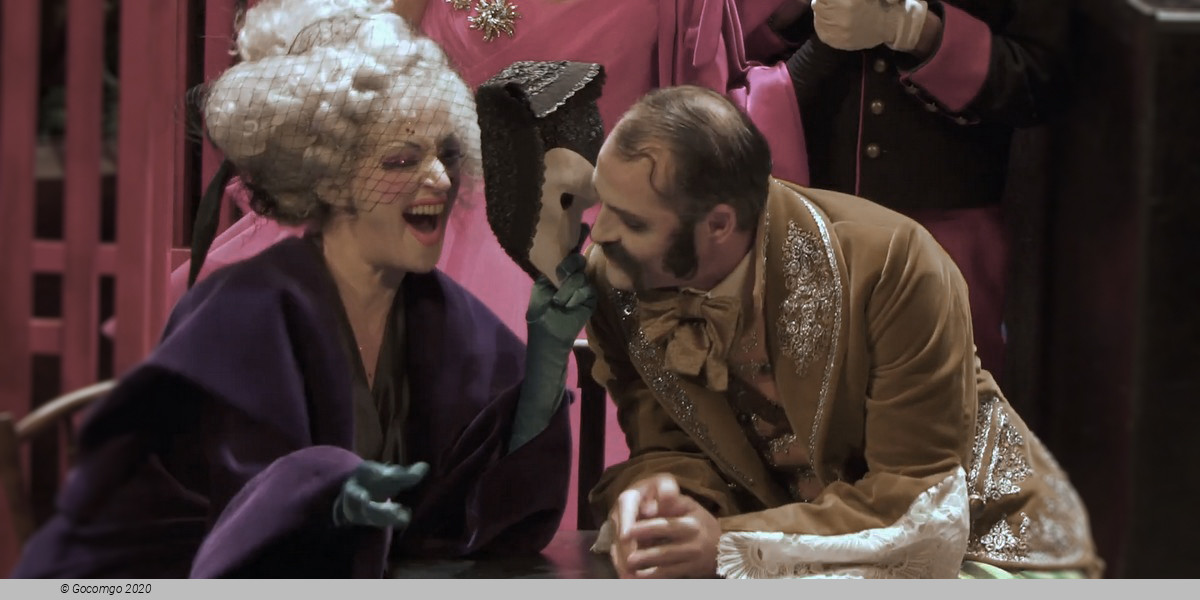
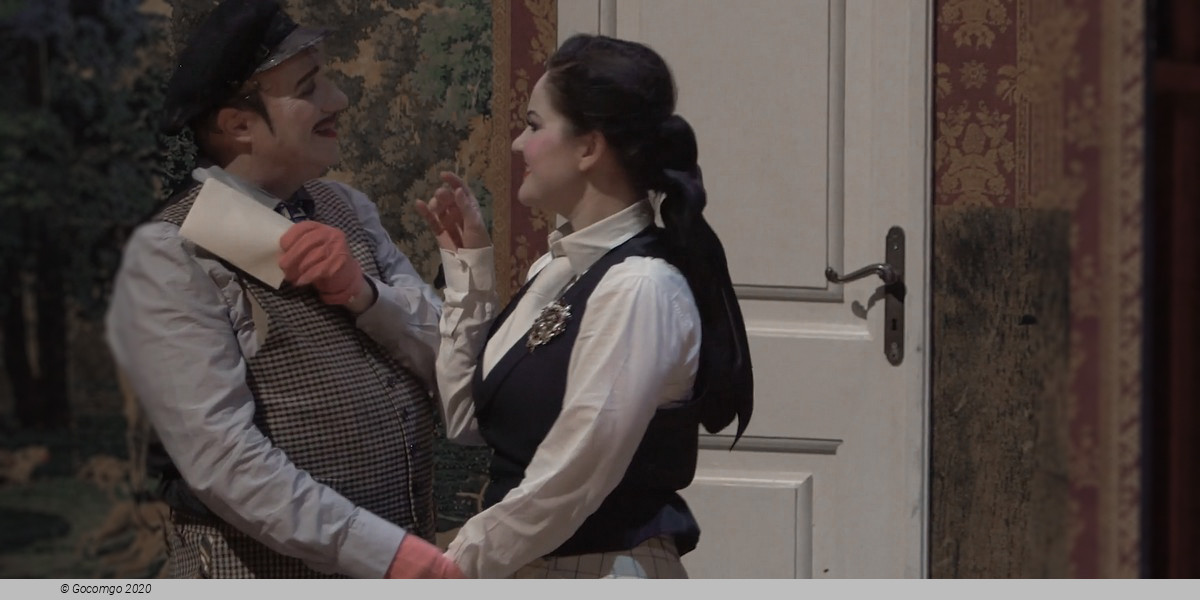
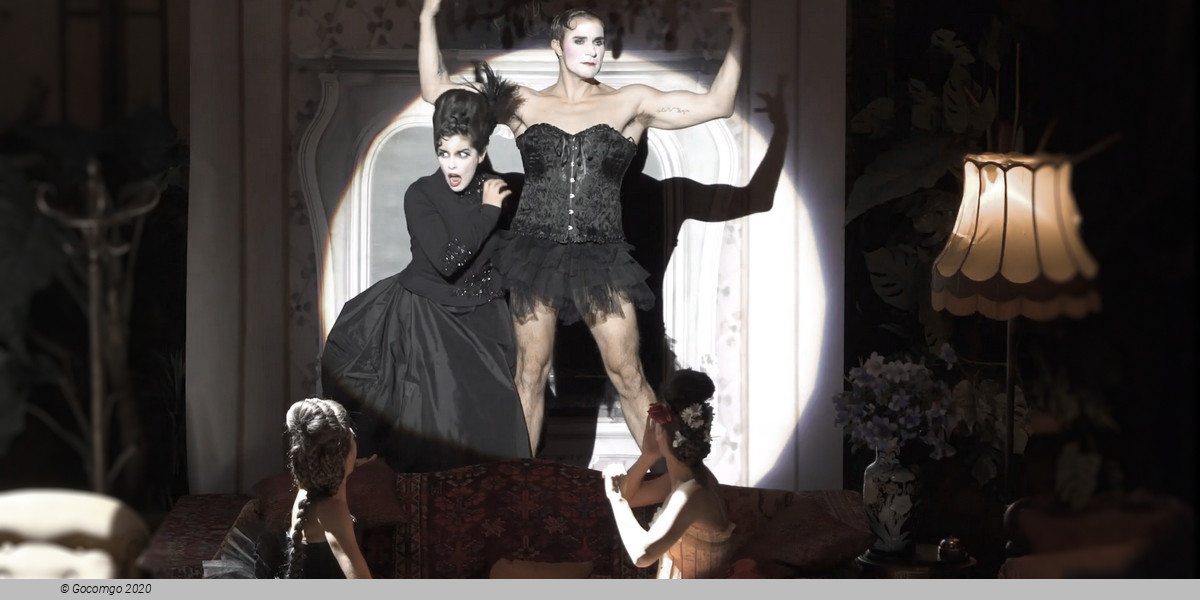
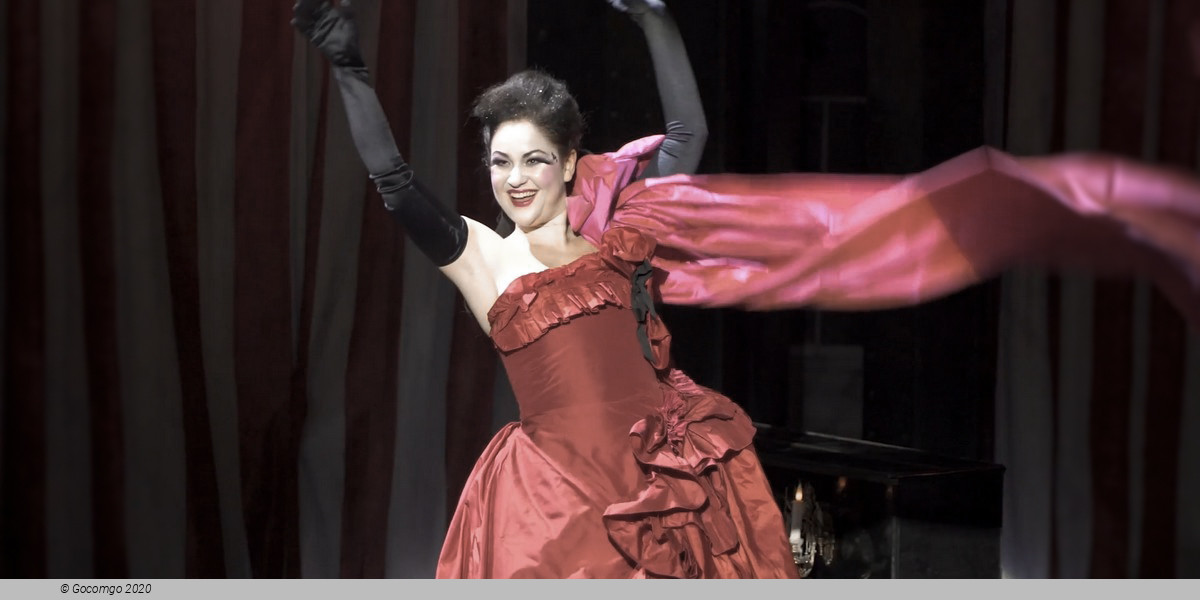
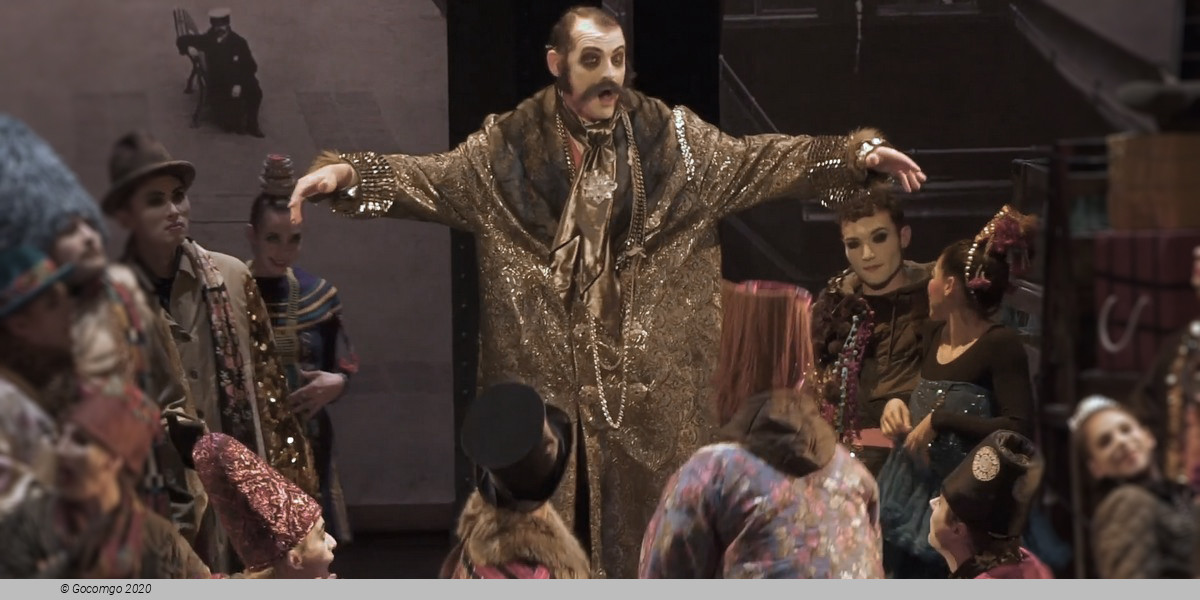
Jacques Offenbach revolutionized musical theater with his works in the second half of the 19th century and has since been regarded as the founder of operetta. For the 200th birthday of the composer, the Lehár Festival Bad Ischl takes you back to Paris with the second performance of the season. It will be loved, cheated and danced in the best French way, and of course Offenbach’s famous Can-Can won’t be missing.
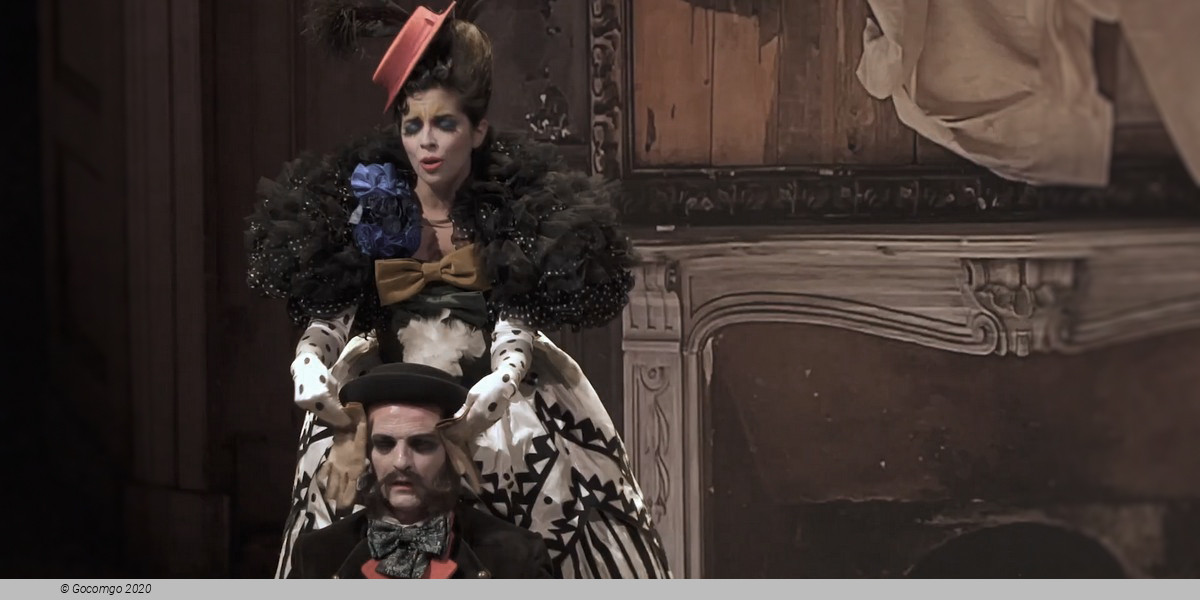
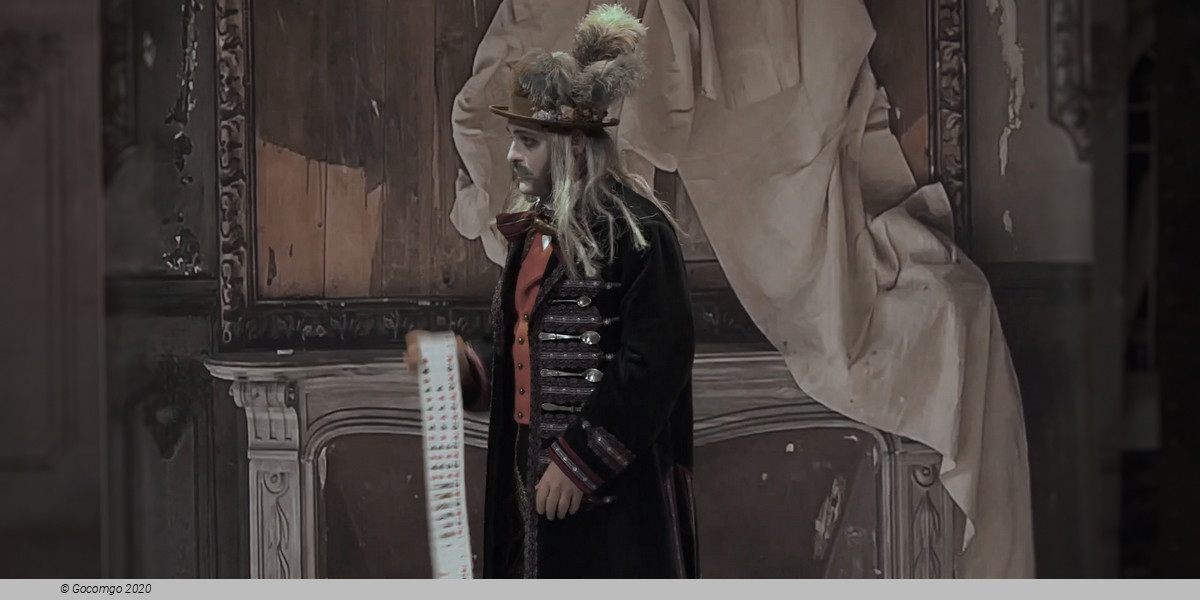
With his frivolous operetta PARISIAN LIFE, Jacques Offenbach composed a musical-theatrical monument full of wit and irony to the French capital. The vacationing Swedish baron of Gondremarck and his wife also want to take part in this fun. As soon as they arrive in the City of Love, they are received by someone who is not who he claims to be. What follows is a confusion that makes the human in the French metropolis clearly visible.

PARISIAN LIFE by Jacques Offenbach is a Bad Ischler premiere, the work will be completely re-translated and edited for the Lehár Festival.

History
Premiere of this production: 31 October 1866, Théâtre du Palais-Royal, Paris

La vie parisienne is an opéra bouffe, or operetta, composed by Jacques Offenbach, with a libretto by Henri Meilhac and Ludovic Halévy. This work was Offenbach's first full-length piece to portray contemporary Parisian life, unlike his earlier period pieces and mythological subjects. It became one of Offenbach's most popular operettas. In 1864 the Théâtre du Palais-Royal presented a comedy by Meilhac and Halévy entitled Le Photographe (The Photographer), which featured a character called Raoul Gardefeu, the lover of Métella, trying to seduce a baroness. Two years earlier, a comedy by the same authors La Clé de Métella (The Key of Métella) was played at the Théâtre du Vaudeville. These two pieces presage the libretto of La vie parisienne which can be dated from late 1865.

Synopsis

Act 1
The story begins at the Gare de l'Ouest, where the employees list the provenance of trains arriving from different places in France ("Nous sommes employés de la ligne de l'Ouest"). Two Parisian dandies, Bobinet and Gardefeu are waiting for the train from Rambouillet, but avoid each other while they walk around. They have fallen out over the demi-mondaine Métella. She arrives with a third man and pretends not to recognize the two previous lovers. Her rejection reunites the two friends and they vow to seek a better class of mistress ("Elles sont tristes, les marquises"). While wondering how he will achieve this Gardefeu sees his former servant Joseph, now a tourist guide. Joseph reveals that he is to meet a Swedish baron and his wife who he is to show around Paris but for a sum agrees to let Gardefeu take his place. While he goes to look for the baron, Gardefeu wonders what will happen with the baroness ("Ce que c'est pourtant que la vie !") The Baron and Baroness Gondremarck enter he promises to show them everything they want to see in the French capital ("Jamais, foi de cicérone"). The station fills with more passengers arriving for a good time in Paris, including a Brazilian returning after having spent his fortune once before in the city ("Je suis Brésilien, j'ai de l'or").

Act 2
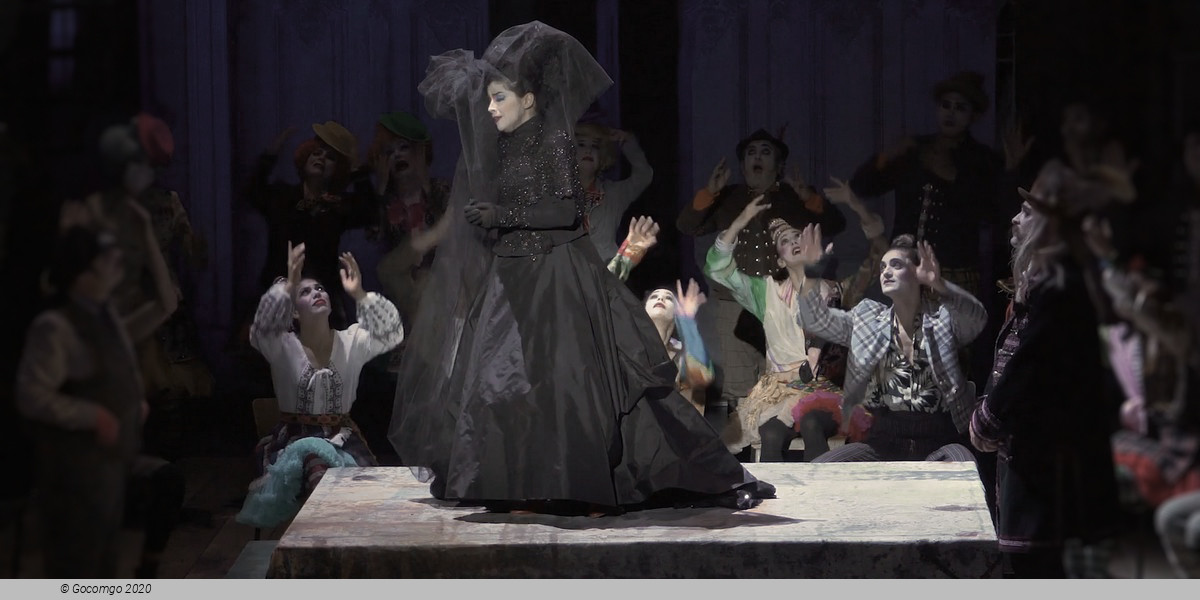
At Gardefeu's home, his glove-maker Gabrielle and his boot-maker Frick await the master's return ("Entrez ! entrez, jeune fille à l'œil bleu !"). Gardefeu continues his pretence with the Swedes, explaining that they are in an annexe to the hotel, hoping to get the baron out of the way so that he can pay attention to the baroness; the baron already has his plans based on a letter from a friend ("Dans cette ville toute pleine"). The baron then asks to take the table d'hôte. The problem of missing hotel guests is solved by getting Gabrielle and Frick and their friends to impersonate other hotel guests. Bobinet calls by and offers to stage a party for the Swedes at his absent aunt's mansion the following night, with the baron invited. The baroness finds remnants of Gardefeu's affair with Métella in her room. Métella herself now arrives hoping for a reconciliation with Gardefeu ("Vous souvient-il, ma belle") and ends with offering to entertain the baron in a few days. The guests arrive for the table d'hôte; Frick as a major ("Pour découper adroitement") and Gabrielle as a war widow ("Je suis veuve d'un colonel") and with a tyrolienne everyone retires to supper ("On est v'nu m'inviter").

Act 3
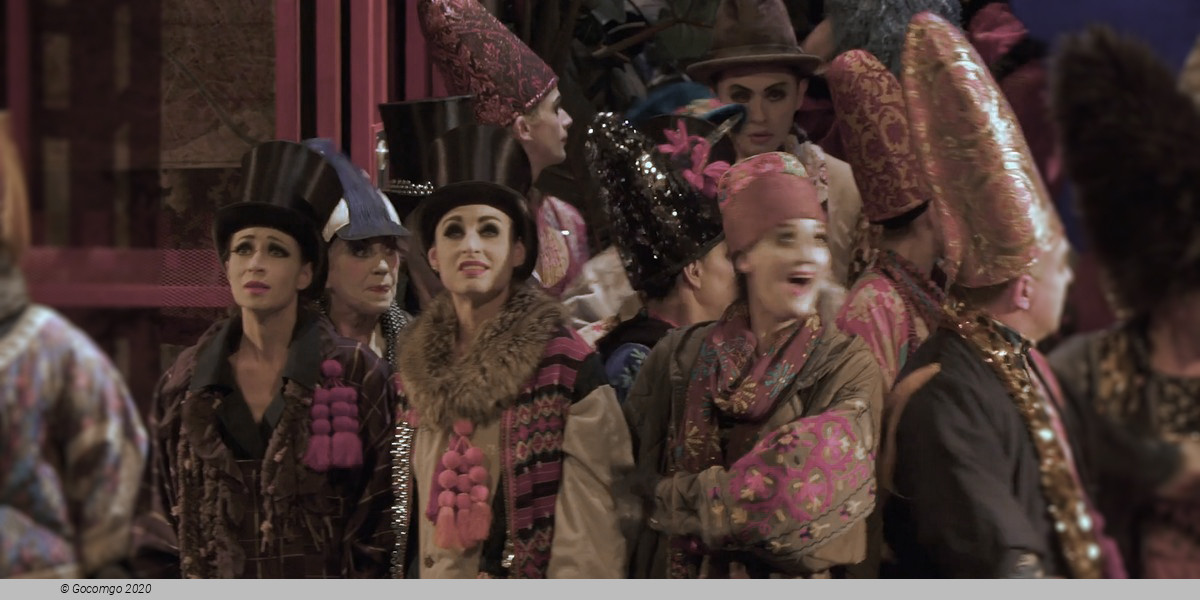
At a party the next evening hosted by Bobinet his servants dress up as the crowd of aristocrats ("Donc, je puis me fier à vous !"). Baron Gondremarck arrives and is taken by Pauline 'Madame l'amirale' (in fact a chambermaid). Gabrielle arrives ("On va courir, on va sortir") and Bobinet as a Swiss admiral ("Votre habit a craqué dans le dos !").

Bobinet rises to greet the crowd with a drinking song ("En endossant mon uniforme") and the champagne flows ("Soupons, soupons, c'est le moment"), the baron and everyone else gets drunk.

Act 4
The Brazilian millionaire is offering a masquerade ball at the Café Anglais. The head waiter tells his staff to be discreet during about the guests ("Avant toute chose, il faut être... Fermez les yeux"). The baron arrives for his assignation with Métella, while growing increasingly suspicious of the goings-on. Métella tells the baron to be patient ("C'est ici l'endroit redouté des mères") but she will not be his entertainment: she is in love with someone else but has brought a friend for him. The baron is furious when he discovers that her lover is Gardefeu. The Brazilian arrives, then Bobinet and Gardefeu. After showing Métella the letter ("Vous souvient-il, ma belle") she and Gardefeu are reconciled, and the baron's fury only stops when baroness intervenes. All toast Paris ("Par nos chansons et par nos cris, célébrons Paris.").

Venue Info

Berliner Philharmonie - Berlin
Location   Herbert-von-Karajan-Str. 1

The Berliner Philharmonie is a concert hall in Berlin, Germany and home to the Berlin Philharmonic Orchestra. The Philharmonie lies on the south edge of the city's Tiergarten and just west of the former Berlin Wall. The Philharmonie is on Herbert-von-Karajan-Straße, named for the orchestra's longest-serving principal conductor. The building forms part of the Kulturforum complex of cultural institutions close to Potsdamer Platz.

The Philharmonie consists of two venues, the Grand Hall (Großer Saal) with 2,440 seats and the Chamber Music Hall (Kammermusiksaal) with 1,180 seats. Though conceived together, the smaller hall was opened in the 1980s, some twenty years after the main building.

Hans Scharoun designed the building, which was constructed over the years 1960–1963. It opened on 15 October 1963 with Herbert von Karajan conducting Beethoven's 9th Symphony. It was built to replace the old Philharmonie, destroyed by British bombers on 30 January 1944, the eleventh anniversary of Hitler becoming Chancellor. The hall is a singular building, asymmetrical and tentlike, with the main concert hall in the shape of a pentagon. The height of the rows of seats increases irregularly with distance from the stage. The stage is at the centre of the hall, surrounded by seating on all sides. The so-called vineyard-style seating arrangement (with terraces rising around a central orchestral platform) was pioneered by this building, and became a model for other concert halls, including the Sydney Opera House (1973), Denver's Boettcher Concert Hall (1978), the Gewandhaus in Leipzig (1981), Walt Disney Concert Hall in Los Angeles (2003), and the Philharmonie de Paris (2014).

Jazz pianist Dave Brubeck and his quartet recorded three live performances at the hall; Dave Brubeck in Berlin (1964), Live at the Berlin Philharmonie (1970), and We're All Together Again for the First Time (1973). Miles Davis's 1969 live performance at the hall has also been released on DVD.

On 20 May 2008 a fire broke out at the hall. A quarter of the roof suffered considerable damage as firefighters cut openings to reach the flames beneath the roof. The hall interior sustained water damage but was otherwise "generally unharmed". Firefighters limited damage using foam. The cause of the fire was attributed to welding work, and no serious damage was caused either to the structure or interior of the building. Performances resumed, as scheduled, on 1 June 2008 with a concert by the San Francisco Symphony Youth Orchestra.

The main organ was built by Karl Schuke, Berlin, in 1965, and renovated in 1992, 2012 and 2016. It has four manuals and 91 stops. The pipes of the choir organs and the Tuba 16' and Tuba 8' stops are not assigned to any group and can be played from all four manuals and the pedals.

Important Info
Type: Operetta
City: Berlin, Germany

E-tickets: Print at home or at the box office of the event if so specified. You will find more information in your booking confirmation email.

You can only select the category, and not the exact seats.
If you order 2 or 3 tickets: your seats will be next to each other.
If you order 4 or more tickets: your seats will be next to each other, or, if this is not possible, we will provide a combination of groups of seats (at least in pairs, for example 2+2 or 2+3).

Top of page