
Bolshoi Theatre tickets 4 February 2026 - Dead Souls | GoComGo.com

Dead Souls

Bolshoi Theatre, Historic Stage, Moscow, Russia
All photos (7)
Select date and time
7 PM
Request for Tickets
Important Info
Type: Opera
City: Moscow, Russia
Starts at: 19:00
Acts: 3
Intervals: 2
Duration: 3h 10min
Sung in: Russian
Titles in: Russian,English

E-tickets: Print at home or at the box office of the event if so specified. You will find more information in your booking confirmation email.

You can only select the category, and not the exact seats.
If you order 2 or 3 tickets: your seats will be next to each other.
If you order 4 or more tickets: your seats will be next to each other, or, if this is not possible, we will provide a combination of groups of seats (at least in pairs, for example 2+2 or 2+3).

Cast
Creators
Composer: Rodion Shchedrin
Author: Nikolai Gogol
Overview

Nabokov called Dead Souls a grandiose dream through which an idea of Russia is drawn – the “lyrical note” of Gogol’s poem.

“The idea of the composer was aimed at producing a vocal rethinking of Gogol’s prose,” Rodion Shchedrin wrote in an explanatory note to the opera Dead Souls. With unusual sensitivity the composer responded to everything that can be heard in Gogol’s great poem, and he laid this bare in the voluminous musical images, first and foremost the vocal parts. With Gogol, Selifan the coachman is given a “subtle and melodious voice” – in the opera this is a high tenor, moreover singing in the folk style. The sweet tenor bel canto comes with Manilov, whose voice Gogol described as “touchingly tender” (Lizanka Manilova, the female double of her husband, repeats him in the tones of a lyrical coloratura soprano). On reading a description of the gambler and layabout Nozdryov as a “man of great height and a somewhat narrow face”, and also blond, and taking into account the character’s fiery temperament, Shchedrin decided to make him, too, a tenor – a dramatic one. Nozdryov’s son-in-law Mizhuyev appears with Gogol as having a “lazy and lethargic” voice – in the opera this role is awarded to a low bass, in essence a voice that is not too flexible; when the hero falls into a drunken dream, his voice also reaches the lower depths of the range. Sobakevich, too, sings as a bass: only the mighty bogatyr voice with a broad range is suitable for a man who wears boots “of such a gigantic size that legs to match could hardly be found anywhere”. The club-headed widow Korobochka is a mezzo, as is Plyushkin, who is performed by a woman in men’s clothing. When Plyushkin first starts to sing, the audience shudders: “Oh, a woman” – exactly repeating the thought of Chichikov, taken up by Gogol, when he meets the degraded miser: “Oh, woman” (and a second later “Oh, no”). Moreover, the role of the old hoarder is markedly anti-vocal, as the author described his voice as “hoarse”.

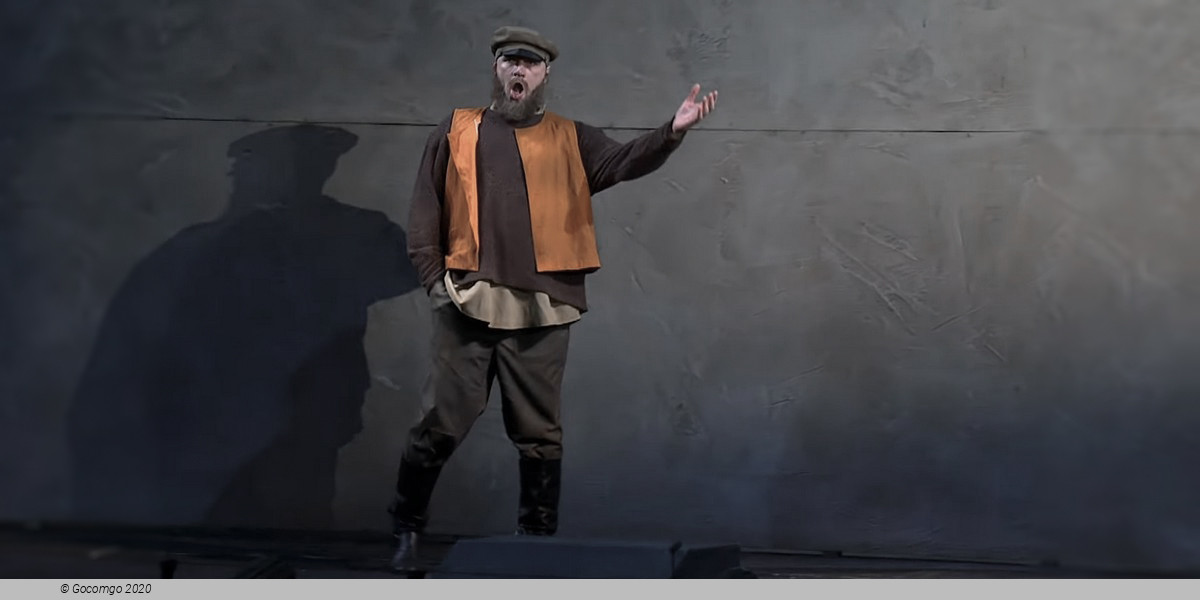
Nabokov called Dead Souls a grandiose dream through which an idea of Russia is drawn – the “lyrical note” of Gogol’s poem. Thus, too, Shchedrin’s opera is structured. Its lyrical notes are focussed in the “road” scenes, which with their refrain are interwoven with caricature episodes. The composer has contrasted the living with the dead; he has rendered faces from among the people alive – a grieving soldier’s wife, and a bearded peasant at the roadside. In these scenes the singing is peasant-like rather than operatic; the author was assisted by aural experiences from his childhood, spent on the banks of the River Oka, where the composer-to-be heard shepherds, mourners and drunken songs. Gogol referred to a folk song by name – The Snows Are Not White; Shchedrin composed a refrain to these words, and it sounds like archaic Russian folklore, moreover a musical and theoretical analysis here highlights the links with composition techniques of the 20th century. Recurring many times throughout the opera, it is also folk singing that brings it to its conclusion. “Do not weep, do not weep, do not be sad” – the female voices sing, though the listener does indeed wish to cry, repeating after Pushkin: “My God, how sad our Russia is!”

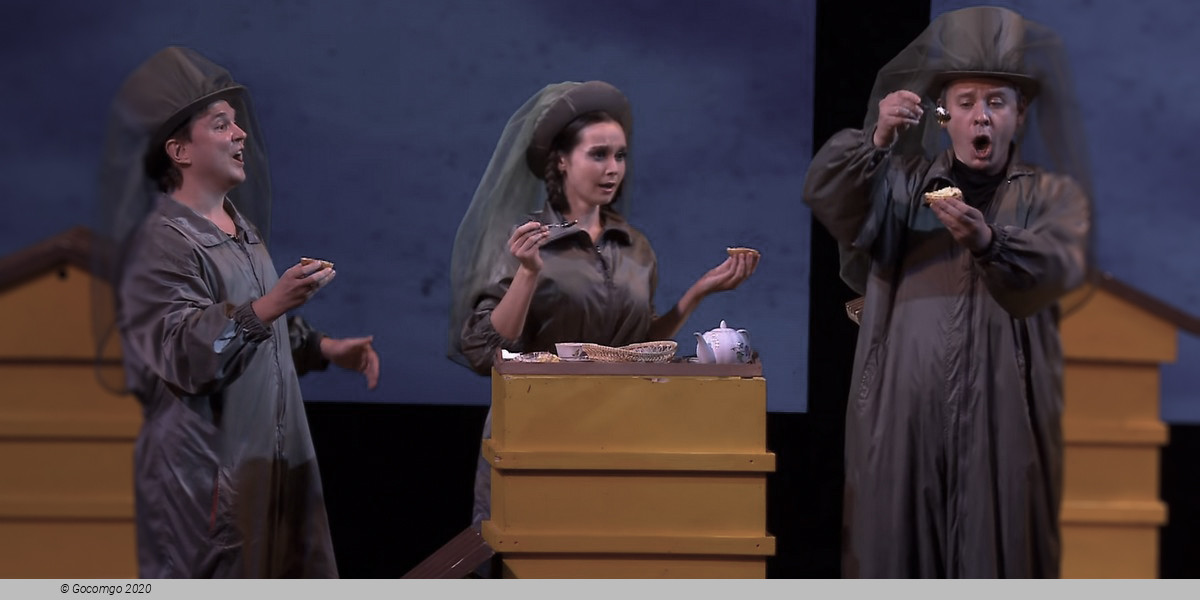
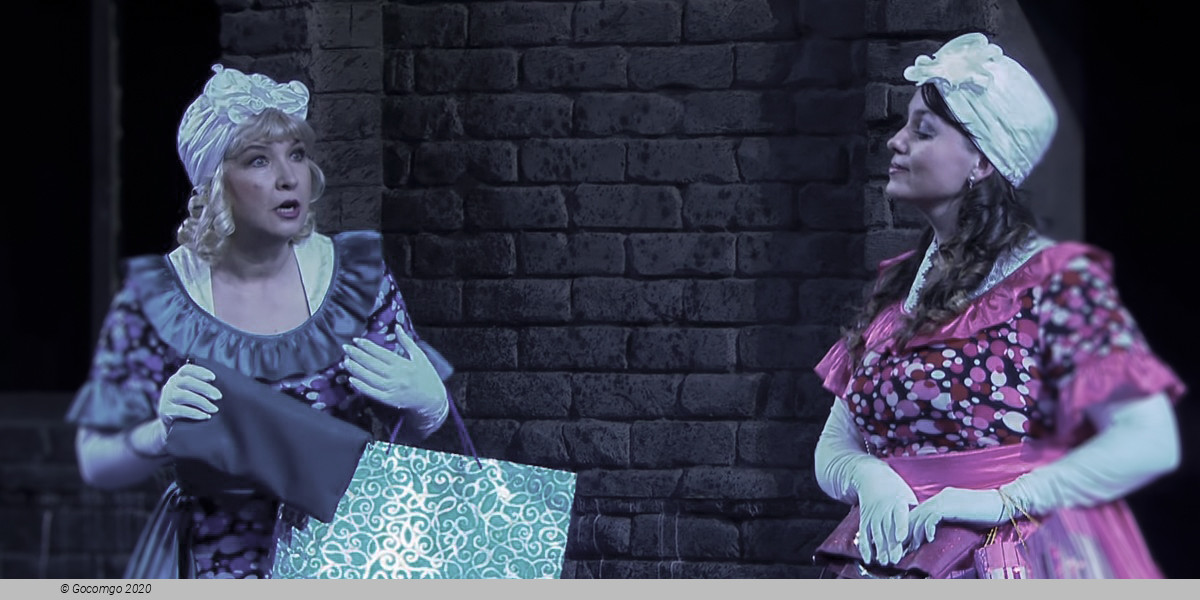
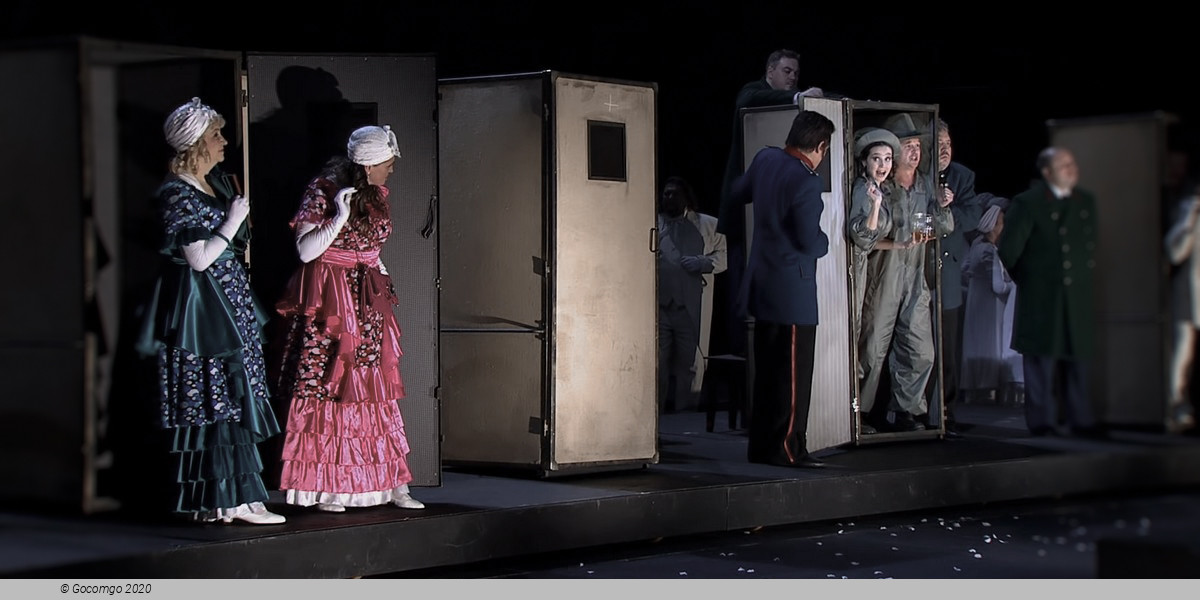
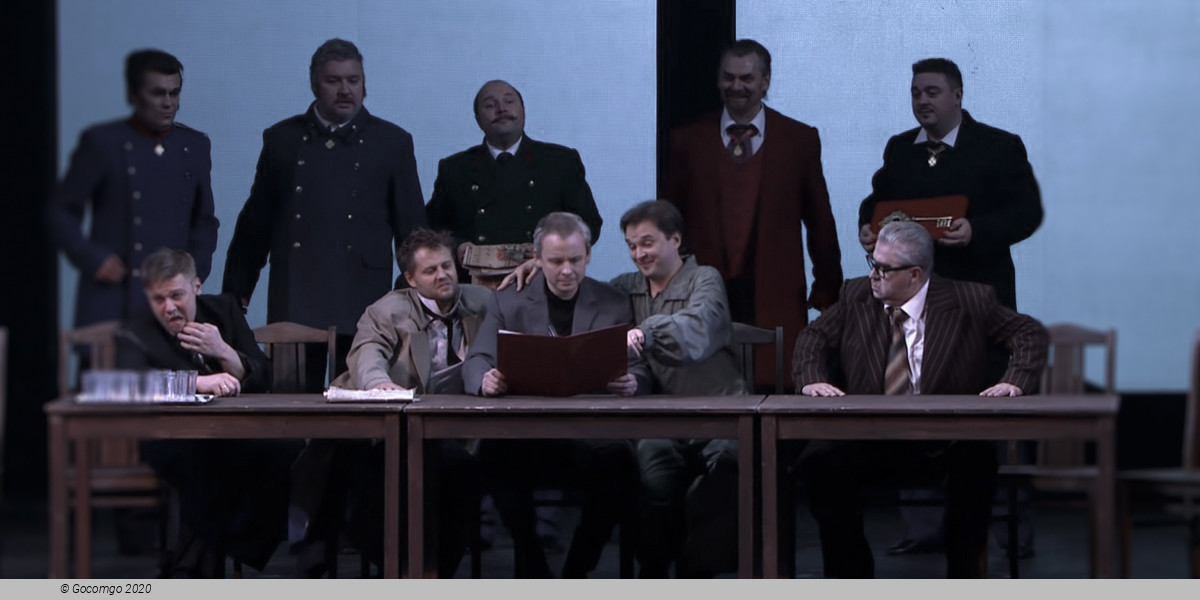
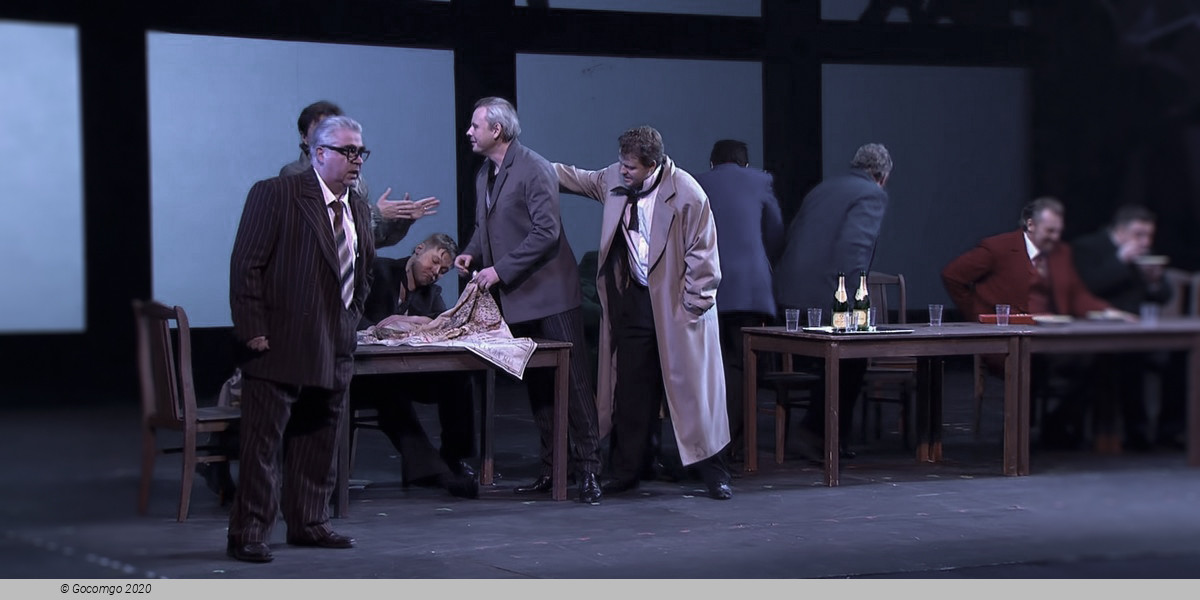
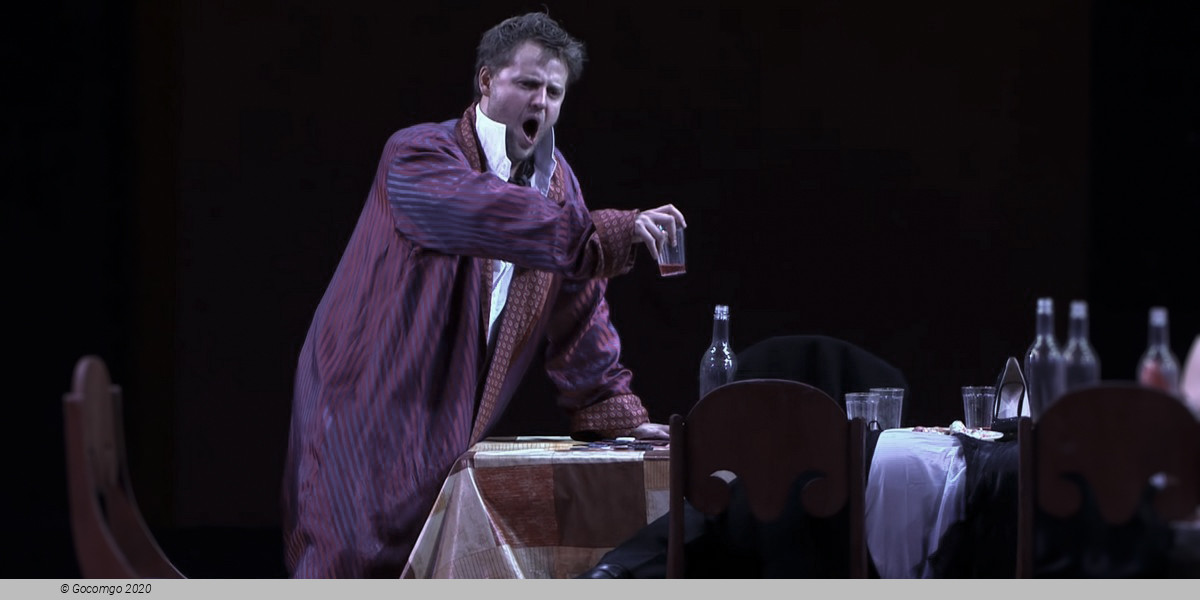
Being, it would seem, fleeting intermedia links, the “road” scenes in the opera carry the main burden of the drama and the meaning. These were first of all dispensed with by Zinovy Margolin, designer of the production, who conceived a key visual symbol for Dead Souls in 2011 – two immense and slowly-turning wheels. Stage director Vasily Barkhatov narrates the story of the luckless affair of Chichikov, not tying it down to any specific era: the audience will recognise realities of the age of serfdom and of Soviet and post-Soviet Russia. In 2012 the dynamic, vivid, witty and bitter production by Barkhatov and Margolin was nominated for the Golden Mask award in a whole seven categories, and in that of “Best work by a designer in musical theatre” it won Russia’s most prestigious theatre prize.

Khristina Batyushina

History
Premiere of this production: 30 November 1976, Bolshoi Theater, Moscow

"Dead Souls" - opera scenes by composer Rodion Shchedrin, written on the plot of the poem of the same name by Nikolai Gogol. The composer turned to Gogol's work commissioned by the Bolshoi Theater and worked on the work for about ten years, writing the libretto on his own. The premiere took place at the Bolshoi Theater in 1977 (the conductor was Y. Temirkanov, the director was B. Pokrovsky).

Venue Info

Bolshoi Theatre - Moscow
Location   Teatralnaya Square 1

The Bolshoi Theatre is one of the world’s most iconic cultural landmarks, renowned for its grandeur, history, and artistic excellence. Located in the heart of Moscow, this legendary theatre has been home to unforgettable performances of opera and ballet for over two centuries. Its majestic architecture, world-class acoustics, and rich tradition make every event at the Bolshoi a truly unforgettable experience.

On 28 March (17 according to the old style) 1776, Catherine II granted the prosecutor, Prince Pyotr Urusov, the "privilege" of "maintaining" theatre performances of all kinds, including masquerades, balls and other forms of entertainment, for a period of ten years. And it is from this date that Moscow’s Bolshoi Theatre traces its history.

The Bolshoi building, which for many years now has been regarded as one of Moscow’s main sights, was opened on 20 October 1856, on Tsar Alexander II’s coronation day.

On 29 October 2002 the Bolshoi was given a New Stage and it was here it presented its performances during the years the Main Stage was undergoing massive reconstruction and refurbishment.

The reconstruction project lasted from l July 2005 to 28 October 2011. As a result of this reconstruction, many lost features of the historic building were reinstated and, at the same time, it has joined the ranks of most technically equipped theatre buildings in the world.

The Bolshoi Theatre is a symbol of Russia for all time. It was awarded this honor due to the major contribution it made to the history of the Russian performing arts. This history is on-going and today Bolshoi Theatre artists continue to contribute to it many bright pages.

The Bolshoi Ballet and Bolshoi Opera are among the oldest and best known ballet and opera companies in the world. It is by far the world's biggest ballet company, with more than 200 dancers.

Important Info
Type: Opera
City: Moscow, Russia
Starts at: 19:00
Acts: 3
Intervals: 2
Duration: 3h 10min
Sung in: Russian
Titles in: Russian,English
Top of page