
Deutsche Oper Berlin 5 December 2019 - Death in Venice | GoComGo.com

Death in Venice

Deutsche Oper Berlin, Berlin, Germany
All photos (7)
Select date and time
7:30 PM
Request for Tickets
Important Info
Type: Opera
City: Berlin, Germany
Starts at: 19:30
Acts: 2
Intervals: 1
Duration: 3h
Sung in: English
Titles in: German,English

E-tickets: Print at home or at the box office of the event if so specified. You will find more information in your booking confirmation email.

You can only select the category, and not the exact seats.
If you order 2 or 3 tickets: your seats will be next to each other.
If you order 4 or more tickets: your seats will be next to each other, or, if this is not possible, we will provide a combination of groups of seats (at least in pairs, for example 2+2 or 2+3).

Overview

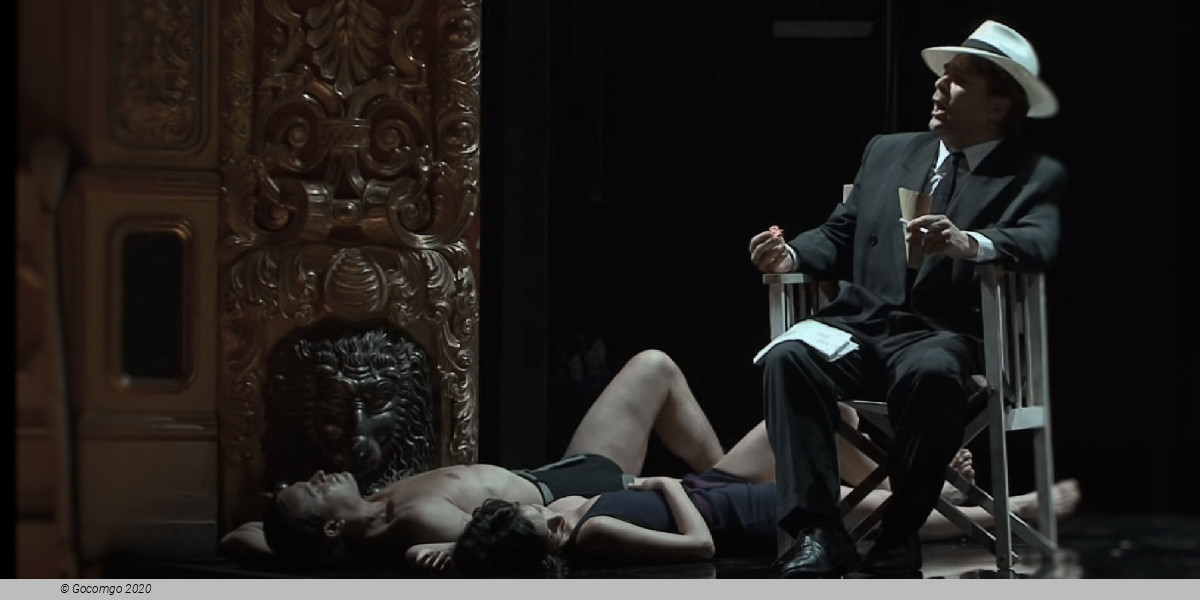
Benjamin Britten’s last opera was also his most personal. The work is extraordinary not simply for the autobiographical threads that are reflected in Thomas Mann’s ageing writer Gustav von Aschenbach; the circumstances surrounding the creation of the work are also inextricably linked to the themes explored. Looking to thwart what he saw as his impending death, Britten took refuge in composition, citing his need to finish the work as a pretext for putting off an urgent heart operation.

Britten expanded the musical theatre form into a panopticon of self-reflection that accumulates traditions and former experiences. The use of male sopranos – here for the role of Apollo – dates back to baroque opera but was a common feature of Britten’s early work, with parts being written for the great British countertenors Alfred Deller and James Bowman. The role of Gustav von Aschenbach was the largest created by Britten for his partner Peter Pears, with Aschenbach always at the heart of the proceedings. His casting of a bass to play Aschenbach’s various opponents, all threatening him with death and destruction, is rooted in the narrative tradition of Jacques Offenbach’s THE TALES OF HOFFMANN.

Following his staging of Verdi’s OTHELLO [1991], Wagner’s TRISTAN AND ISOLDE [2011] and a coproduction of MORNING AND EVENING [2016], this will be Graham Vick’s fourth production at the Deutsche Oper Berlin. Donald Runnicles continues his Britten cycle with DEATH IN VENICE, bringing the work back to the Deutsche Oper Berlin after an absence of 40 years. From 1958 onwards Benjamin Britten was an associate member of the Berlin Academy of Arts and from 1972 until his death in 1976 a corresponding member. The German premiere of DEATH IN VENICE took place at the Deutsche Oper Berlin in 1974.


History
Premiere of this production: 16 June 1973, Snape Maltings, near Aldeburgh, England

Death in Venice (Der Tod in Venedig) is an opera in two acts by Benjamin Britten, his last. The opera is based on the novella Death in Venice by Thomas Mann. Myfanwy Piper wrote the English libretto. The often acerbic and severe score is marked by some haunting soundscapes of "ambiguous Venice". The boy Tadzio is portrayed by a silent dancer, to gamelan-like percussion accompaniment. The music of the opera is precise, direct and movingly understated.

Synopsis

Place: Venice and Munich
Time: 1911

Act 1

Scene 1: Munich

Aschenbach, a famous German novelist, is weary and opens the opera bemoaning the fading of his artistic inspiration. As he walks through the suburbs of Munich, he stops before the entrance to a cemetery. He catches sight of a traveller ("from beyond the Alps by his looks") and, musing on the strange and exotic nature of foreign lands, is impulsively moved to travel south in the hope of refreshing his artistic imagination.

Scene 2: On the Boat to Venice

He takes a boat to Venice, sharing his passage with a group of libidinous youths and their leader, the Elderly Fop. Aschenbach's discovery that the fop is not young, but old and made-up ("How can they bear that counterfeit; that young-old horror. A wretched lot, a wretched boat") repulses him, and he arrives in Venice dispirited.

Overture: Venice

Scene 3: The Journey to the Lido

Aschenbach contemplates his arrival by gondola into the city ("What lies in wait for me here, Ambiguous Venice, Where water is married to stone, And passion confuses the senses?"). He intends to go to the Schiavone, but is taken towards the Lido by the Old Gondolier, who mutters that "Nobody shall bid me; I go where I choose; I go my own way". A brief argument as to their destination ensues, but the novelist soon capitulates and is taken to the Lido.

Scene 4: The First Evening at the Hotel

Aschenbach is greeted by the Hotel Manager, who shows him his room with ingratiating volubility. As the other guests assemble for dinner, Aschenbach watches them pass. His eye is taken by a young Polish boy, Tadzio, in whom he sees unnatural beauty ("Surely the soul of Greece; Lies in that bright perfection; ...Mortal child with more than mortal grace"). Aschenbach is aware of the fatuousness of his thoughts, but allows himself to indulge in his speculations.

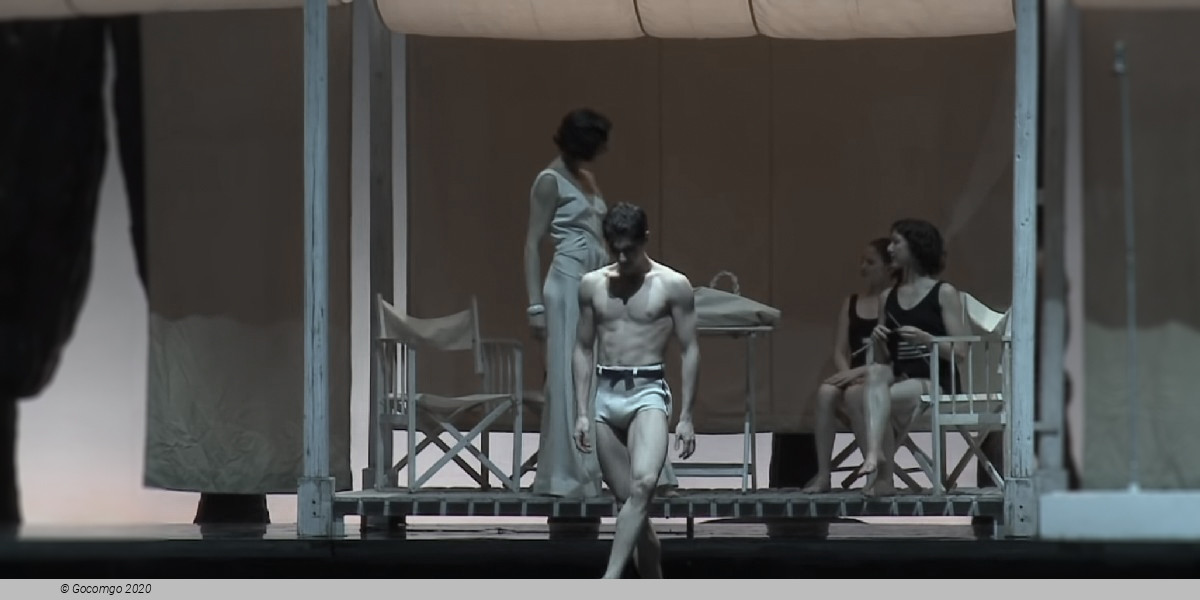
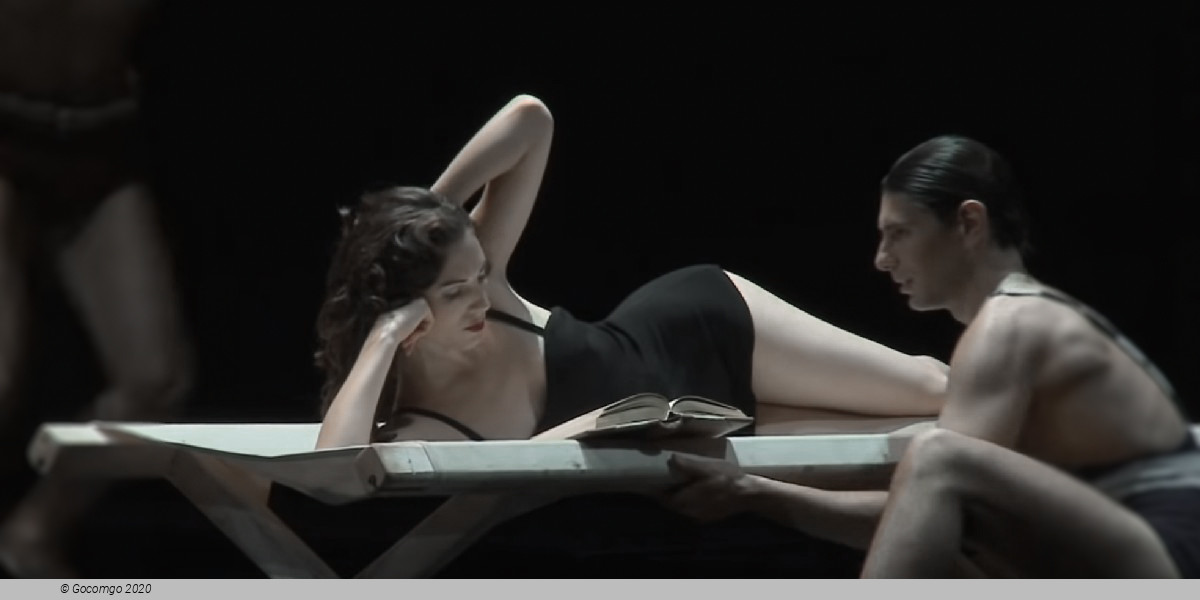
Scene 5: On the Beach

Reading on the beach, Aschenbach observes Tadzio playing on the sands. He obtains a wry satisfaction from the discovery that Tadzio has flaws: as a Pole, the boy hates the Russian guests ("He is human after all. There is a dark side even to perfection. I like that.").

Scene 6: The Foiled Departure

Walking the streets of Venice, Aschenbach is accosted at every turn by beggars, street sellers and others demanding his custom. Seeing rubbish on the streets and smelling the foul water of the canals, he feels nauseated and claustrophobic, and decides that he must leave Venice. Back at the hotel, the Manager expresses his regret over Aschenbach's departure. When Tadzio returns Aschenbach's glances, Aschenbach himself also feels regret. On arriving at the station, Aschenbach finds that his luggage has been sent on the wrong train ("I am furious because I am forced to return, but secretly I rejoice. Vacillating, irresolute, absurd"), and he realises upon seeing Tadzio again that the boy was the cause of his regret at leaving.

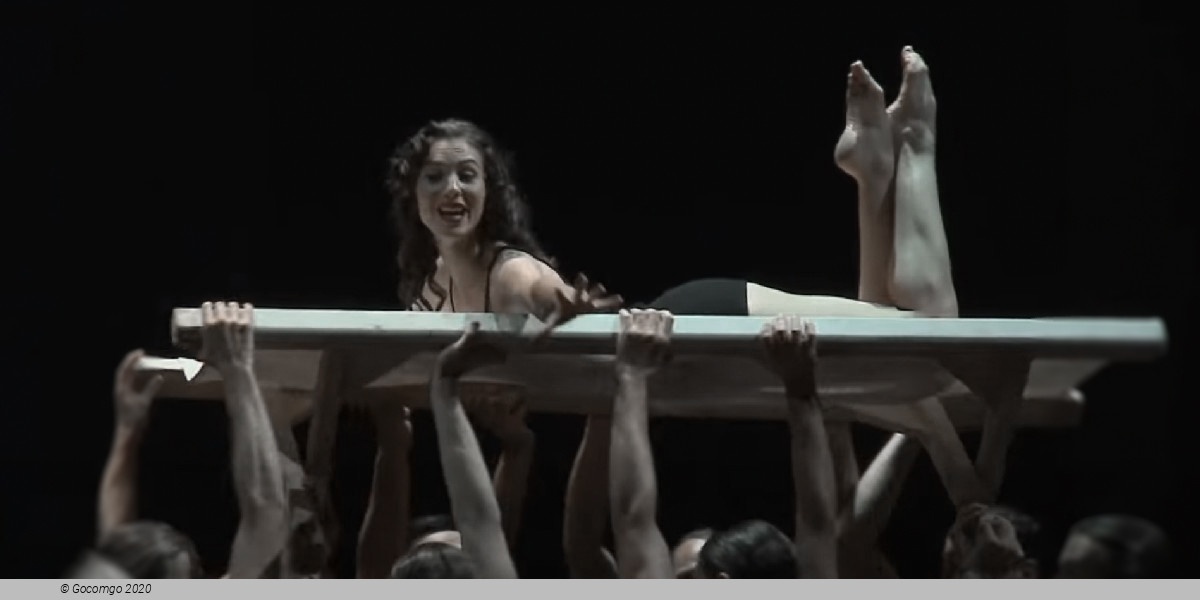
Scene 7: The Games of Apollo

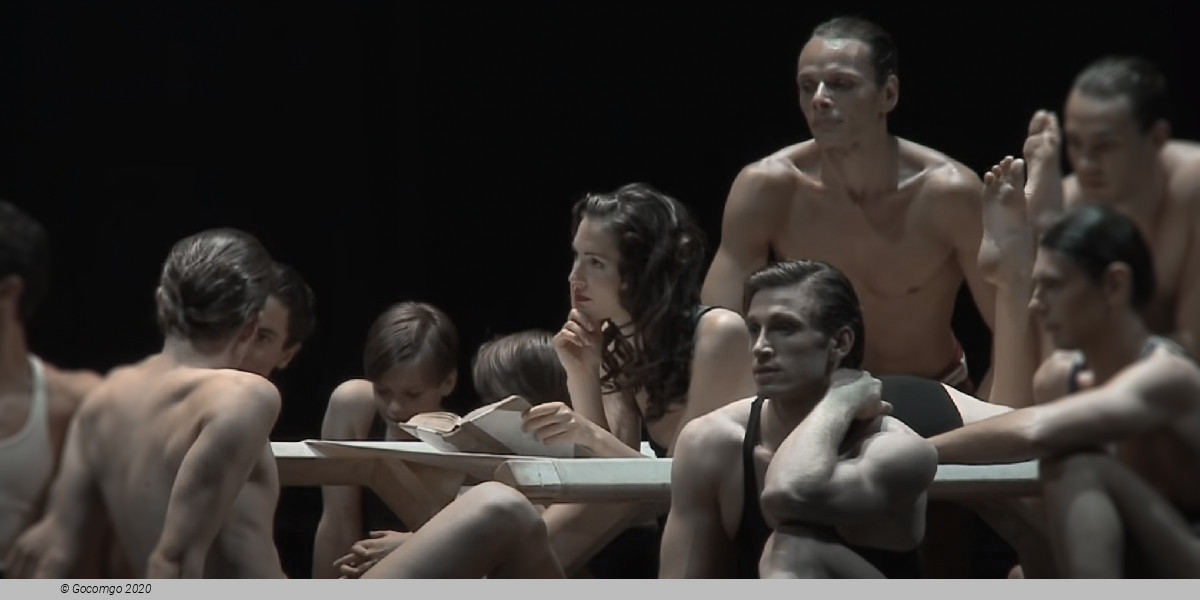
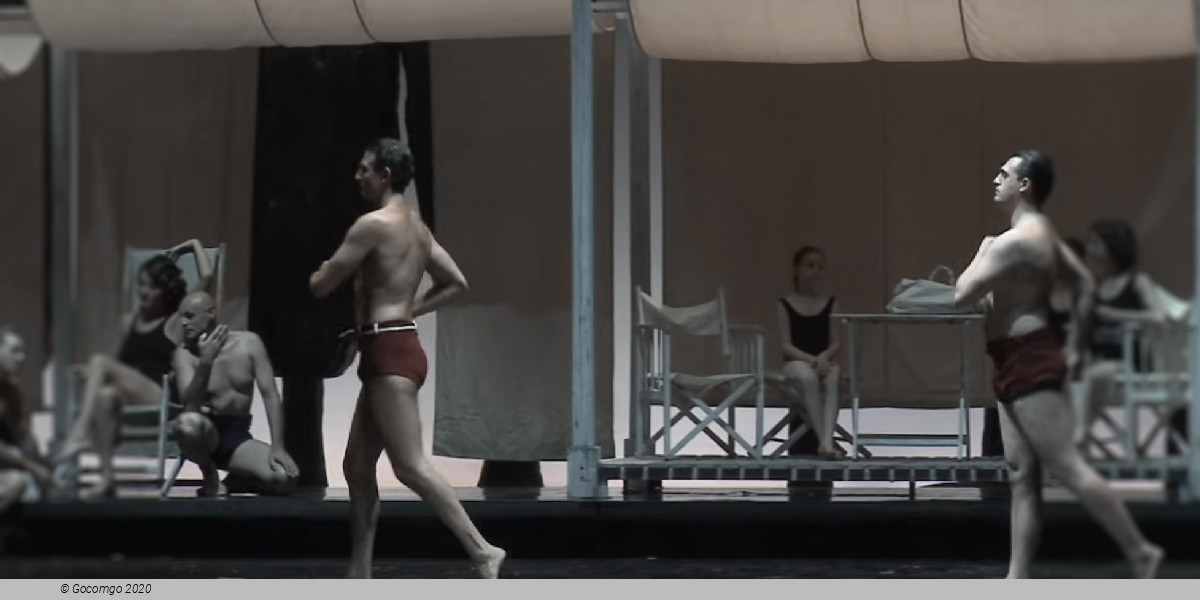
Aschenbach sits in his chair on the Lido beach, watching Tadzio and his friends play. Aschenbach's thoughts (voiced by the chorus) are of the gods Phaedra, Apollo and Hyacinthus, their actions mirroring those of Tadzio. The boys compete in a variety of sports: running, long jump, discus, javelin and wrestling. Tadzio wins conclusively, and Aschenbach is inspired artistically by the boy's beauty, as "...thought becomes feeling, feeling thought". Aschenbach determines to congratulate Tadzio on his victory, but when the opportunity arises, he cannot bring himself to speak. Almost choking on the words, Aschenbach realises the truth: "I – love you."

Act 2

Sitting with a book but distracted by his own thoughts, Aschenbach decides to accept his feeling for the boy as it is, ("ridiculous, but sacred too and no, not dishonourable, even in these circumstances.")

Scene 8: The Hotel Barber's Shop (i)

Aschenbach visits the Hotel Barber, who lets slip a mention of a sickness in Venice. Aschenbach questions urgently, but the barber denies that the sickness is of any importance.

Scene 9: The Pursuit

As Aschenbach crosses the waters to Venice, he detects the smell of disinfectant. On his arrival, he finds citizens reading public notices warning them to take precautions against infection. The citizens too deny that there is any cause for worry, but Aschenbach finds a graver warning in a German newspaper: "We doubt the good faith of the Venetian city fathers in their refusal to admit to the cases of cholera in the city. German citizens should return as soon as possible". The Polish family appears and Aschenbach determines that they must not find out about the cholera outbreak for fear that they will leave. Aschenbach follows the family to a café, where the mother notices him and moves herself in between Aschenbach and her son. The family moves onward to St Mark's, with Aschenbach still following at a distance. In due course, the family leaves and takes a gondola back to the hotel, with Aschenbach in pursuit and in a state of some excitement ("Tadzio, Eros, charmer, see I am past all fear, blind to danger, drunken, powerless, sunk in the bliss of madness").

Scene 10: The Strolling Players

On the hotel terrace after dinner, the guests assemble to watch the players. Aschenbach questions the Leader of the Players about the rumours of plague, but the actor dismisses his suggestions. Aschenbach notices that Tadzio, like himself, is not laughing at the skit, and wonders "Does your innocence keep you aloof, or do you look to me for guidance? Do you look to me?"

Scene 11: The Travel Bureau

A young English clerk is dealing with a crowd of hotel guests, all urgently trying to leave Venice. As the clerk closes the bureau, Aschenbach asks him about the plague and is told that the city is in the grip of Asiatic cholera. He advises Aschenbach to leave immediately before a blockade is imposed.

Scene 12: The Lady of the Pearls

Aschenbach decides to warn Tadzio's mother of the danger posed to them by the plague, but cannot bring himself to do it. He initially chastises himself for having failed to "make everything decent and above board", but then decides that he was right not to speak out, and idly wonders "What if all were dead, and only we two left alive?"

Scene 13: The Dream

Aschenbach dreams of the gods Apollo and Dionysus, who argue their respective viewpoints of reason and beauty verses chaos and ecstasy. Apollo is overwhelmed and leaves Dionysus to a wild dance. Aschenbach wakes and realises how little of his former intellectual rigour and detachment remains. He is resigned to the change: "Let the gods do what they will with me".

(The music for Apollo in this scene derives from the First Delphic Hymn, an early Greek melody Britten heard Arda Mandikian sing at the 1954 Aldeburgh Festival).

Scene 14: The Empty Beach

Aschenbach watches as Tadzio and his friends play a desultory game on the beach; they soon leave.

Scene 15: The Hotel Barber's Shop (ii)

Aschenbach declares "Do what you will with me!", and the barber works at beautifying him with make-up and hair dye, extolling the virtues of youthful appearance the while.

Scene 16: The Last Visit to Venice

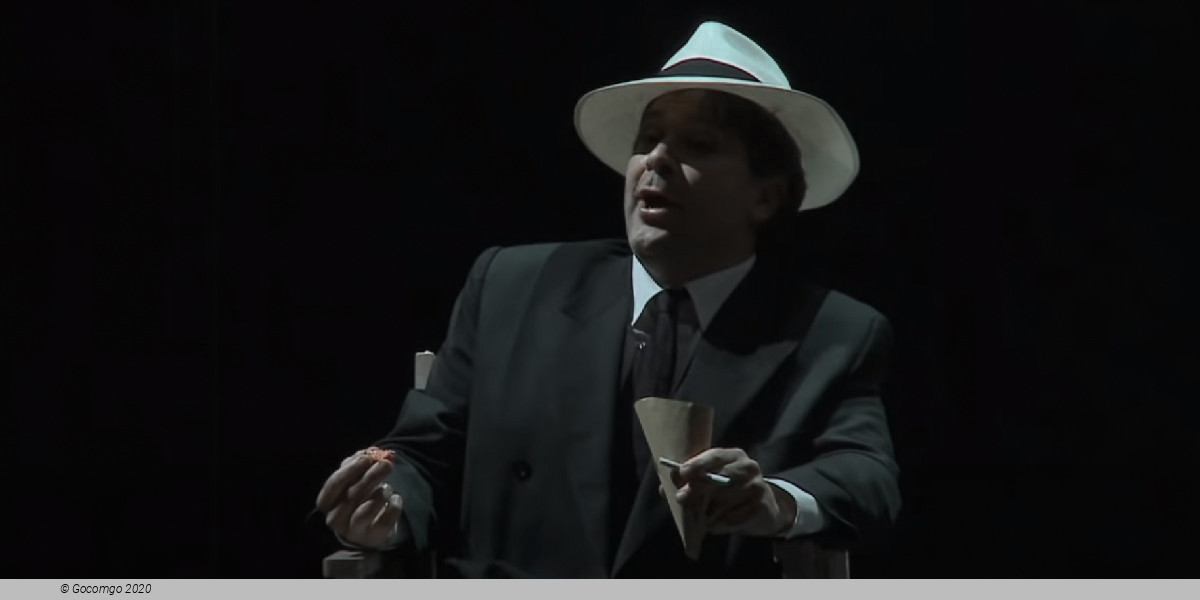
Aschenbach boards a gondola for Venice and sings of its beauty. He realises and mocks his own resemblance to the Elderly Fop. Upon seeing the Polish family ahead of him, Aschenbach follows distractedly. Tadzio detaches himself from the family and waits for Aschenbach, who turns away when the boy looks directly at him. Aschenbach is pleased to notice that Tadzio does not betray his follower's presence to his mother. Alone again, Aschenbach buys strawberries from a street seller, but finds them musty and over-ripe. He sits down, tired and ill, and bitterly mocks himself ("Self-discipline your strength... All folly, all pretence"). He recites a paraphrase of Plato's dialogue between the old philosopher Socrates and the boy Phaedrus, speaking the parts of both man and boy. The subject of the dialogue is the paradoxical, dangerous relationship between the artist and his subject.

Scene 17: The Departure

The Hotel Manager and a porter are organising the departure of the last guests, the Polish family among them. Aschenbach inquires as to their time of departure, then leaves to sit on the deserted beach where Tadzio and another boy, Jaschiu, are playing. The game becomes rougher and Jaschiu dominates, pushing Tadzio's face into the sand. In an attempt to assist, Aschenbach tries to get up but is too weak. Jaschiu and the other children run away, leaving Tadzio on the beach alone with Aschenbach. Tadzio beckons the author, but he slumps in his chair. Tadzio continues walking far out to sea.

Venue Info

Deutsche Oper Berlin - Berlin
Location   Bismarckstraße 35

Venue's Capacity: 1698

The Deutsche Oper Berlin is an opera company located in the Charlottenburg district of Berlin, Germany. The resident building is the country's second-largest opera house and also home to the Berlin State Ballet. Since 2004 the Deutsche Oper Berlin, like the Staatsoper Unter den Linden (Berlin State Opera), the Komische Oper Berlin, the Berlin State Ballet, and the Bühnenservice Berlin (Stage and Costume Design), has been a member of the Berlin Opera Foundation.

The company's history goes back to the Deutsches Opernhaus built by the then independent city of Charlottenburg—the "richest town of Prussia"—according to plans designed by Heinrich Seeling from 1911. It opened on November 7, 1912 with a performance of Beethoven's Fidelio, conducted by Ignatz Waghalter. In 1925, after the incorporation of Charlottenburg by the 1920 Greater Berlin Act, the name of the resident building was changed to Städtische Oper (Municipal Opera).

With the Nazi seizure of power in 1933, the opera was under control of the Reich Ministry of Public Enlightenment and Propaganda. Minister Joseph Goebbels had the name changed back to Deutsches Opernhaus, competing with the Berlin State Opera in Mitte controlled by his rival, the Prussian minister-president Hermann Göring. In 1935, the building was remodeled by Paul Baumgarten and the seating reduced from 2300 to 2098. Carl Ebert, the pre-World War II general manager, chose to emigrate from Germany rather than endorse the Nazi view of music, and went on to co-found the Glyndebourne opera festival in England. He was replaced by Max von Schillings, who acceded to enact works of "unalloyed German character". Several artists, like the conductor Fritz Stiedry and the singer Alexander Kipnis, followed Ebert into emigration. The opera house was destroyed by a RAF air raid on 23 November 1943. Performances continued at the Admiralspalast in Mitte until 1945. Ebert returned as general manager after the war.

After the war, in what was now West Berlin, the company, again called Städtische Oper, used the nearby Theater des Westens; its opening production was Fidelio, on 4 September 1945. Its home was finally rebuilt in 1961 but to a much-changed, sober design by Fritz Bornemann. The opening production of the newly named Deutsche Oper, on 24 September, was Mozart's Don Giovanni.

Past Generalmusikdirektoren (GMD, general music directors) have included Bruno Walter, Kurt Adler, Ferenc Fricsay, Lorin Maazel, Gerd Albrecht, Jesús López-Cobos, and Christian Thielemann. In October 2005, the Italian conductor Renato Palumbo was appointed GMD as of the 2006/2007 season. In October 2007, the Deutsche Oper announced the appointment of Donald Runnicles as their next Generalmusikdirektor, effective August 2009, for an initial contract of five years. Simultaneously, Palumbo and the Deutsche Oper mutually agreed to terminate his contract, effective November 2007.

On the evening of 2 June 1967, Benno Ohnesorg, a student taking part in the German student movement, was shot in the streets around the opera house. He had been protesting against the visit to Germany by the Shah of Iran, who was attending a performance of Mozart's The Magic Flute.

In 1986 the American Berlin Opera Foundation was founded.

In April 2001, the Italian conductor Giuseppe Sinopoli died at the podium while conducting Verdi's Aida, at age 54.

In September 2006, the Deutsche Oper's Intendantin (general manager) Kirsten Harms drew criticism after she cancelled the production of Mozart's opera Idomeneo by Hans Neuenfels, because of fears that a scene in it featuring the severed heads of Jesus, Buddha and Muhammad would offend Muslims, and that the opera house's security might come under threat if violent protests took place. Critics of the decision include German Ministers and the German Chancellor Angela Merkel. The reaction from Muslims has been mixed — the leader of Germany's Islamic Council welcomed the decision, whilst a leader of Germany's Turkish community, criticising the decision, said:

This is about art, not about politics ... We should not make art dependent on religion — then we are back in the Middle Ages.

At the end of October 2006, the opera house announced that performances of Mozart's opera Idomeneo would then proceed. Kirsten Harms, after announcing in 2009 that she would not renew her contract beyond 2011, was bid farewell in July of that year.

Important Info
Type: Opera
City: Berlin, Germany
Starts at: 19:30
Acts: 2
Intervals: 1
Duration: 3h
Sung in: English
Titles in: German,English
Top of page