
Deutsche Oper Berlin 26 May 2023 - Francesca da Rimini | GoComGo.com

Francesca da Rimini

Deutsche Oper Berlin, Main Stage, Berlin, Germany
All photos (9)
Select date and time
7:30 PM

E-tickets: Print at home or at the box office of the event if so specified. You will find more information in your booking confirmation email.

You can only select the category, and not the exact seats.
If you order 2 or 3 tickets: your seats will be next to each other.
If you order 4 or more tickets: your seats will be next to each other, or, if this is not possible, we will provide a combination of groups of seats (at least in pairs, for example 2+2 or 2+3).

Important Info
Type: Opera
City: Berlin, Germany
Starts at: 19:30
Acts: 4
Intervals: 1
Duration: 2h 45min
Sung in: Italian
Titles in: German,English

E-tickets: Print at home or at the box office of the event if so specified. You will find more information in your booking confirmation email.

You can only select the category, and not the exact seats.
If you order 2 or 3 tickets: your seats will be next to each other.
If you order 4 or more tickets: your seats will be next to each other, or, if this is not possible, we will provide a combination of groups of seats (at least in pairs, for example 2+2 or 2+3).

Overview

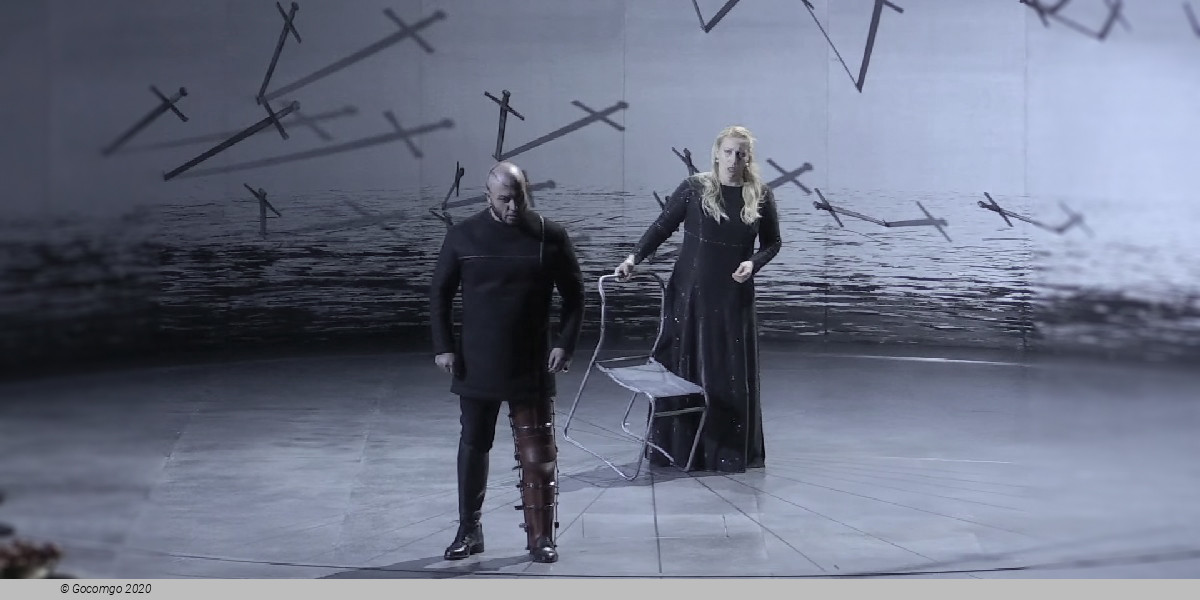
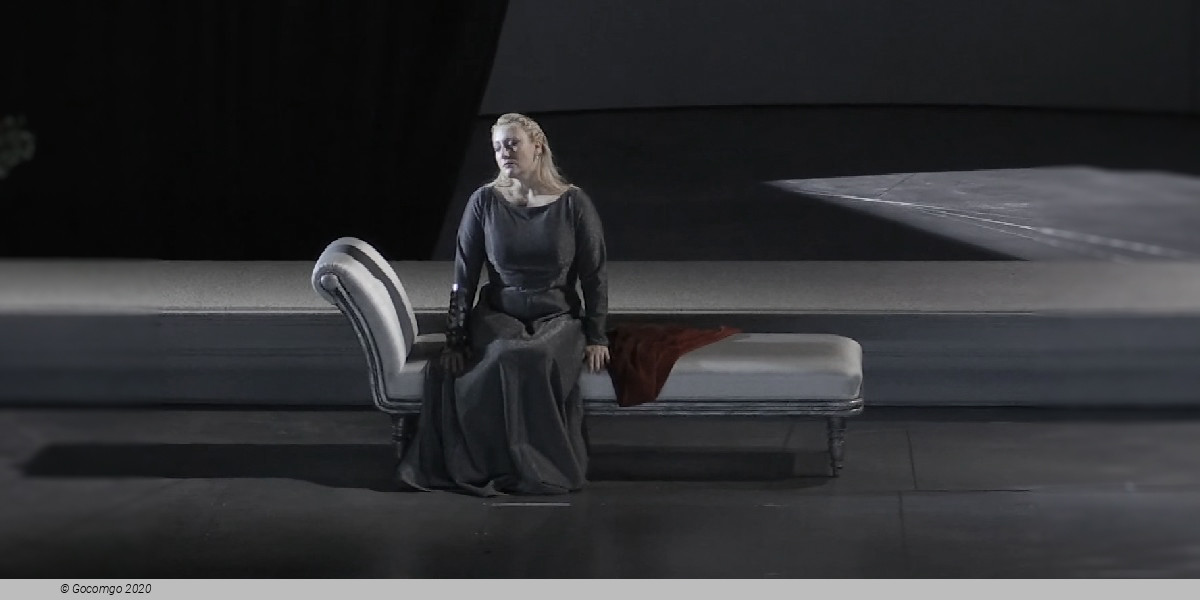
Christof Loy and Sara Jakubiak are now teaming up again for Riccardo Zandonai’s FRANCESCA DA RIMINI, another work revolving around a psychological study of a strong, non-conformist woman rejecting the strictures of a moralising society.

In 2018 Christof Loy collaborated with Marc Albrecht (conducting) and Sara Jakubiak (in the title role) to stage Erich Wolfgang Korngold’s THE MIRACLE OF HELIANE on the stage of the Deutsche Oper Berlin. The production picked up two awards: “Rediscovery of the Year, 2018” as voted by Opernwelt magazine, and an OPUS KLASSIK prize as “Best Live Recording of 20th/21st-Century Opera” awarded for the DVD released under the NAXOS label.

Riccardo Zandonai (*1883) studied under Mascagni and in 1910 was a rising star in the firmament of Italian opera. Tito Ricordi, his publisher, was mapping out a career for him that mirrored the one his father Giulio Ricordi planned for the young Puccini. To achieve his goal Ricordi spared no expense or effort, paying an astronomical price for the rights to a scandalous contemporary play as the basis for Zandonai’s new opera: Gabriele D’Annunzio’s five-act drama “Francesca da Rimini”, which premiered in Rome in 1901 with Eleonora Duse in the title role. Gabriele D’Annunzio in turn had based his “Francesca da Rimini” on a fragment from Dante’s “Divine Comedy”, a big theme in 19th-century works of the Romantic period. The storyline featured brutal passions, blood-drenched, civil-war scenes, an adulterous couple caught in the act and their self-destructive love affair culminating in double murder motivated by jealousy. Audiences and critics may have been divided, but D’Annunzio’s fin-de-siècle-esque “Poem of blood and lust” created waves in the artistic community of the day.

The 31-year-old Riccardo Zandonai saw the play as his springboard to a full-scale opera florid in colour and with a musical language that fused a raft of different styles and periods. And so it was that Zandonai ploughed his own furrow in European musical theatre, swerving between echoes of Renaissance madrigals, the hard edge of verismo, Wagner’s TRISTAN AND ISOLDE as his guiding exemplar, and the French Impressionism of a Debussy.

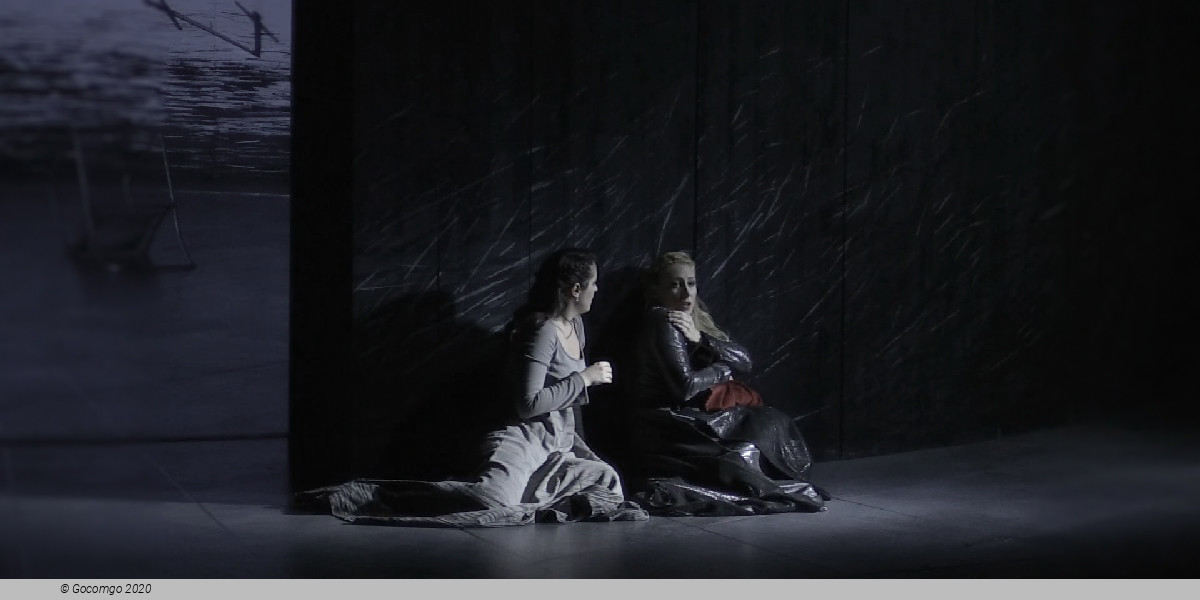
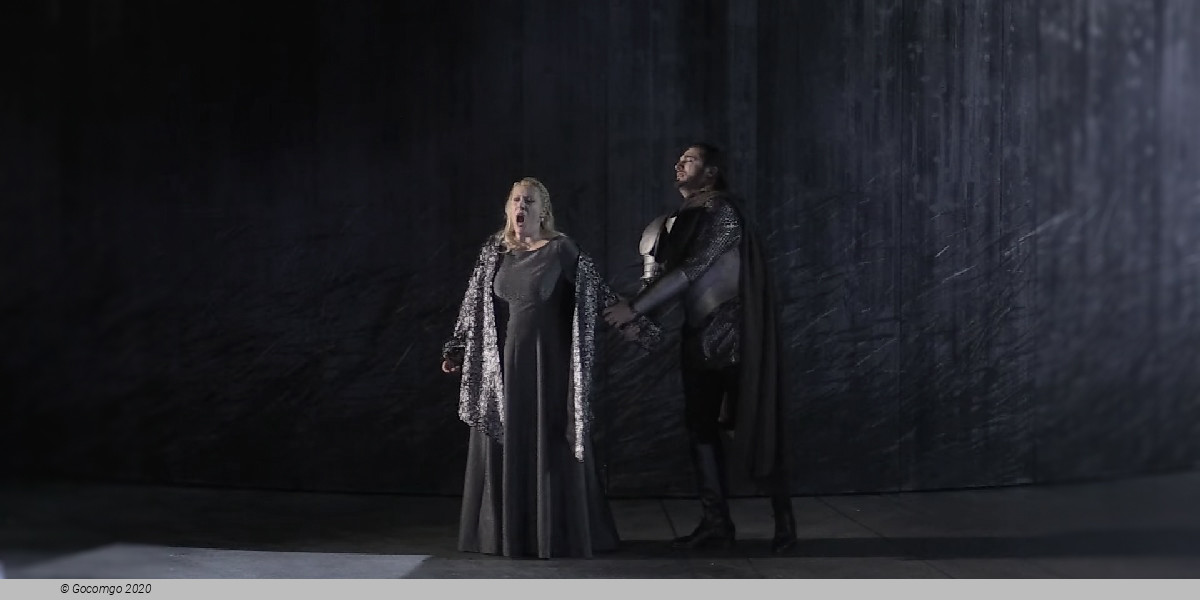
The opera centres on three brothers, all of whom fall for the same woman. Francesca, a member of the Polenta family of Ravenna, is set to be married into the Malatesta dynasty in Rimini. However, her groom-to-be, Giovanni, is old and unattractive and can’t bring himself to court the damsel in person, so he sends his handsome brother Paolo as a front for his advances. Francesca unwittingly falls in love with Paolo and signs the nuptial agreement. Living in matrimony with her unwanted husband in the Malatesta household, she plunges into a fiery affair with Paolo, a helter-skelter of adoration and strife in equal measure. Francesca is presented at once as victim and as perpetrator, as lover with a death wish and powerful seductress, who also succumbs to the machinations of the third, sadistic brother in the family. The full potential of the opera’s female character consists in her complex and contradictory personality, which swings between devotion and destructive forces. Francesca is on a constant quest for inner peace.

History
Premiere of this production: 19 February 1914, Teatro Regio, Turin

Francesca da Rimini is an opera in four acts, composed by Riccardo Zandonai, with a libretto by Tito Ricordi, after the play Francesca da Rimini by Gabriele D'Annunzio. It was premiered at the Teatro Regio in Turin on 19 February 1914 and is still staged occasionally. This opera is Zandonai's best-known work.

Synopsis

The story takes place in Ravenna and Rimini.

Francesca, daughter of Guido I da Polenta, for state reasons, is to be married to Giovanni, known as Gianciotto, the malformed son of Malatesta da Verucchio. But as Francesca would certainly refuse to marry the lame and deformed Gianciotto, she is introduced in the first act, by means of a well-laid plot, to his handsome younger brother, Paolo, known as Il bello. Under the impression that Paolo is her destined bridegroom, Francesca falls deeply in love with him at first sight; he also falls passionately in love with her, although they do not exchange a single word.

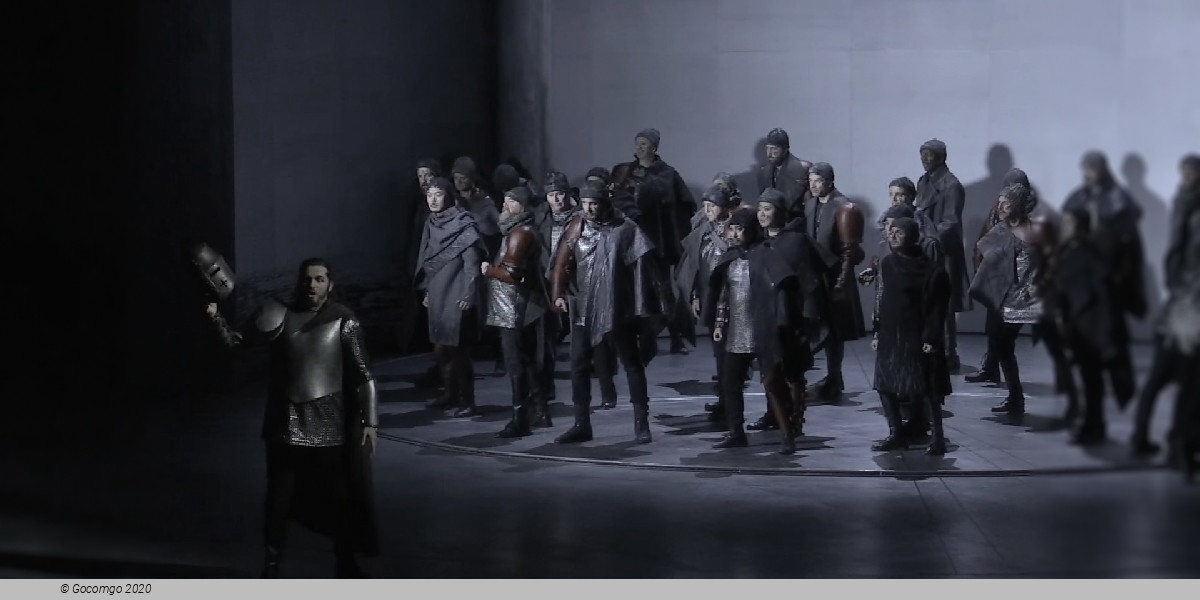
The next act takes place on the platform of a tower of the Malatesti, while a battle rages between the Guelphs and Ghibellines. Francesca, now married to Gianciotto, meets Paolo and reproaches him for the fraud practised on her. He begs forgiveness and reveals his intense passion for her. Gianciotto brings the news of Paolo's election as Captain of the People and Commune of Florence. Paolo departs for Florence.

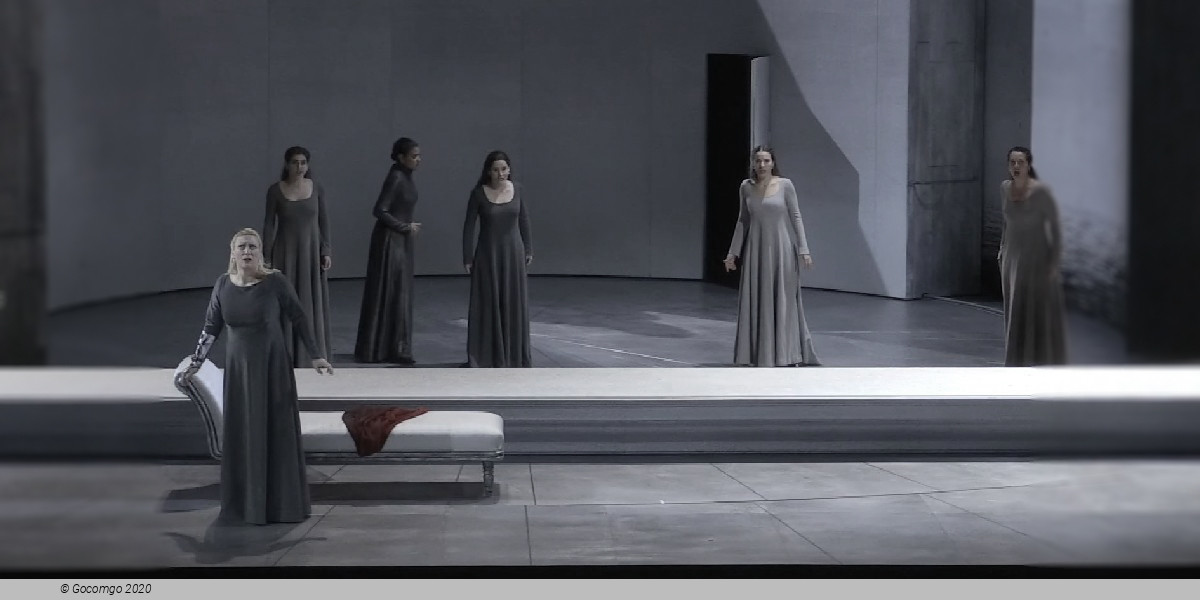
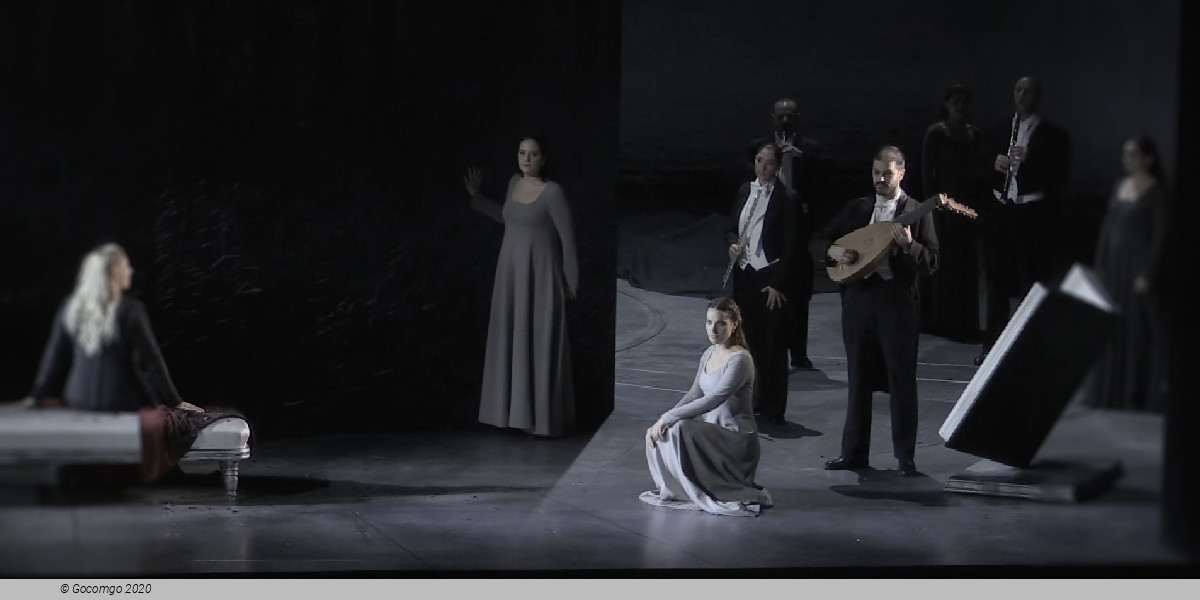
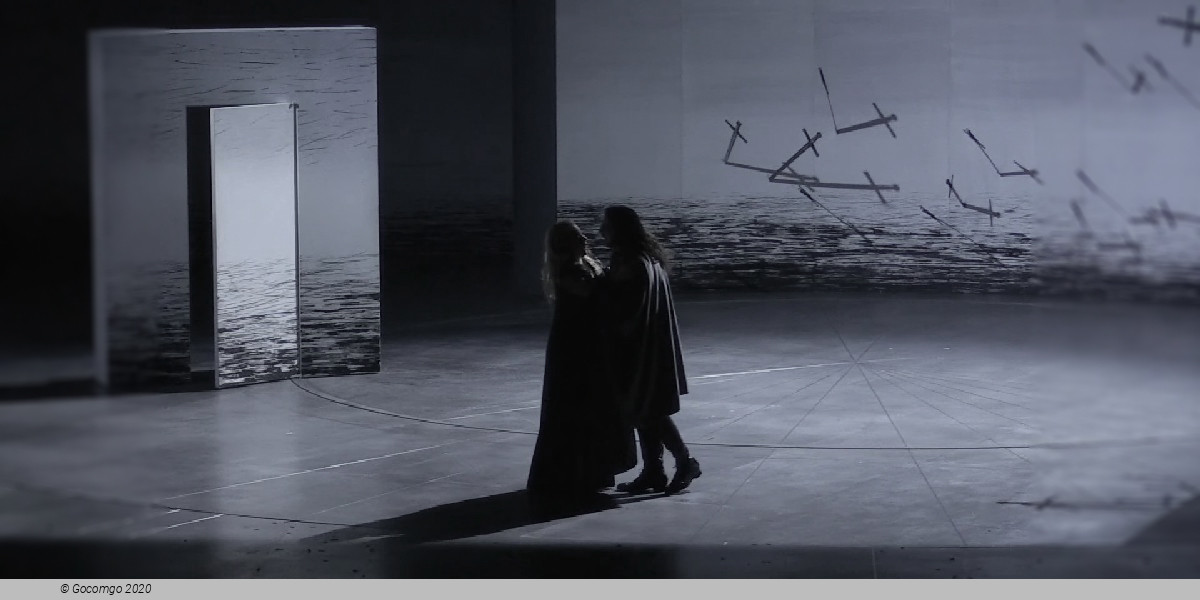
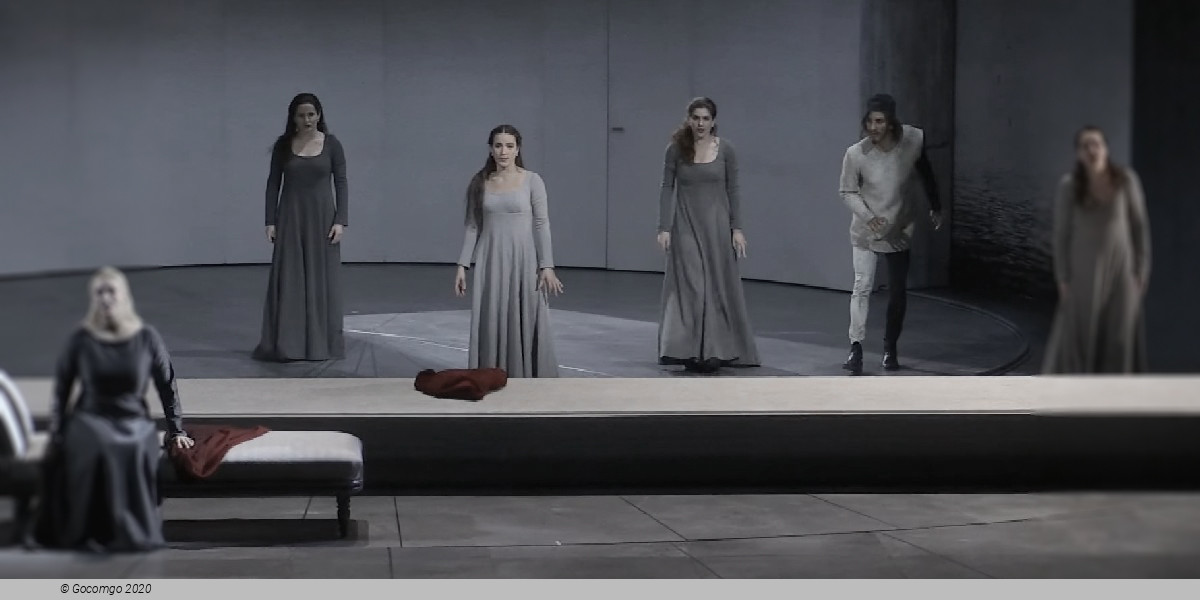
In the third act Francesca, in her luxurious apartment, is reading the story of Lancelot and Guinevere to her women. They then dance and sing in celebration of the advent of Spring, until, on a whispered word from her slave, Francesca dismisses them. Paolo, sick with longing for her, has returned from Florence. He enters; they continue reading the story of Guinevere together, until, no longer in control of their feelings, they let their lips meet in a long kiss.

In the fourth act, Malatestino, Gianciotto's youngest brother, who himself lusts for Francesca, has discovered her secret meetings with Paolo. After Francesca refuses to give in to his sexual advances, Malatestino betrays Francesca and Paolo to Gianciotto, who determines to find out the truth for himself. Accordingly, Gianciotto lies in wait outside Francesca's door, and surprising her and Paolo together at early dawn, he slays them both.

Venue Info

Deutsche Oper Berlin - Berlin
Location   Bismarckstraße 35

Venue's Capacity: 1698

The Deutsche Oper Berlin is an opera company located in the Charlottenburg district of Berlin, Germany. The resident building is the country's second-largest opera house and also home to the Berlin State Ballet. Since 2004 the Deutsche Oper Berlin, like the Staatsoper Unter den Linden (Berlin State Opera), the Komische Oper Berlin, the Berlin State Ballet, and the Bühnenservice Berlin (Stage and Costume Design), has been a member of the Berlin Opera Foundation.

The company's history goes back to the Deutsches Opernhaus built by the then independent city of Charlottenburg—the "richest town of Prussia"—according to plans designed by Heinrich Seeling from 1911. It opened on November 7, 1912 with a performance of Beethoven's Fidelio, conducted by Ignatz Waghalter. In 1925, after the incorporation of Charlottenburg by the 1920 Greater Berlin Act, the name of the resident building was changed to Städtische Oper (Municipal Opera).

With the Nazi seizure of power in 1933, the opera was under control of the Reich Ministry of Public Enlightenment and Propaganda. Minister Joseph Goebbels had the name changed back to Deutsches Opernhaus, competing with the Berlin State Opera in Mitte controlled by his rival, the Prussian minister-president Hermann Göring. In 1935, the building was remodeled by Paul Baumgarten and the seating reduced from 2300 to 2098. Carl Ebert, the pre-World War II general manager, chose to emigrate from Germany rather than endorse the Nazi view of music, and went on to co-found the Glyndebourne opera festival in England. He was replaced by Max von Schillings, who acceded to enact works of "unalloyed German character". Several artists, like the conductor Fritz Stiedry and the singer Alexander Kipnis, followed Ebert into emigration. The opera house was destroyed by a RAF air raid on 23 November 1943. Performances continued at the Admiralspalast in Mitte until 1945. Ebert returned as general manager after the war.

After the war, in what was now West Berlin, the company, again called Städtische Oper, used the nearby Theater des Westens; its opening production was Fidelio, on 4 September 1945. Its home was finally rebuilt in 1961 but to a much-changed, sober design by Fritz Bornemann. The opening production of the newly named Deutsche Oper, on 24 September, was Mozart's Don Giovanni.

Past Generalmusikdirektoren (GMD, general music directors) have included Bruno Walter, Kurt Adler, Ferenc Fricsay, Lorin Maazel, Gerd Albrecht, Jesús López-Cobos, and Christian Thielemann. In October 2005, the Italian conductor Renato Palumbo was appointed GMD as of the 2006/2007 season. In October 2007, the Deutsche Oper announced the appointment of Donald Runnicles as their next Generalmusikdirektor, effective August 2009, for an initial contract of five years. Simultaneously, Palumbo and the Deutsche Oper mutually agreed to terminate his contract, effective November 2007.

On the evening of 2 June 1967, Benno Ohnesorg, a student taking part in the German student movement, was shot in the streets around the opera house. He had been protesting against the visit to Germany by the Shah of Iran, who was attending a performance of Mozart's The Magic Flute.

In 1986 the American Berlin Opera Foundation was founded.

In April 2001, the Italian conductor Giuseppe Sinopoli died at the podium while conducting Verdi's Aida, at age 54.

In September 2006, the Deutsche Oper's Intendantin (general manager) Kirsten Harms drew criticism after she cancelled the production of Mozart's opera Idomeneo by Hans Neuenfels, because of fears that a scene in it featuring the severed heads of Jesus, Buddha and Muhammad would offend Muslims, and that the opera house's security might come under threat if violent protests took place. Critics of the decision include German Ministers and the German Chancellor Angela Merkel. The reaction from Muslims has been mixed — the leader of Germany's Islamic Council welcomed the decision, whilst a leader of Germany's Turkish community, criticising the decision, said:

This is about art, not about politics ... We should not make art dependent on religion — then we are back in the Middle Ages.

At the end of October 2006, the opera house announced that performances of Mozart's opera Idomeneo would then proceed. Kirsten Harms, after announcing in 2009 that she would not renew her contract beyond 2011, was bid farewell in July of that year.

Important Info
Type: Opera
City: Berlin, Germany
Starts at: 19:30
Acts: 4
Intervals: 1
Duration: 2h 45min
Sung in: Italian
Titles in: German,English
Top of page