


Deutsche Oper Berlin tickets 25 April 2026 - Premiere Giulio Cesare in Egitto | GoComGo.com

Premiere
Giulio Cesare in Egitto

Deutsche Oper Berlin, Main Stage, Berlin, Germany
All photos (5)
Select date and time
6 PM
From
US$ 128

E-tickets: Print at home or at the box office of the event if so specified. You will find more information in your booking confirmation email.

You can only select the category, and not the exact seats.
If you order 2 or 3 tickets: your seats will be next to each other.
If you order 4 or more tickets: your seats will be next to each other, or, if this is not possible, we will provide a combination of groups of seats (at least in pairs, for example 2+2 or 2+3).

Important Info
Type: Opera
City: Berlin, Germany
Starts at: 18:00
Acts: 3
Intervals: 2
Duration: 4h 30min
Sung in: Italian
Titles in: German,English

E-tickets: Print at home or at the box office of the event if so specified. You will find more information in your booking confirmation email.

You can only select the category, and not the exact seats.
If you order 2 or 3 tickets: your seats will be next to each other.
If you order 4 or more tickets: your seats will be next to each other, or, if this is not possible, we will provide a combination of groups of seats (at least in pairs, for example 2+2 or 2+3).

Cast
Performers
Mezzo-Soprano: Clémentine Margaine (Cornelia)
Mezzo-Soprano: Vasilisa Berzhanskaya (Giulio Cesare)
Conductor: Stefano Montanari
Chorus: Chorus of the Deutsche Oper Berlin
Soprano: Elena Tsallagova (Cleopatra)
Mezzo-Soprano: Martina Baroni (Sesto)
Ballet company: Opera Ballet of the Deutsche Oper Berlin
Orchestra: Orchestra of the Deutsche Oper Berlin
Creators
Composer: Antonio Sartorio
Composer: George Frideric Handel
Director: David McVicar
Librettist: Giacomo Francesco Bussani
Librettist: Nicola Francesco Haym
Overview

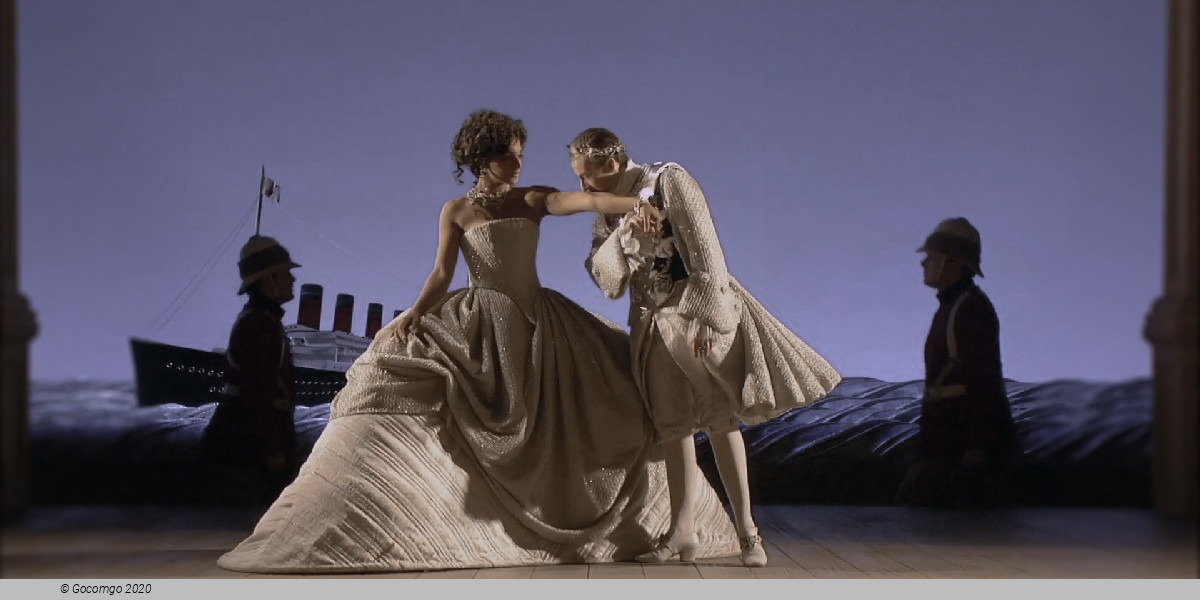
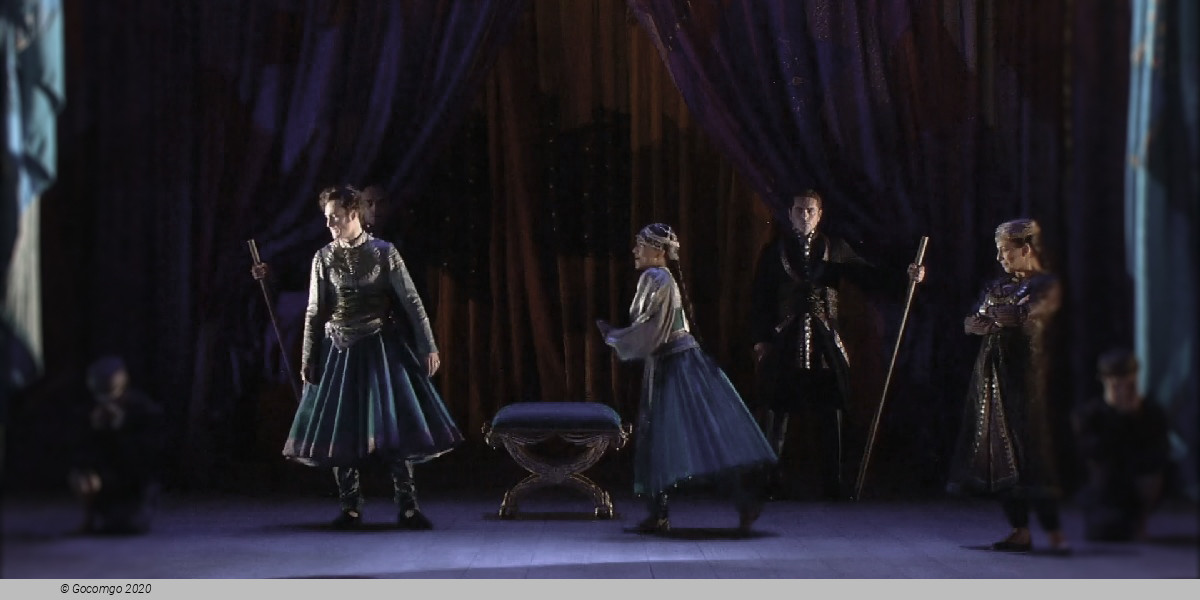
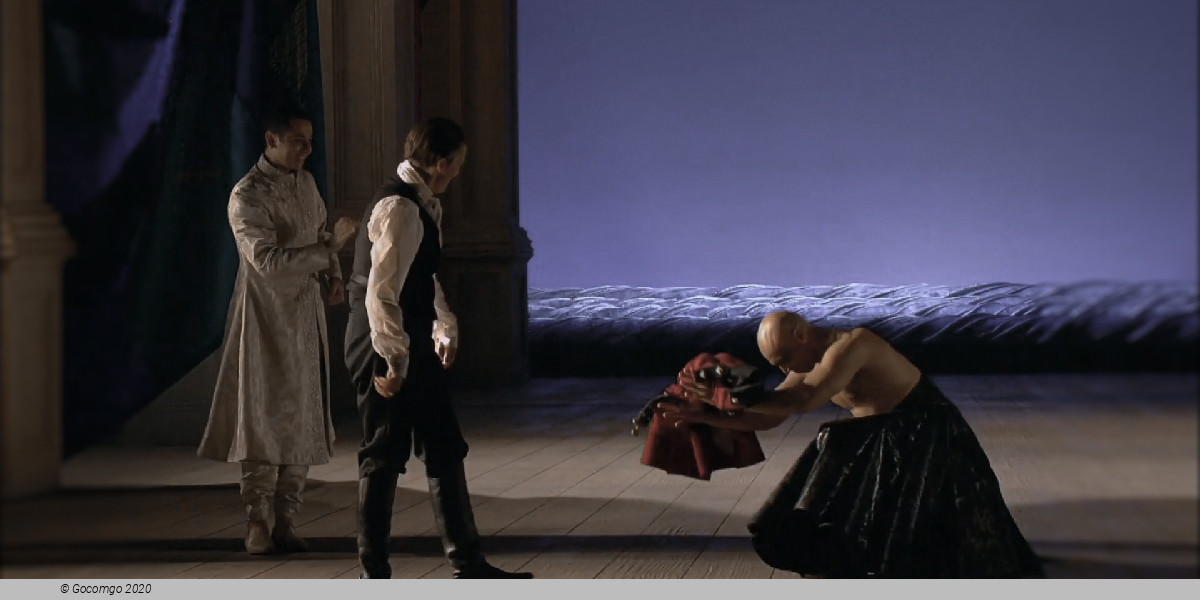
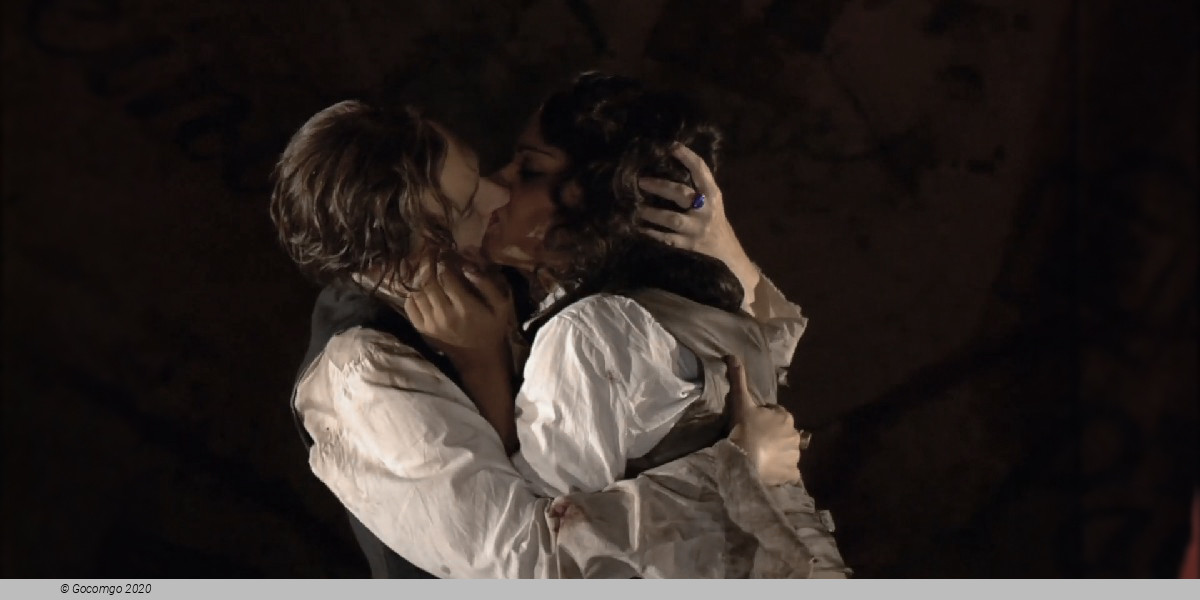
The Deutsche Oper Berlin presents GIULIO CESARE IN EGITTO in the acclaimed production by Scottish director David McVicar, which was developed at the Glyndebourne Festival Opera House and also performed at the New York Metropolitan Opera. McVicar employs baroque-style soffit curtains to create a variety of backdrops for the acting out of sentiments ranging from tragedy to Cleopatra’s humour and charm as she goes to work on the visiting strong man from Rome.

Moral outrage one moment, coquettish expediency the next. The intrigues of the powerful interwoven with the desperation of hapless refugees. When it comes to the gamut of human emotion and modes of behaviour, few operas of the baroque period can touch Handel’s GIULIO CESARE IN EGITTO, which premiered in London in 1724. This tale of the love affair between the ageing Roman general Julius Caesar and the young pharaoh Cleopatra was one of Handel’s greatest triumphs within his lifetime and remains his most performed opera. That is not just down to the base material – one of the best-known historically attested love stories, which has been given treatments ranging from Shakespeare to Liz Taylor and Richard Burton and “Asterix und Cleopatra” – but also to a sophisticated libretto that provided the inspiration for a string of great arias and memorable character studies, for aside from the Roman-Egyptian pairing of Caesar and Cleopatra GIULIO CESARE IN EGITTO features another pair who are busy not with flirting but with the serious business of staying alive: Cornelia, the widow of Pompeius, a murdered rival of Caesar, and her son Sesto. Both have sought refuge in Egypt but have become pawns in the scheming between Cleopatra and her brother Tolomeo.

Spotlight
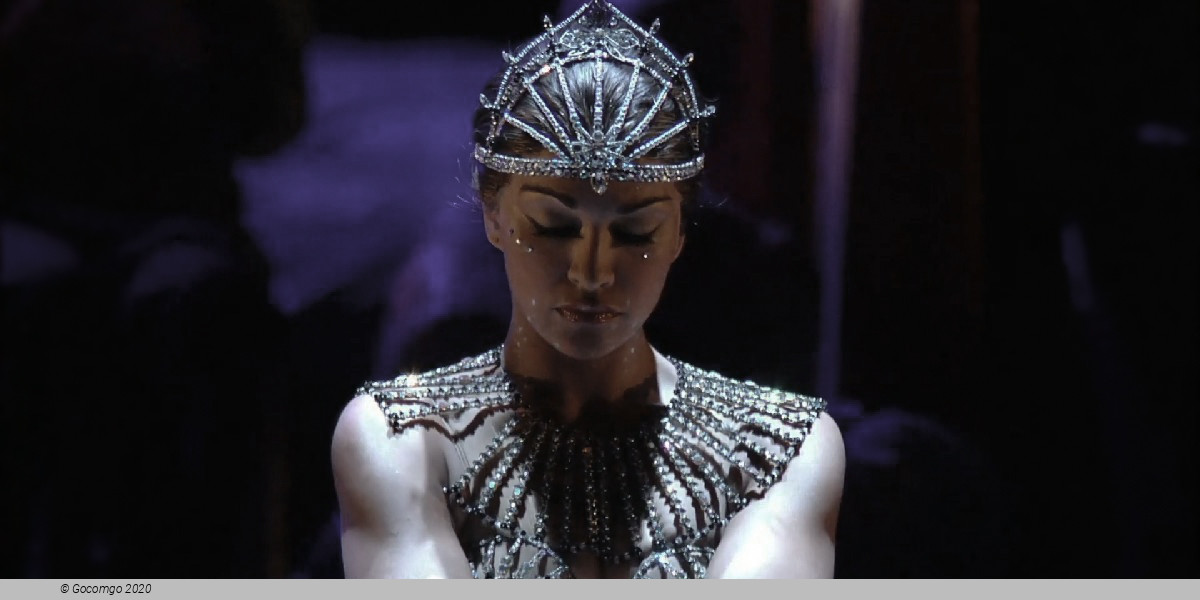
Ileana Cotrubas, the renowned Romanian soprano, was right to follow her hunch and take her young North Ossetian fach colleague Elena Tsallagova under her wing, once she was convinced of her talent. It was a leg-up that led to Tsallagova debuting at the Opéra de Paris and becoming a member of the ensemble of the Deutsche Oper Berlin following a period at Munich. In Berlin she has not only appeared in a wide repertoire of works ranging from Mozart to Zemlinsky via Verdi and Meyerbeer over the last 15 years but also demonstrated an almost peerless versatility as an operatic thespian, most recently as Zdenko/Zdenka in Tobias Kratzer’s celebrated staging of ARABELLA. She now tackles a baroque work, showing us another facet of her skill set as Handel’s Cleopatra.

History
Premiere of this production: 20 February 1724, King's Theatre in the Haymarket, London

Giulio Cesare in Egitto, commonly known as Giulio Cesare, is a dramma per musica (opera seria) in three acts composed for the Royal Academy of Music by George Frideric Handel in 1724. The libretto was written by Nicola Francesco Haym who used an earlier libretto by Giacomo Francesco Bussani, which had been set to music by Antonio Sartorio (1676). The opera was a success at its first performances, was frequently revived by Handel in his subsequent opera seasons and is now one of the most often performed Baroque operas. The opera's plot is loosely based on historic events during the Roman Civil War of 49–45 BC.

Synopsis

Place: Egypt
Time: 48–47 B.C.
As with most of his other operas, Handel made several revisions to the score of Giulio Cesare for revivals, adding new arias and cutting others. The listing of arias in this synopsis applies to the original 1724 version.

Abridged plot

Cesare, in pursuit of his enemy Pompeo, has followed him to Egypt. Pompeo's wife Cornelia pleads with Cesare to spare her husband. He is about to grant her plea, when the Egyptians led by their boy king Tolomeo bring him the head of Pompeo. Cornelia and Pompeo's son Sesto vow to avenge his death. Tolomeo's sister Cleopatra desires to depose her brother in order to become the sole ruler of Egypt. She joins Cornelia and Sesto in their plans for vengeance and entreats Cesare to aid her. Following her overtures, Cesare falls in love with Cleopatra. Her brother attempts to assassinate Cesare, but he escapes. It is reported to Cleopatra that Cesare has drowned while in flight. She is taken captive by her brother. Cesare, who has escaped drowning, enters to free his beloved. Tolomeo is slain by Sesto, because he forced himself upon Cornelia against her will. Cesare makes Cleopatra Queen of Egypt and returns to Rome.

Act 1

After the overture, the entire cast, except Giulio Cesare, gathers on stage for the opening chorus. (Chorus: Viva, viva il nostro Alcide). Giulio Cesare and his victorious troops arrive on the banks of the River Nile after defeating Pompeo's forces. (Aria: Presti omai l'Egizia terra). Pompeo's second wife, Cornelia, begs for mercy for her husband's life. Cesare agrees, but on the condition that Pompeo must see him in person. Achilla, the leader of the Egyptian army, presents Cesare with a casket containing Pompeo's head. It is a token of support from Tolomeo, the co-ruler of Egypt (together with Cleopatra, his sister). Cornelia faints, and Cesare is furious about Tolomeo's cruelty. (Aria: Empio, dirò, tu sei). Cesare's assistant, Curio, offers to avenge Cornelia, hoping that she will fall for him and marry him. Cornelia rejects the offer in grief, saying that another death would not relieve her pain. (Aria: Priva, son d'ogni conforto). Sesto, son of Cornelia and Pompeo, swears to take revenge for his father's death. (Aria: Svegliatevi nel core). Cleopatra decides to use her charm to seduce Cesare. (Aria: Non disperar, chi sà?) Achilla brings the news to Tolomeo that Cesare was furious over the murder of Pompeo. Tolomeo swears to kill Cesare to protect his rule of the kingdom. (Aria: L'empio, sleale, indegno). Cleopatra (in disguise) goes to meet Cesare in his camp hoping that he will support her as the queen of Egypt. Cesare is amazed by her beauty. (Aria: Non è si vago e bello). Nireno notes that the seduction was successful. (Aria: Tutto può donna vezzosa). Meanwhile, Cornelia continues to mourn the loss of her husband. (Arioso: Nel tuo seno, amico sasso). Cornelia prepares to kill Tolomeo to avenge Pompeo's death, but is stopped by Sesto, who promises to do it instead. Cesare, Cornelia and Sesto go to the Egyptian palace to meet Tolomeo. (Aria: Cara speme, questo core). Cleopatra now believes that as she has turned Cesare, Cornelia and Sesto against Tolomeo successfully, the scales are tipped in her favour. (Aria: Tu la mia stella sei). Cesare meets Tolomeo, who offers him a room in the royal apartments, though Cesare tells Curio that he expects Tolomeo to betray him. (Aria: Va tacito e nascosto). Tolomeo is fascinated by Cornelia's beauty but has promised Achilla that he could have her. (Aria: Tu sei il cor di questo core). Sesto attempts to challenge Tolomeo, but is unsuccessful. When Cornelia rejects Achilla, he orders the soldiers to arrest Sesto. (Duet: Son nata a lagrimar).

Act 2

In Cleopatra's palace, while in disguise as "Lidia", she uses her charms to seduce Cesare. (Aria: V'adoro, pupille). She sings praises of Cupid's darts and Cesare is delighted. Cesare is smitten with Cleopatra, and Nireno tells Cesare that "Lidia" is waiting for him. (Aria: Se in fiorito ameno prato). In Tolomeo's palace, Cornelia laments her fate. (Arioso: Deh piangete, oh mesti lumi). Achilla pleads with Cornelia to accept him, but she rejects him. (Aria: Se a me non sei crudele) When he leaves, Tolomeo also tries to win her, but is also rejected. (Aria: Sì spietata, il tuo rigore). Thinking that there is no hope, Cornelia tries to take her own life, but is stopped by Sesto, who is escorted by Nireno. Nireno reveals the bad news that Tolomeo has given orders for Cornelia to be sent to his harem. However, Nireno also comes up with a plan to sneak Sesto into the harem together with Cornelia, so Sesto can kill Tolomeo when he is alone and unarmed. (Aria: Cessa omai di sospirare). Sesto enters the garden of the palace, wishing to fight Tolomeo for killing his father. (Aria: L'angue offeso mai riposa). Meanwhile, Cleopatra waits for Cesare to arrive in her palace. (Aria: Venere bella). Still smitten with her, Cesare arrives in Cleopatra's palace. However, Curio suddenly bursts in and warns Cesare that he has been betrayed, and enemies are approaching Cesare's chambers and chanting "Death to Cesare". Cleopatra reveals her identity and after hearing the enemies heading for them, asks Cesare to flee, but he decides to fight. (Aria: Al lampo dell'armi). (Chorus: Morà, Cesare morà). Cleopatra, having fallen in love with Cesare, begs the gods to bless him. (Aria: Se pietà di me non senti). In Tolomeo's palace, Tolomeo prepares to enter his harem. (Arioso: Belle dee di questo core). As Tolomeo tries to seduce Cornelia, Sesto rushes in to kill Tolomeo, but is stopped by Achilla. Achilla announces that Cesare (in the attempt to run from soldiers) has jumped from the palace window and died. Achilla asks again for Cornelia's hand in marriage but is turned down by Tolomeo. Furious, Achilla leaves. Sesto feels devastated and attempts to kill himself but is prevented from doing so by his mother; he repeats his vow to kill Tolomeo. (Aria: L'aure che spira).

Act 3

Furious at Tolomeo for being ungrateful to him despite his loyalty, Achilla plans to defect to Cleopatra's side (Aria: Dal fulgor di questa spada), but Tolomeo stabs him before he does. As battle rings out between Tolomeo's and Cleopatra's armies, Tolomeo celebrates his apparent victory against Cleopatra (Aria: Domerò la tua fierezza). Cleopatra laments losing both the battle and Cesare (Aria: Piangerò la sorte mia). However, Cesare is not dead: he survived his leap and is roaming the desert in search of his troops (Aria: Aure, deh, per pietà). While looking for Tolomeo, Sesto finds the wounded, nearly dead Achilla, who hands Sesto a seal authorizing him to command his armies. Cesare appears and demands the seal, promising that he will either save both Cornelia and Cleopatra or die (Aria: Quel torrente, che cade dal monte). With Cesare alive and Achilla dead, Sesto's spirits lift, and he vows to fight on (Aria: La giustizia ha già sull'arco). Cesare continues on to Cleopatra's camp, where a lamenting Cleopatra is overjoyed to see him. (Aria: Da tempeste il legno infranto).

In the palace, Sesto finds Tolomeo trying to rape Cornelia and kills him. Having successfully avenged Pompeo, Cornelia and Sesto celebrate Tolomeo's death. (Aria: Non ha più che temere). The victorious Cesare and Cleopatra enter Alexandria, and Cesare proclaims Cleopatra to be queen of Egypt and promises his support to her and her country. They declare their love for each other (Duet: Caro! Bella! Più amabile beltà). Cesare then proclaims Egypt's liberation from tyranny, and wishes for the glory of Rome to spread far and wide. For the final chorus, the entire cast (including the dead Achilla and Tolomeo) gathers on stage to celebrate the power of love and the triumph of good over evil (Chorus: Ritorni omai nel nostro core).

Venue Info

Deutsche Oper Berlin - Berlin
Location   Bismarckstraße 35

Venue's Capacity: 1698

The Deutsche Oper Berlin is an opera company located in the Charlottenburg district of Berlin, Germany. The resident building is the country's second-largest opera house and also home to the Berlin State Ballet. Since 2004 the Deutsche Oper Berlin, like the Staatsoper Unter den Linden (Berlin State Opera), the Komische Oper Berlin, the Berlin State Ballet, and the Bühnenservice Berlin (Stage and Costume Design), has been a member of the Berlin Opera Foundation.

The company's history goes back to the Deutsches Opernhaus built by the then independent city of Charlottenburg—the "richest town of Prussia"—according to plans designed by Heinrich Seeling from 1911. It opened on November 7, 1912 with a performance of Beethoven's Fidelio, conducted by Ignatz Waghalter. In 1925, after the incorporation of Charlottenburg by the 1920 Greater Berlin Act, the name of the resident building was changed to Städtische Oper (Municipal Opera).

With the Nazi seizure of power in 1933, the opera was under control of the Reich Ministry of Public Enlightenment and Propaganda. Minister Joseph Goebbels had the name changed back to Deutsches Opernhaus, competing with the Berlin State Opera in Mitte controlled by his rival, the Prussian minister-president Hermann Göring. In 1935, the building was remodeled by Paul Baumgarten and the seating reduced from 2300 to 2098. Carl Ebert, the pre-World War II general manager, chose to emigrate from Germany rather than endorse the Nazi view of music, and went on to co-found the Glyndebourne opera festival in England. He was replaced by Max von Schillings, who acceded to enact works of "unalloyed German character". Several artists, like the conductor Fritz Stiedry and the singer Alexander Kipnis, followed Ebert into emigration. The opera house was destroyed by a RAF air raid on 23 November 1943. Performances continued at the Admiralspalast in Mitte until 1945. Ebert returned as general manager after the war.

After the war, in what was now West Berlin, the company, again called Städtische Oper, used the nearby Theater des Westens; its opening production was Fidelio, on 4 September 1945. Its home was finally rebuilt in 1961 but to a much-changed, sober design by Fritz Bornemann. The opening production of the newly named Deutsche Oper, on 24 September, was Mozart's Don Giovanni.

Past Generalmusikdirektoren (GMD, general music directors) have included Bruno Walter, Kurt Adler, Ferenc Fricsay, Lorin Maazel, Gerd Albrecht, Jesús López-Cobos, and Christian Thielemann. In October 2005, the Italian conductor Renato Palumbo was appointed GMD as of the 2006/2007 season. In October 2007, the Deutsche Oper announced the appointment of Donald Runnicles as their next Generalmusikdirektor, effective August 2009, for an initial contract of five years. Simultaneously, Palumbo and the Deutsche Oper mutually agreed to terminate his contract, effective November 2007.

On the evening of 2 June 1967, Benno Ohnesorg, a student taking part in the German student movement, was shot in the streets around the opera house. He had been protesting against the visit to Germany by the Shah of Iran, who was attending a performance of Mozart's The Magic Flute.

In 1986 the American Berlin Opera Foundation was founded.

In April 2001, the Italian conductor Giuseppe Sinopoli died at the podium while conducting Verdi's Aida, at age 54.

In September 2006, the Deutsche Oper's Intendantin (general manager) Kirsten Harms drew criticism after she cancelled the production of Mozart's opera Idomeneo by Hans Neuenfels, because of fears that a scene in it featuring the severed heads of Jesus, Buddha and Muhammad would offend Muslims, and that the opera house's security might come under threat if violent protests took place. Critics of the decision include German Ministers and the German Chancellor Angela Merkel. The reaction from Muslims has been mixed — the leader of Germany's Islamic Council welcomed the decision, whilst a leader of Germany's Turkish community, criticising the decision, said:

This is about art, not about politics ... We should not make art dependent on religion — then we are back in the Middle Ages.

At the end of October 2006, the opera house announced that performances of Mozart's opera Idomeneo would then proceed. Kirsten Harms, after announcing in 2009 that she would not renew her contract beyond 2011, was bid farewell in July of that year.

Important Info
Type: Opera
City: Berlin, Germany
Starts at: 18:00
Acts: 3
Intervals: 2
Duration: 4h 30min
Sung in: Italian
Titles in: German,English
Top of page