



Warsaw Grand Theatre - Polish National Opera (Teatr Wielki) tickets 20 March 2026 - Peer Gynt | GoComGo.com

Peer Gynt

Warsaw Grand Theatre - Polish National Opera (Teatr Wielki), Moniuszko Auditorium, Warsaw, Poland
All photos (4)
Select date and time
7 PM
From
US$ 63

E-tickets: Print at home or at the box office of the event if so specified. You will find more information in your booking confirmation email.

You can only select the category, and not the exact seats.
If you order 2 or 3 tickets: your seats will be next to each other.
If you order 4 or more tickets: your seats will be next to each other, or, if this is not possible, we will provide a combination of groups of seats (at least in pairs, for example 2+2 or 2+3).

Important Info
Type: Modern Ballet
City: Warsaw, Poland
Starts at: 19:00
Acts: 2
Intervals: 1
Duration: 2h 20min

E-tickets: Print at home or at the box office of the event if so specified. You will find more information in your booking confirmation email.

You can only select the category, and not the exact seats.
If you order 2 or 3 tickets: your seats will be next to each other.
If you order 4 or more tickets: your seats will be next to each other, or, if this is not possible, we will provide a combination of groups of seats (at least in pairs, for example 2+2 or 2+3).

Cast
Performers
Conductor: Alexei Baklan
Piano: Marek Bracha
Orchestra: Orchestra of the Polish National Opera
Ballet company: Polish National Ballet
Creators
Composer: Edvard Grieg
Choreography: Edward Clug
Poet: Henrik Hertz
Overview

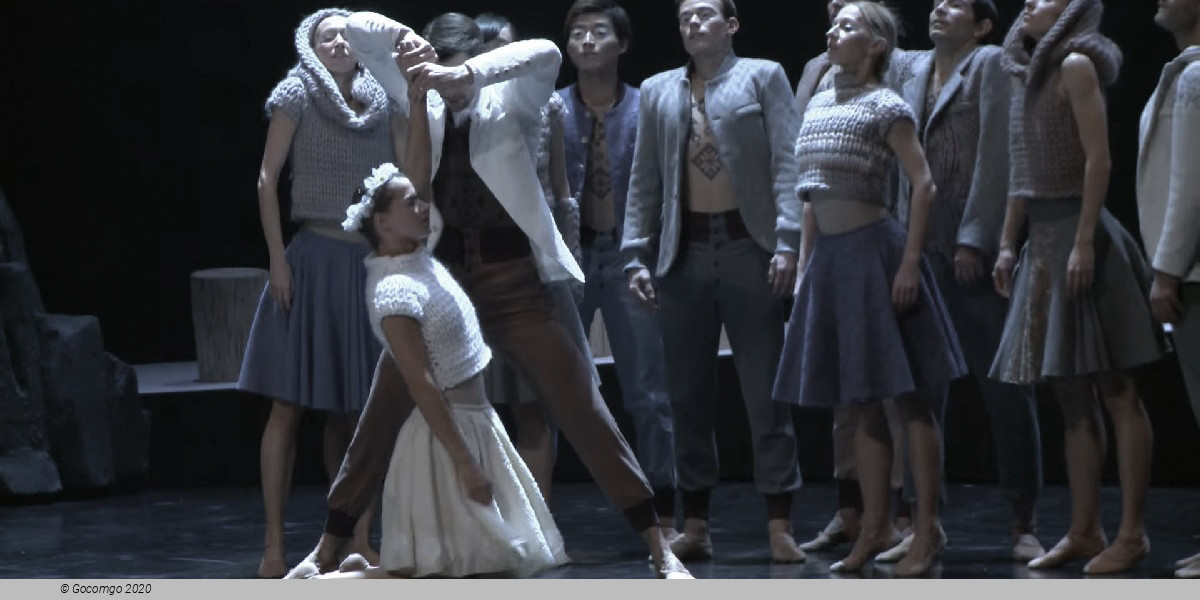
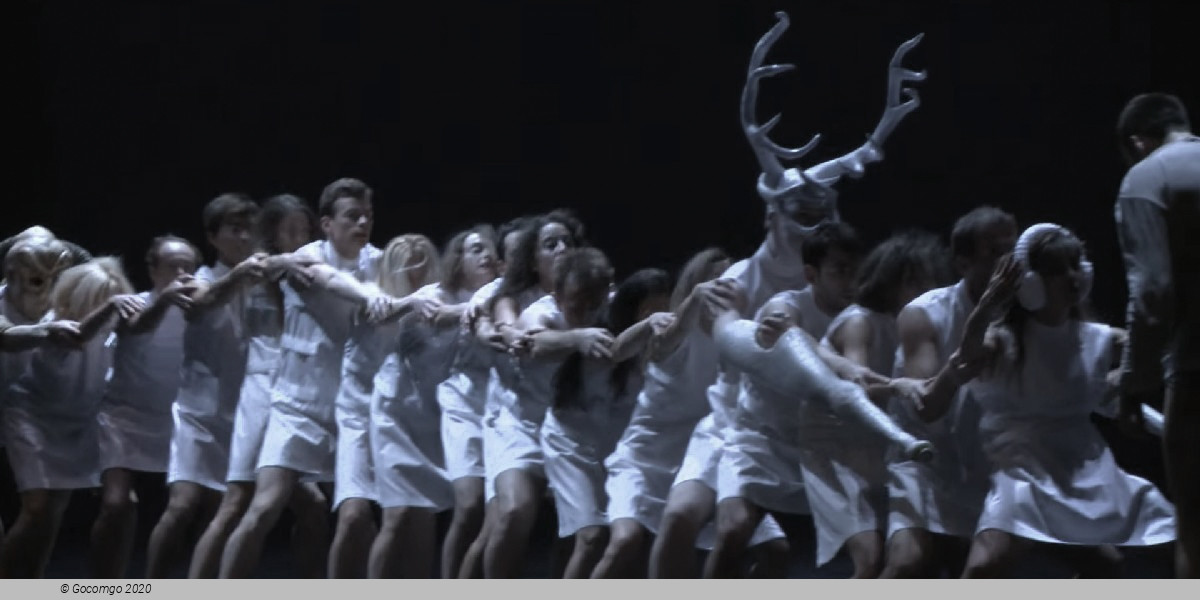
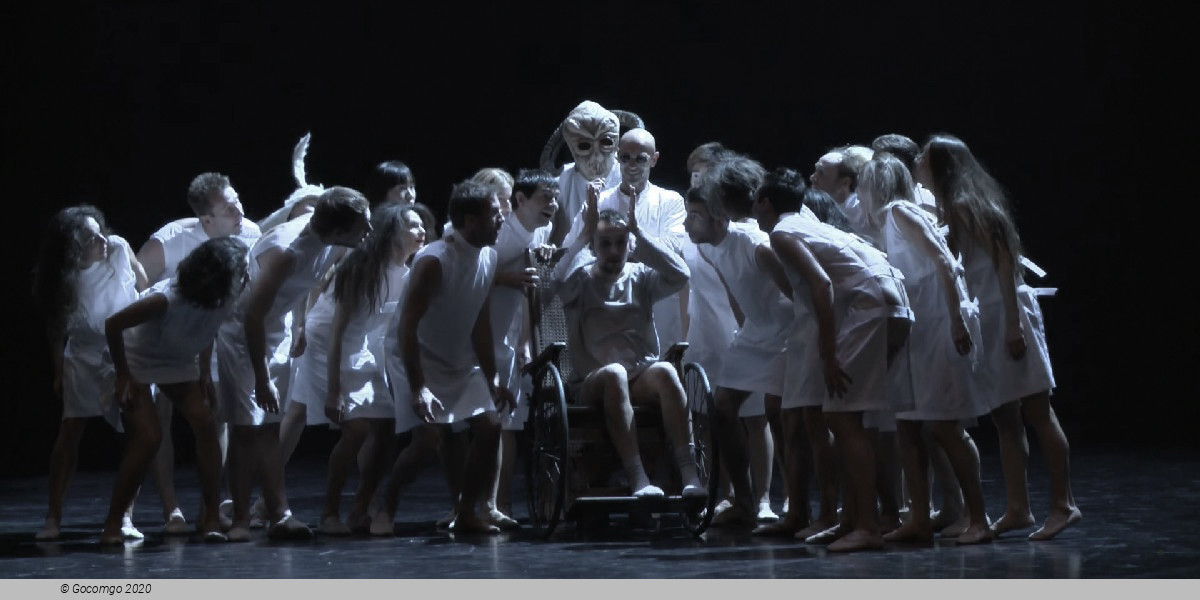
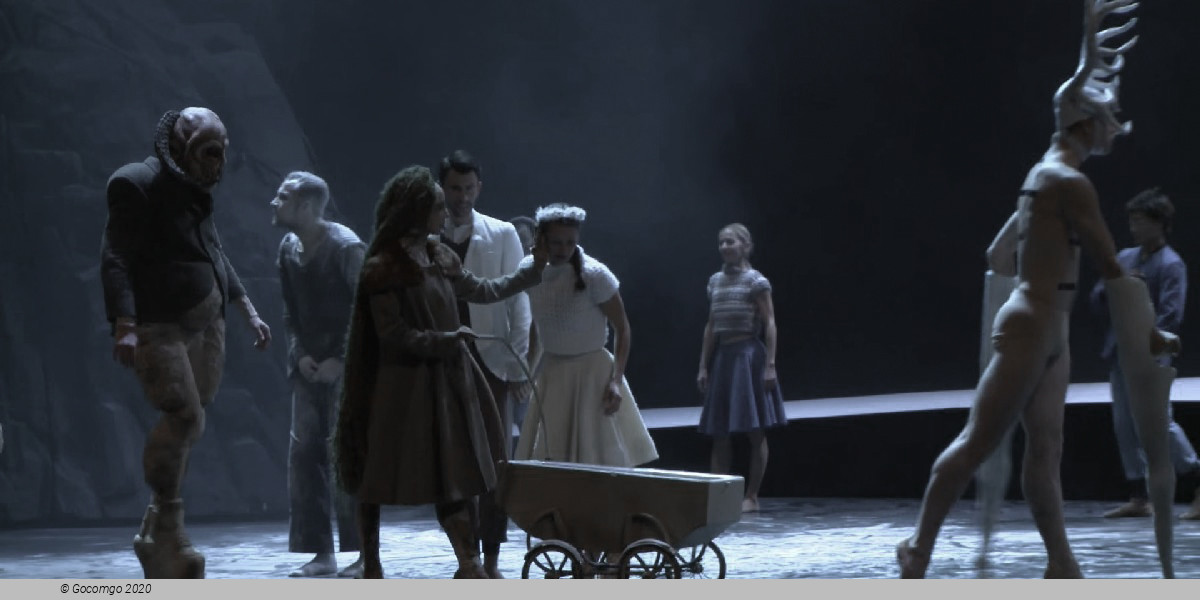
Clug’s true fascination with Ibsen’s ambiguous dramatic poem produced a surreal ballet with elements of the theatre of the absurd, palpably gloomy, yet marked with a large measure of irony. The choreographer managed to capture the two main aspects of Peer Gynt, which is both a fanciful féerie and a story of a man’s growth into maturity. As a result, the production portrays a fantastical world that turns out to be very close to the present-day reality.

Theatre makers find Henrik Ibsen’s Peer Gynt to be rather problematic. While challenging to put on the stage, the dramatic poem with episodic structure featuring fantastical elements turned out to be perfect material for a ballet. In 2015 the Slovenian dancer of Romanian origin Edward Clug created a choreographic adaptation of the play. The ballet’s Maribor world premiere was a triumph and the work was subsequently staged in Zurich, Vienna, Dortmund, Hannover, and Leipzig. What is the reason for its popularity? It is not intimidated by the original’s broken narrative, leaves questions about the meaning of the protagonist’s individual adventures unanswered, and, crucially, uses a very contemporary visual language, without treating the Ibsen piece as a dusty old fairytale inspired by folklore.

Ibsen’s Peer Gynt is a very modern character: An everyman and an antihero in one. He comes from an impecunious family and does not posses many material objects. He is egoistical by nature, can tell bare-faced lies, or fabrications, recounting trumped-up or totally made-up stories about the things that happened to him. In Peer’s imagination, his parents’ meagre dwelling becomes a shiny palace, while his morally questionable adventures turn into acts of heroism, offering him an escape from reality. Peer’s goal in life is ambiguous: he would like to be a somebody (preferably, somebody else) and find love, yet to appreciate the affection and loyalty of Solveig, a woman who develops feelings for him, Peer has to face angry trolls, set out into the Orient, become an inmate of an lunatic asylum, and return to where he started.

Edvard Grieg’s music naturally plays a crucial role in the production. The score combines two suites compiled from the incidental music to Ibsen’s play as well as the composer’s other instrumental pieces: String Quartet in G minor Op. 27, Piano Concerto in A minor Op. 16, and a selection of Lyric Pieces, which in the choreographer's view perfectly illustrate the atmosphere of the poem.

This story ballet, first performed in 2015 in Maribor, is based on music by Edvard Grieg and the work by Henrik Ibsen, which were chosen by choreographer Edward Clug as the starting point for his libretto: "Ibsen and Grieg have each invented their distinct version of 'Peer Gynt'. My goal was to merge them into a new identity, into a landscape with many doors. I have selected my entrance, which is wide open to you, dear visitors, and I invite you to step through into a new ballet experience."

History

Peer Gynt is the incidental music to Henrik Ibsen's 1867 play of the same name, written by the Norwegian composer Edvard Grieg in 1875. It premiered along with the play on 24 February 1876 in Christiania (now Oslo). Grieg later created two suites from his Peer Gynt music. Some of the music from these suites has received coverage in popular culture; see Grieg's music in popular culture.

Venue Info

Warsaw Grand Theatre - Polish National Opera (Teatr Wielki) - Warsaw
Location   plac Teatralny 1

The Grand Theatre in Warsaw is a theatre and opera complex situated on the historic Theatre Square in central Warsaw. The Warsaw Grand Theatre is home to the Polish National Ballet and is one of the largest theatrical venues in the world.

The Theatre was built on Theatre Square between 1825 and 1833, replacing the former building of Marywil, from Polish classicist designs by the Italian architect Antonio Corazzi of Livorno, to provide a new performance venue for existing opera, ballet and drama companies active in Warsaw. The building was remodeled several times and, in the period of Poland's political eclipse from 1795 to 1918, it performed an important cultural and political role in producing many works by Polish composers and choreographers.

It was in the new theatre that Stanisław Moniuszko's two best-known operas received their premieres: the complete version of Halka (1858), and The Haunted Manor (1865). After Frédéric Chopin, Moniuszko was the greatest figure in 19th-century Polish music, for in addition to producing his own works, he was director of the Warsaw Opera from 1858 until his death in 1872.

While director of the Grand Theatre, Moniuszko composed The Countess, Verbum Nobile, The Haunted Manor and Paria, and many songs that make up 12 Polish Songbooks.

Also, under Moniuszko's direction, the wooden Summer Theatre was built close by in the Saxon Garden. Summer performances were given annually, from the repertories of the Grand and Variety (Rozmaitości) theatres. Józef Szczublewski writes that during this time, even though the country had been partitioned out of political existence by its neighbors, the theatre flourished: "the ballet roused the admiration of foreign visitors; there was no equal troupe of comedians to be found between Warsaw and Paris, and Modrzejewska was an inspiration to drama."

The theatre presented operas by Władysław Żeleński, Ignacy Jan Paderewski, Karol Szymanowski and other Polish composers, as well as ballet productions designed by such choreographers as Roman Turczynowicz, Piotr Zajlich and Feliks Parnell. At the same time, the repertoire included major world opera and ballet classics, performed by the most prominent Polish and foreign singers and dancers. It was also here that the Italian choreographer Virgilius Calori produced Pan Twardowski (1874), which (in the musical arrangement first of Adolf Sonnenfeld and then of Ludomir Różycki) has for years been part of the ballet company's repertoire.

During the 1939 battle of Warsaw, the Grand Theatre was bombed and almost completely destroyed, with only the classical façade surviving. During the Warsaw Uprising of 1944 the Germans shot civilians in the burnt-out ruins. The plaque to the right of the main entrance commemorates the suffering and heroism of the victims of fascism.

Important Info
Type: Modern Ballet
City: Warsaw, Poland
Starts at: 19:00
Acts: 2
Intervals: 1
Duration: 2h 20min
Top of page