
Hungarian State Opera House tickets 5 March 2027 - Salome | GoComGo.com

Salome

Hungarian State Opera House, Opera House, Budapest, Hungary
All photos (7)
Select date and time
7 PM
From
US$ 91

E-tickets: Print at home or at the box office of the event if so specified. You will find more information in your booking confirmation email.

You can only select the category, and not the exact seats.
If you order 2 or 3 tickets: your seats will be next to each other.
If you order 4 or more tickets: your seats will be next to each other, or, if this is not possible, we will provide a combination of groups of seats (at least in pairs, for example 2+2 or 2+3).

Important Info
Type: Opera
City: Budapest, Hungary
Starts at: 19:00
Acts: 1
Duration: 2h
Sung in: German
Titles in: Hungarian,English,German

E-tickets: Print at home or at the box office of the event if so specified. You will find more information in your booking confirmation email.

You can only select the category, and not the exact seats.
If you order 2 or 3 tickets: your seats will be next to each other.
If you order 4 or more tickets: your seats will be next to each other, or, if this is not possible, we will provide a combination of groups of seats (at least in pairs, for example 2+2 or 2+3).

Cast
Performers
Conductor: Martin Rajna
Bass-Baritone: Karoly Szemeredy (Jochanaan (John the Baptist))
Soprano: Polina Pasztircsák (Salome)
Soprano: Szilvia Rálik (Herodias)
Tenor: Tibor Szappanos (Herodes)
Creators
Composer: Richard Strauss
Librettist: Hedwig Lachmann
Director: Máté Szabó
Poet: Oscar Wilde
Overview

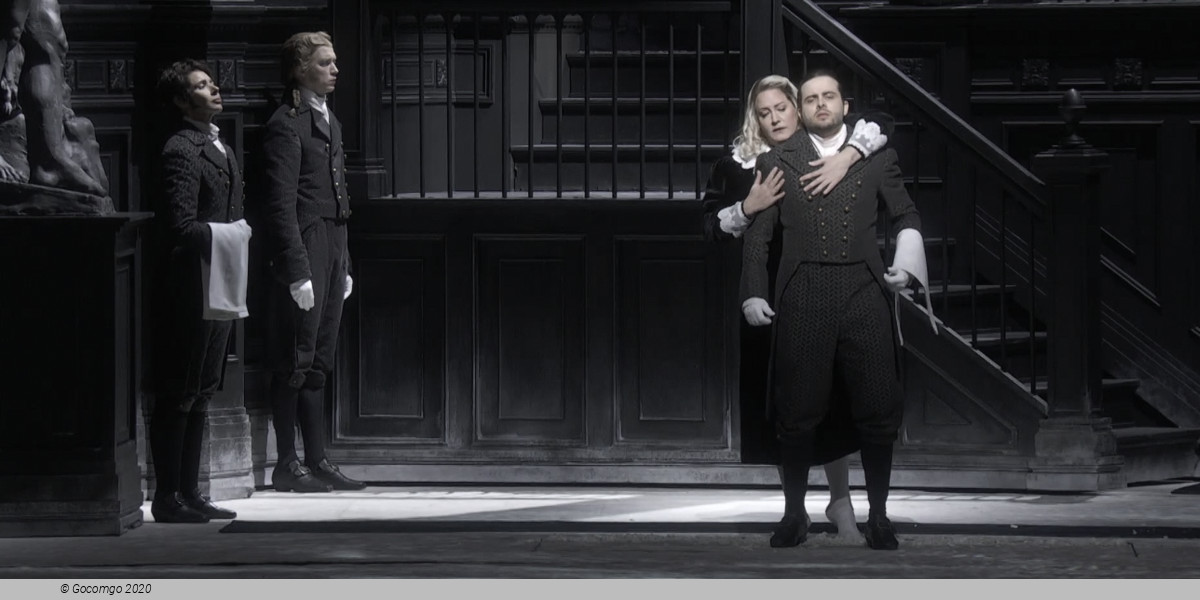
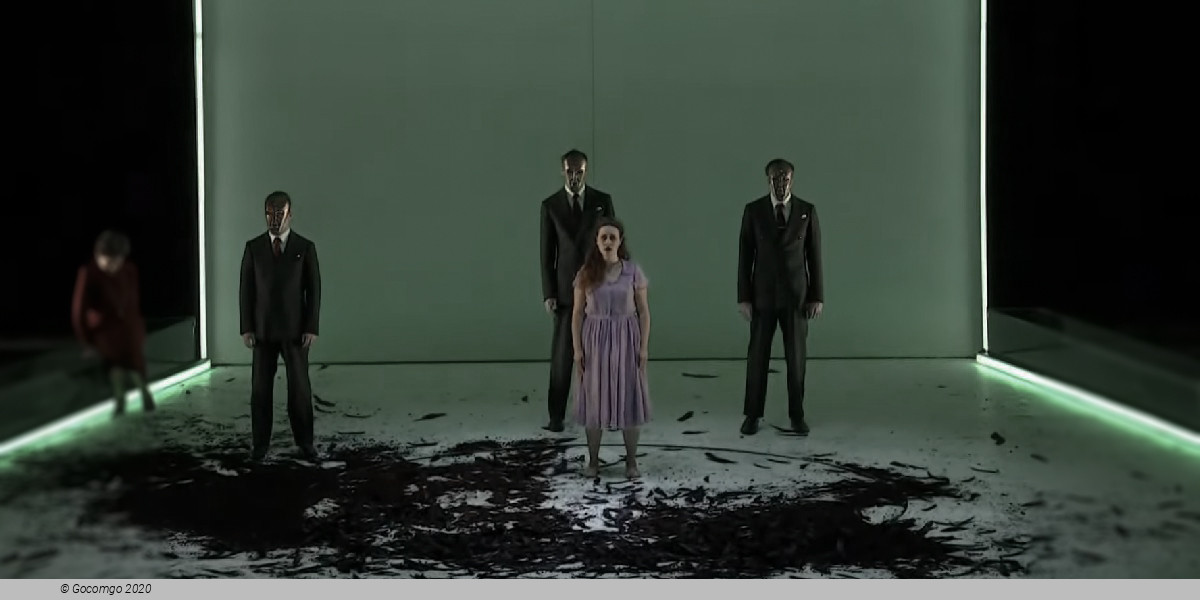
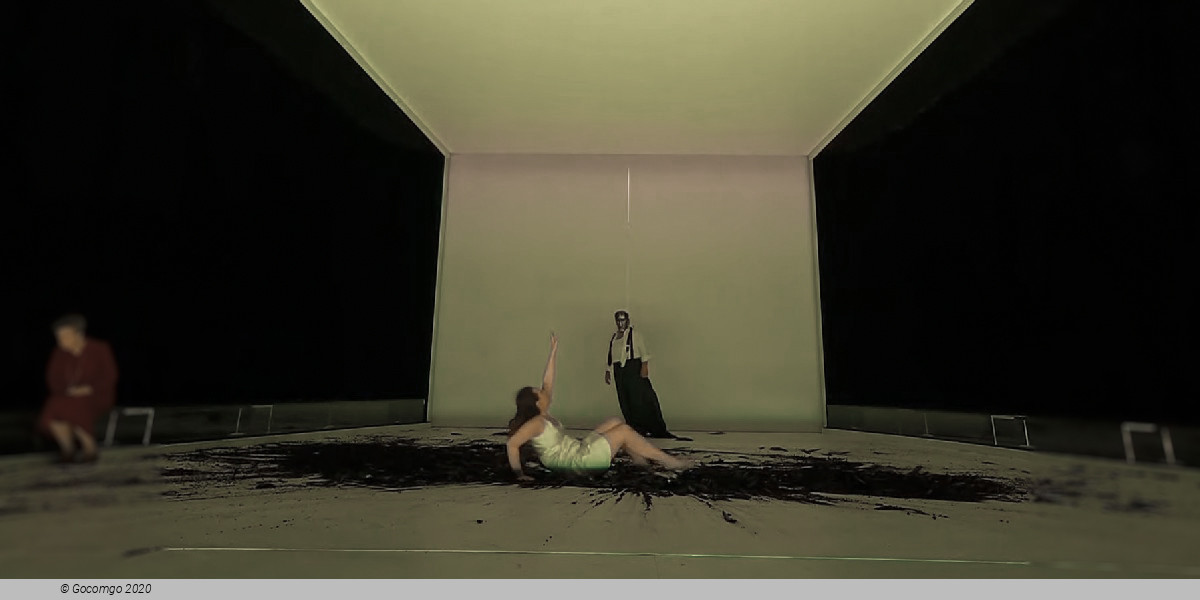
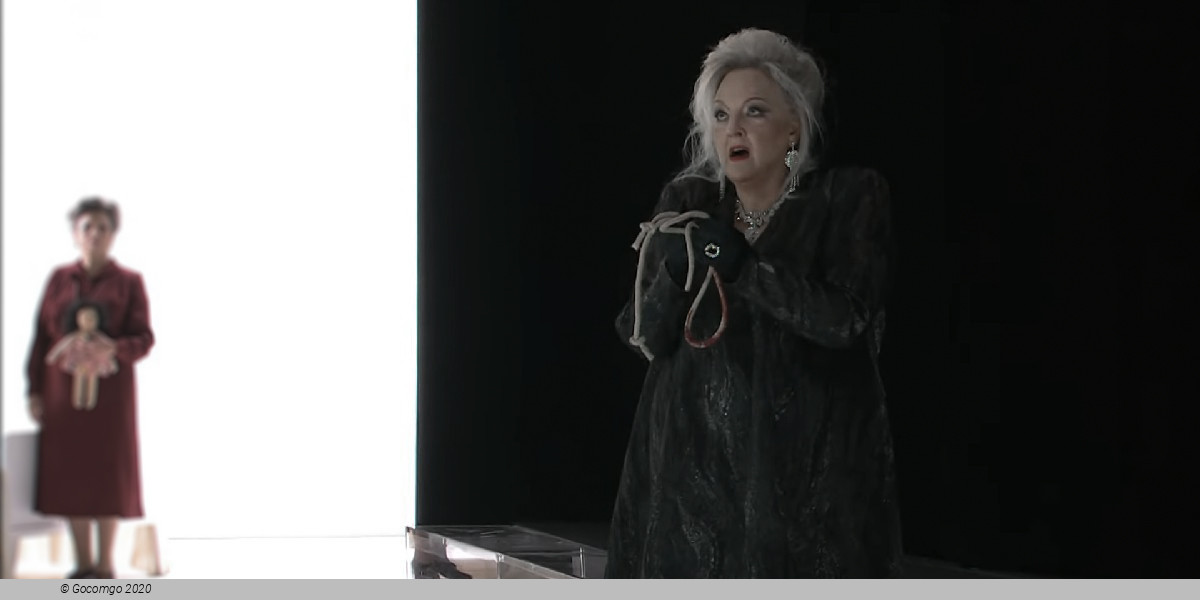
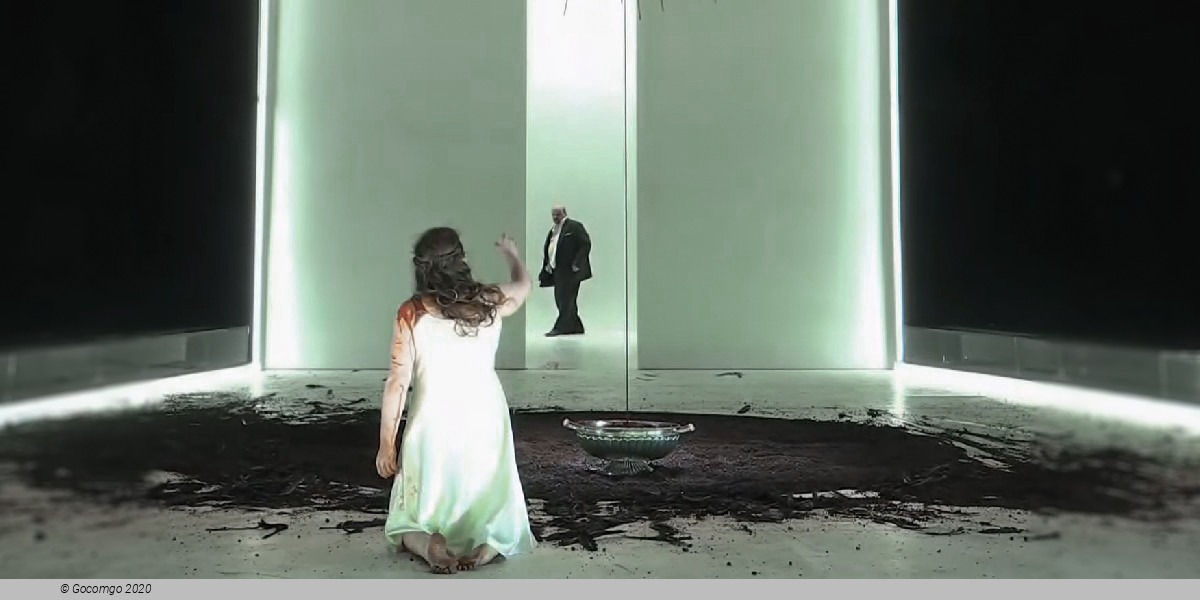
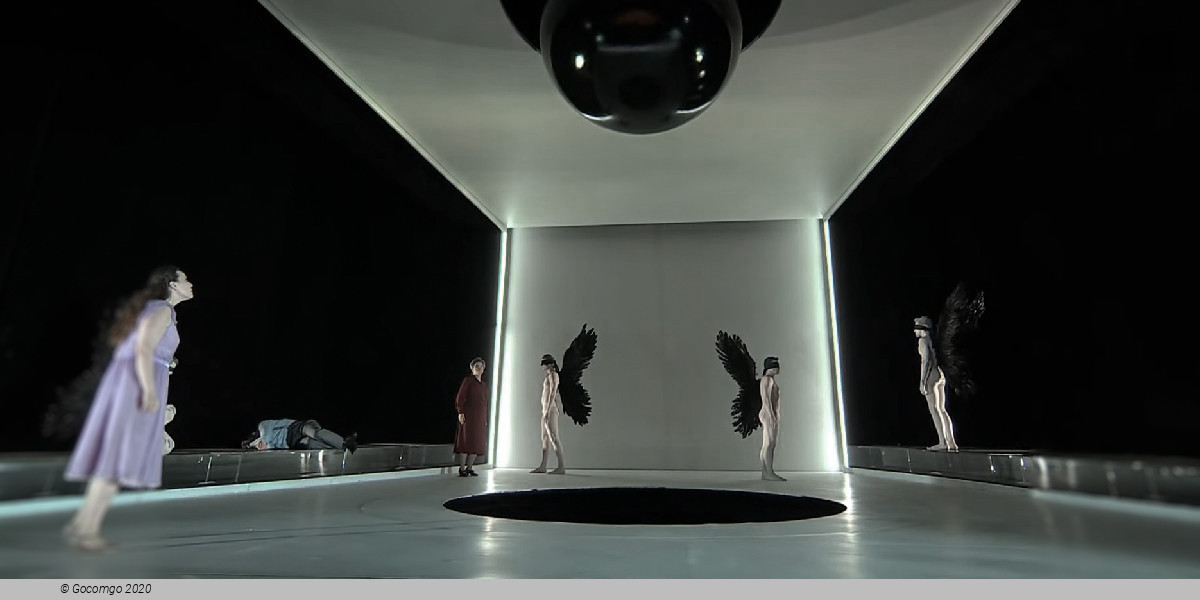
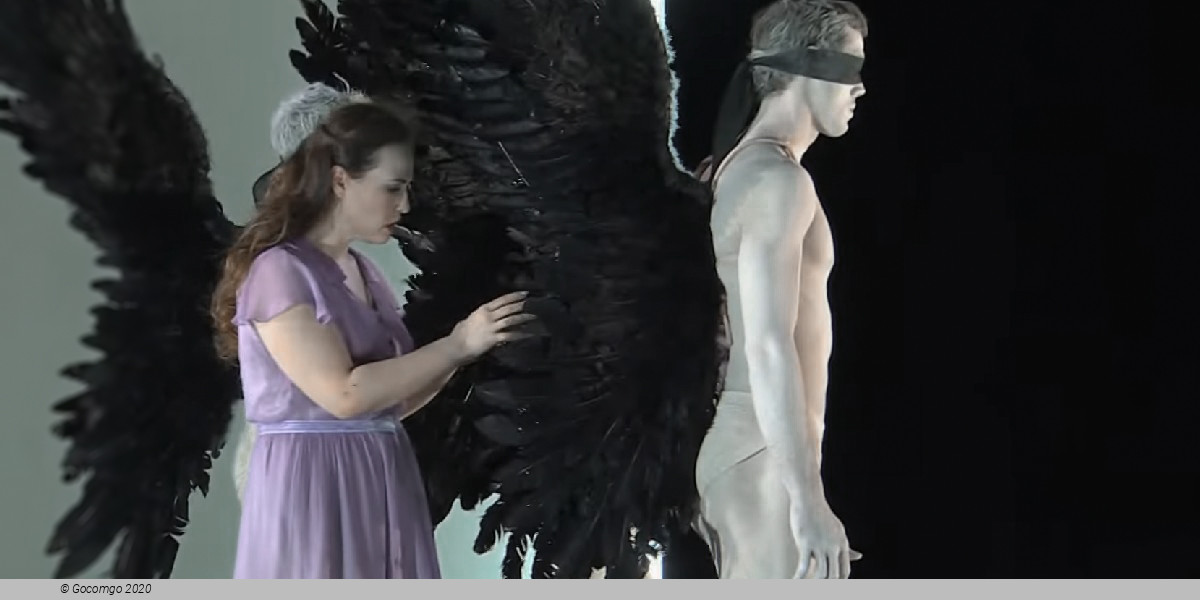
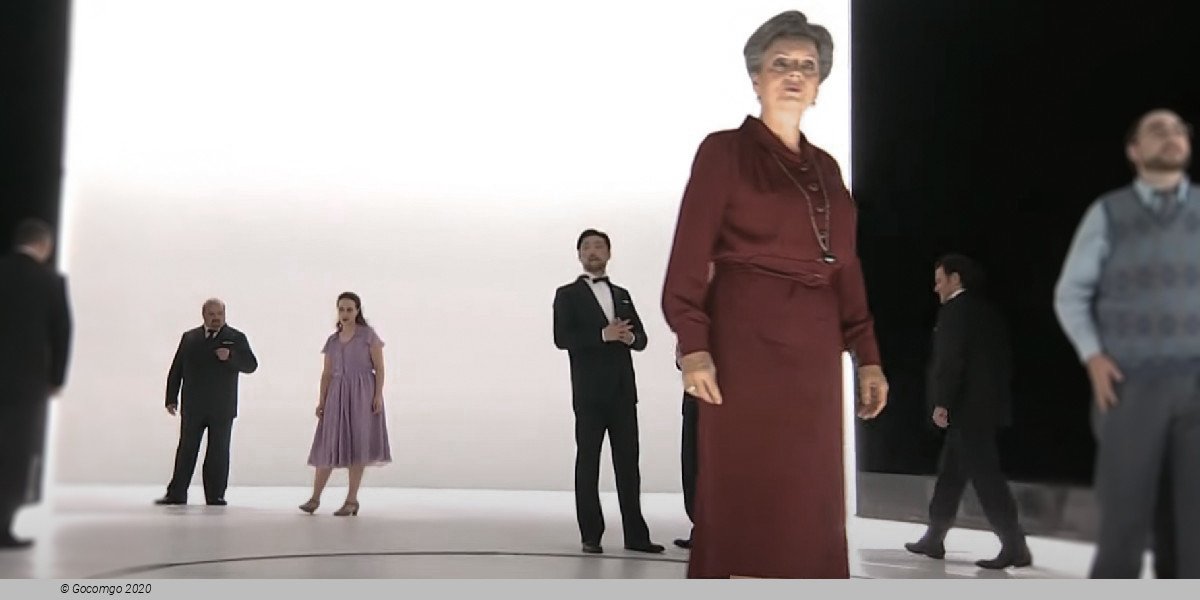
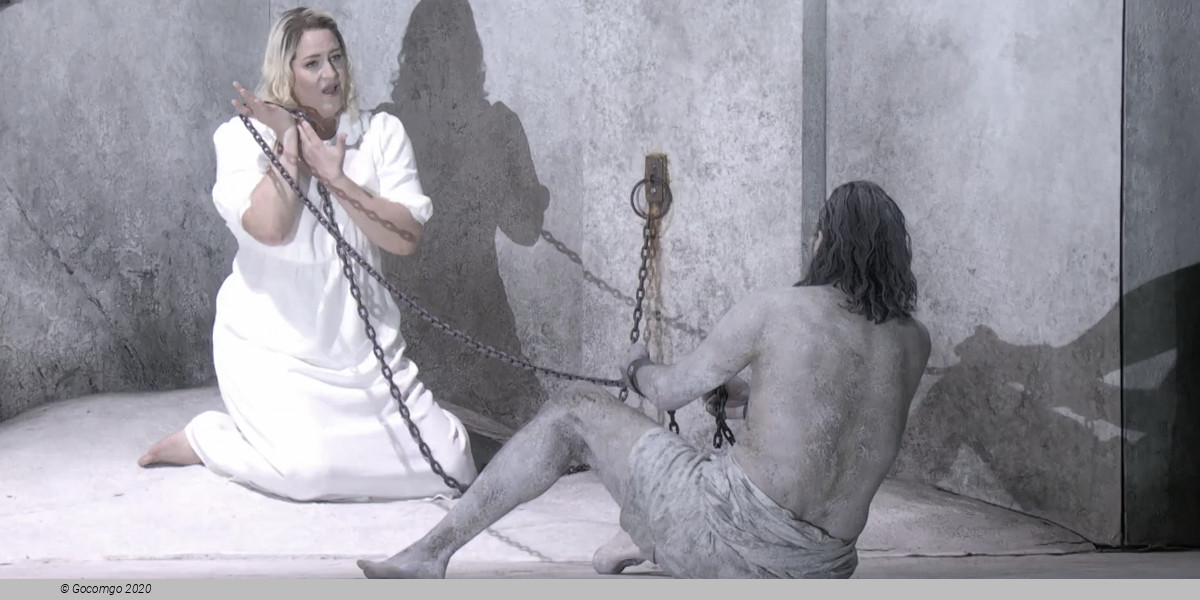
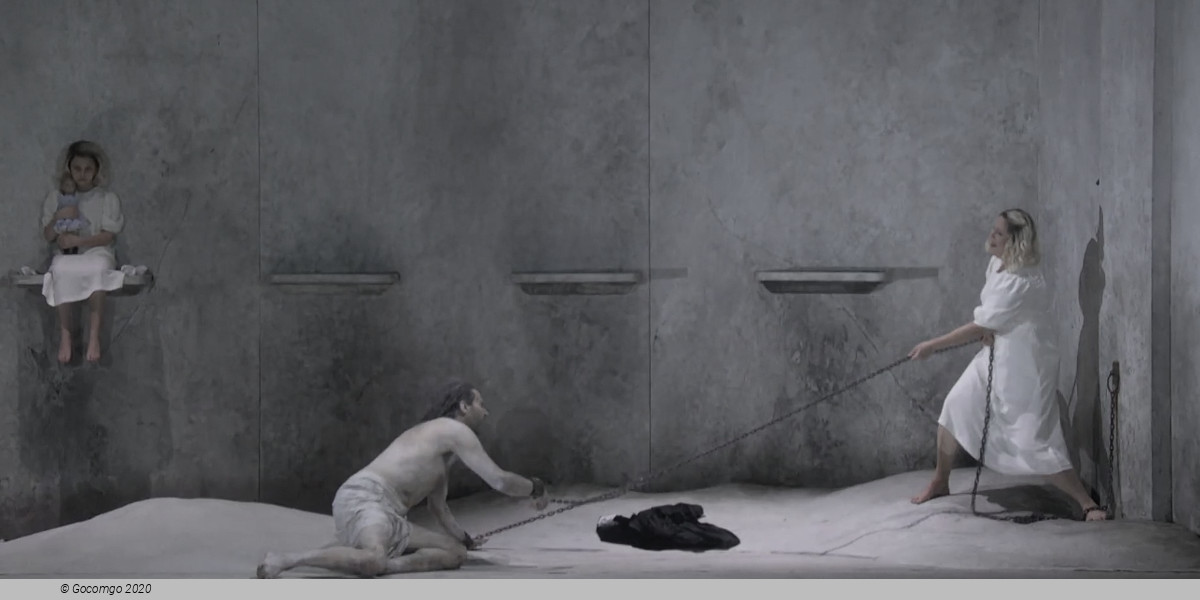
The OPERA’s new production is staged by Máté Szabó in a contemporary approach, while at the same time featuring a reconstruction of Herod's palace discovered during the excavations conducted on Mount Machaerus by Hungarian archaeologist Dr. Győző Vörös.

What happens when the worst traits of a power-hungry prince incapable of resisting earthly pleasures, a morally corrupt, vengeful, manipulative woman, and a desire-driven but highly impressionable teenage girl all erupt at the same time upon the appearance of a holy man? Someone loses their head… What happens when the drama of a conventionbreaking Irish author, who reworks a biblical subject in a fiercely erotic and blood-soaked way, is adapted for the opera stage by a German composer who, through his musical inventions, pushes the genre to its ultimate limits? Modern opera is born… Oscar Wilde’s play was banned for decades by British censorship, which is why Parisian audiences were the first to see it on stage in 1896. Although the work was well received, barely a decade later its success was overshadowed by the opera based on it, whose triumphal path began in exactly the opposite way. While at the 1905 Dresden premiere of Richard Strauss’s music drama, for example, the performer of the extraordinarily demanding title role refused to dance the Dance of the Seven Veils, and both the music and the subject as a whole shocked the audience, today Salome has become one of the cornerstones of the international operatic repertoire, returning again and again in ever new interpretations.

History
Premiere of this production: 09 December 1905, Königliches Opernhaus, Dresden

Salome is an opera in one act by Richard Strauss. The libretto is Hedwig Lachmann's German translation of the French play Salomé by Oscar Wilde, edited by the composer. Strauss dedicated the opera to his friend Sir Edgar Speyer. The opera is famous (at the time of its premiere, infamous) for its "Dance of the Seven Veils". The final scene is frequently heard as a concert-piece for dramatic sopranos.

Synopsis

A great terrace in the Palace of Herod, set above the banqueting hall. Some soldiers are leaning over the balcony. To the right there is a gigantic staircase, to the left, at the back, an old cistern surrounded by a wall of green bronze. The moon is shining very brightly.

Narraboth gazes from a terrace in Herod's palace into the banquet hall at the beautiful Princess Salome; he is in love with her, and apotheosizes her, much to the disgusted fearfulness of the Page of Herodias. The voice of the Prophet Jochanaan is heard from his prison in the palace cistern; Herod fears him and has ordered that no one should contact him, including Jerusalem's High Priest.

Tired of the feast and its guests, Salome flees to the terrace. When she hears Jochanaan cursing her mother (Herodias), Salome's curiosity is piqued. The palace guards will not honor her petulant orders to fetch Jochanaan for her, so she teasingly works on Narraboth to bring Jochanaan before her. Despite the orders he has received from Herod, Narraboth finally gives in after she promises to smile at him.

Jochanaan emerges from the cistern and shouts prophecies regarding Herod and Herodias that no one understands, except Salome when the Prophet refers to her mother. Upon seeing Jochanaan, Salome is filled with an overwhelming desire for him, praising his white skin and asking to touch it, but he rejects her. She then praises his black hair, again asking to touch it, but is rejected once more. She finally begs for a kiss from Jochanaan's lips, and Narraboth, who cannot bear to hear this, kills himself. As Jochanaan is returned to the well, he preaches salvation through the Messiah.

Herod enters, followed by his wife and court. He slips in Narraboth's blood and starts hallucinating. He hears the beating of wings. Despite Herodias' objections, Herod stares lustfully at Salome, who rejects him. Jochanaan harasses Herodias from the well, calling her incestuous marriage to Herod sinful. She demands that Herod silence him. Herod refuses, and she mocks his fear. Five Jews argue concerning the nature of God. Two Nazarenes tell of Christ's miracles; at one point they bring up the raising of Jairus' daughter from the dead, which Herod finds frightening.

Herod asks for Salome to eat with him, drink with him; indolently, she twice refuses, saying she is not hungry or thirsty. Herod then begs Salome to dance for him, Tanz für mich, Salome, though her mother objects. He promises to reward her with her heart's desire – even if it were one half of his kingdom.

After Salome inquires into his promise, and he swears to honor it, she prepares for the "Dance of the Seven Veils". This dance, very oriental in orchestration, has her slowly removing her seven veils, until she lies naked at his feet. Salome then demands the head of the prophet on a silver platter. Her mother cackles in pleasure. Herod tries to dissuade her with offers of jewels, peacocks, and the sacred veil of the Temple. Salome remains firm in her demand for Jochanaan's head, forcing Herod to accede to her demands. After a desperate monologue by Salome, an executioner emerges from the well and delivers the severed head as she requested.

Salome now declares her love for the severed head, caressing it and kissing the prophet's dead lips passionately. Horrified, Herod orders his soldiers, "Kill that woman!" They rush forward and crush Salome under their shields.

Venue Info

Hungarian State Opera House - Budapest
Location   Andrássy út 22

The Hungarian State Opera House (Hungarian: Magyar Állami Operaház) is a neo-Renaissance opera house located in central Budapest, on Andrássy út. The Hungarian State Opera House is the main opera house of the country and the second largest opera house in Budapest and in Hungary. Today, the opera house is home to the Budapest Opera Ball, a society event dating back to 1886. The Theatre was designed by Miklós Ybl, a major figure of 19th-century Hungarian architecture.

Construction began in 1875, funded by the city of Budapest and by Emperor Franz Joseph I of Austria-Hungary, and the new house opened to the public on the 27 September 1884. Before the closure of the "Népszínház" in Budapest, it was the third largest opera building in the city; today it is the second largest opera house in Budapest and in Hungary.

Touring groups had performed operas in the city from the early 19th century, but as Legány notes, "a new epoch began after 1835 when part of the Kasa National Opera and Theatrical Troupe arrived in Buda". They took over the Castle Theatre and, in 1835, were joined by another part of the troupe, after which performances of operas were given under conductor Ferenc Erkel. By 1837 they had established themselves at the Magyar Színház (Hungarian Theatre) and by 1840, it had become the "Nemzeti Színház" (National Theatre). Upon its completion, the opera section moved into the Hungarian Royal Opera House, with performances quickly gaining a reputation for excellence in a repertory of about 45 to 50 operas and about 130 annual performances. 

Many important artists were guests here including the composer Gustav Mahler, who was director in Budapest from 1888 to 1891 and Otto Klemperer, who was music director for three years from 1947 to 1950.

It is a richly decorated building and is considered one of the architect's masterpieces. It was built in neo-Renaissance style, with elements of Baroque. Ornamentation includes paintings and sculptures by leading figures of Hungarian art including Bertalan Székely, Mór Than, and Károly Lotz. Although in size and capacity it is not among the greatest, in beauty and the quality of acoustics the Budapest Opera House is considered to be amongst the finest opera houses in the world.

The auditorium holds 1,261 people. It is horseshoe-shaped and – according to measurements done in the 1970s by a group of international engineers – has the third best acoustics in Europe after La Scala in Milan and the Palais Garnier in Paris. Although many opera houses have been built since the Budapest Opera House is still among the best in terms of acoustics.

In front of the building are statues of Ferenc Erkel and Franz Liszt. Liszt is the best-known Hungarian composer. Erkel composed the Hungarian national anthem, and was the first music director of the Opera House; he was also the founder of the Budapest Philharmonic Orchestra.

Each year the season lasts from September to the end of June and, in addition to opera performances, the House is home to the Hungarian National Ballet.

There are guided tours of the building in six languages (English, German, Spanish, French, Italian, and Hungarian) almost every day.

Important Info
Type: Opera
City: Budapest, Hungary
Starts at: 19:00
Acts: 1
Duration: 2h
Sung in: German
Titles in: Hungarian,English,German
Top of page