


Komische Oper Berlin 25 June 2020 - Jephtha | GoComGo.com

Jephtha

Komische Oper Berlin, Berlin, Germany
All photos (9)
Select date and time
7:30 PM
Request for Tickets
Important Info
Type: Oratorio
City: Berlin, Germany
Starts at: 19:30
Acts: 3
Sung in: English

E-tickets: Print at home or at the box office of the event if so specified. You will find more information in your booking confirmation email.

You can only select the category, and not the exact seats.
If you order 2 or 3 tickets: your seats will be next to each other.
If you order 4 or more tickets: your seats will be next to each other, or, if this is not possible, we will provide a combination of groups of seats (at least in pairs, for example 2+2 or 2+3).

Overview

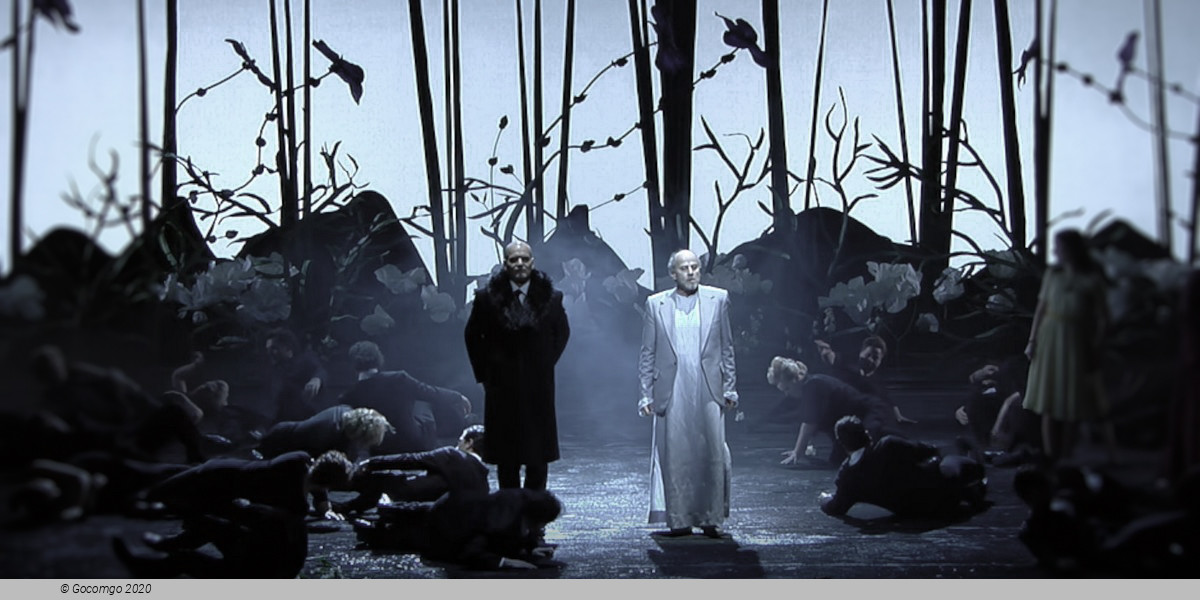
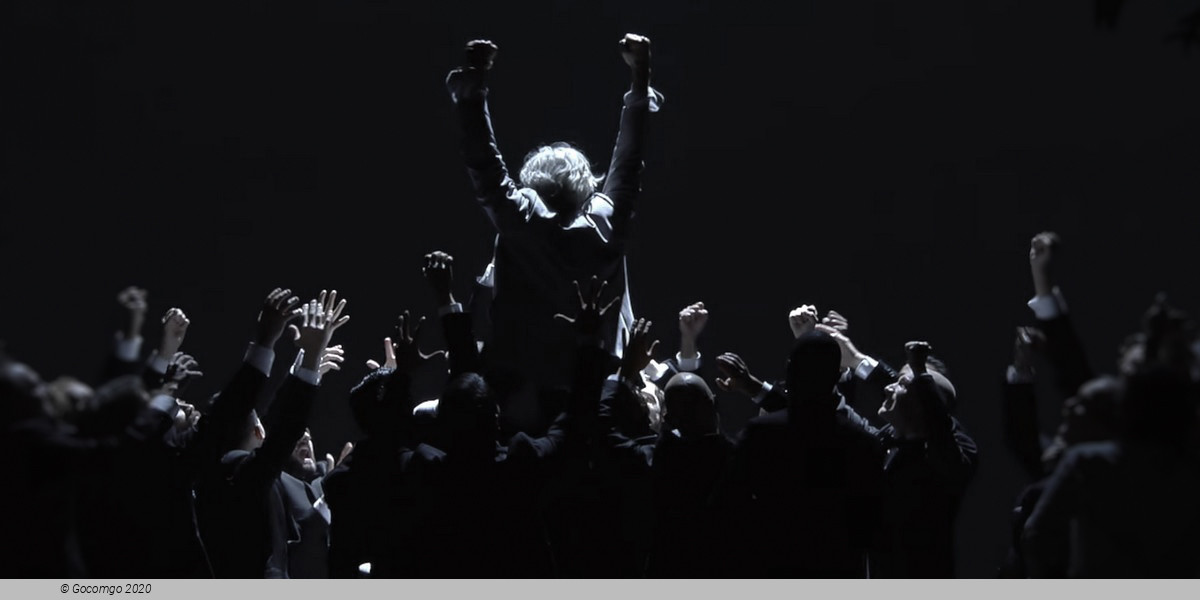
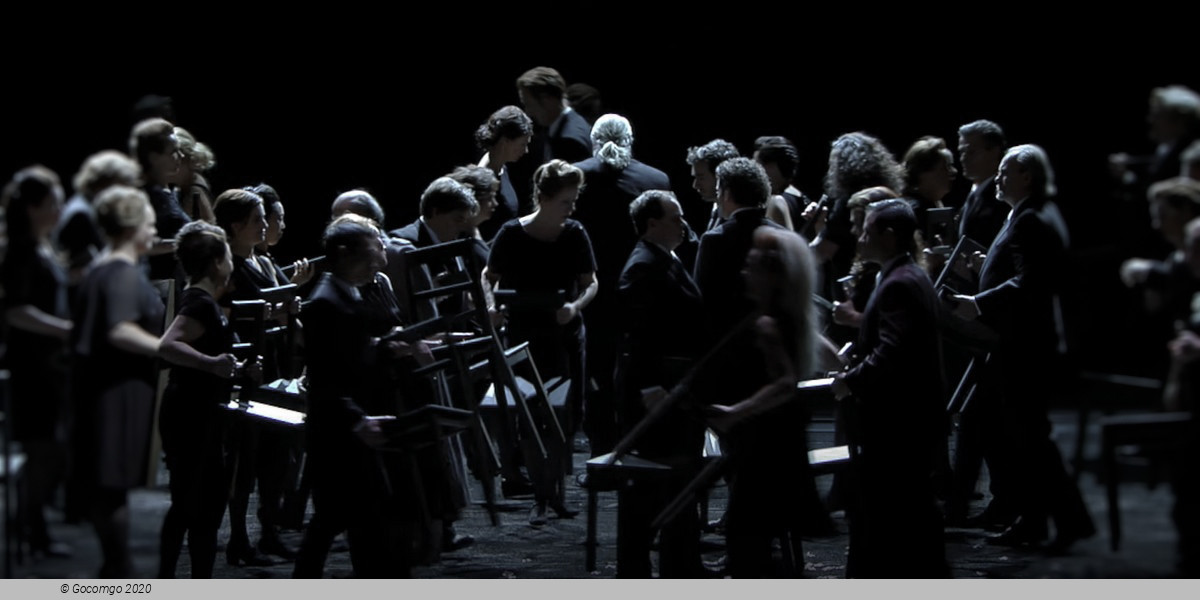
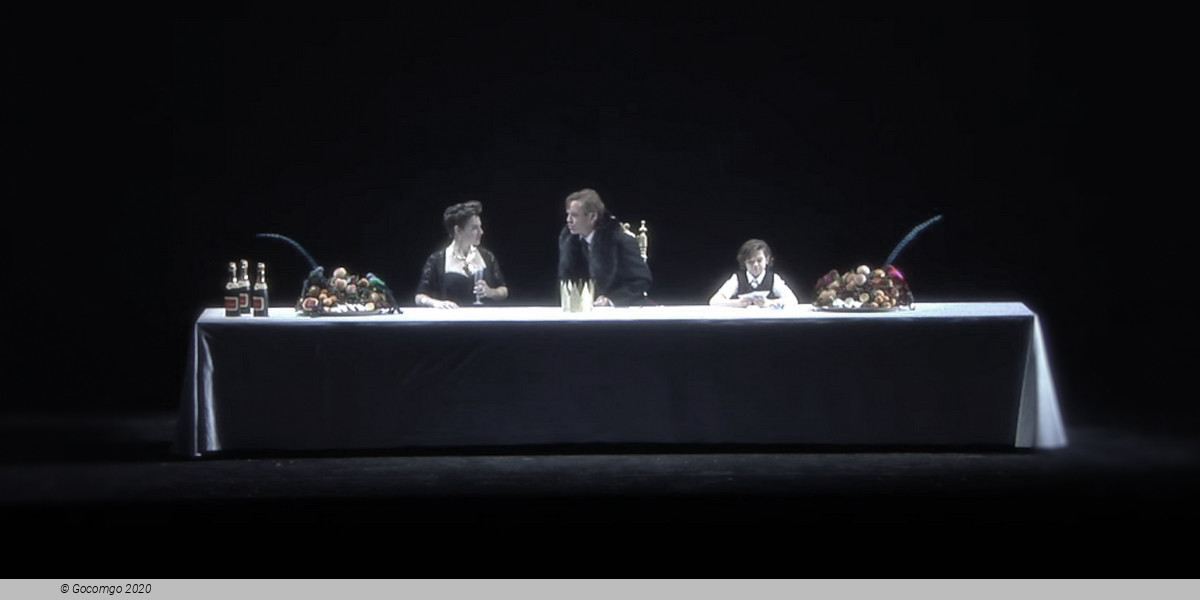
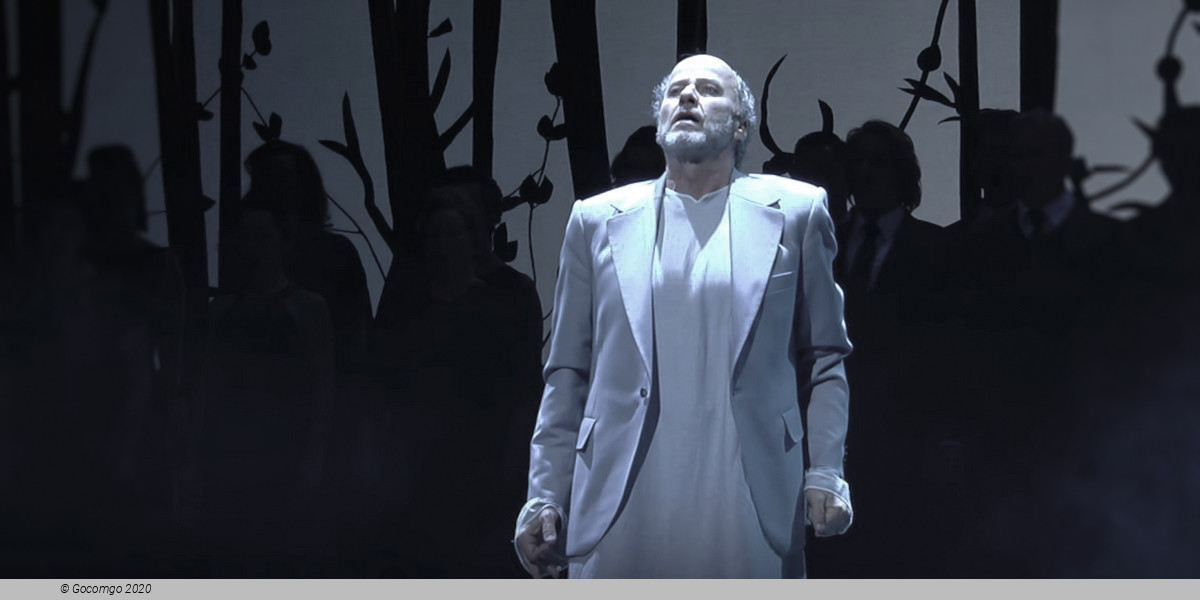
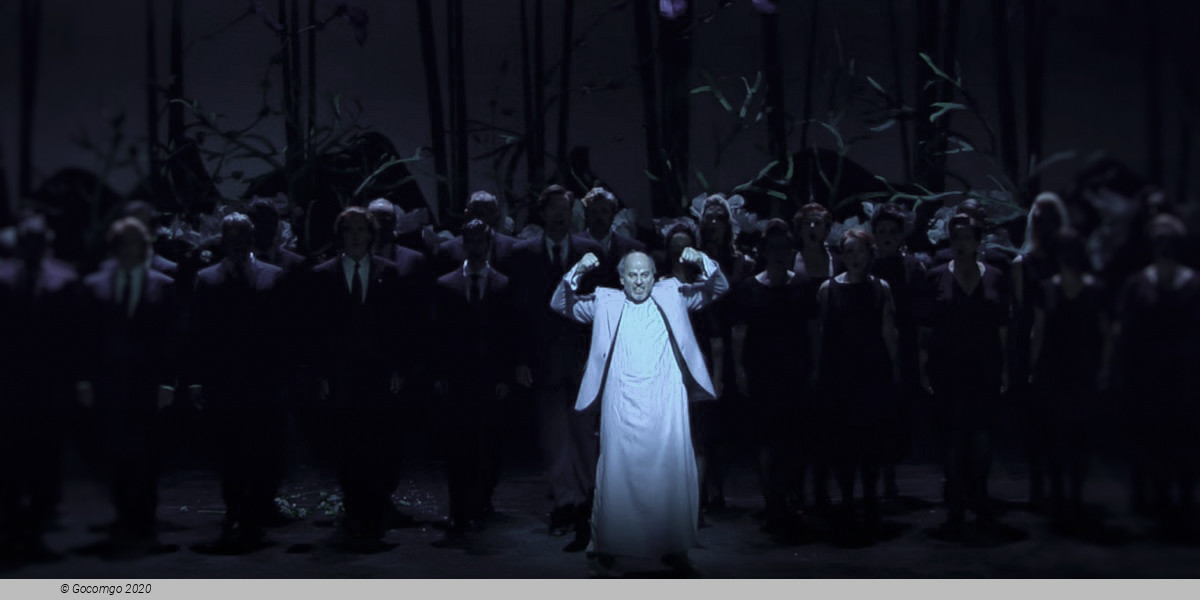
"Whatever is, is right!" – The internationally renowned director Richard Jones pays tribute to the profound and virtuosic Baroque composer George Frideric Handel. The oratorio Jephtha is a radical inquiry into the nature of human existence with arias and choruses of poignant and jolting intensity – interpreted from the orchestra pit by the Baroque specialist Christian Curnyn.

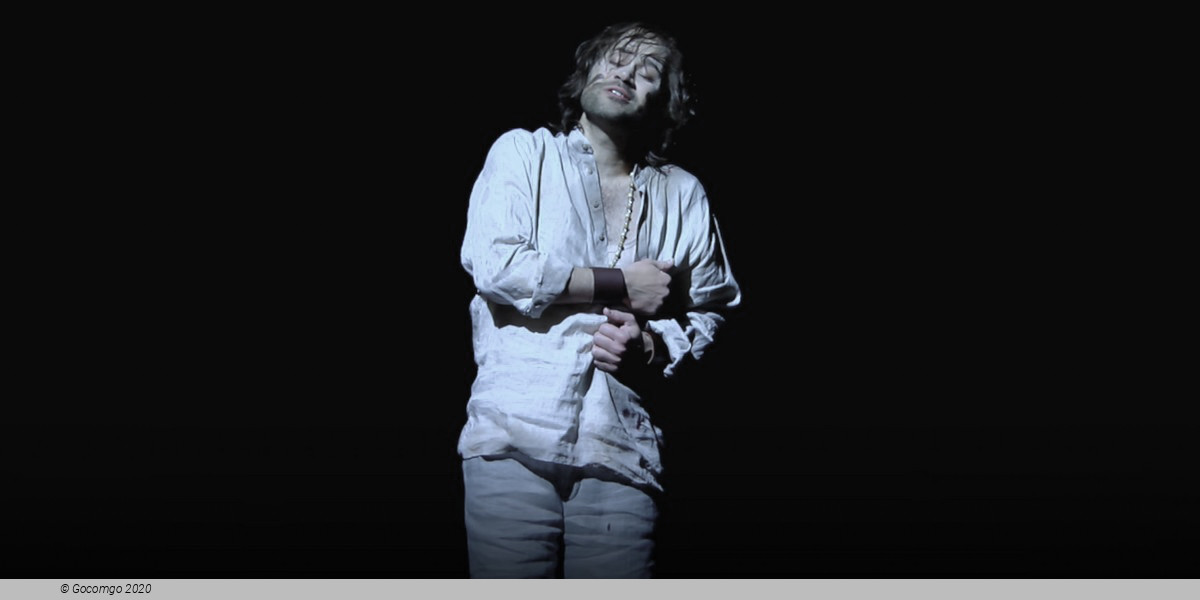
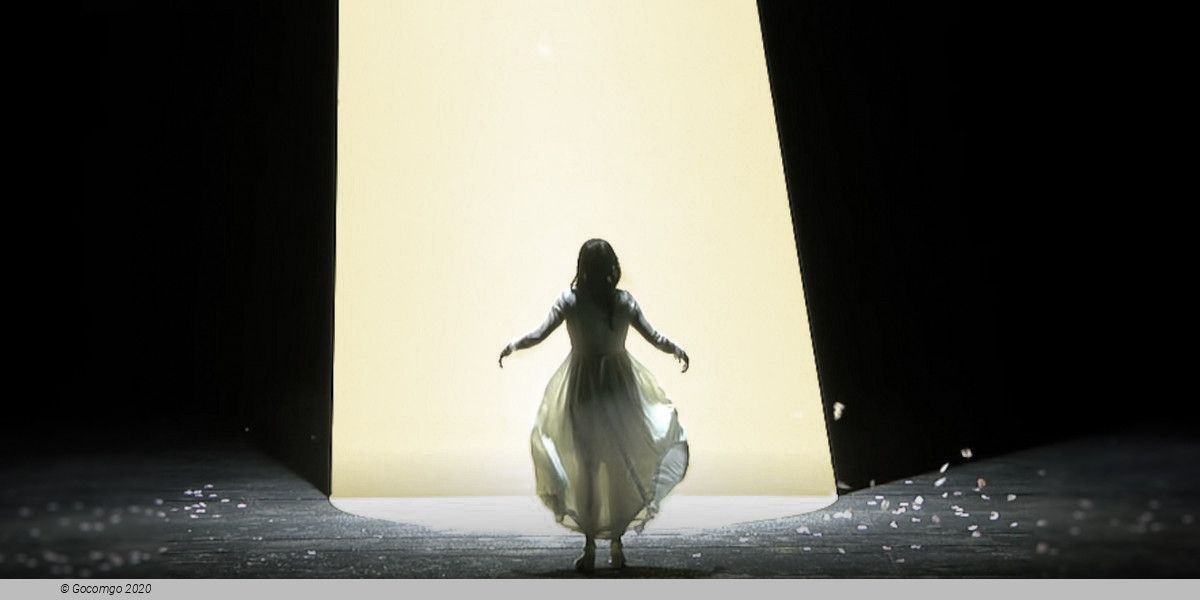
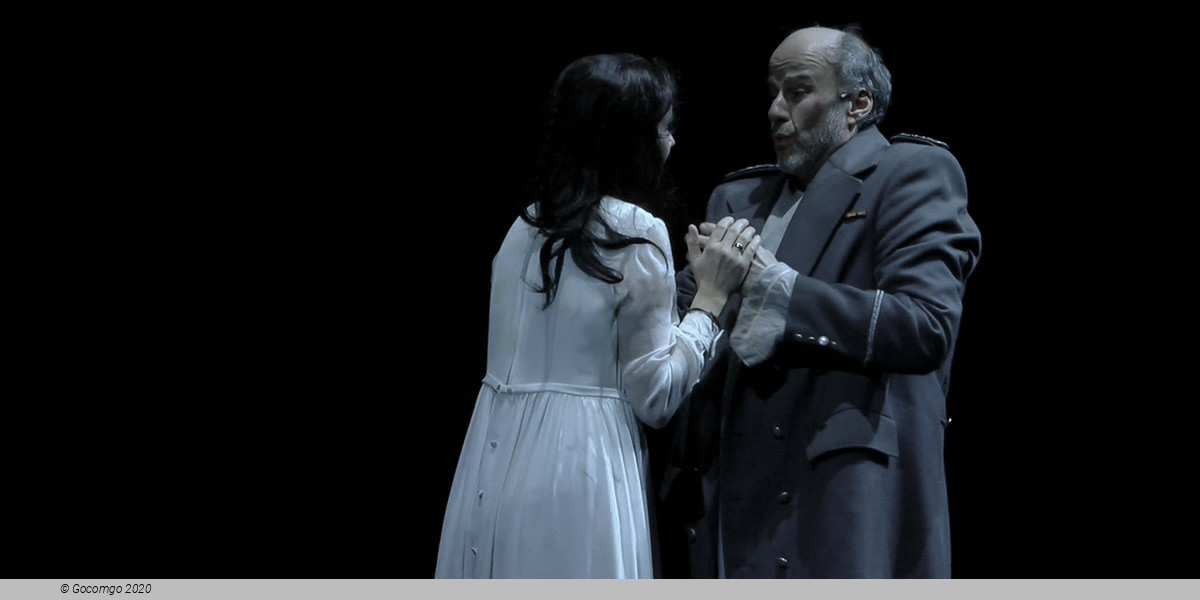
He swore an oath to his God whose help he called upon in battle. Now Jephtha, victorious, must keep his promise to sacrifice the first creature he meets on his return home – his daughter, Iphis, his only child. Father and daughter struggle with their cruel fate, with themselves, their love, and their faith, and finally submit to the agony of the inevitable.
The gripping story of judge Jephtha, who offers his daughter as a human sacrifice, is one of the most mysterious accounts in the Tanach, the Hebrew Bible. Handel composed the work for a libretto written by Thomas Morell. A representative of the early Enlightenment, Handel completed the work in February 1751, despite his suffering bitterly from rapid loss of eyesight. The oratorio touches on the fundamental conflicts concerning faith, community, and reason that permeate the lives of mortals. The work has often been described as the composers "testament". With jubilant tones and melancholic passages that exhibit occasional "romantic" aspects, the work seems to anticipate the sounds of later generations. In contrast to SemeleJephtha enthralls the listener with reflective and stirring chorus passages, the most famous of which is dedicated to God’s dark decrees. In the end, to affirm a contradictory world: "Whatever is, is right!".

History
Premiere of this production: 26 February 1752, Covent Garden Theatre

Jephtha is an oratorio (1751) by George Frideric Handel with an English language libretto by the Rev. Thomas Morell, based on the story of Jephtha in Judges (Chapter 11) and Jephthes sive votum (Jeptha or the Vow) (1554) by George Buchanan. Whilst writing Jephtha, Handel was increasingly troubled by his gradual loss of sight, and this proved to be his last oratorio. In the autograph score, at the end of the chorus "How dark, O Lord, are thy decrees" he wrote "Reached here on 13 February 1751, unable to go on owing to weakening of the sight of my left eye."

Synopsis

Act 1

The Israelites have been under the rule of the neighbouring Ammonites for eighteen years and have adopted many of their ways and worship of their gods. They face the loss of their country and their religious identity unless they rebel, as Zebul tells them (Accompanied recitative:It must be so). Zebul advises them to recall his half-brother Jephtha from exile so he can lead them to freedom and to repent of their worship of the Ammonites' idols (Air:Pour forth no more unheeded pray'rs). The Israelites vow to stop their sacrifices to the Ammonite gods Moloch ( a god associated with child sacrifice) and Chemosh and thenceforth to worship Jehovah only(Chorus: No more to Ammon's god and king). Jephtha, trusting in his own virtue, agrees to lead the Israelites in battle against their enemies on condition that if he is victorious he will be their leader in peacetime afterwards (Air:Virtue my soul shall still embrace). His wife Storgé supports his mission to win freedom for their country but will miss him sorely while he is away (Air:In gentle murmurs will I mourn). Iphis, only child of Jephtha and Storgé, is asked by her sweetheart Hamor to marry him soon (Air:Dull delay, in piercing anguish) but she tells him to prove himself worthy of her by fighting valiantly under her father's command first (Air:Take the heart you fondly gave). He agrees to this and the pair look forward to a happy future together after their country has achieved its freedom (Duet:These labours past, how happy we!) Jephtha, alone, vows to the Almighty that if he is allowed to win victory over Israel's enemies, he will sacrifice to God the first living thing he sees upon his return after the battle(Accompanied recitative:What mean these doubtful fancies of the brain?) The Israelites implore divine assistance (Chorus:O God, behold our sore distress). Jephtha's wife Storgé is unaware of her husband's rash vow but she is experiencing presentiments of tragedy (Air:Scenes of horror, scenes of woe). She explains to her daughter that she has had dreams of danger to Iphis, but Iphis attempts to dismiss her mother's nightmares as meaningless (Air:The smiling dawn of happy days). The Israelites have sent an embassy to the king of the Ammonites offering peace terms, but it has been rejected. Therefore, Jephtha orders the Israelites to prepare for war and they express their confidence that God will aid them (Chorus:When His loud voice in thunder spoke).

Act 2

Hamor brings Iphis the welcome news that her father has utterly vanquished the Ammonites in battle. The Israelites celebrate their resounding victory, which they ascribe to angelic assistance (Chorus:Cherub and seraphim). Having proved himself in the battle, Hamor hopes that Iphis will now agree to marry him (Air:Up the dreadful steep ascending). Iphis prepares to go out to congratulate her father with other young girls, greeting him with song and dance (Air:Tune the soft melodious lute). Zebul is jubilant that Jephtha has won liberty for his people (Air:Freedom now once more possessing) but Jephtha insists that the glory is the Lord's (Air:His mighty arm, with sudden blow).The Israelites offer thanks to God (Chorus: In glory high, in might serene). Iphis leads a procession of young girls singing and dancing to welcome her father's return (Air:Welcome as the cheerful light and Chorus of Virgins: Welcome thou) but Jephtha is horrified that his daughter is the first living thing he has seen on his return and orders her to leave him. His vow requires him to sacrifice his only child, but he would prefer to die himself (Air:Open thy marble jaws, O tomb). He explains to his wife, brother and Hamor that having made this rash vow he must now kill his daughter. His wife vehemently rejects this horrific prospect (Accompanied recitative:First perish thou and air:Let other creatures die) and Hamor pleads to be allowed to die in his sweetheart's place (Air:On me let blind mistaken zeal). All three implore Jephtha not to carry out his cruel vow but he insists that he has no choice (Quartet:Oh, spare your daughter). Iphis returns, having heard of her father's vow (Accompanied recitative: Such news flies swift) and accepts that she must now be killed by the hand of her father (Air:Happy they). Jephtha is deeply anguished (Accompanied recitative:Deeper, and deeper still) but still feels he must fulfill his vow. The Israelites comment on the unknowable ways of God (Chorus:How dark, O Lord, are Thy decrees).

Act 3

In intense distress, Jephtha prepares to take his beloved daughter's life (Accompanied recitative:Hide thou thy hated beams) and prays that she may be received into heaven (Air:Waft her, angels, through the skies). Iphis is resigned to her fate (Air:Farewell, ye limpid springs and floods) and the assembled priests preach submission to the divine will (Chorus of priests:Doubtful fear and rev'rent awe). As Jephtha lifts the sacrificial knife however, heavenly music is heard and an angel appears, declaring that human sacrifice is not pleasing to God. Iphis must be dedicated to God's service and stay a virgin through life, but she will live (Air:Happy, Iphis shalt thou live). The priests praise God's mercy (Chorus:Theme sublime of endless praise). The rest of Jephtha's family come in and Zebul proclaims that Iphis' faith and courage will forever be remembered (Air:Laud her, all ye virgin train). Storgé is relieved and happy that her daughter will not be put to death (Air: Sweet as sight to the blind) and Hamor is also glad Iphis will be safe though he mourns the fact that she can never be his wife (Air:'Tis Heav'n's all-ruling pow'r). Iphis hopes he will find another love as she dedicates herself to serve God alone throughout her life (Air:All that is in Hamor mine) and promises to hold him in esteem as he accepts her decision (Duet:Freely I to Heav'n resign). All express their joy (Quintet:Joys triumphant crown thy days).

Venue Info

Komische Oper Berlin - Berlin
Location   Behrenstraße 55-57

The Komische Oper Berlin is a German opera company based in Berlin. The company produces opera, operetta and musicals.

The opera house is located on Behrenstraße, just a few steps from Unter den Linden. Since 2004, the Komische Oper Berlin, along with the Berlin State Opera, the Deutsche Oper Berlin, the Berlin State Ballet, and the Bühnenservice Berlin (Stage and Costume Design), has been a member of the Berlin Opera Foundation.

The theatre was built between 1891 and 1892 by architects Ferdinand Fellner and Hermann Helmer for a private society. It first opened on 24 September 1892 as "Theater Unter den Linden" with Adolf Ferron's operetta Daphne and Gaul and Haßreiter's ballet Die Welt in Bild und Tanz.

The theatre was primarily a vehicle for operetta, but was also used for various other events and balls. Around 800 people could be seated in the stalls, and the balconies and various en-suite dinner rooms housed about a further 1,700 seats. Its directors went bankrupt in 1896 and the theatre was forced to close its doors.

On 3 September 1898 the theatre was reopened as Metropol-Theater with Julius Freund's revue Paradies der Frauen. It then grew to become one of Berlin's most famous and successful variety theatres. During the 1920s and early 1930s, it was leased by the brothers Alfred and Fritz Rotter. Under their management, it saw the premieres of two operettas by Franz Lehár - Friederike (opera) in 1928 and Das Land des Lächelns in 1929, both starring Richard Tauber. However, due to a decline of variety and music hall entertainment the theatre was again closed in 1933.

In 1934 the theatre was nationalised and renamed Staatliches Operettentheater. It operated as part of the Nazi Kraft durch Freude entertainment and leisure programmes. During World War II, the auditorium was damaged by Allied bombing on 7 May 1944. The façade, entrance hall, and auditorium ceiling murals were destroyed by bombs on 9 March 1945.

After the war, the theatre was in East Germany, being that the building was in the eastern part of Berlin. Following repair works and provisional rebuilding, the theatre reopened on 23 December 1947, as the Komische Oper with Johann Strauss's operetta Die Fledermaus.

The 1950s saw various further alterations and extensions. The theatre was completely rebuilt in 1965/1966 by Architektenkollektiv Kunz Nierade, adding functional extensions and giving the theatre a completely new exterior. The theatre reopened again on 4 December 1966, with Mozart's Don Giovanni. The auditorium underwent further restoration in 1986, and the stage technology was further modernised by 1989. Today the theatre seats 1,270.

In 1947, Walter Felsenstein founded and led the resident opera company, the Komische Oper, until his death in 1975. Götz Friedrich was an assistant to Felsenstein at the company. Joachim Herz became general director after Felsenstein's death and served until 1981. Subsequently, Harry Kupfer directed the company for 21 seasons, until 2002. The company specializes in German language productions of opera, operetta and musicals. In 2007 the company won, jointly with Oper Bremen, the "Opera house of the year" award by the German magazine Opernwelt. From 2002 to 2012, the company's chief director and Intendant was Andreas Homoki. In June 2008, the company announced the appointment of Barrie Kosky to succeed Homoki as its next Intendant, as of the 2012/2013 season. In October 2014, his contract with the company was extended through 2022. Since 2005, the company's managing director has been Susanne Moser.

From 1966 to 2004, the theatre was also home to a resident ballet company – first as the "Tanztheater der Komischen Oper", and then from 1999 as "BerlinBallett – Komische Oper". In 2004, due to budgetary problems, the separate ballet companies of Berlin's three opera houses were merged into a single company called the Staatsballett Berlin.

Past General Music Directors (GMD) of the company have included Kurt Masur, Rolf Reuter, Yakov Kreizberg, Kirill Petrenko, Carl St.Clair, and Patrick Lange. Since 2012, the GMD of the company is Henrik Nánási. Nánási is scheduled to conclude his tenure at the end of the 2017-2018 season. In May 2017, the company announced the appointment of Ainārs Rubiķis as its next GMD, effective with the 2018-2019 season, with an initial contract of 3 seasons.

Important Info
Type: Oratorio
City: Berlin, Germany
Starts at: 19:30
Acts: 3
Sung in: English
Top of page