Komische Oper Berlin 2 April 2023 - La Cage aux Folles | GoComGo.com

La Cage aux Folles

Komische Oper Berlin, Main Stage, Berlin, Germany
All photos (10)
Select date and time
6 PM
Request for Tickets
Important Info
Type: Musical
City: Berlin, Germany
Starts at: 18:00
Acts: 2
Sung in: German

E-tickets: Print at home or at the box office of the event if so specified. You will find more information in your booking confirmation email.

You can only select the category, and not the exact seats.
If you order 2 or 3 tickets: your seats will be next to each other.
If you order 4 or more tickets: your seats will be next to each other, or, if this is not possible, we will provide a combination of groups of seats (at least in pairs, for example 2+2 or 2+3).

Overview

“I am what I am, and what I am is no secret”—And it shouldn’t be! In 1983, the beat of freedom resounded from Broadway to London, Paris, Vienna and Berlin, and heralded the triumphant advance of a musical that makes everyone wishing for a life outside of petty conventions breathe a sigh of relief. A plea to trust one’s own feelings, not to pretend, and thus make the world a more colorful, beautiful and habitable place.

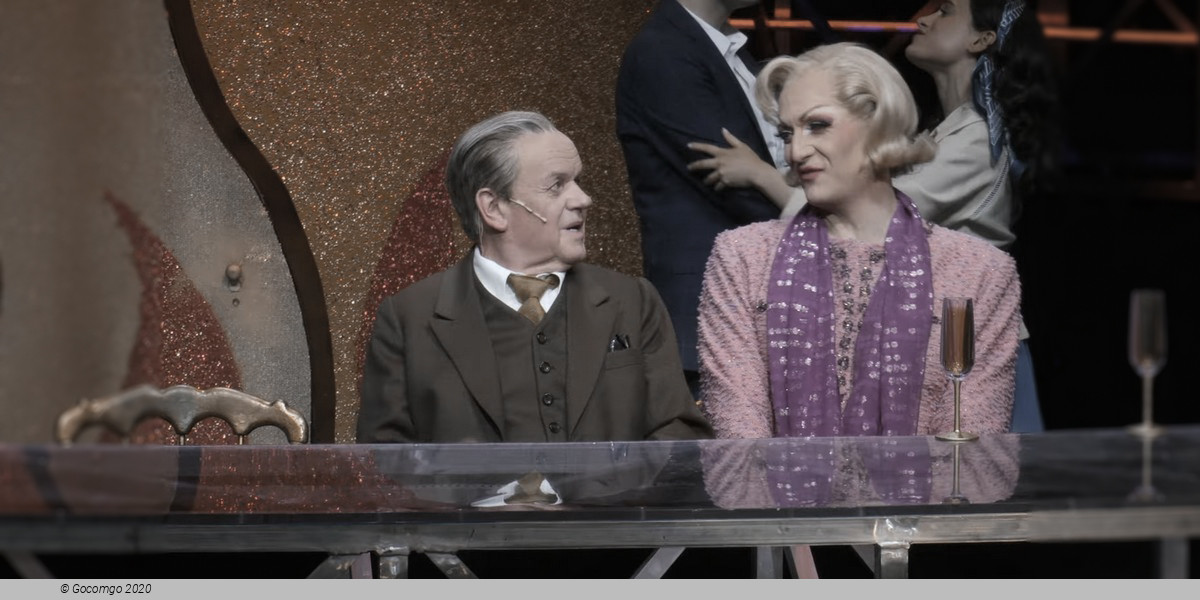
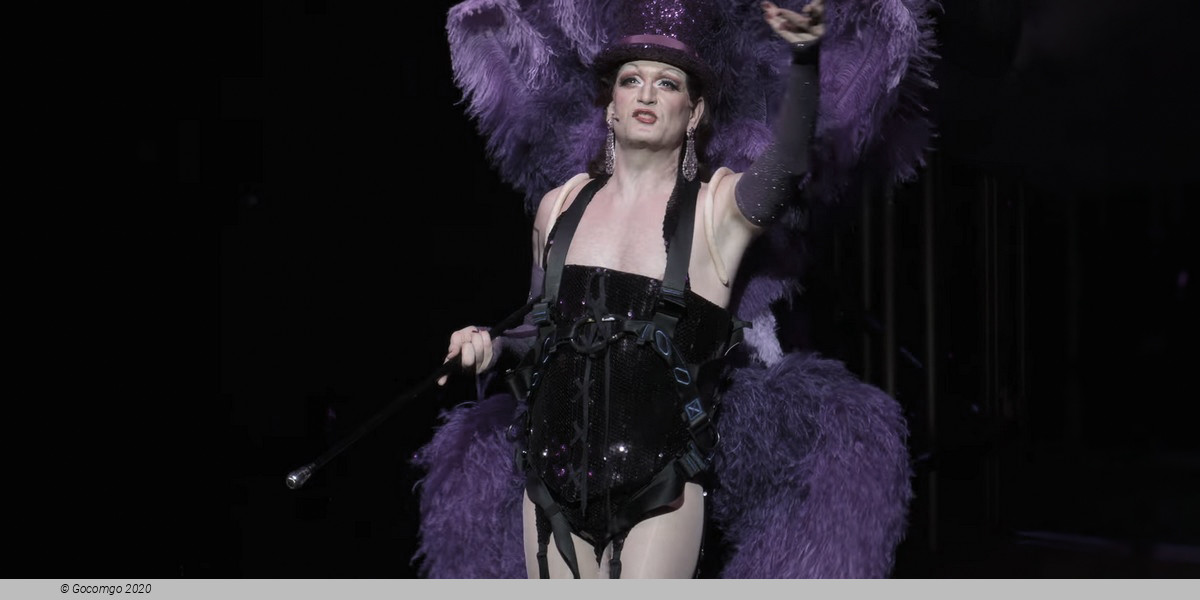
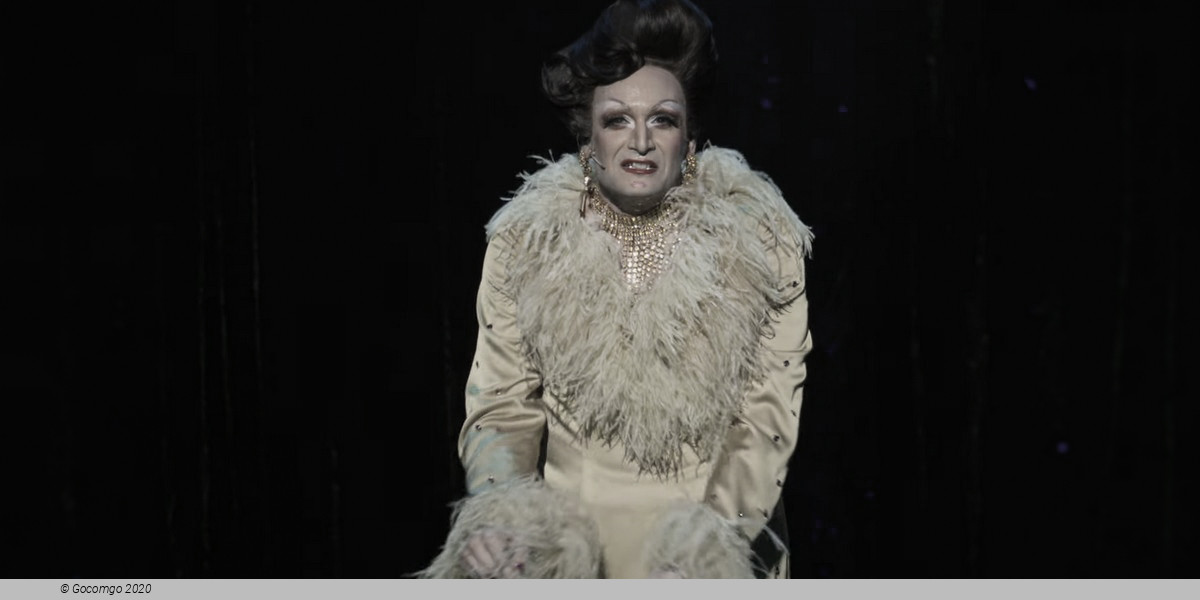
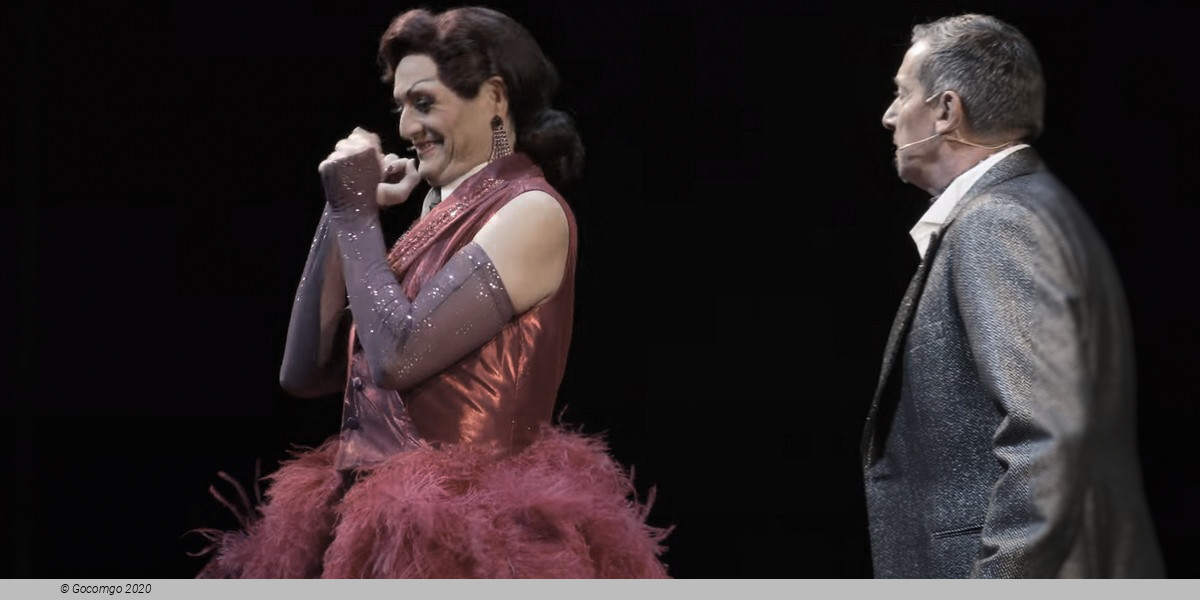
Georges runs the extremely successful nightclub La Cage aux Folles. The absolute star is his partner in life, the drag queen Zaza, alias Albin—a parade role for actor Stefan Kurt. Apart from Zaza's capricious capers, things are going well at the club until one day, Jean-Michel, George’s son from a previous relationship, turns up. Jean-Michel loves his father and Zaza, who raised him together, but he especially loves Anne, daughter of an ultra-conservative politician. He wants to marry her and, to Zaza’s greatest disappointment, asks Georges to come alone to the first meeting with the family. When two mothers show up at the dinner with the future in-laws, the chaos is perfect.

Jerry Herman created a classic of the musical genre with La Cage aux Folles. Once you've heard its most famous melody, "I am what I am," you will never forget it. Staged by Barrie Kosky, it becomes an ever-contemporary plea for tolerance and the courage to be true to oneself!

The German premiere in 1985 at the Theater des Westens with Helmut Baumann as Zaza is legendary. Of course, he must not be absent from Barrie Kosky’s production—this time as Jacqueline, Jean-Michel's biological mother!

History
Premiere of this production: 21 August 1983, Palace Theatre, Broadway

La Cage aux Folles is a musical with music and lyrics by Jerry Herman and a book by Harvey Fierstein. Based on the 1973 French play of the same name by Jean Poiret, it tells the story of a gay couple, Georges, the manager of a Saint-Tropez nightclub featuring drag entertainment, and Albin, his romantic partner and star attraction, and the farcical adventures that ensue when Georges's son, Jean-Michel, brings home his fiancée's ultra-conservative parents to meet them. La cage aux folles literally means "the cage of crazy women". However, folles is also a slang term for effeminate homosexuals (queens).

Synopsis

Act I
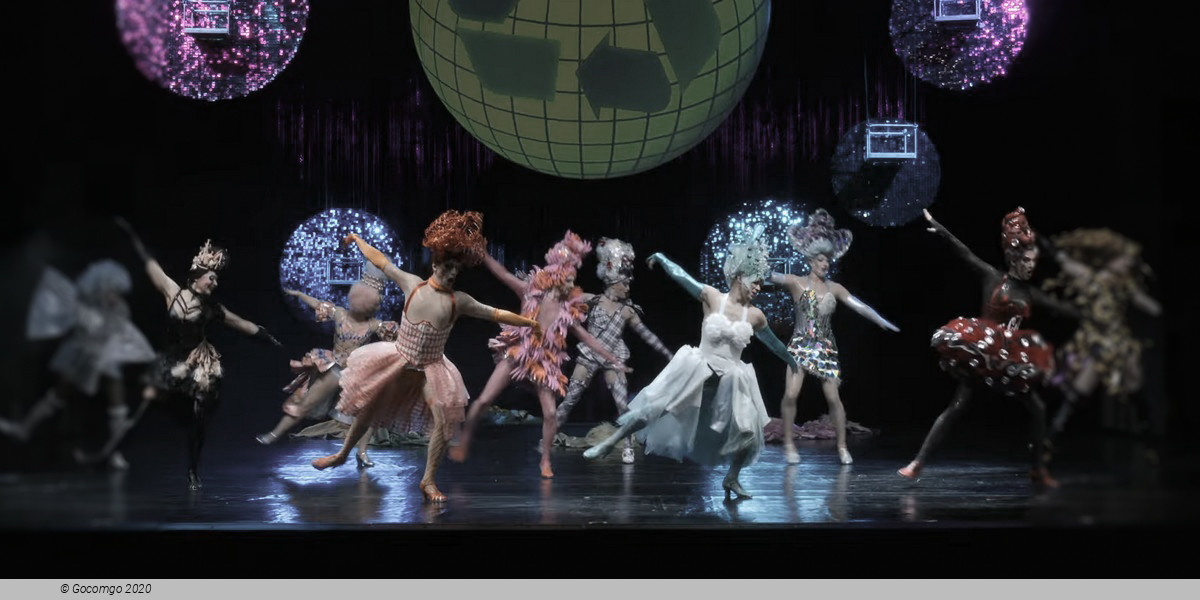
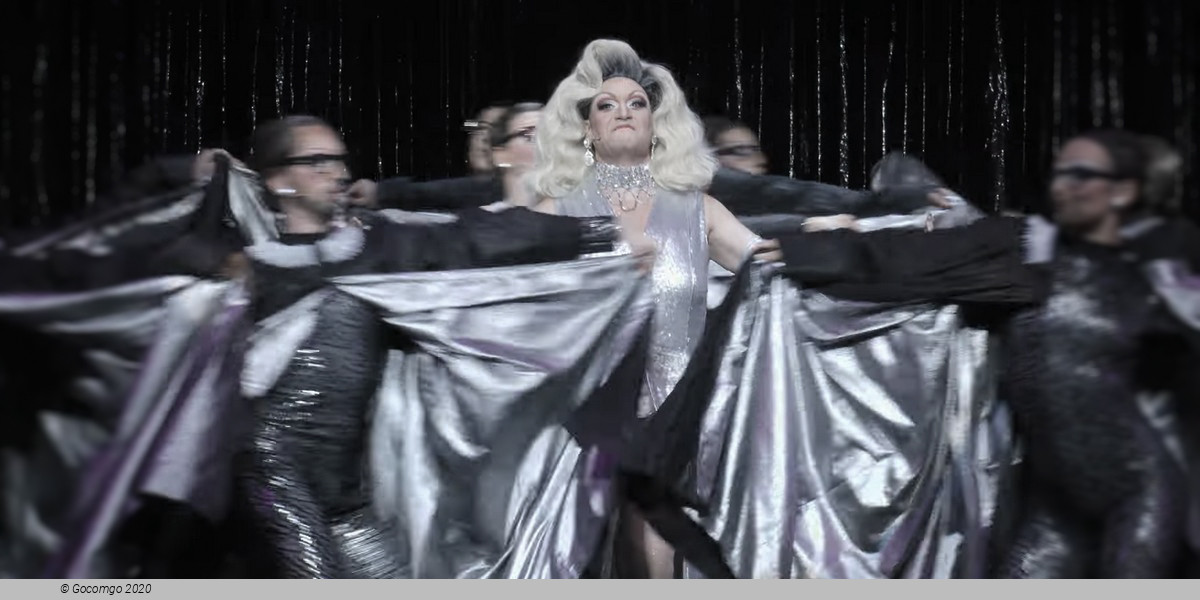
Georges, the master of ceremonies, welcomes the audience to his St. Tropez drag nightclub, "La Cage aux Folles". The chorus line known as Les Cagelles appear and introduce themselves to the audience ("We Are What We Are"). Georges and his "wife", Albin, have lived happily together for many years in an apartment above La Cage with their "maid" Jacob. Albin is a drag queen and the star performer of La Cage aux Folles under the alias of "Zaza".

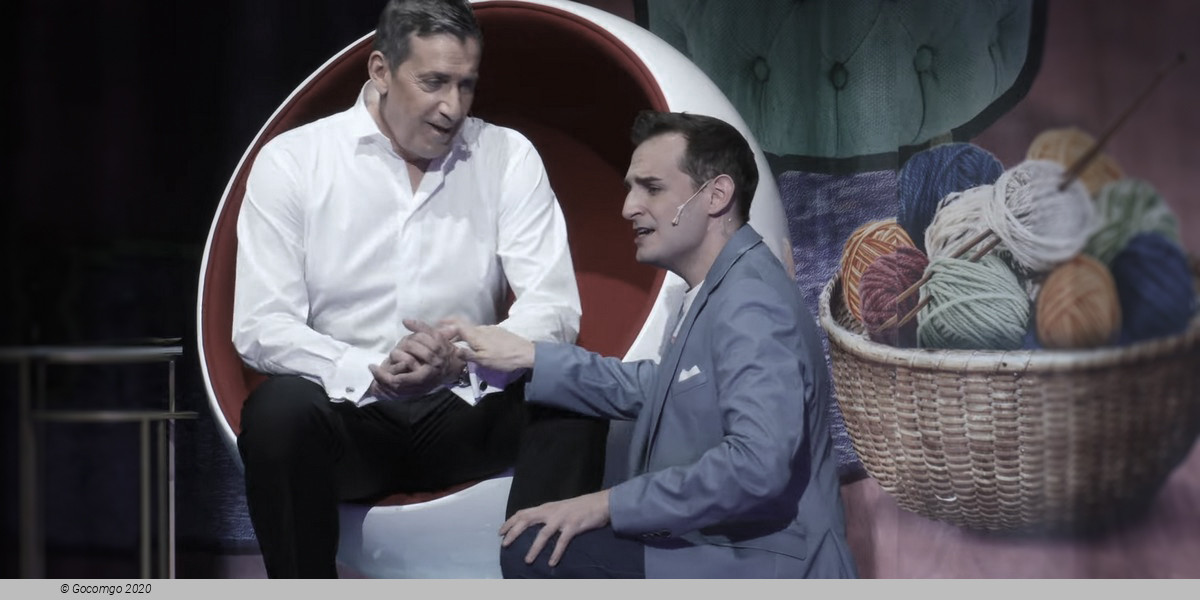
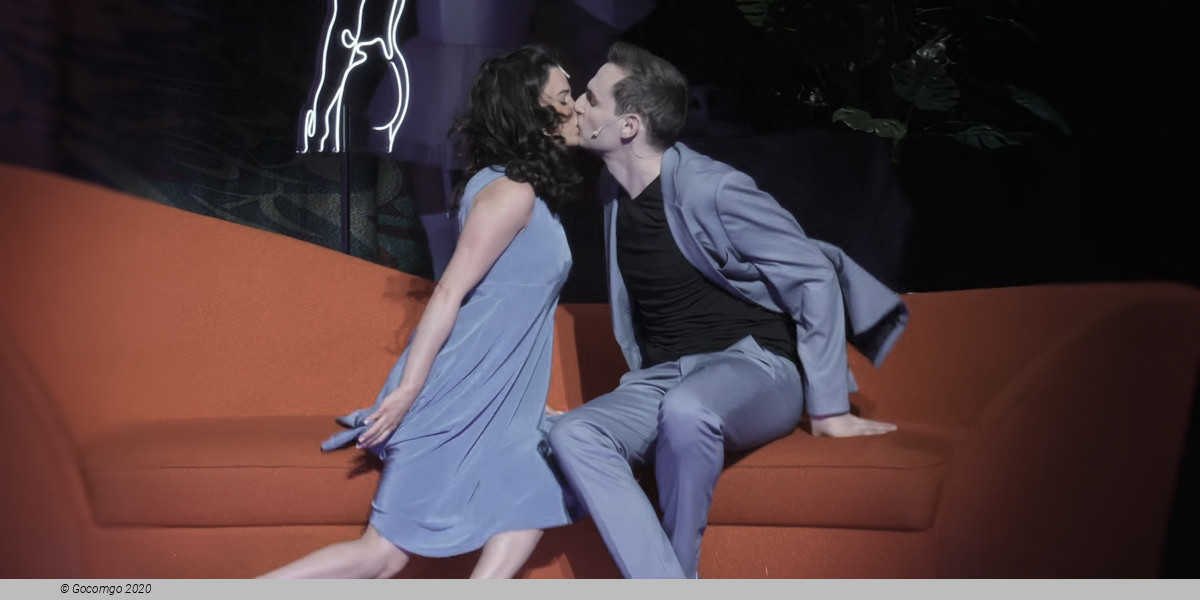
As Albin prepares to perform ("[A Little More] Mascara"), Georges's 24-year-old son Jean-Michel (the offspring of a confused, youthful liaison with a woman named Sybil) arrives home with the news that he is engaged to Anne Dindon. Georges is reluctant to approve of Jean-Michel's engagement, but Jean-Michel assures his father that he is in love with Anne ("With Anne on My Arm"). Unfortunately, her father is head of the "Tradition, Family and Morality Party", whose stated goal is to close the local drag clubs. Anne's parents want to meet their daughter's future in-laws. Jean-Michel has lied to his fiancée, describing Georges as a retired diplomat. Jean-Michel pleads with Georges to tell Albin to absent himself (and his flamboyant behaviors) for the visit - and for Georges to redecorate the apartment in a more subdued fashion. Jean-Michel also asks Georges to invite Sybil, who has barely seen him since his birth, to dinner in Albin's stead. Albin returns from the show to greet his son when Georges suggests that they take a walk ("With You on My Arm").

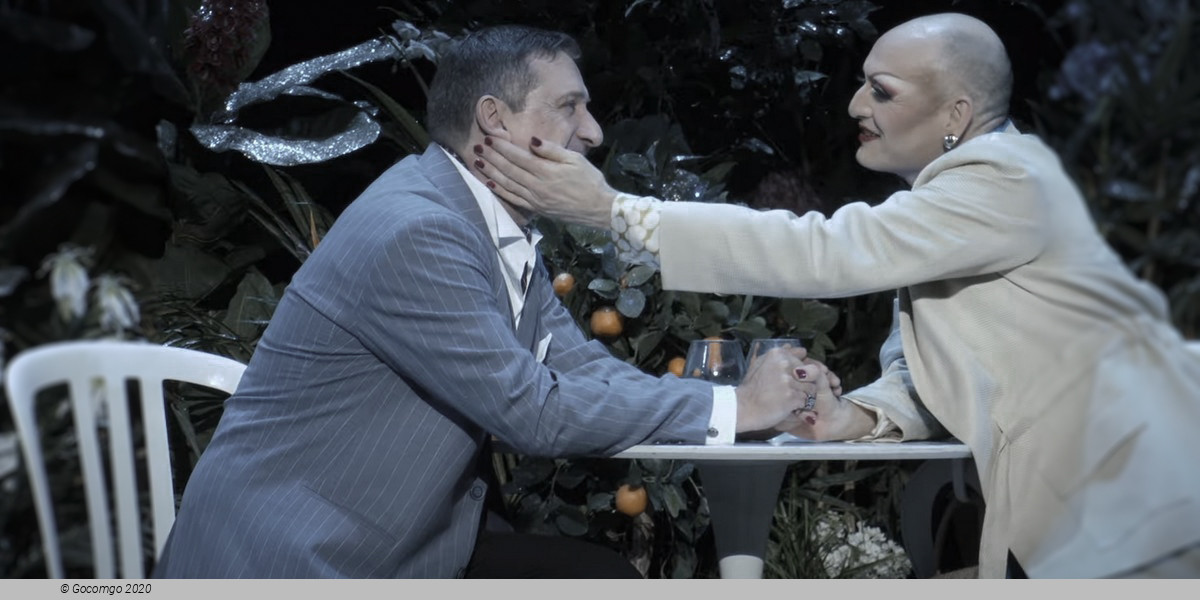
Georges takes Albin to the Promenade Café, owned by Monsieur and Madame Renaud, where he attempts to soften Albin's emotions before telling him of Jean-Michel's request ("Song on the Sand"). Before Georges can break the news to him, Albin suggests that they hurry back to La Cage to make it in time for the next show. They arrive in time and Albin takes the stage once more as Zaza ("La Cage aux Folles"). While Albin is performing, Georges and Jean-Michel quickly redecorate the house. While Albin is changing for his next number, he notices the two carrying his gowns and demands to know what is going on. Georges finally tells Albin of Jean-Michel's plan and expects Albin to explode with fury, but he remains silent. Albin then re-joins Les Cagelles onstage, tells them to leave, and begins to sing alone in defiance of Jean-Michel, stating that he is proud of who he is and refuses to change for anyone ("I Am What I Am"). He throws his wig at Georges and departs in a huff.

Act II
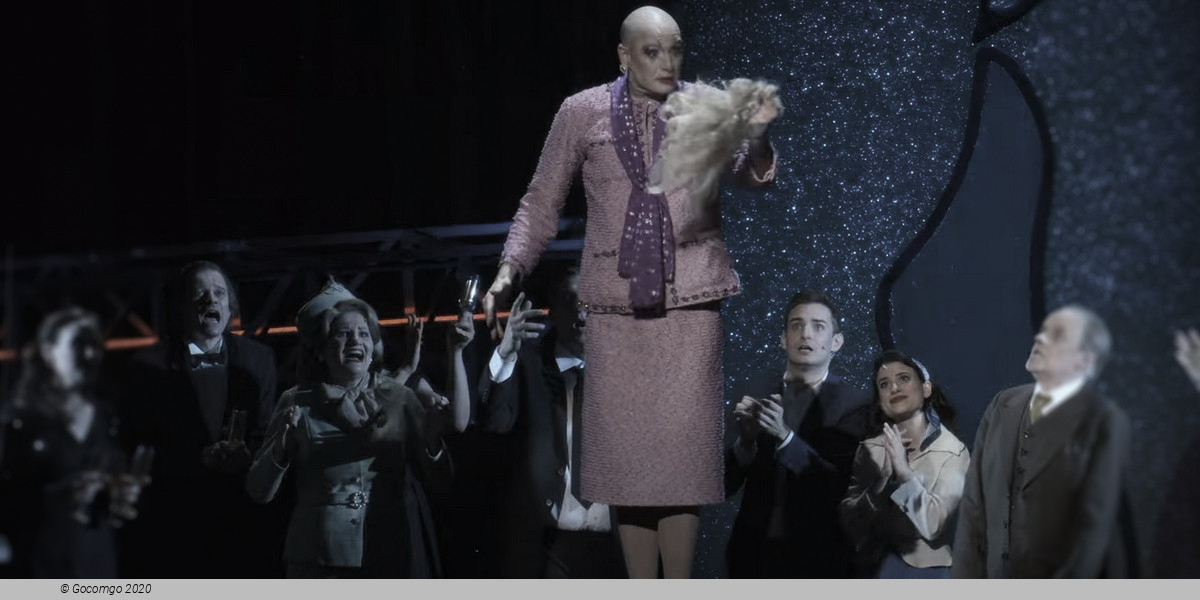
The next morning, Georges finds Albin at the Promenade Café after his abrupt departure and apologizes ("Song on the Sand [Reprise]"). He then suggests to Albin that he dress up for dinner as macho "Uncle Al". Albin is still upset, but reluctantly agrees to act like a heterosexual for Jean-Michel. With the help of Monsieur and Madame Renaud, Georges successfully teaches Albin to abandon his flamboyancy ("Masculinity"). Back at the chastely redesigned apartment, Georges shows "Uncle Al" to Jean-Michel. Jean-Michel doesn't like the idea and expresses his dislike for Albin's lifestyle. Georges angrily reminds Jean-Michel of how good of a "mother" Albin has been to him ("Look Over There"). They then receive a telegram that Jean-Michel's mother Sybil is not coming and Anne's parents arrive ("Dishes [Cocktail Counterpoint]"). Hoping to save the day, Albin appears as Jean-Michel's buxom, forty-year-old mother, in pearls and sensible shoes. The nervous Jacob burns the dinner, so a trip to a local restaurant, "Chez Jacqueline", belonging to an old friend of Albin and Georges, is quickly arranged. No one has told Jacqueline of the situation, and she asks Albin (as Zaza) for a song, to which he hesitantly agrees ("The Best of Times"). Everyone in the restaurant begins to take part in the song, causing Albin to yield to the frenzy of performance and tear off his wig at the song's climax, revealing his true identity.

Back at the apartment, the Dindons plead with their daughter to abandon her fiancé, for they are appalled by his homosexual parents, but she is in love with Jean-Michel and refuses to leave him. Jean-Michel, deeply ashamed of the way he has treated Albin, asks his forgiveness ("Look Over There [Reprise]"), which is lovingly granted. The Dindons prepare to depart, but their way is blocked by Jacqueline, who has arrived with the press, ready to photograph the notorious anti-homosexual activists with Zaza. Georges and Albin have a proposal: If Anne and Jean-Michel may marry, Georges will help the Dindons escape through La Cage downstairs. Georges bids the audience farewell while Les Cagelles prepare the Dindons for the grand finale ("La Cage aux Folles [Reprise]"). Georges then introduces the Dindons, dressed in drag as members of the nightclub's revue, and they escape the paparazzi with Jean-Michel and Anne behind them. With everyone gone, Albin enters and he and Georges briefly sing of their love for each other before sharing a kiss ("Finale [With You On My Arm/La Cage aux Folles/Song on the Sand/The Best Of Times]").

Venue Info

Komische Oper Berlin - Berlin
Location   Behrenstraße 55-57

The Komische Oper Berlin is a German opera company based in Berlin. The company produces opera, operetta and musicals.

The opera house is located on Behrenstraße, just a few steps from Unter den Linden. Since 2004, the Komische Oper Berlin, along with the Berlin State Opera, the Deutsche Oper Berlin, the Berlin State Ballet, and the Bühnenservice Berlin (Stage and Costume Design), has been a member of the Berlin Opera Foundation.

The theatre was built between 1891 and 1892 by architects Ferdinand Fellner and Hermann Helmer for a private society. It first opened on 24 September 1892 as "Theater Unter den Linden" with Adolf Ferron's operetta Daphne and Gaul and Haßreiter's ballet Die Welt in Bild und Tanz.

The theatre was primarily a vehicle for operetta, but was also used for various other events and balls. Around 800 people could be seated in the stalls, and the balconies and various en-suite dinner rooms housed about a further 1,700 seats. Its directors went bankrupt in 1896 and the theatre was forced to close its doors.

On 3 September 1898 the theatre was reopened as Metropol-Theater with Julius Freund's revue Paradies der Frauen. It then grew to become one of Berlin's most famous and successful variety theatres. During the 1920s and early 1930s, it was leased by the brothers Alfred and Fritz Rotter. Under their management, it saw the premieres of two operettas by Franz Lehár - Friederike (opera) in 1928 and Das Land des Lächelns in 1929, both starring Richard Tauber. However, due to a decline of variety and music hall entertainment the theatre was again closed in 1933.

In 1934 the theatre was nationalised and renamed Staatliches Operettentheater. It operated as part of the Nazi Kraft durch Freude entertainment and leisure programmes. During World War II, the auditorium was damaged by Allied bombing on 7 May 1944. The façade, entrance hall, and auditorium ceiling murals were destroyed by bombs on 9 March 1945.

After the war, the theatre was in East Germany, being that the building was in the eastern part of Berlin. Following repair works and provisional rebuilding, the theatre reopened on 23 December 1947, as the Komische Oper with Johann Strauss's operetta Die Fledermaus.

The 1950s saw various further alterations and extensions. The theatre was completely rebuilt in 1965/1966 by Architektenkollektiv Kunz Nierade, adding functional extensions and giving the theatre a completely new exterior. The theatre reopened again on 4 December 1966, with Mozart's Don Giovanni. The auditorium underwent further restoration in 1986, and the stage technology was further modernised by 1989. Today the theatre seats 1,270.

In 1947, Walter Felsenstein founded and led the resident opera company, the Komische Oper, until his death in 1975. Götz Friedrich was an assistant to Felsenstein at the company. Joachim Herz became general director after Felsenstein's death and served until 1981. Subsequently, Harry Kupfer directed the company for 21 seasons, until 2002. The company specializes in German language productions of opera, operetta and musicals. In 2007 the company won, jointly with Oper Bremen, the "Opera house of the year" award by the German magazine Opernwelt. From 2002 to 2012, the company's chief director and Intendant was Andreas Homoki. In June 2008, the company announced the appointment of Barrie Kosky to succeed Homoki as its next Intendant, as of the 2012/2013 season. In October 2014, his contract with the company was extended through 2022. Since 2005, the company's managing director has been Susanne Moser.

From 1966 to 2004, the theatre was also home to a resident ballet company – first as the "Tanztheater der Komischen Oper", and then from 1999 as "BerlinBallett – Komische Oper". In 2004, due to budgetary problems, the separate ballet companies of Berlin's three opera houses were merged into a single company called the Staatsballett Berlin.

Past General Music Directors (GMD) of the company have included Kurt Masur, Rolf Reuter, Yakov Kreizberg, Kirill Petrenko, Carl St.Clair, and Patrick Lange. Since 2012, the GMD of the company is Henrik Nánási. Nánási is scheduled to conclude his tenure at the end of the 2017-2018 season. In May 2017, the company announced the appointment of Ainārs Rubiķis as its next GMD, effective with the 2018-2019 season, with an initial contract of 3 seasons.

Important Info
Type: Musical
City: Berlin, Germany
Starts at: 18:00
Acts: 2
Sung in: German
Top of page