Golaud chances on the mysterious Mélisande. He asks her to follow him. Golaud’s mother Geneviève and his grandfather Arkel learn of Golaud’s and Mélisande’s marriage from a letter. Pelléas, Golaud’s half-brother, asks for permission to travel to his dying friend. Having arrived at Golaud’s home Allemonde, Mélisande fears the gloominess of the family estate. Together with Geneviève and Pelléas she watches a departing ship, which she recognises as hers.
Pelléas and Mélisande have a conversation, during which Mélisande loses her wedding ring. When Golaud notices its loss, he sends Mélisande and Pelléas to search for the ring. In the dark the two of them encounter three strange figures and turn back.
Mélisande sings a song. Pelléas approaches. Golaud scolds them both. Pelléas accompanies Golaud into a dark abyss. Golaud asks him to avoid the pregnant Mélisande. He forces his son Yniold to watch Pelléas and Mélisande.
Pelléas wants to leave Allemonde soon and asks Mélisande for one last meeting. Filled with jealousy, Golaud attacks Mélisande until Arkel intervenes. Yniold watches a shepherd as he drives his herd into the stable. Beyond the walls of the castle Pelléas and Mélisande confess their love
for each other. Golaud surprises them and kills Pelléas. Mélisande flees.
Mélisande gives birth to a girl. Golaud begs for forgiveness and urges her to admit to her infidelity. Mélisande dies.
Act 1
Scene 1: A forest
Prince Golaud, grandson of King Arkel of Allemonde, has become lost while hunting in the forest. He discovers a frightened, weeping girl sitting by a spring in which a crown is visible. She reveals her name is Mélisande but nothing else about her origins and refuses to let Golaud retrieve her crown from the water. Golaud persuades her to come with him before the forest gets dark.
Scene 2: A room in the castle
Six months have passed. Geneviève, the mother of the princes Golaud and Pelléas, reads a letter to the aged and nearly blind King Arkel. It was sent by Golaud to his brother Pelléas. In it Golaud reveals that he has married Mélisande, although he knows no more about her than on the day they first met. Golaud fears that Arkel will be angry with him and tells Pelléas to find how he reacts to the news. If the old man is favourable then Pelléas should light a lamp from the tower facing the sea on the third day; if Golaud does not see the lamp shining, he will sail on and never return home. Arkel had planned to marry the widowed Golaud to Princess Ursule in order to put an end to "long wars and ancient hatreds", but he bows to fate and accepts Golaud's marriage to Mélisande. Pelléas enters, weeping. He has received a letter from his friend Marcellus, who is on his deathbed, and wants to travel to say goodbye to him. Arkel thinks Pelléas should wait for the return of Golaud, and also reminds Pelléas of his own father, lying sick in bed in the castle. Geneviève tells Pelléas not to forget to light the lamp for Golaud.
Scene 3: Before the castle
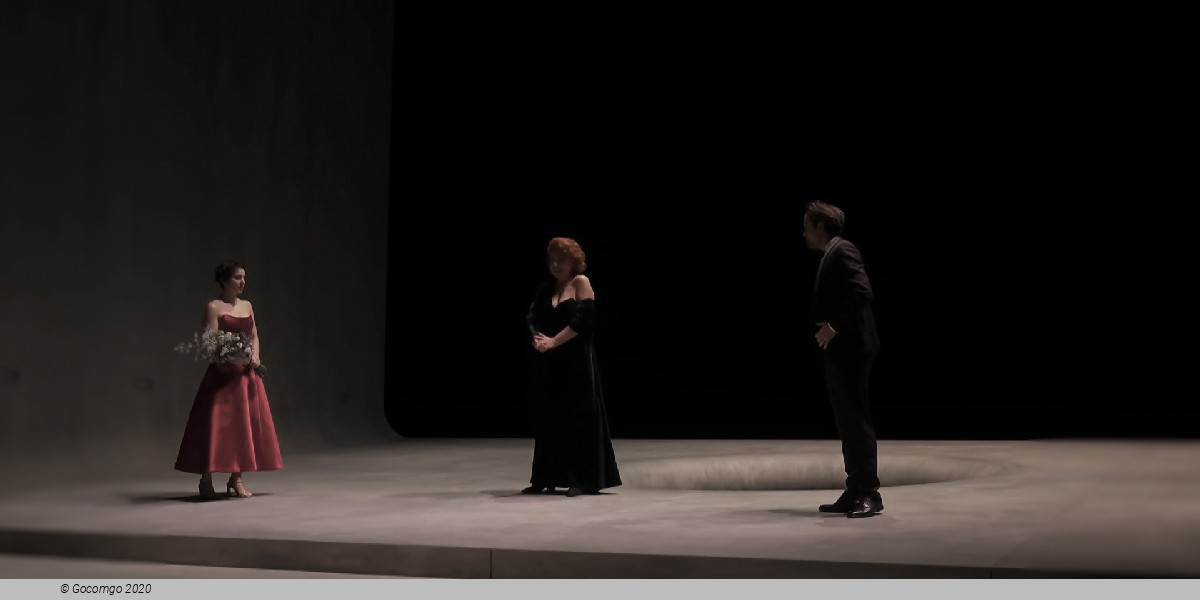
Geneviève and Mélisande walk in the castle grounds. Mélisande remarks how dark the surrounding gardens and forest are. Pelléas arrives. They look out to sea and notice a large ship departing and a lighthouse shining, Mélisande foretells that it will sink. Night falls. Geneviève goes off to look after Yniold, Golaud's young son by his previous marriage. Pelléas attempts to take Melisande's hand to help her down the steep path but she refuses saying that she is holding flowers. He tells her he might have to go away tomorrow. Mélisande asks him why.
Act 2
Scene 1: A well in the park
It is a hot summer day. Pelléas has led Mélisande to one of his favourite spots, the "Blind Men's Well". People used to believe it possessed miraculous powers to cure blindness but since the old king's eyesight started to fail, they no longer come there. Mélisande lies down on the marble rim of the well and tries to see to the bottom. Her hair loosens and falls into the water. Pelléas notices how extraordinarily long it is. He remembers that Golaud first met Mélisande beside a spring and asks if he tried to kiss her at that time but she does not answer. Mélisande plays with the ring Golaud gave her, throwing it up into the air until it slips from her fingers into the well. Pelléas tells her not to be concerned but she is not reassured. He also notes that the clock was striking twelve as the ring dropped into the well. Mélisande asks him what she should tell Golaud. He replies, "the truth."
Scene 2: A room in the castle
Golaud is lying in bed with Mélisande at the bedside. He is wounded, having fallen from his horse while hunting. The horse suddenly bolted for no reason as the clock struck twelve. Mélisande bursts into tears and says she feels ill and unhappy in the castle. She wants to go away with Golaud. He asks her the reason for her unhappiness but she refuses to say. When he asks her if the problem is Pelléas, she replies that he is not the cause but she does not think he likes her. Golaud tells her not to worry: Pelléas can behave oddly and he is still very young. Mélisande complains about the gloominess of the castle, today was the first time she saw the sky. Golaud says that she is too old to be crying for such reasons and takes her hands to comfort her and notices the wedding ring is missing. Golaud becomes furious, Mélisande claims she dropped it in a cave by the sea where she went to collect shells with little Yniold. Golaud orders her to go and search for it at once before the tide comes in, even though night has fallen. When Mélisande replies that she is afraid to go alone, Golaud tells her to take Pelléas along with her.
Scene 3: Before a cave
Pelléas and Mélisande make their way down to the cave in pitch darkness. Mélisande is frightened to enter, but Pelléas tells her she will need to describe the place to Golaud to prove she has been there. The moon comes out lighting the cave and reveals three beggars sleeping in the cave. Pelléas explains there is a famine in the land. He decides they should come back another day.
Act 3
Scene 1: One of the towers of the castle
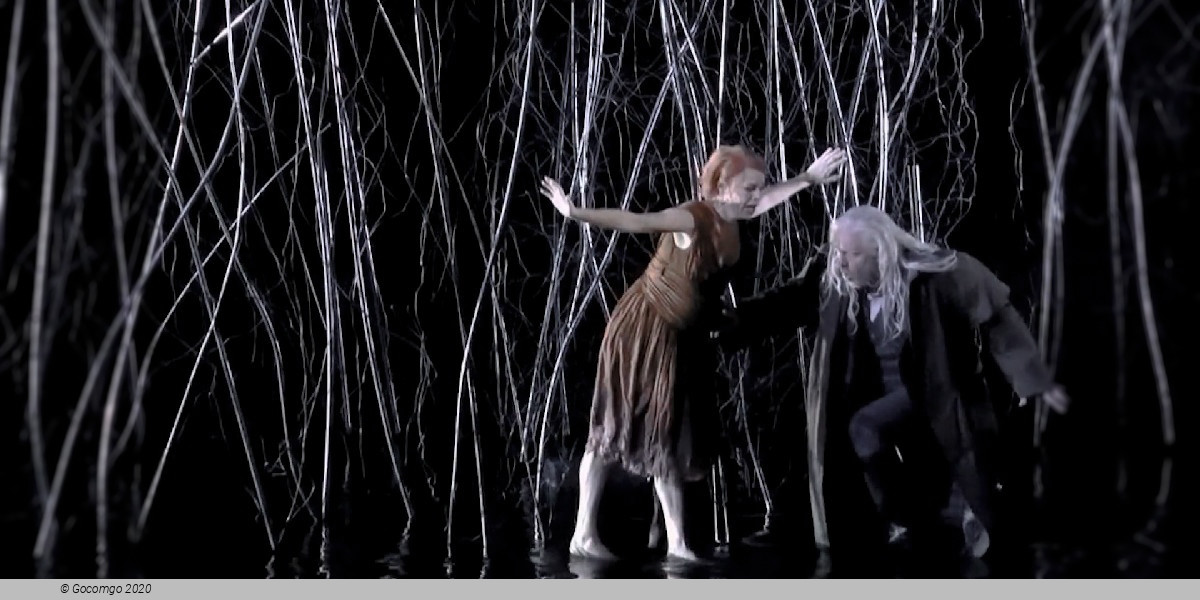
Mélisande is at the tower window, singing a song (Mes longs cheveux) as she combs her hair. Pelléas appears and asks her to lean out so he can kiss her hand as he is going away the next day. He cannot reach her hand but her long hair tumbles down from the window and he kisses and caresses it instead. Pelléas playfully ties Mélisande's hair to a willow tree in spite of her protests that someone might see them. A flock of doves takes flight. Mélisande panics when she hears Golaud's footsteps approaching. Golaud dismisses Pelléas and Mélisande as nothing but a pair of children and leads Pelléas away.
Scene 2: The vaults of the castle
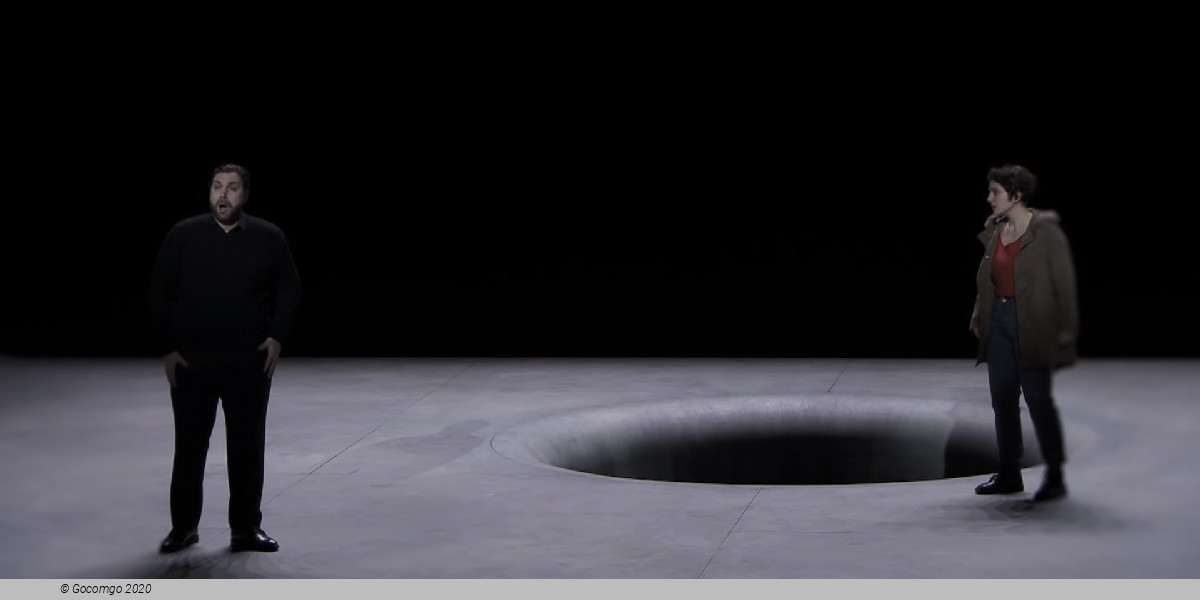
Golaud leads Pelléas down to the castle vaults, which contain the dungeons and a stagnant pool which has "the scent of death". He tells Pelléas to lean over and look into the chasm while he holds him safely. Pelléas finds the atmosphere stifling and they leave.
Scene 3: A terrace at the entrance of the vaults
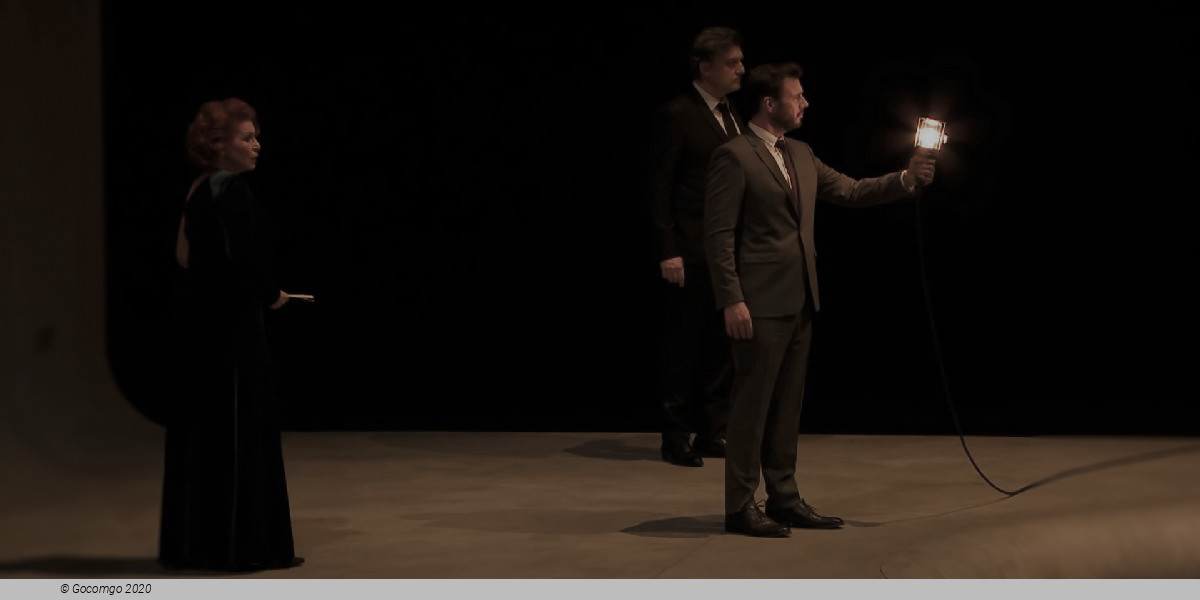
Pelléas is relieved to breathe fresh air again. It is noon. He sees Geneviève and Mélisande at a window in the tower. Golaud tells Pelléas that there must be no repeat of the "childish game" between him and Mélisande last night. Mélisande is pregnant and the least shock might disturb her health. It is not the first time he has noticed there might be something between Pelléas and Mélisande but Pelléas should avoid her as much as possible without making this look too obvious.
Scene 4: Before the castle
Golaud sits with his little son, Yniold, in the darkness before dawn and questions him about Pelléas and Mélisande. The boy reveals little that Golaud wants to know since he is too innocent to understand what he is asking. He says that Pelléas and Mélisande often quarrel about the door and that they have told Yniold he will one day be as big as his father. Golaud is puzzled when learning that they (Pelléas and Mélisande) never send Yniold away because they are afraid when he is not there and keep on crying in the dark. He admits that he once saw Pelléas and Mélisande kiss "when it was raining". Golaud lifts his son on his shoulders to spy on Pelléas and Mélisande through the window but Yniold says that they are doing nothing other than looking at the light. He threatens to scream unless Golaud lets him down again. Golaud leads him away.
Act 4
Scene 1: A room in the castle
Pelléas tells Mélisande that his father is getting better and has asked him to leave on his travels. He arranges a last meeting with Mélisande by the Blind Men's Well in the park.
Scene 2: The same
Arkel tells Mélisande how he felt sorry for her when she first came to the castle "with the strange, bewildered look of someone constantly awaiting a calamity". But now that is going to change and Mélisande will "open the door to a new era that I foresee". He asks her to kiss him. Golaud bursts in with blood on his forehead — he claims it was caused by a thorn hedge. When Mélisande tries to wipe the blood away, he angrily orders her not to touch him and demands his sword. He says that another peasant has died of starvation. Golaud notices Mélisande is trembling and tells her he is not going to kill her with the sword. He mocks the "great innocence" Arkel says he sees in Mélisande's eyes. He commands her to close them or "I will shut them for a long time." He tells Mélisande that she disgusts him and drags her around the room by her hair. When Golaud leaves, Arkel asks if he is drunk. Mélisande simply replies that he does not love her any more. Arkel comments: "If I were God, I would have pity on the hearts of men".
Scene 3: A well in the park
Yniold tries to lift a boulder to free his golden ball, which is trapped between it and some rocks. As darkness falls, he hears a flock of sheep suddenly stop bleating. A shepherd explains that they have turned onto a path that doesn't lead back to the sheepfold, but does not answer when Yniold asks where they will sleep. Yniold goes off to find someone to talk to.
Scene 4: The same
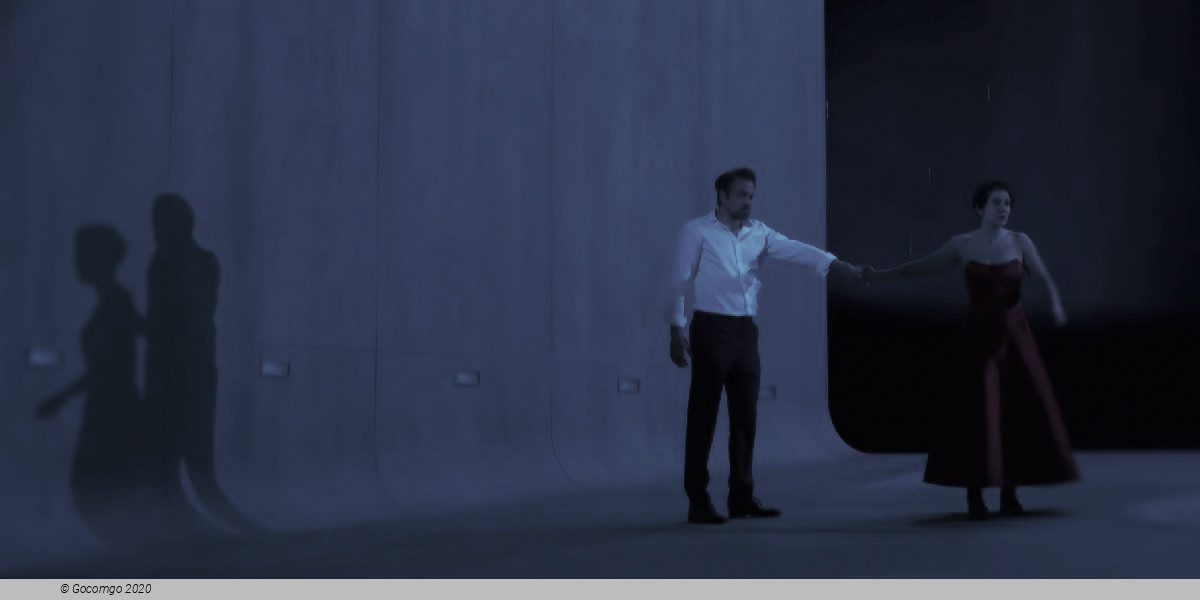
Pelléas arrives alone at the well. He is worried that he has become deeply involved with Mélisande and fears the consequences. He knows he must leave but first, he wants to see Mélisande one last time and tell her things he has kept to himself. Mélisande arrives. She was able to slip out without Golaud's noticing. At first she is distant but when Pelléas tells her he is going away she becomes more affectionate. After admitting his love for her, Mélisande confesses that she has loved him since she first saw him. Pelléas hears the servants shutting the castle gates for the night. Now they are locked out, but Mélisande says that it is for the better. Pelléas is resigned to fate too. After the two kiss, Mélisande hears something moving in the shadows. It is Golaud, who has been watching the couple from behind a tree. Golaud strikes down a defenseless Pelléas with his sword and kills him. Mélisande is also wounded but she flees into the woods saying to a dying Pelléas that she does not have courage.
Act 5
A bedroom in the castle
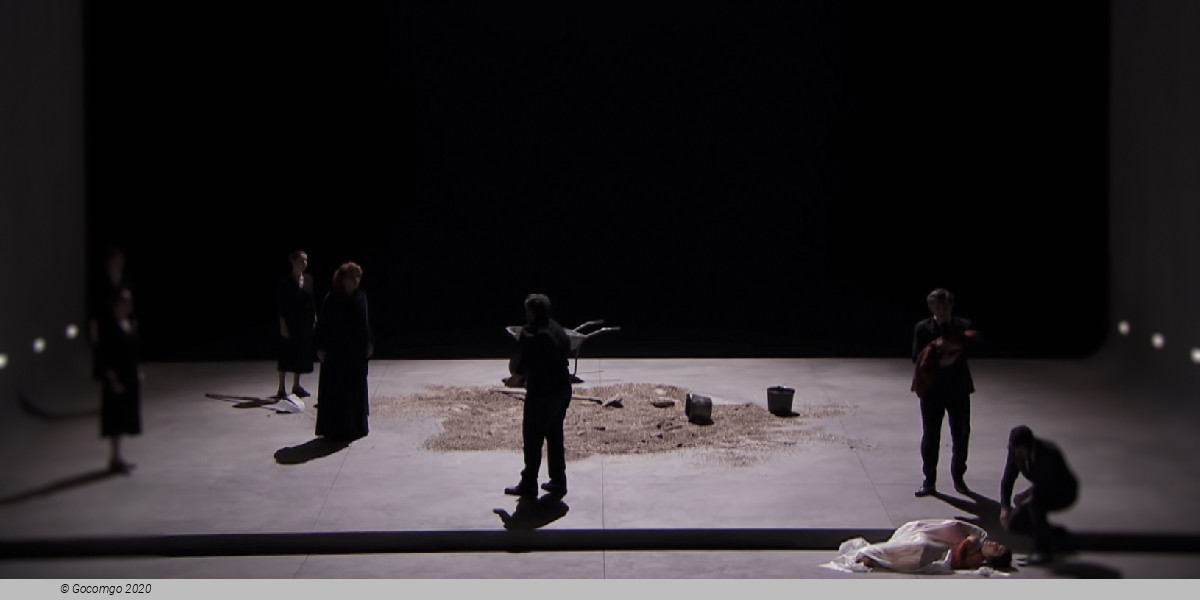
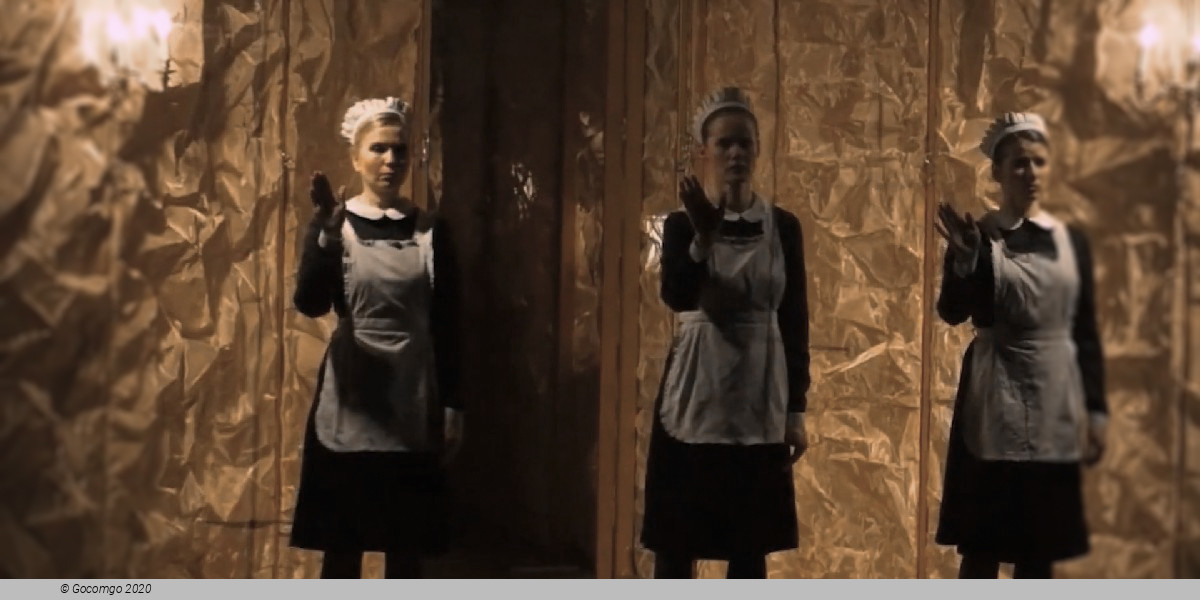
Mélisande sleeps in a sick bed after giving birth to her child. The doctor assures Golaud that despite her wound, her condition is not serious. Overcome with guilt, Golaud claims he has killed for no reason. Pelléas and Mélisande merely kissed "like a brother and sister". Mélisande wakes and asks for a window to be opened so she can see the sunset. Golaud asks the doctor and Arkel to leave the room so he can speak with Mélisande alone. He blames himself for everything and begs Mélisande's forgiveness. Golaud presses Mélisande to confess her forbidden love for Pelléas. She maintains her innocence in spite of Golaud's increasingly desperate pleas to her to tell the truth. Arkel and the doctor return. Arkel tells Golaud to stop before he kills Mélisande, but he replies "I have already killed her". Arkel hands Mélisande her newborn baby girl but she is too weak to lift the child in her arms and remarks that the baby does not cry and that she will live a sad existence. The room fills with serving women, although no one can tell who has summoned them. Mélisande quietly dies. At the moment of death, the serving women fall to their knees. Arkel comforts the sobbing Golaud.




 Behrenstraße 55-57