

Komische Oper Berlin 30 May 2023 - Saul | GoComGo.com

Saul

Komische Oper Berlin, Main Stage, Berlin, Germany
All photos (13)
Select date and time
7:30 PM
Request for Tickets
Important Info
Type: Opera
City: Berlin, Germany
Starts at: 19:30
Acts: 3
Sung in: English

E-tickets: Print at home or at the box office of the event if so specified. You will find more information in your booking confirmation email.

You can only select the category, and not the exact seats.
If you order 2 or 3 tickets: your seats will be next to each other.
If you order 4 or more tickets: your seats will be next to each other, or, if this is not possible, we will provide a combination of groups of seats (at least in pairs, for example 2+2 or 2+3).

Overview

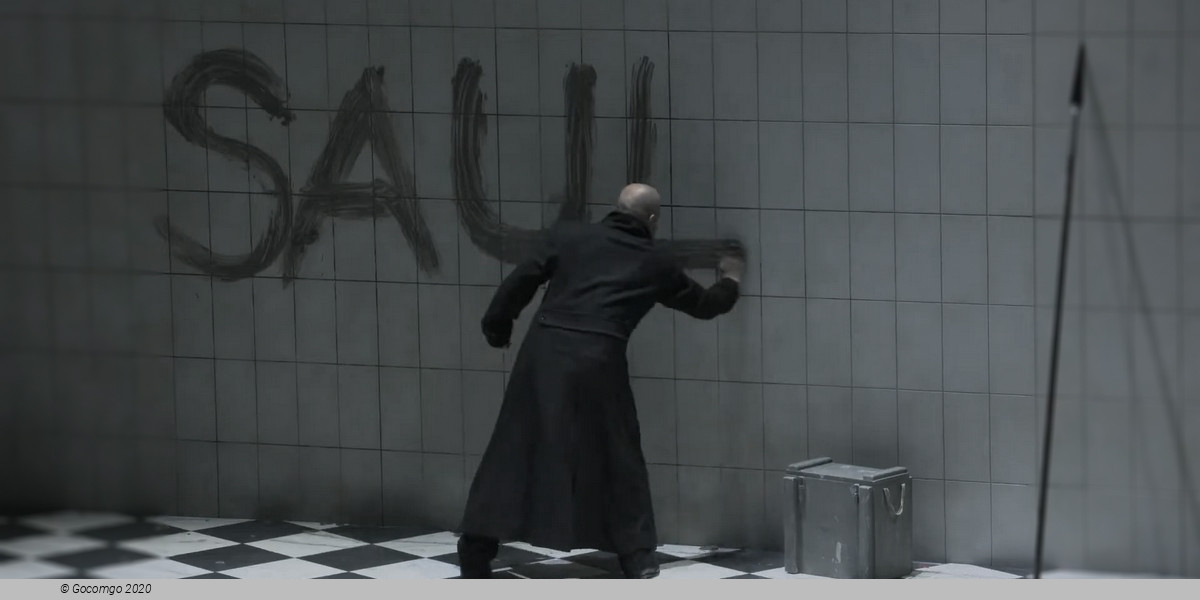
The dramatic oratorio Saul, by George Friedrich Händel, was written within a few weeks, despite his deep psychological and financial crisis at the time. The oratorio is rarely performed with staging in Germany—the same is true of Semele, his other dramatic oratorio—and this large-scale staging will be directed by the Berlin opera and film director Axel Ranisch.

The dramatic oratorio Saul, by George Friedrich Händel, was written within a few weeks, despite his deep psychological and financial crisis at the time. The oratorio is rarely performed with staging in Germany—the same is true of Semele, his other dramatic oratorio—and this large-scale staging will be directed by the Berlin opera and film director Axel Ranisch.

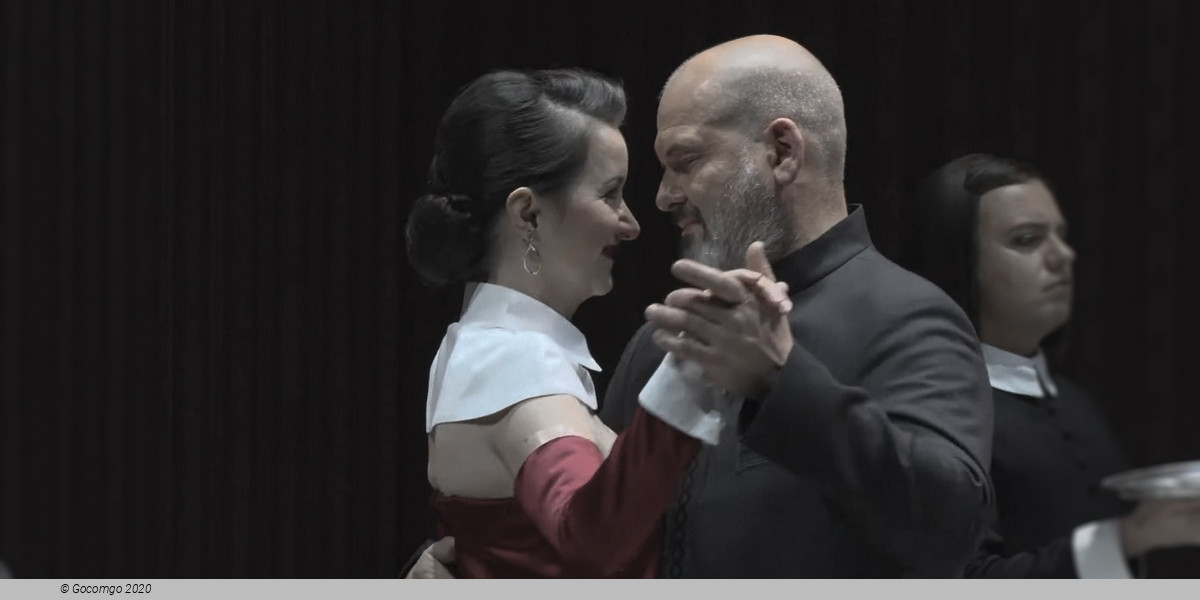
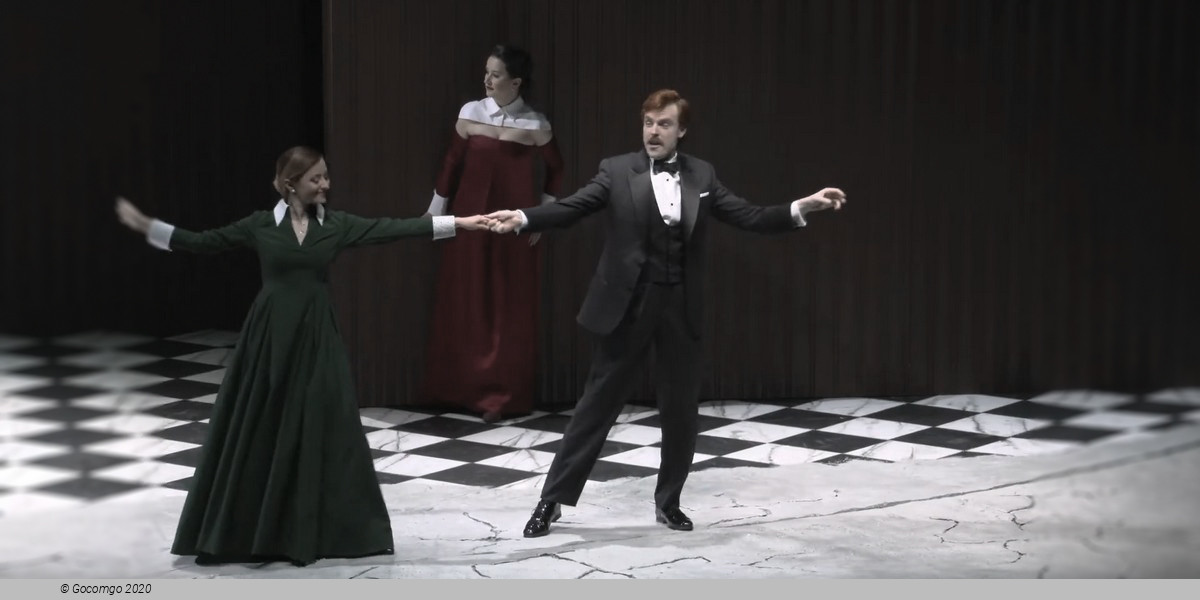
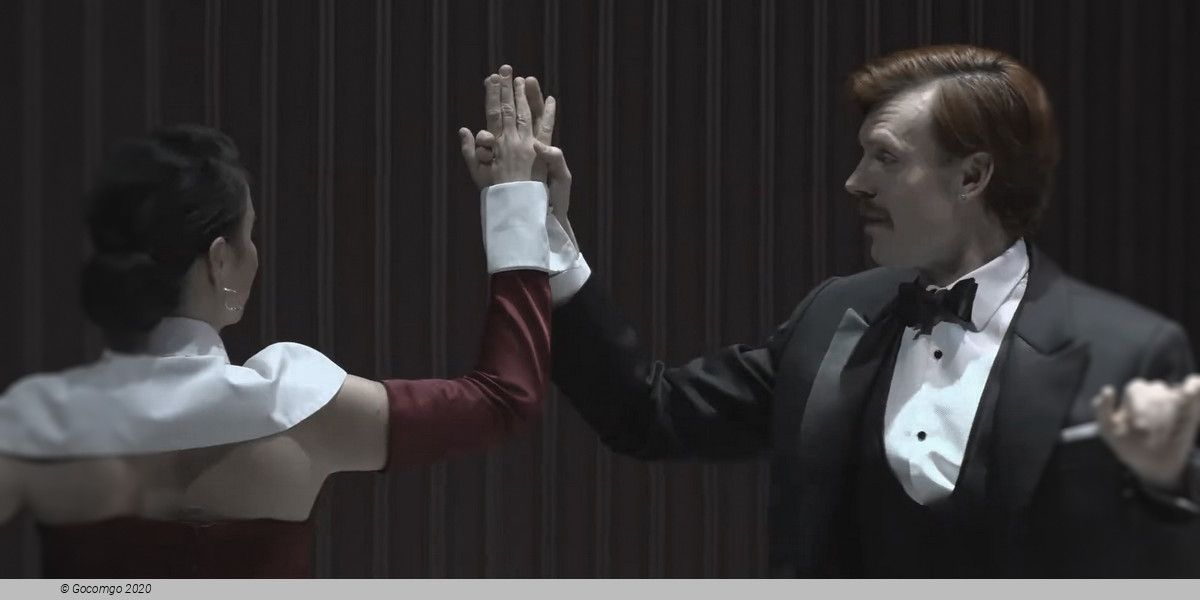
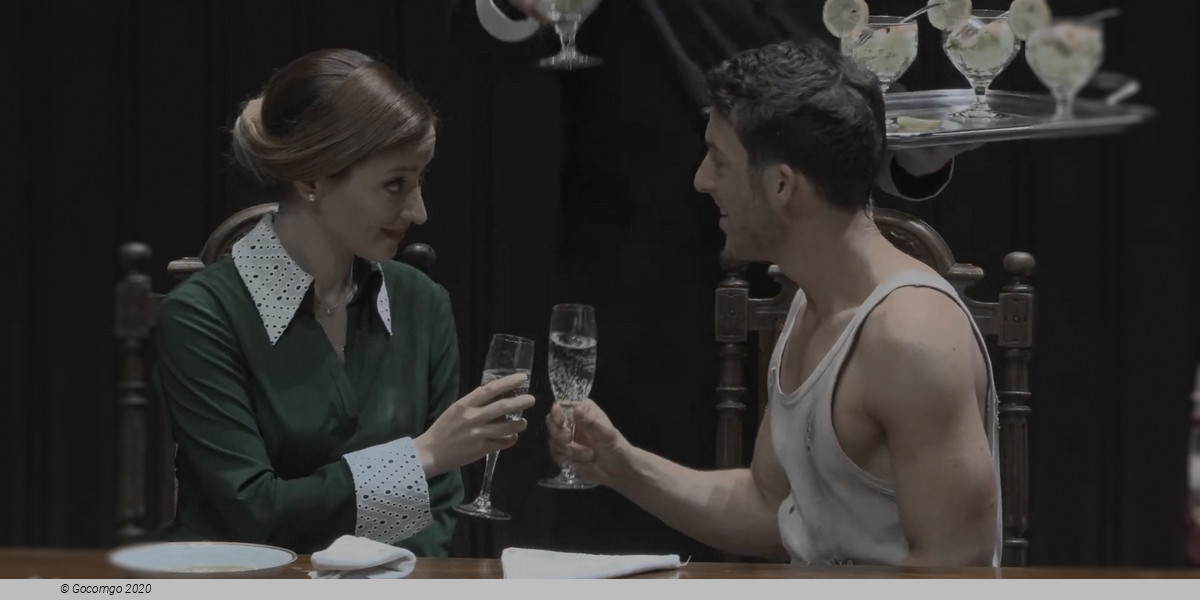
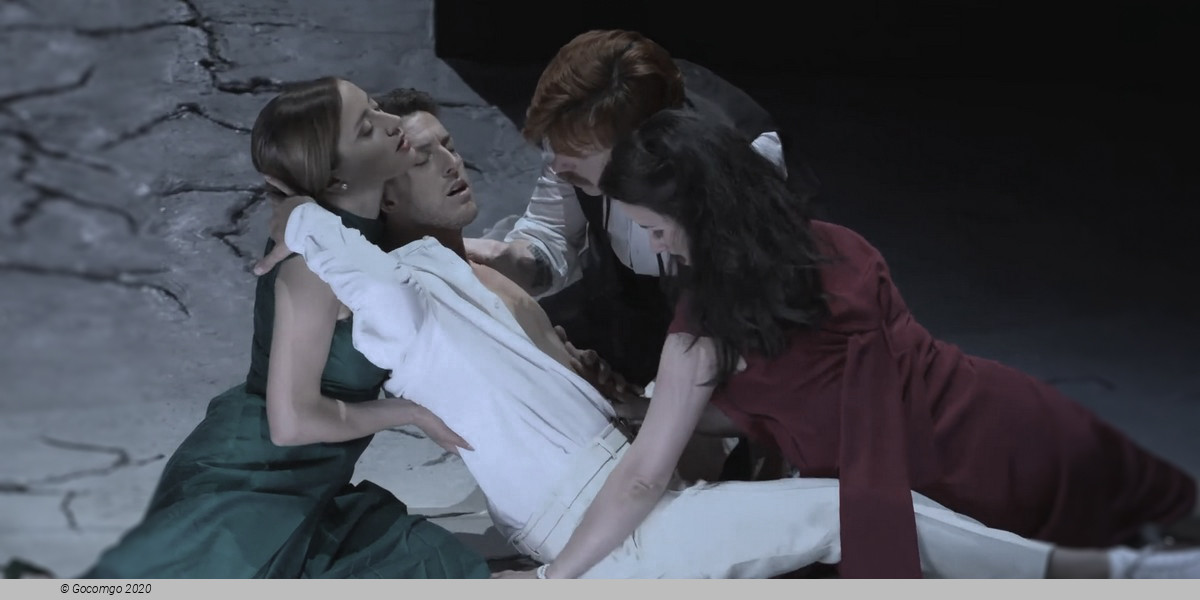
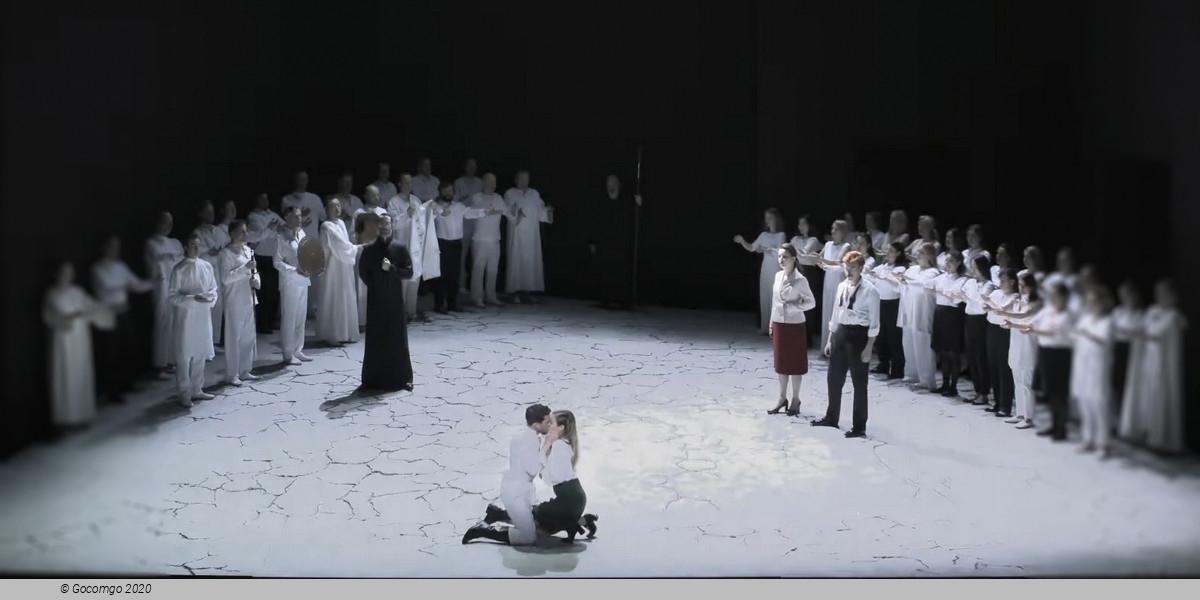
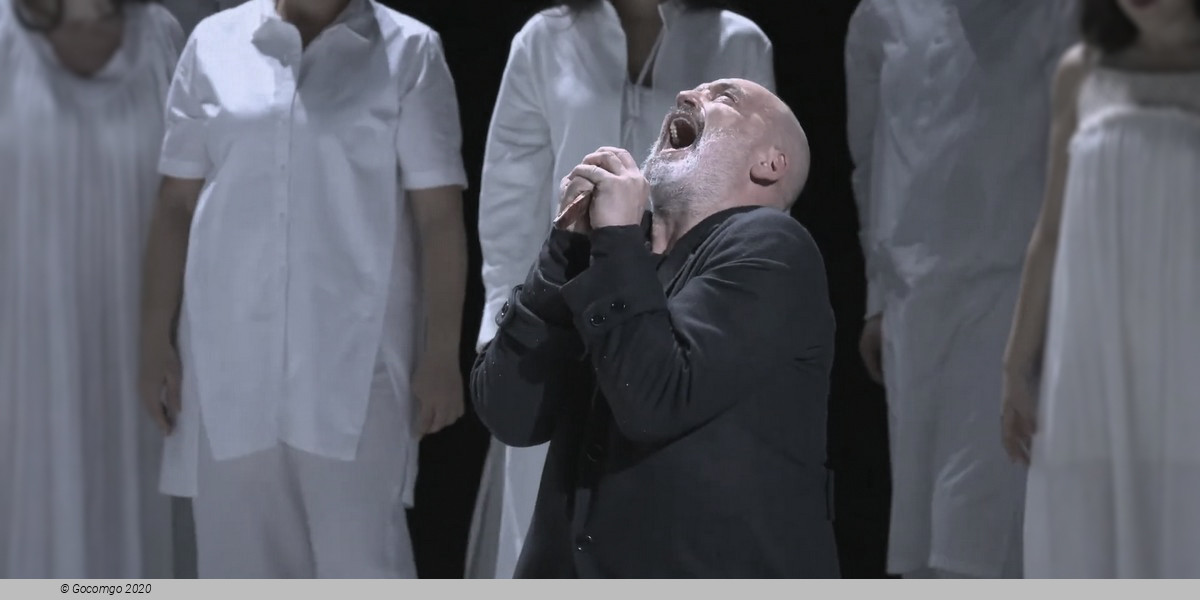
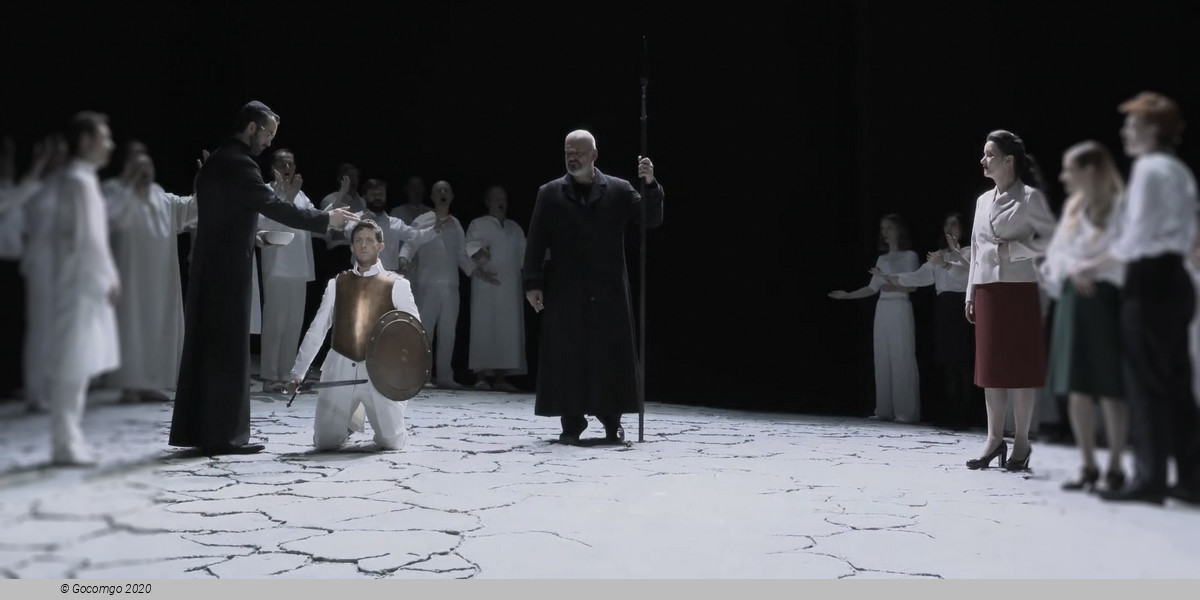
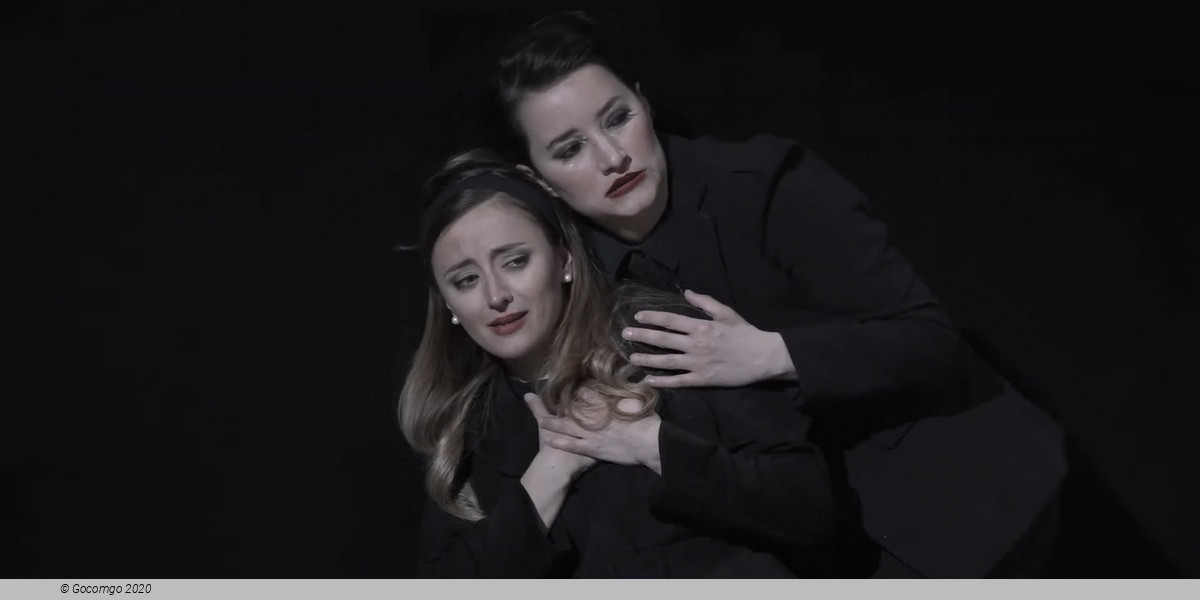
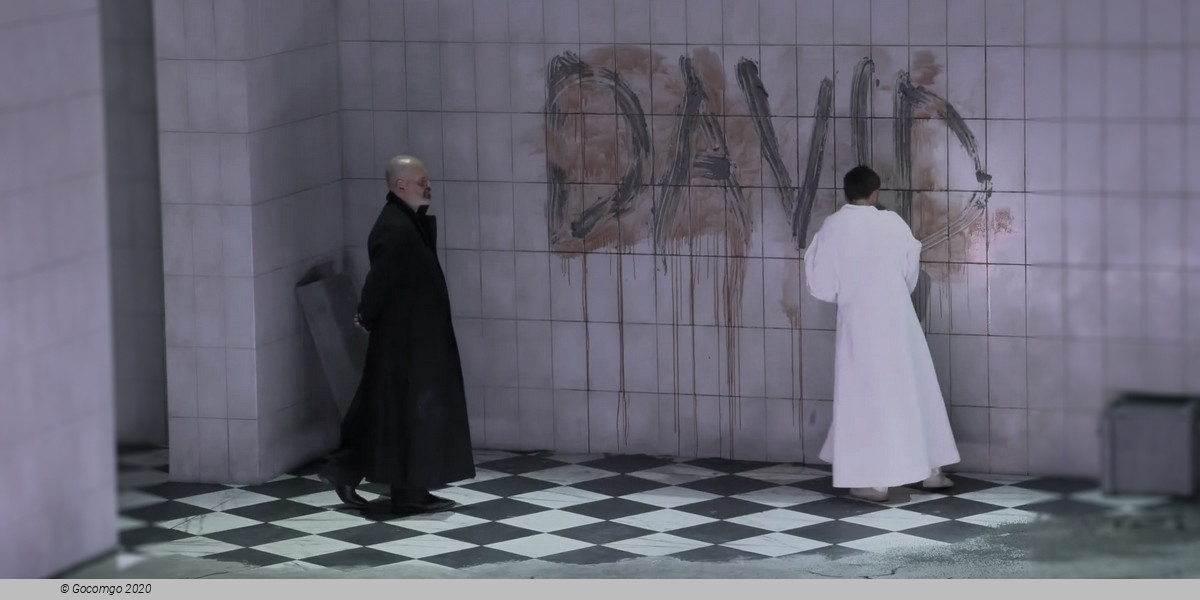
After the shepherd David struck down the leader of the Philistines, Goliath, he entered the Israelite court with a stone, considered a victorious hero. King Saul is enthusiastic at first, as are his people – but soon, the king becomes jealous and melancholic, doing everything in his power to get David out of favor. Only David’s harp playing can soothe him. Saul’s son Jonathan, however, stands by David, as does his daughter Michal. But when Saul’s second daughter, Merab, also declares her support for David, the king decides to kill David. But the prophecy warns: Saul's star will fall, while that of the house of David will rise.

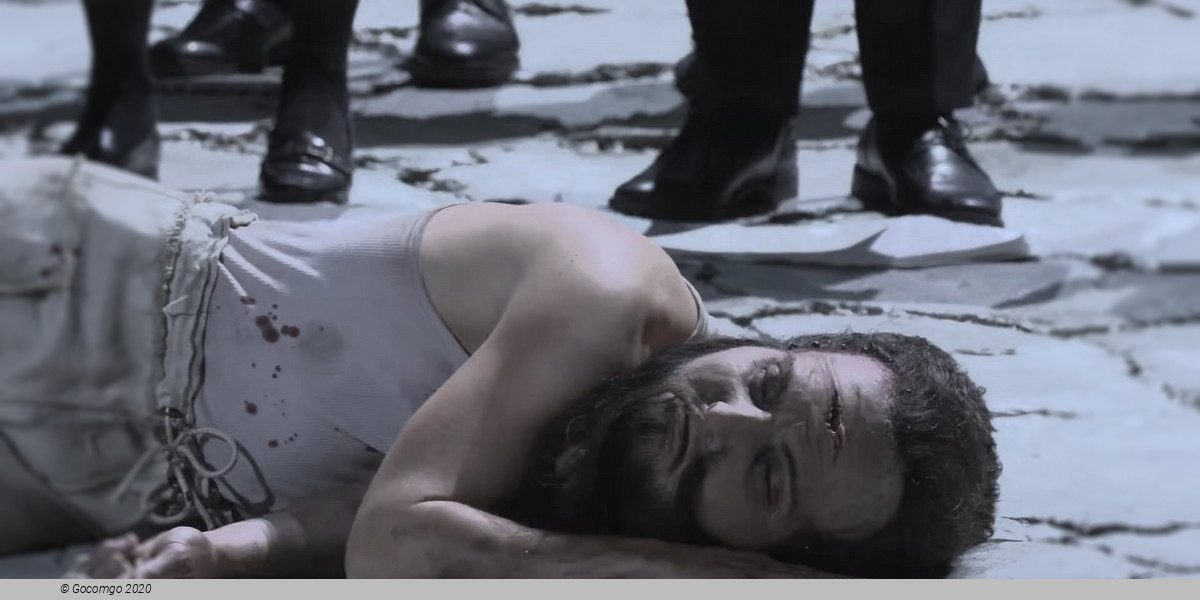
From radiantly triumphant choruses, to the prophetic whispering of the ghostly Witch of Endor, to the dignified funeral march–Handel goes to all lengths to do musical justice to the dramatic story of the torn ruler Saul. Director Axel Ranisch uses material from the Old Testament to tell the tragedy of this family, in which the unexpected appearance of a young outsider shakes everyone’s foundations. The voice of the Lord in this story, however, is both a curse and a blessing. [Bertolt Brecht]

The funeral march for King Saul is still played today at numerous state funerals, as it is considered both noble and redemptive.

History
Premiere of this production: 16 January 1739, King's Theatre, London

Saul is a dramatic oratorio in three acts written by George Frideric Handel with a libretto by Charles Jennens. Taken from the First Book of Samuel, the story of Saul focuses on the first king of Israel's relationship with his eventual successor, David; one which turns from admiration to envy and hatred, ultimately leading to the downfall of the eponymous monarch.

Synopsis

The libretto is freely adapted from the First Book of Samuel, Chapters 16 – 31, with additional material from the epic poem, the Davideis by Abraham Cowley. The printed libretto of Saul from 1738 credits the Davideis as the source of the contemptuous treatment of David by Princess Merab.

Act 1

The Israelites raise their voices in magnificent thanksgiving to God, for the young warrior David has slain the Philistine giant Goliath. At the court of King Saul, once a mighty warrior himself, all the people celebrate the hero David. Saul's son, Jonathan swears eternal devotion to David, but Saul's two daughters experience contrasting emotions – Michal is in love with David, but Merab feels contempt for him as a social inferior, a feeling that only increases when Saul offers her in marriage to David. A group of Israelite young women offer further tributes to David. King Saul is enraged at the way David is praised. Unable to restrain his anger, he orders Jonathan to kill David.

Act 2

The people of Israel reflect on the destructive power of envy. Jonathan pleads David's case to Saul, who appears to relent. Saul asks Jonathan to bring David back to court and promises Michal as David's bride, though Saul anticipates David's death in battle. David and Michal express their mutual love, but David reports that Saul's rage has not diminished and that Saul threw a javelin close past his head in frustration. Saul summons David to court again as both Michal and Merab express their faith that God will protect David. Jonathan tries to explain to Saul why David has not responded to his summons. Saul rages against both David and Jonathan.

Act 3

In despair, and though aware it is unlawful, Saul asks the Witch of Endor to raise the ghost of Samuel the prophet. Asked for advice, the ghost of Samuel reminds Saul that he had once predicted his downfall for sparing the king of the Amalekites whom Samuel had ordered killed. He predicts that David will inherit the kingdom of Israel when Saul and his sons die in the next day's battle. David learns from an Amalekite soldier of the deaths of Saul and Jonathan at the hands of the Amalekites, and David orders the Amalekite killed. After a funeral march for the Israelite dead, Merab, David, and Michal each in turn express their sorrow, particularly for the loss of Jonathan. A high priest predicts David will win future victories and the Israelites urge him to restore their kingdom.

Venue Info

Komische Oper Berlin - Berlin
Location   Behrenstraße 55-57

The Komische Oper Berlin is a German opera company based in Berlin. The company produces opera, operetta and musicals.

The opera house is located on Behrenstraße, just a few steps from Unter den Linden. Since 2004, the Komische Oper Berlin, along with the Berlin State Opera, the Deutsche Oper Berlin, the Berlin State Ballet, and the Bühnenservice Berlin (Stage and Costume Design), has been a member of the Berlin Opera Foundation.

The theatre was built between 1891 and 1892 by architects Ferdinand Fellner and Hermann Helmer for a private society. It first opened on 24 September 1892 as "Theater Unter den Linden" with Adolf Ferron's operetta Daphne and Gaul and Haßreiter's ballet Die Welt in Bild und Tanz.

The theatre was primarily a vehicle for operetta, but was also used for various other events and balls. Around 800 people could be seated in the stalls, and the balconies and various en-suite dinner rooms housed about a further 1,700 seats. Its directors went bankrupt in 1896 and the theatre was forced to close its doors.

On 3 September 1898 the theatre was reopened as Metropol-Theater with Julius Freund's revue Paradies der Frauen. It then grew to become one of Berlin's most famous and successful variety theatres. During the 1920s and early 1930s, it was leased by the brothers Alfred and Fritz Rotter. Under their management, it saw the premieres of two operettas by Franz Lehár - Friederike (opera) in 1928 and Das Land des Lächelns in 1929, both starring Richard Tauber. However, due to a decline of variety and music hall entertainment the theatre was again closed in 1933.

In 1934 the theatre was nationalised and renamed Staatliches Operettentheater. It operated as part of the Nazi Kraft durch Freude entertainment and leisure programmes. During World War II, the auditorium was damaged by Allied bombing on 7 May 1944. The façade, entrance hall, and auditorium ceiling murals were destroyed by bombs on 9 March 1945.

After the war, the theatre was in East Germany, being that the building was in the eastern part of Berlin. Following repair works and provisional rebuilding, the theatre reopened on 23 December 1947, as the Komische Oper with Johann Strauss's operetta Die Fledermaus.

The 1950s saw various further alterations and extensions. The theatre was completely rebuilt in 1965/1966 by Architektenkollektiv Kunz Nierade, adding functional extensions and giving the theatre a completely new exterior. The theatre reopened again on 4 December 1966, with Mozart's Don Giovanni. The auditorium underwent further restoration in 1986, and the stage technology was further modernised by 1989. Today the theatre seats 1,270.

In 1947, Walter Felsenstein founded and led the resident opera company, the Komische Oper, until his death in 1975. Götz Friedrich was an assistant to Felsenstein at the company. Joachim Herz became general director after Felsenstein's death and served until 1981. Subsequently, Harry Kupfer directed the company for 21 seasons, until 2002. The company specializes in German language productions of opera, operetta and musicals. In 2007 the company won, jointly with Oper Bremen, the "Opera house of the year" award by the German magazine Opernwelt. From 2002 to 2012, the company's chief director and Intendant was Andreas Homoki. In June 2008, the company announced the appointment of Barrie Kosky to succeed Homoki as its next Intendant, as of the 2012/2013 season. In October 2014, his contract with the company was extended through 2022. Since 2005, the company's managing director has been Susanne Moser.

From 1966 to 2004, the theatre was also home to a resident ballet company – first as the "Tanztheater der Komischen Oper", and then from 1999 as "BerlinBallett – Komische Oper". In 2004, due to budgetary problems, the separate ballet companies of Berlin's three opera houses were merged into a single company called the Staatsballett Berlin.

Past General Music Directors (GMD) of the company have included Kurt Masur, Rolf Reuter, Yakov Kreizberg, Kirill Petrenko, Carl St.Clair, and Patrick Lange. Since 2012, the GMD of the company is Henrik Nánási. Nánási is scheduled to conclude his tenure at the end of the 2017-2018 season. In May 2017, the company announced the appointment of Ainārs Rubiķis as its next GMD, effective with the 2018-2019 season, with an initial contract of 3 seasons.

Important Info
Type: Opera
City: Berlin, Germany
Starts at: 19:30
Acts: 3
Sung in: English
Top of page