Marion Oliver McCaw Hall tickets 31 January 2026 - Cinderella | GoComGo.com

Cinderella

Marion Oliver McCaw Hall, Seattle, USA
All photos (7)
Select date and time
1 PM 7:30 PM
From
US$ 99

E-tickets: Print at home or at the box office of the event if so specified. You will find more information in your booking confirmation email.

You can only select the category, and not the exact seats.
If you order 2 or 3 tickets: your seats will be next to each other.
If you order 4 or more tickets: your seats will be next to each other, or, if this is not possible, we will provide a combination of groups of seats (at least in pairs, for example 2+2 or 2+3).

Important Info
Type: Ballet
City: Seattle, USA
Starts at: 19:30
Acts: 3
Intervals: 2
Duration: 2h 38min

E-tickets: Print at home or at the box office of the event if so specified. You will find more information in your booking confirmation email.

You can only select the category, and not the exact seats.
If you order 2 or 3 tickets: your seats will be next to each other.
If you order 4 or more tickets: your seats will be next to each other, or, if this is not possible, we will provide a combination of groups of seats (at least in pairs, for example 2+2 or 2+3).

Cast
Performers
Ballet company: Northwest Ballet Pacific
Creators
Composer: Sergei Prokofiev
Choreographer: Kent Stowell
Overview

Cinderella by Kent Stowell is a charming and elegant ballet that blends classical choreography with heartfelt storytelling. Set to Sergei Prokofiev’s iconic score, the production follows Cinderella’s journey from hardship to happiness, highlighted by lyrical pas de deux, vivid character dances, and a touch of humor. Stowell’s version emphasizes emotional warmth, magical transformation, and visually rich staging that brings the beloved fairy tale to life.

Cinderella, choreographed by Kent Stowell, is a grand and emotionally rich full-length ballet that reimagines the classic fairy tale with a blend of lyrical movement, dramatic storytelling, and theatrical charm. Set to Sergei Prokofiev’s sweeping and expressive score, Stowell’s production highlights the emotional heart of the story—hope, kindness, and the transformative power of love—while embracing humor, fantasy, and classical ballet tradition.

The ballet opens in Cinderella’s modest home, where she is mistreated by her vain, comically exaggerated stepsisters and her domineering stepmother. Despite her hardships, Cinderella remains gentle and resilient. Stowell’s choreography emphasizes her inner grace through soft, flowing movements that contrast sharply with the angular, humorous gestures of the stepsisters. Their scenes add a playful, light-hearted tone while showcasing sharp character dancing.

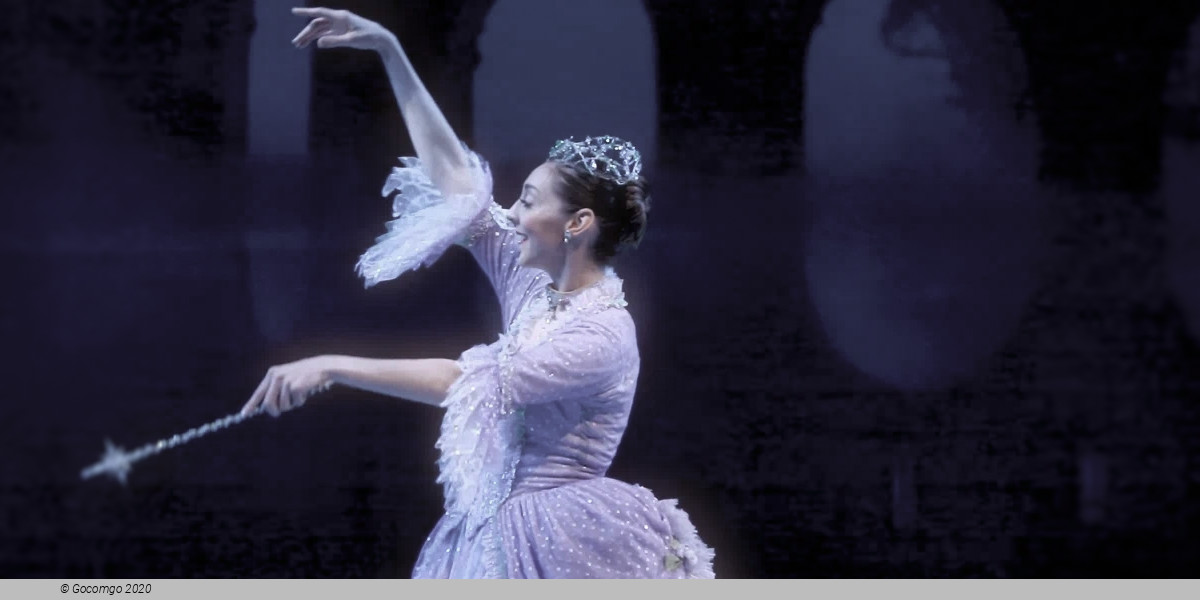
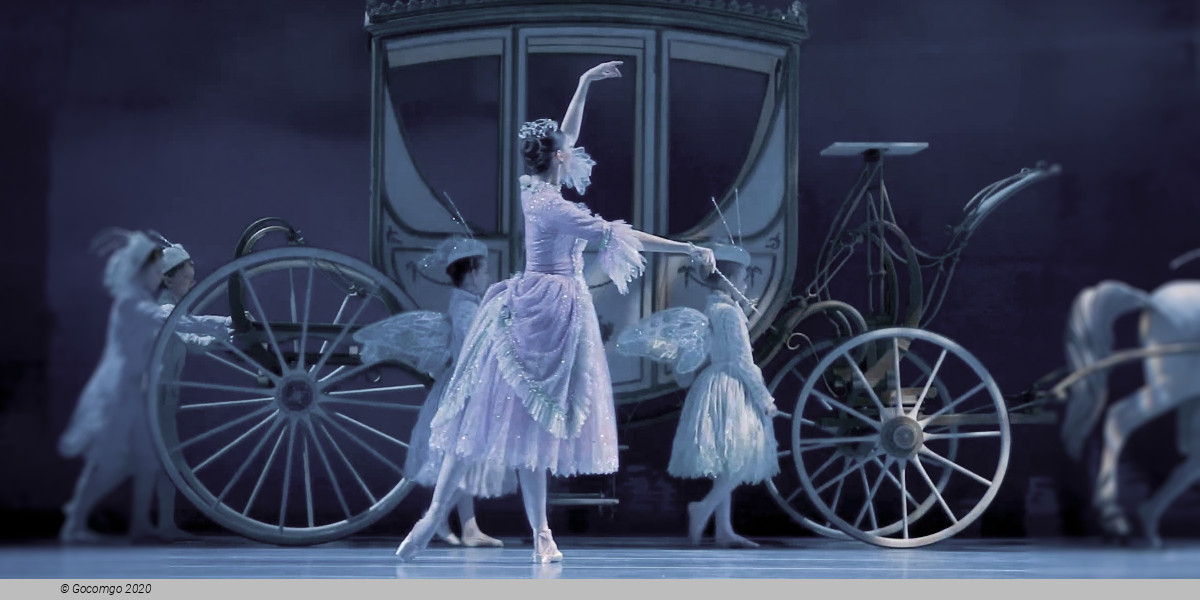
The Fairy Godmother appears as a radiant guiding force, introducing Cinderella to a magical realm inhabited by the four seasonal fairies. Each season—Spring, Summer, Autumn, and Winter—presents its own variation, creating one of the ballet’s most visually enchanting sequences. These dances combine classical technique with vivid imagery, illustrating nature’s beauty and the wonder of transformation. With a wave of magic, the Fairy Godmother sends Cinderella to the ball in a shimmering gown and sparkling slippers.

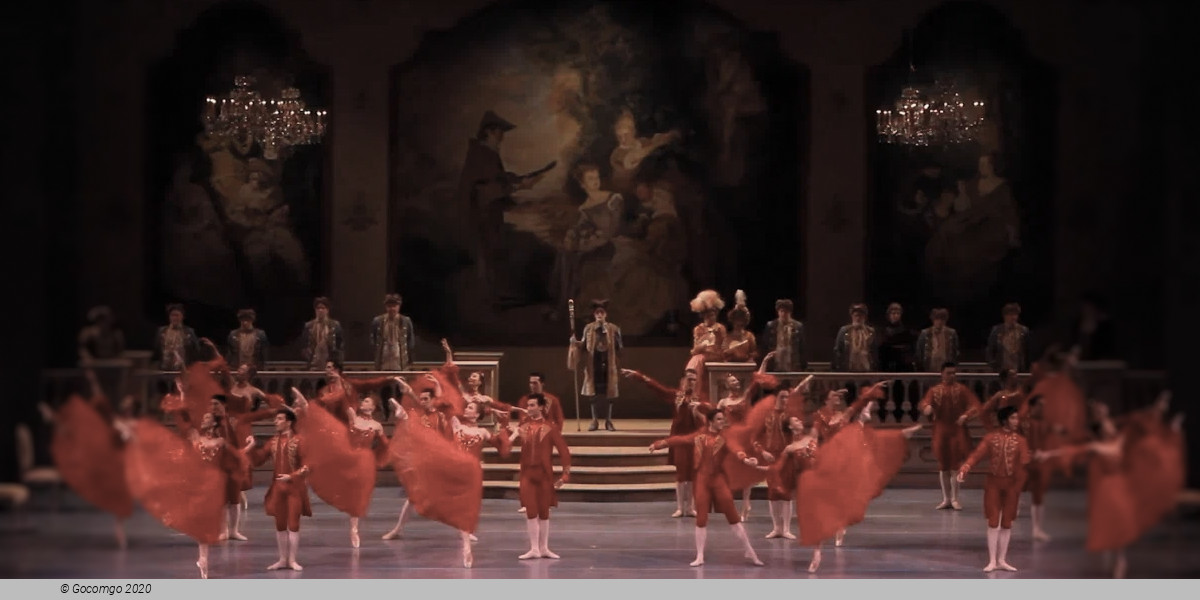
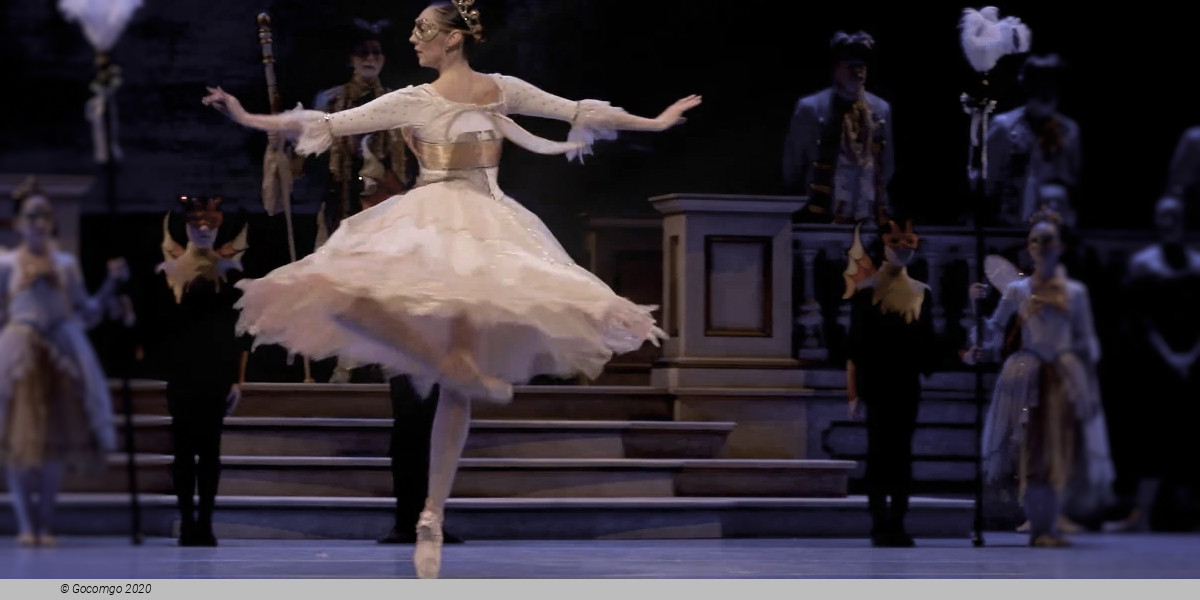
At the royal palace, Stowell crafts a lavish, dynamic ballroom scene filled with elegant waltzes, swirling court dances, and regal formations. The Prince, captivated by Cinderella’s purity and grace, dances a tender, romantic pas de deux that becomes the emotional centerpiece of the act. As midnight approaches, the spell begins to fade, and Cinderella flees, leaving behind a single glass slipper.

The final act follows the Prince’s journey as he searches the kingdom for the mysterious young woman who captured his heart. After a series of humorous and heartfelt encounters—particularly with the stepsisters—he finally finds Cinderella. Their reunion, danced in a lyrical and expressive pas de deux, symbolizes the triumph of kindness, sincerity, and destiny.

The ballet concludes with a joyful wedding celebration, filled with elegant choreography and glowing stagecraft. Stowell’s Cinderella balances classical purity with theatrical warmth, offering a visually spectacular and emotionally uplifting interpretation of the beloved fairy tale.

Synopsis

Act I

As the curtain rises, Cinderella is daydreaming about a happier life someday in which she will be loved and valued. Her fantasy is interrupted by her stepmother and her two unkind stepsisters who are busy getting ready for the Prince’s Ball that evening. All three treat Cinderella as if she is their servant and force her to work day and night. Although her father loves her very much, he is berated by his wife and seems helpless to protect Cinderella. Somehow, Cinderella remains cheerful and helpful to everyone

Suddenly, an old woman in need appears, and Cinderella befriends her. Something about this mysterious figure reminds Cinderella of her beloved mother, who died when Cinderella was young. As she gazes at her mother’s picture in the locket she wears around her neck, Cinderella remembers her happy childhood and her loving parents.

Her reverie fades and preparations for the ball move into high gear. Clothiers, wigmakers, and milliners display their finery and dress the family for the great event. A dancing master arrives, who tries without success to coach the stepsisters in a few steps. Finally everything is ready, and the family departs for the ball. Only Cinderella is left behind. Wishing that she, too, could go to the ball, she imagines she is there dancing with the Prince.

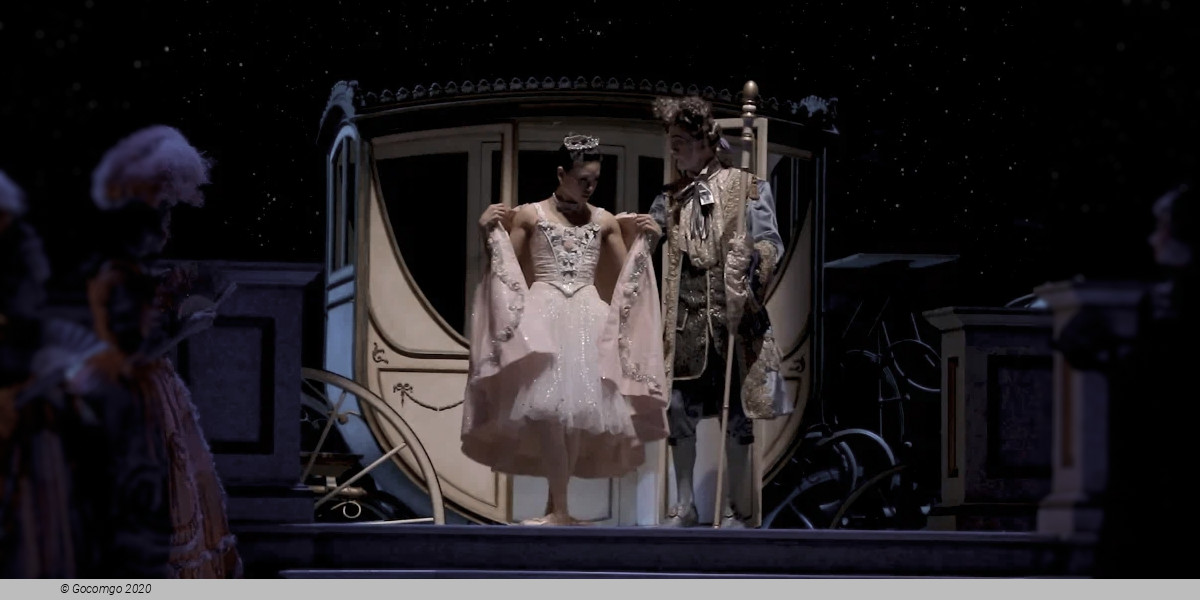
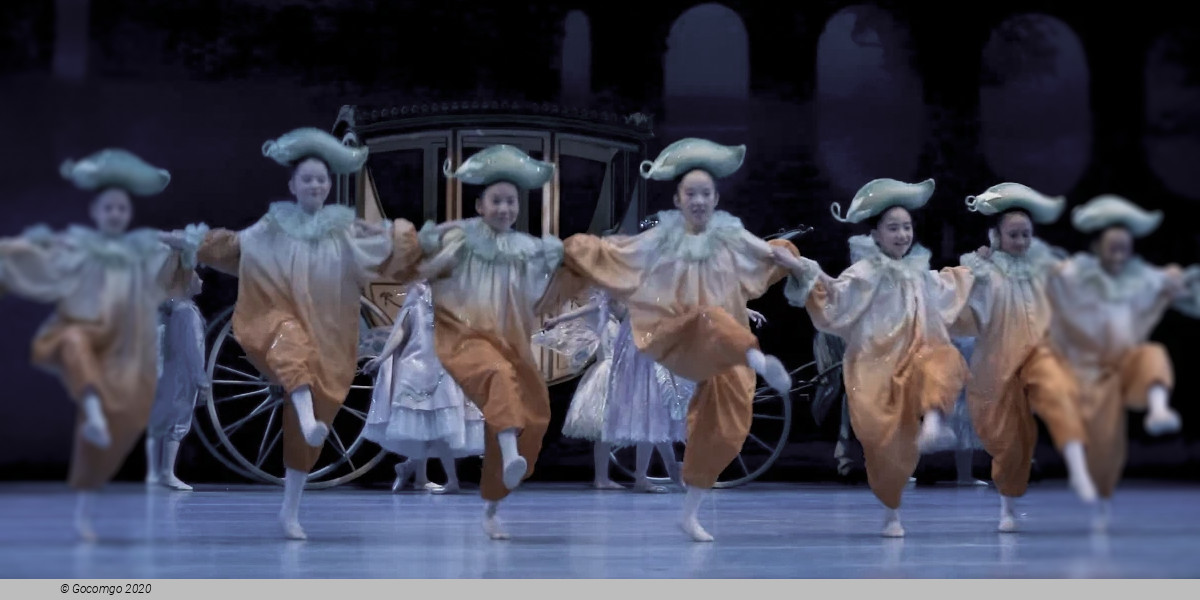
Again, the mysterious woman appears. This time she reveals her true identity as Cinderella’s Fairy Godmother. Introducing fairies representing the four seasons, she shows Cinderella the possibilities that life holds for change and happiness. After an exuberant dance of celebration, the Fairy Godmother and the four seasons bestow on Cinderella everything she needs to go to the ball, including a golden coach. With a final warning that she must leave the ball by midnight, they bid her a fond farewell.

Act II

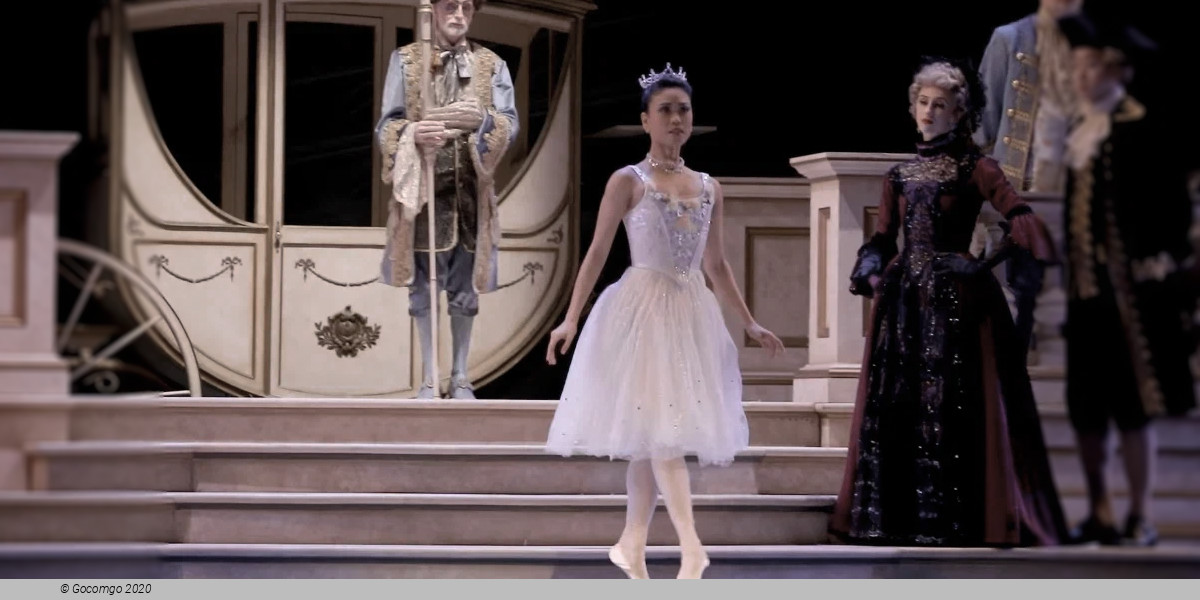
At the Prince’s palace, the magnificent ball is underway. The Prince enters and greets his guests, including the stepsisters and their ambitious mother, who are eager to attract his special attention. When Cinderella arrives, the entire court is captivated by her loveliness, especially the Prince. Making their way through the waltzing couples, Cinderella and the Prince dance for each other and express their joy that they have met.

The Master of Ceremonies calls for the evening’s entertainment, and a Theatre of Marvels presents a drama for the Prince and his guests.

As the entertainers depart, the court moves to the balustrade to admire the evening sky. Left alone, the Prince and Cinderella dance a pas de deux of wonder and discovery. The court returns for a last dance, and Cinderella, caught up in the thrill of the evening, forgets the Fairy Godmother’s warning. As she realizes the clock is striking midnight, she hurries to leave before the spell breaks. The Prince and the court are bewildered at her abrupt exit. Only the glass slipper remains as a clue to her identity.

Act III

At home again, Cinderella remembers the amazing events that have given her a glimpse of the happiness she seeks. Her stepsisters, for their part, grumble that the Prince has overlooked them in favor of the mysterious newcomer. Meanwhile, the Prince searches for the woman whose foot fits the glass slipper.

Eventually the Prince arrives at Cinderella’s home, where not only her stepsisters but even her stepmother are determined to try on the slipper. To their astonishment, it is Cinderella’s foot that fits perfectly.

Acknowledging their love, Cinderella and the Prince are transported to the Fairy Godmother’s realm, where dreams really do come true.


Venue Info

Marion Oliver McCaw Hall - Seattle
Location   301 Mercer Street Seattle, WA 98109

Marion Oliver McCaw Hall is a performing arts hall in Seattle, Washington. Located on the grounds of the Seattle Center and owned by the city of Seattle, McCaw Hall's two principal tenants are Seattle Opera and Pacific Northwest Ballet. 

Marion Oliver McCaw Hall — Full Description (English)

Marion Oliver McCaw Hall is a major performing arts venue located in the Seattle Center in Seattle, Washington. It serves as the home theatre for Pacific Northwest Ballet and the Seattle Opera, hosting their regular seasons, premieres, and large-scale productions. The building opened in 2003 after a complete renovation of the former Seattle Opera House, transforming it into a modern, spacious, and highly functional performance space.

The hall features a proscenium stage, a large orchestra pit, and advanced acoustics designed to support both ballet and opera. The auditorium seats approximately 2,900 people across multiple levels, including the Orchestra Level, First Tier, and Second Tier. The seating layout is shaped in a gentle horseshoe, offering excellent visibility from most seats and creating an intimate connection between performers and the audience.

McCaw Hall is known for its contemporary architectural design, which includes an expansive glass façade, open public spaces, and the iconic Grand Lobby, often illuminated for special events. The building also contains rehearsal studios, event rooms, and backstage facilities that support world-class productions.

Overall, Marion Oliver McCaw Hall is regarded as one of the most important cultural venues in the Pacific Northwest, combining modern comfort and technology with the artistic traditions of opera and ballet.

Important Info
Type: Ballet
City: Seattle, USA
Starts at: 19:30
Acts: 3
Intervals: 2
Duration: 2h 38min
Top of page