

Metropolitan Opera 23 November 2021 - Eurydice | GoComGo.com

Eurydice

Metropolitan Opera, New York, USA
All photos (8)
Select date and time
8 PM

E-tickets: Print at home or at the box office of the event if so specified. You will find more information in your booking confirmation email.

You can only select the category, and not the exact seats.
If you order 2 or 3 tickets: your seats will be next to each other.
If you order 4 or more tickets: your seats will be next to each other, or, if this is not possible, we will provide a combination of groups of seats (at least in pairs, for example 2+2 or 2+3).

Important Info
Type: Opera
City: New York, USA
Starts at: 20:00
Acts: 3
Intervals: 1
Duration: 2h 45min
Sung in: English
Titles in: English,German,Spanish

E-tickets: Print at home or at the box office of the event if so specified. You will find more information in your booking confirmation email.

You can only select the category, and not the exact seats.
If you order 2 or 3 tickets: your seats will be next to each other.
If you order 4 or more tickets: your seats will be next to each other, or, if this is not possible, we will provide a combination of groups of seats (at least in pairs, for example 2+2 or 2+3).

Overview

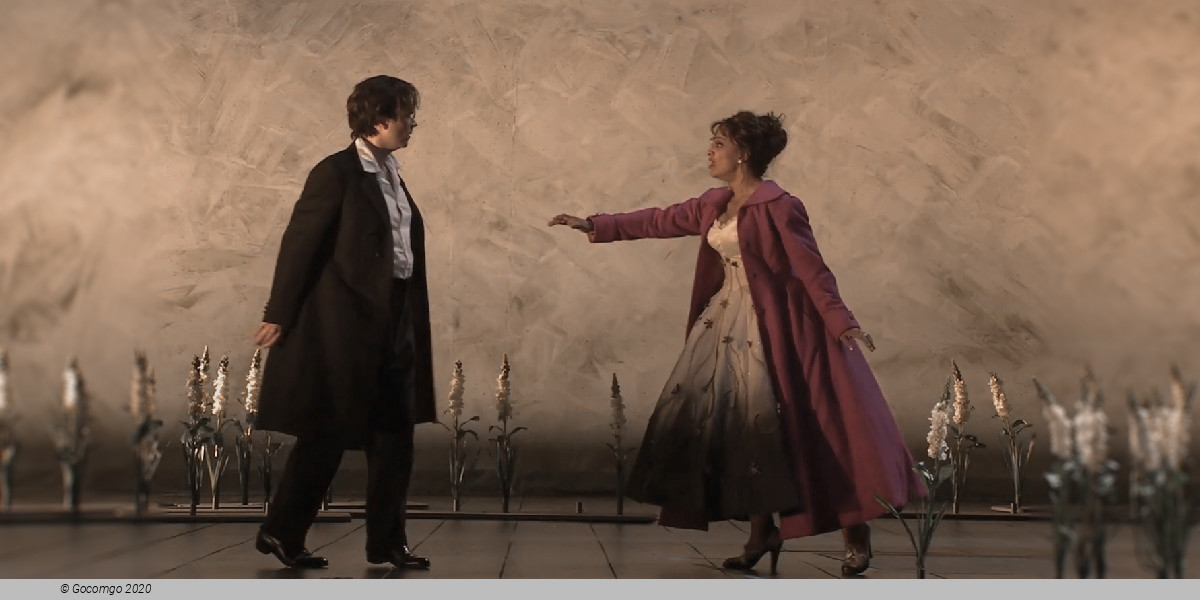
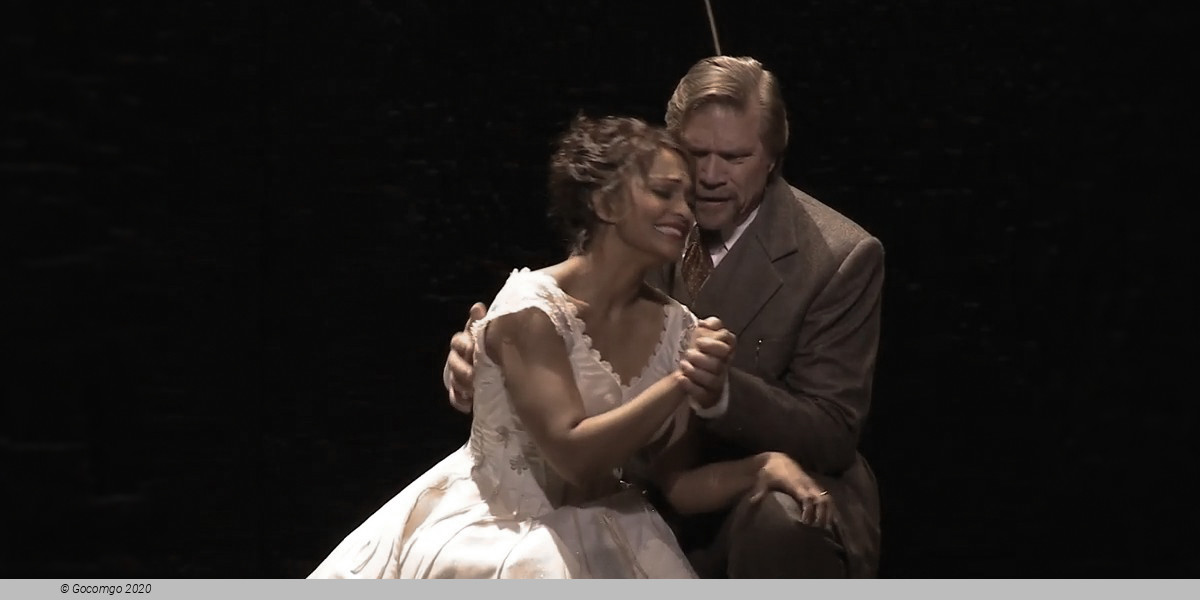
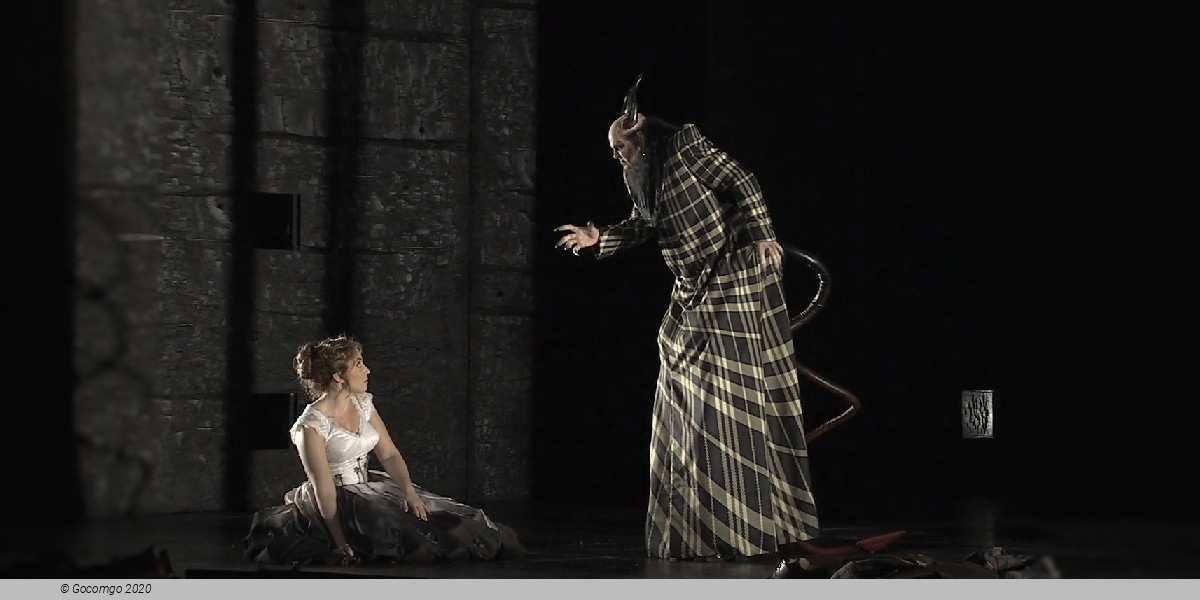
The ancient Greek myth of Orpheus, who attempts to harness the power of music to rescue his beloved Eurydice from the underworld, has inspired composers since opera’s earliest days. Rising American composer Matthew Aucoin now carries that tradition into the 21st century with a captivating new take on the story—a product of the Met’s commissioning program. With a libretto by MacArthur “Genius Grant” recipient Sarah Ruhl, adapted from her acclaimed 2003 play, the opera reimagines the familiar tale from Eurydice’s point of view. Yannick Nézet-Séguin oversees the momentous Met premiere from the podium, leading Aucoin’s evocative music and an immersive new staging by Mary Zimmerman. Soprano Erin Morley sings the title role, opposite baritone Joshua Hopkins as Orpheus and countertenor Jakub Józef Orliński as his otherworldly alter-ego. Bass-baritone Nathan Berg is Eurydice’s father and fellow resident of the underworld, with tenor Barry Banks as Hades himself.

History
Premiere of this production: 01 February 2020, LA Opera

Matthew Aucoin partners with playwright Sarah Ruhl for a new opera that reimagines ancient mythology for a modern age. This time, the tale unfolds from the heroine's point of view.

Synopsis

Act One
Scene One
Eurydice and Orpheus are young and in love. He is a musician, constantly coming up with new songs and melodies in his mind. To remind her of his love, he ties a string around the fourth finger of her left hand. The significance of the gesture dawns upon her: they are now engaged to be married.

Scene Two
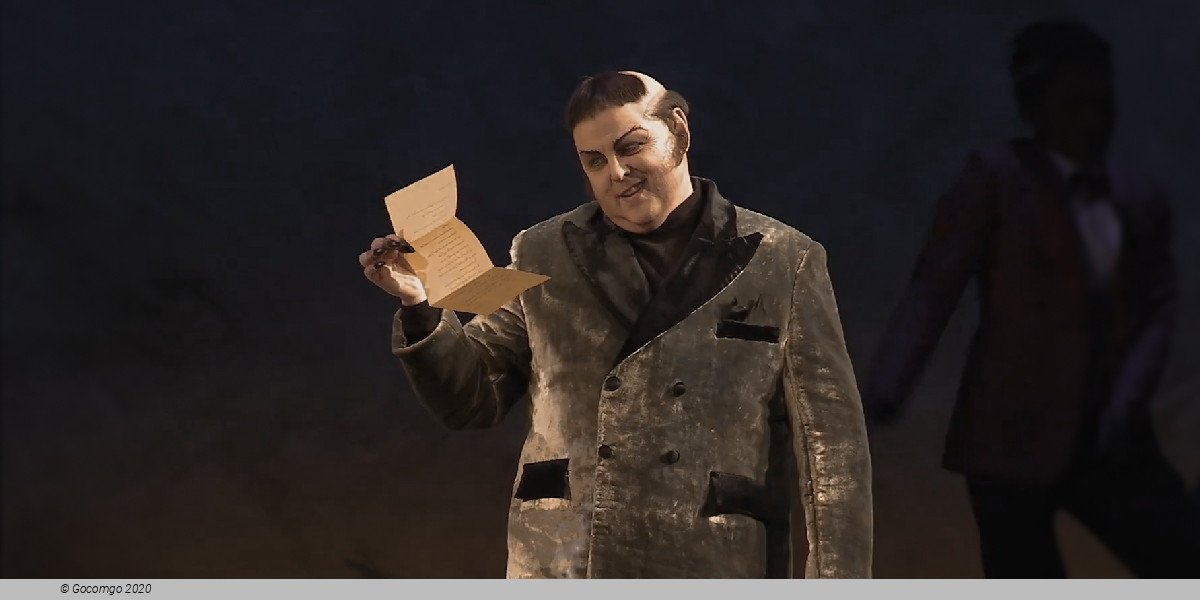
In the underworld, Eurydice’s dead father writes her a letter for her wedding day. He is one of the very few dead who remember how to read or write. He keeps this secret, not wanting to be dipped in the river of forgetfulness again. He doesn’t know how to send the letter to his daughter in the world of the living. He drops it as if through a mail slot. The letter falls to the ground.

Scene Three
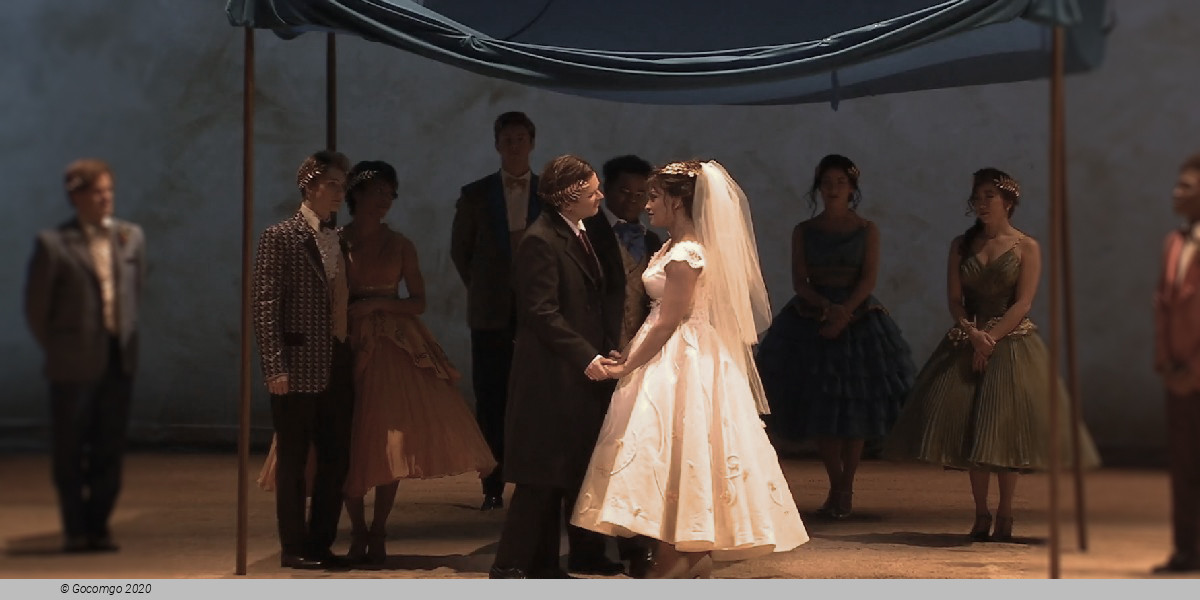
In a waterside ceremony, Eurydice and Orpheus recite their marriage vows. In the underworld, her father imagines his daughter’s wedding.

Scene Four
The bridal couple and their guests dance at the reception. Eurydice leaves to get a drink of water at the pump; she hates parties.

Scene Five
Eurydice encounters a man who says he is on his way to another party. As she begins to return to the wedding reception, the man finds her father’s letter on the ground. He calls her back, claiming that he has a letter for her at his high-rise apartment, where it had been delivered by mistake. He invites her back to his apartment. She warily agrees to go with him.

Scene Six
After climbing many stairs, Eurydice and the man arrive at his empty apartment. He offers her champagne. Looking out the window, she can see her wedding reception far below. The man tells her that he would be a better husband for her than Orpheus. She grabs the letter from his pocket, then rushes to the stairs. She loses her balance and falls.

Act Two
Scene One
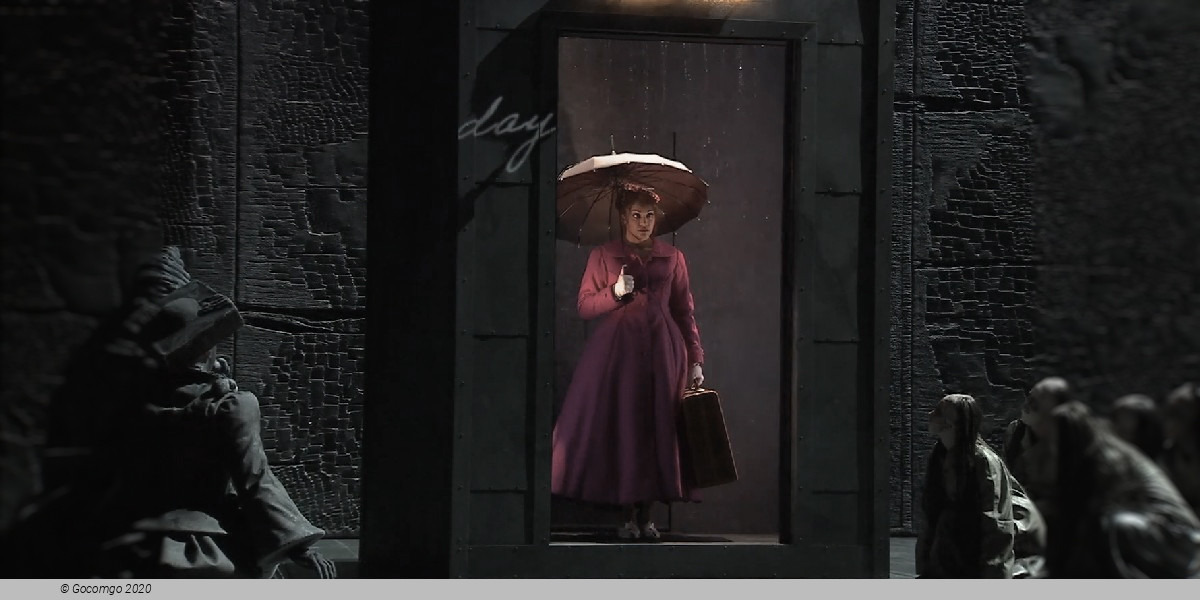
In the underworld, the dead sing wordlessly. Three stones watch as Eurydice arrives.  She has virtually no memory of her husband or her prior life, and now speaks the language of the dead. Her father approaches her, but she doesn’t recognize him; she thinks that he is a porter sent to escort her from the train station to a hotel. He takes her luggage.

Scene Two
A grieving Orpheus writes a letter to his dead wife. He vows to find her. He drops the letter on the ground, hoping that a worm will deliver it to her.

Scene Three
Eurydice’s father creates a room out of string for his daughter. Orpheus’s letter falls from above. Since Eurydice no longer knows what a letter is or how to read it, her father reads the letter aloud to her. Something stirs in her memory. She begins to remember Orpheus, then recognizes her father. Above, Orpheus recalls how much Eurydice loved to read. He drops a book of Shakespeare’s plays down to her. Eurydice’s father picks up the book and reads verses of King Lear to her. He tells Eurydice that she always loved words. With his help, she relearns her forgotten language.

Above, Orpheus watches the rain fall. He wonders if he could follow a drop of water down into the earth. Eurydice recalls that Orpheus never liked words; his head was filled only with music.

Scene Four
Orpheus has a plan. He will fall asleep with a straw in his mouth, then crawl through the straw into the darkness. He will sing for the devils and find Eurydice.

Scene Five
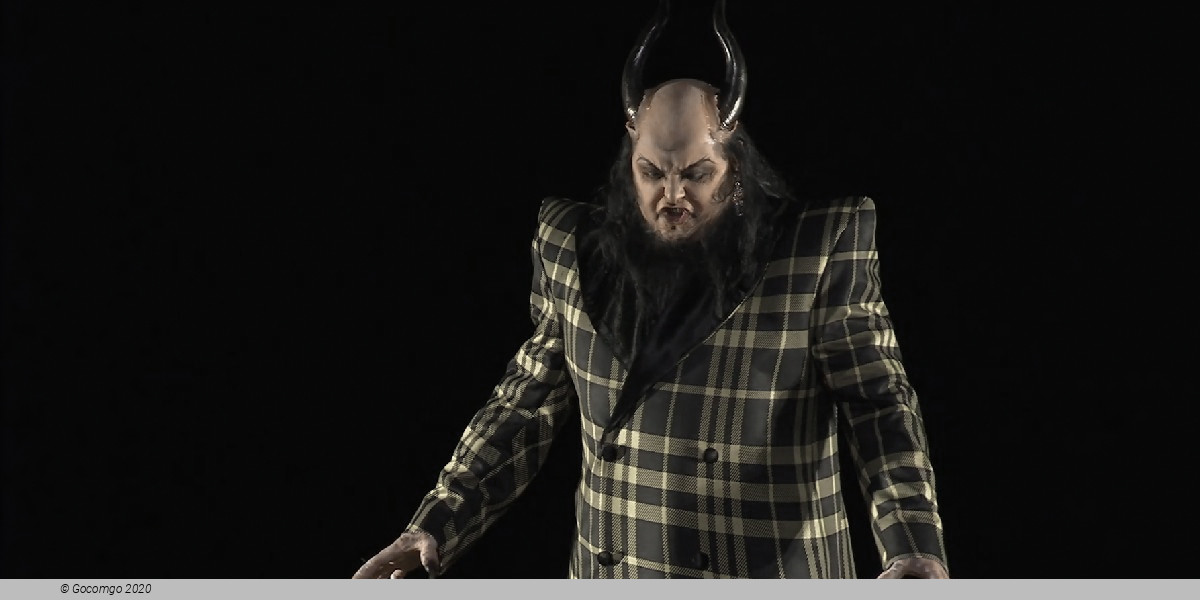
The three stones hear Orpheus singing as he approaches. Hades (the stranger Eurydice encountered on her wedding day) is furious; singing is not allowed in the underworld.

Act Three
Scene One
Orpheus arrives at the gates of the underworld, moving the stones to tears with his song. Hades tells him that he can take Eurydice back to the world of the living, but he must not turn back to look at her as she follows him. If he does, he will lose her forever.

Scene Two
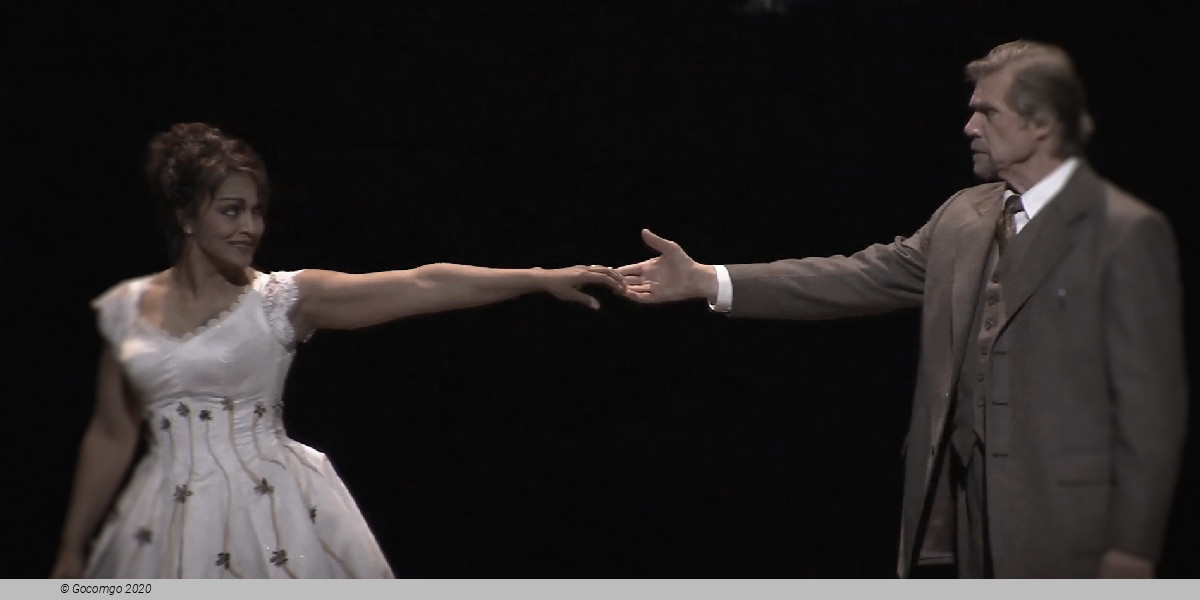
Eurydice hears Orpheus at the gates. She tells her father that her husband has come to rescue her. This upsets her father, but he urges her to return home with Orpheus anyway. They see Orpheus ahead. Eurydice’s father wonders if Orpheus will be able to take care of her. Eurydice walks toward Orpheus. In a moment of uncertainty, she turns back to look for her father, but he has already gone. The three stones urge her forward. She catches up to Orpheus and calls out his name. Orpheus turns back to look at her and the world falls away. They are compelled to walk away from each other—Orpheus back to the world of the living, Eurydice back to the underworld—until they are out of sight.

Scene Three
Alone, Eurydice’s father dismantles the string room he had created for her. Having lost his daughter a second time, he longs to forget everything. He dips himself into the river of forgetfulness, then lies down on the ground, asleep.

When Eurydice returns, the three stones tell her what her father has done. Anguished, she vows to teach him language and help him remember her, but it is too late. Hades tell Eurydice that he has decided that she will be his bride; she has no choice in the matter. She asks for a moment to prepare for the wedding. She writes a letter to Orpheus and to his future wife, urging them to be happy. She puts the letter on the ground, then dips herself in the river of forgetfulness and lies down next to her father.

Orpheus, dead, arrives in the underworld, his memories washed away too. He sees Eurydice’s letter, but doesn’t recognize what it is.

Venue Info

Metropolitan Opera - New York
Location   30 Lincoln Center

The Metropolitan Opera is an opera company based in New York City, resident at the Metropolitan Opera House at the Lincoln Center for the Performing Arts. The Metropolitan Opera is the largest classical music theatre in North America. It presents about 27 different operas each year from late September through May. As of 2018, the company's current music director is Yannick Nézet-Séguin.

The Metropolitan Opera Company was founded in 1883 as an alternative to New York's old established Academy of Music opera house. The subscribers to the Academy's limited number of private boxes represented the highest stratum in New York society. By 1880, these "old money" families were loath to admit New York's newly wealthy industrialists into their long-established social circle. Frustrated with being excluded, the Metropolitan Opera's founding subscribers determined to build a new opera house that would outshine the old Academy in every way. A group of 22 men assembled at Delmonico's restaurant on April 28, 1880. They elected officers and established subscriptions for ownership in the new company. The new theater, built at 39th and Broadway, would include three tiers of private boxes in which the scions of New York's powerful new industrial families could display their wealth and establish their social prominence. The first Met subscribers included members of the Morgan, Roosevelt, and Vanderbilt families, all of whom had been excluded from the Academy. The new Metropolitan Opera House opened on October 22, 1883, and was an immediate success, both socially and artistically. The Academy of Music's opera season folded just three years after the Met opened.

The operas are presented in a rotating repertory schedule, with up to seven performances of four different works staged each week. Performances are given in the evening Monday through Saturday with a matinée on Saturday. Several operas are presented in new productions each season. Sometimes these are borrowed from or shared with other opera companies. The rest of the year's operas are given in revivals of productions from previous seasons. The 2015–16 season comprised 227 performances of 25 operas.

The operas in the Met's repertoire consist of a wide range of works, from 18th-century Baroque and 19th-century Bel canto to the Minimalism of the late 20th century. These operas are presented in staged productions that range in style from those with elaborate traditional decors to others that feature modern conceptual designs.

The Met's performing company consists of a large symphony-sized orchestra, a chorus, a children's choir, and many supporting and leading solo singers. The company also employs numerous free-lance dancers, actors, musicians, and other performers throughout the season. The Met's roster of singers includes both international and American artists, some of whose careers have been developed through the Met's young artists programs. While many singers appear periodically as guests with the company, others, such as Renée Fleming and Plácido Domingo, long maintained a close association with the Met, appearing many times each season until they retired.

Important Info
Type: Opera
City: New York, USA
Starts at: 20:00
Acts: 3
Intervals: 1
Duration: 2h 45min
Sung in: English
Titles in: English,German,Spanish
Top of page