
Metropolitan Opera: Jenůfa Tickets | Event Dates & Schedule | GoComGo.com

Jenůfa Tickets

Metropolitan Opera, New York, USA
All photos (9)
1 / 9
Available Dates: 16 Nov - 4 Dec, 2026 (4 events)
Important Info
Type: Opera
City: New York, USA

E-tickets: Print at home or at the box office of the event if so specified. You will find more information in your booking confirmation email.

You can only select the category, and not the exact seats.
If you order 2 or 3 tickets: your seats will be next to each other.
If you order 4 or more tickets: your seats will be next to each other, or, if this is not possible, we will provide a combination of groups of seats (at least in pairs, for example 2+2 or 2+3).

Cast
Performers
Choose the date to see the peformers
Overview

The Buryja family is a troubled one. The two half-brothers, Števa and Laca, are at odds: handsome but irresponsible Števa has inherited most of the family property (notably a valuable mill), along with a favored position in the family’s affections. Laca is further depressed by the hopelessness of his love for Jenůfa, stepdaughter of the Kostelnička, the stern leader of the Moravian village in which they live. Jenůfa loves Števa and is pregnant by him, a fact still hidden from everyone else. Sensing that marriage has little part in Števa’s thoughts and fearing that her lover will be drafted, Jenůfa is on the verge of panic.

History
Premiere of this production: 21 January 1904, National Theatre, Brno

Jenůfa ("Her Stepdaughter" in Czech) is an opera in three acts by Leoš Janáček to a Czech libretto by the composer, based on the play Její pastorkyňa by Gabriela Preissová. It was first performed at the National Theatre, Brno on 21 January 1904. Composed between 1896 and 1902, it is among the first operas written in prose.

Synopsis

Place:  A Moravian village
Time: the nineteenth century

The plot depends on a tangled set of village relationships. Before the opera begins, the mill-owner Grandmother Buryja's two sons have both married twice, fathered children, and died. Their wives have also died, except for the Kostelnička (widow of the churchwarden), the younger son's second wife and Jenůfa's stepmother. Custom dictates that only Števa, the elder son's child by his first marriage, will inherit the mill, leaving his half-brother Laca and cousin Jenůfa to earn their livings.

Act 1

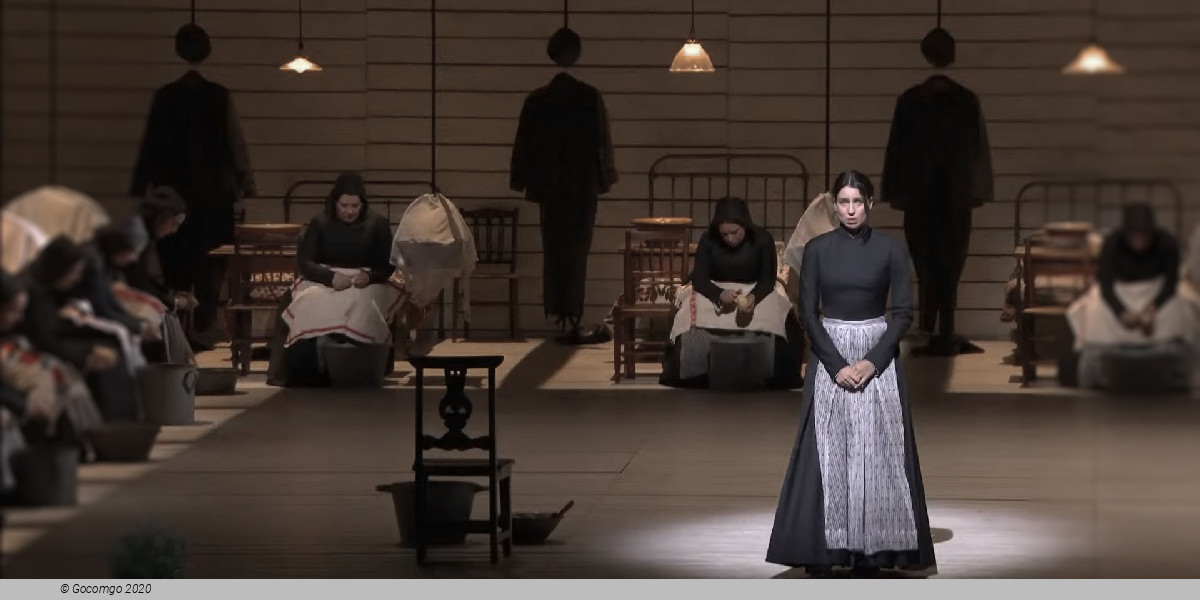
Jenůfa, Laca, and Grandmother Buryja wait for Števa to return home. Jenůfa, in love with Števa and secretly pregnant with his child, worries that he may have been drafted into the army. Laca, in love with Jenůfa, expresses bitterness against his half-brother's favored position at home. As he complains he plays with a knife and, finding it blunt, gives it to the mill foreman to be sharpened.

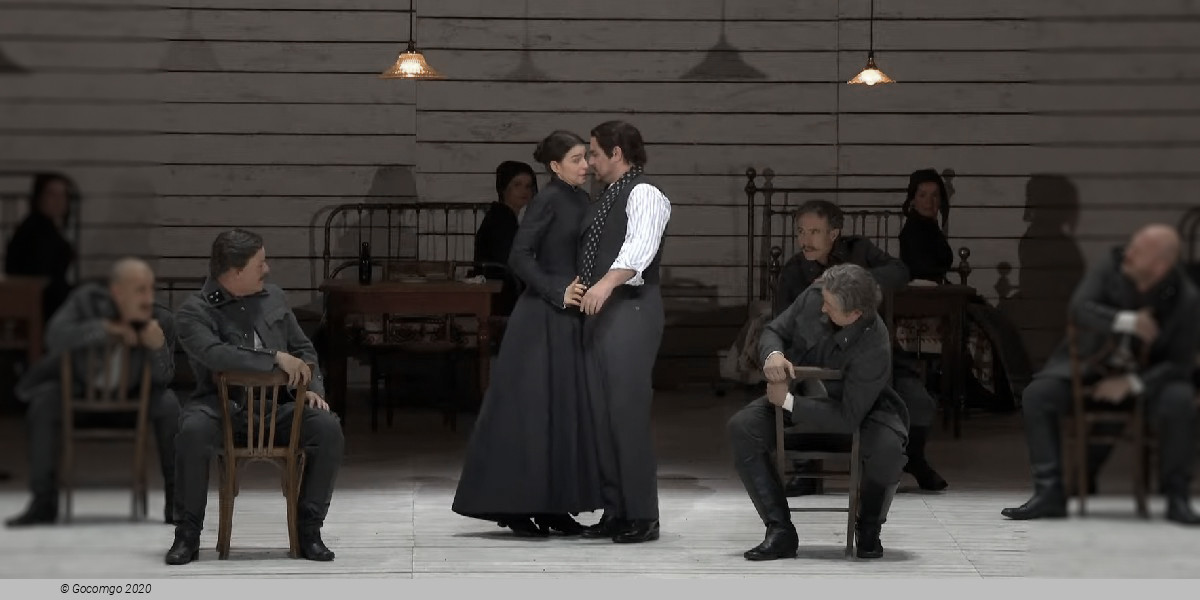
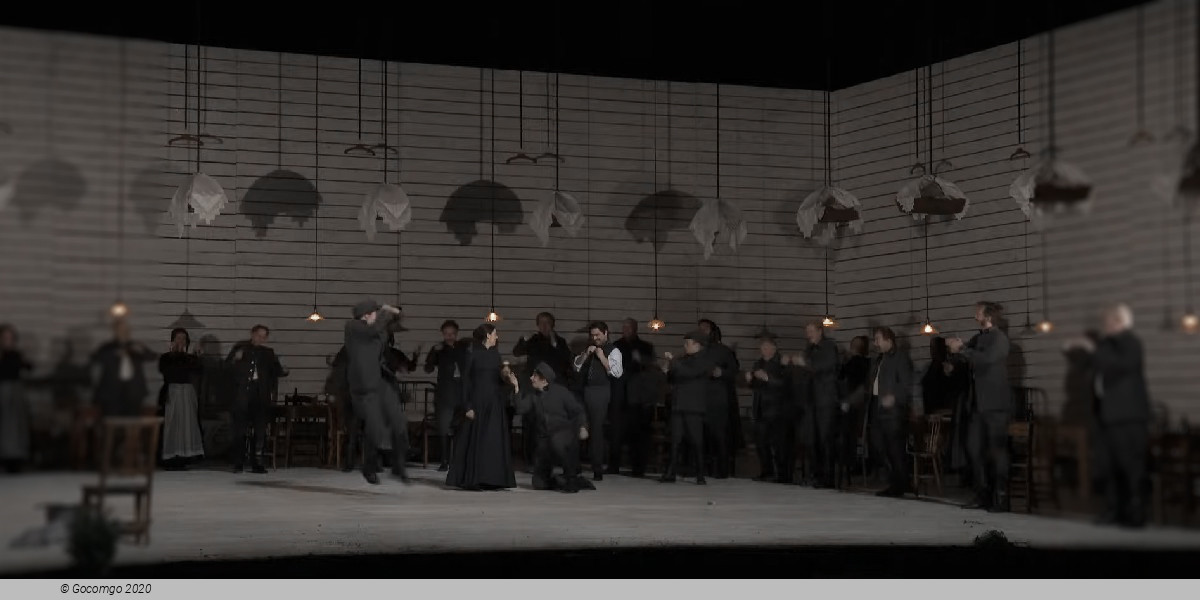
The foreman informs the family that Števa has not been drafted, to Jenůfa's relief and Laca's increased frustration. The others leave, and Jenůfa waits to greet Števa. He appears with a group of soldiers, drunk and boasting of his prowess with the girls. He calls for music and drags the miserable Jenůfa into dancing with him.

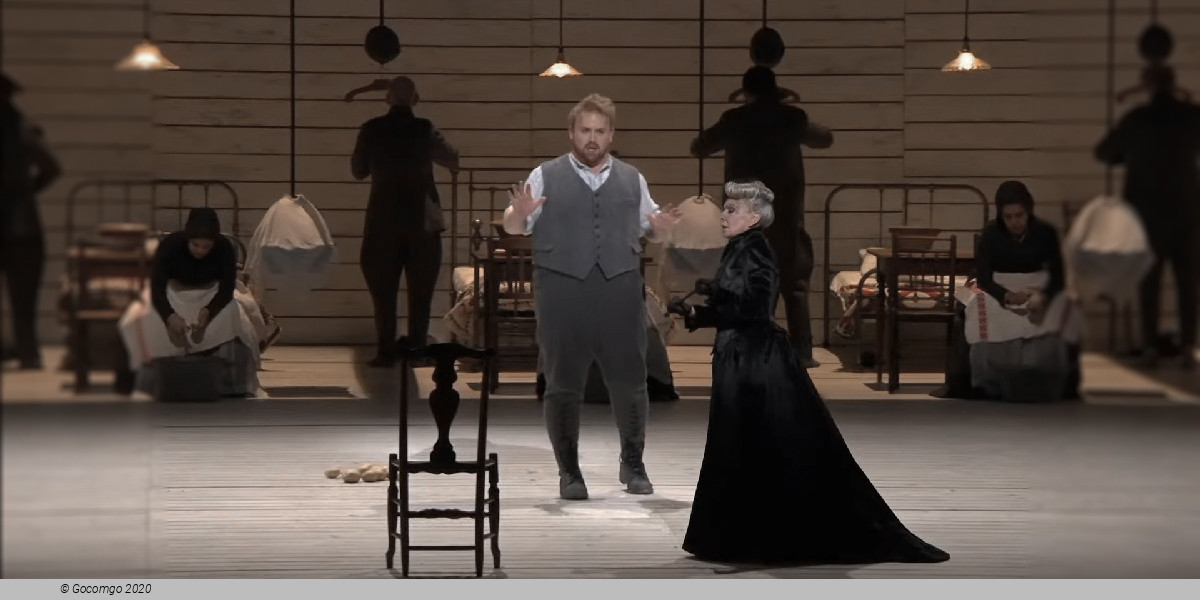
Then Kostelnička steps into this rowdy scene, silences the musicians and, shocked by Števa's behavior, forbids him to marry Jenůfa until he can stay sober for one full year. The soldiers and the family leave Števa and Jenůfa alone, and she begs him to love her, but he, unaware of her pregnancy, gives her casual answers and leaves.

Laca returns, as bitter as ever. He attempts to goad Jenůfa into criticizing Števa, but she takes her lover's side despite everything. Laca rages that Števa would never even look at her if it weren't for her rosy cheeks, then slashes her across the cheek with his knife.

Act 2

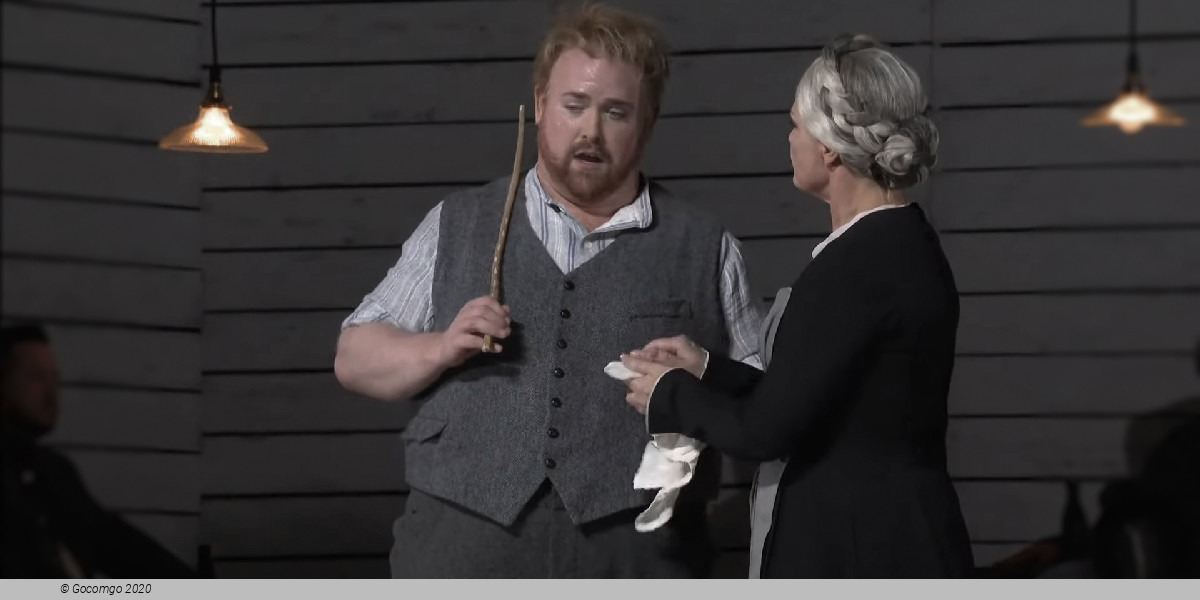
Months later, it is winter. The baby has been born, but Števa has not yet come to visit his child. Jenůfa's face is still disfigured, but she is happy in her love for the baby. While Jenůfa sleeps, the Kostelnička summons Števa and demands that he take responsibility. He answers that while he will provide money in secret, no one must know the baby is his. His love for Jenůfa died when Laca spoiled her beauty, and he is now engaged to marry Karolka, the mayor's pretty daughter.

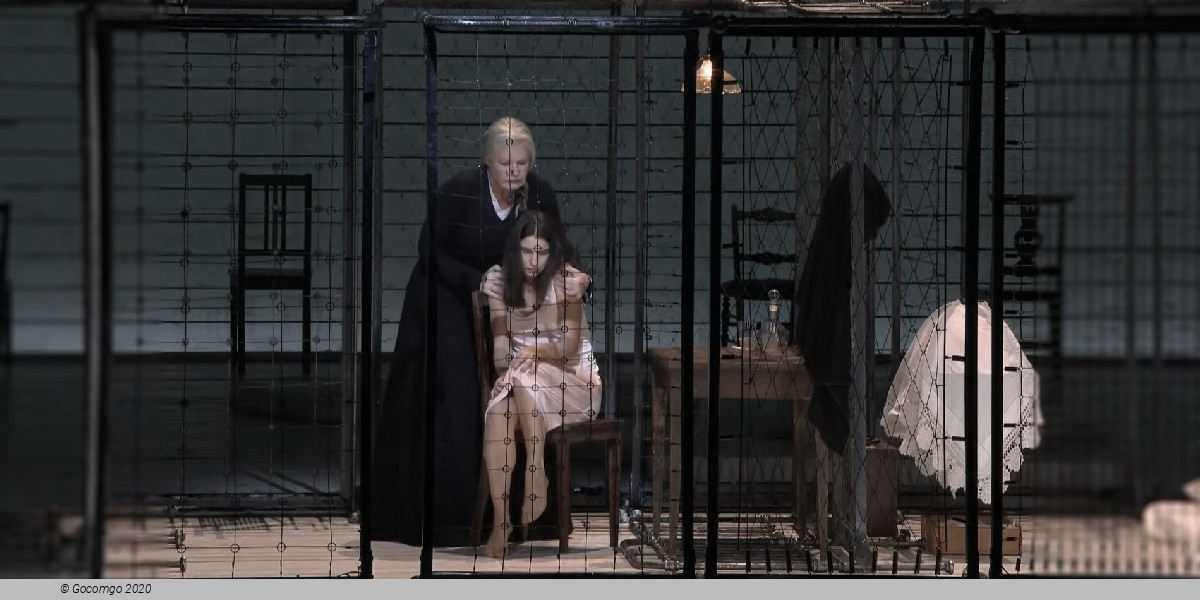
Števa leaves, and Laca enters. He still doesn't know the truth about the baby, and when the Kostelnička tells him, his first reaction is disgust at the thought of taking Števa's child under his wing. Fearful that Jenůfa will be left with no one to marry, Kostelnička hastily lies that the baby is dead. Laca leaves, and the Kostelnička is faced with the necessity of making the lie true. She wraps the baby in a shawl and leaves the house.

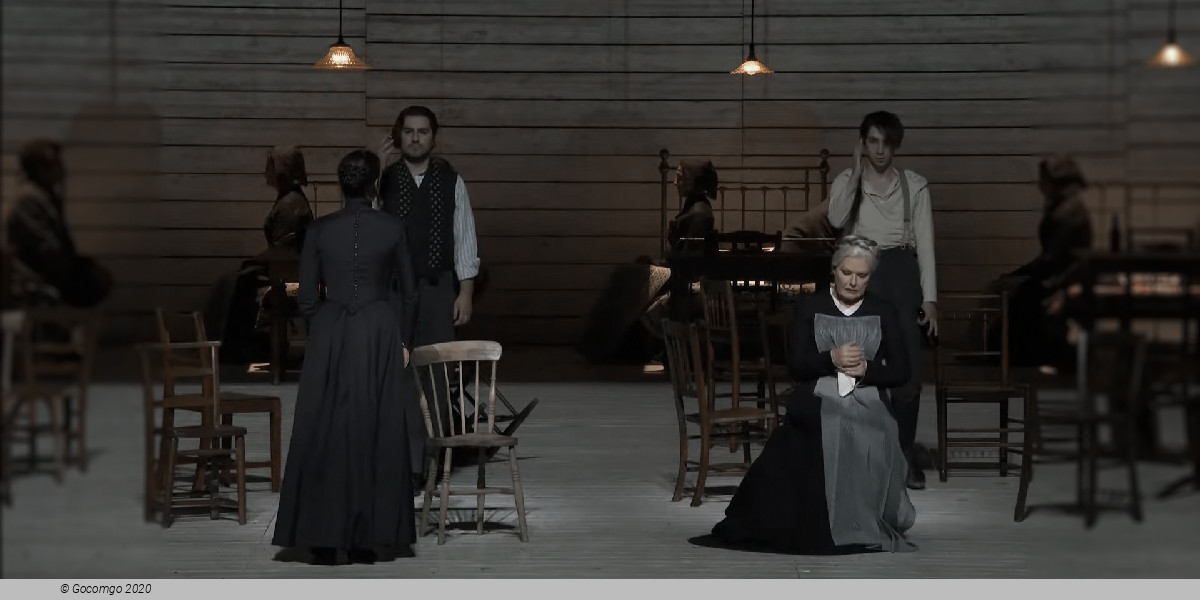
Jenůfa wakes up and says a prayer for her child's future, but the Kostelnička, returning, tells her that the baby died while she slept. Laca appears and comforts Jenůfa gently, asking that they spend the rest of their lives together. Seeing the tenderness of the couple, the Kostelnička tries to convince herself that she has acted for the best.

Act 3

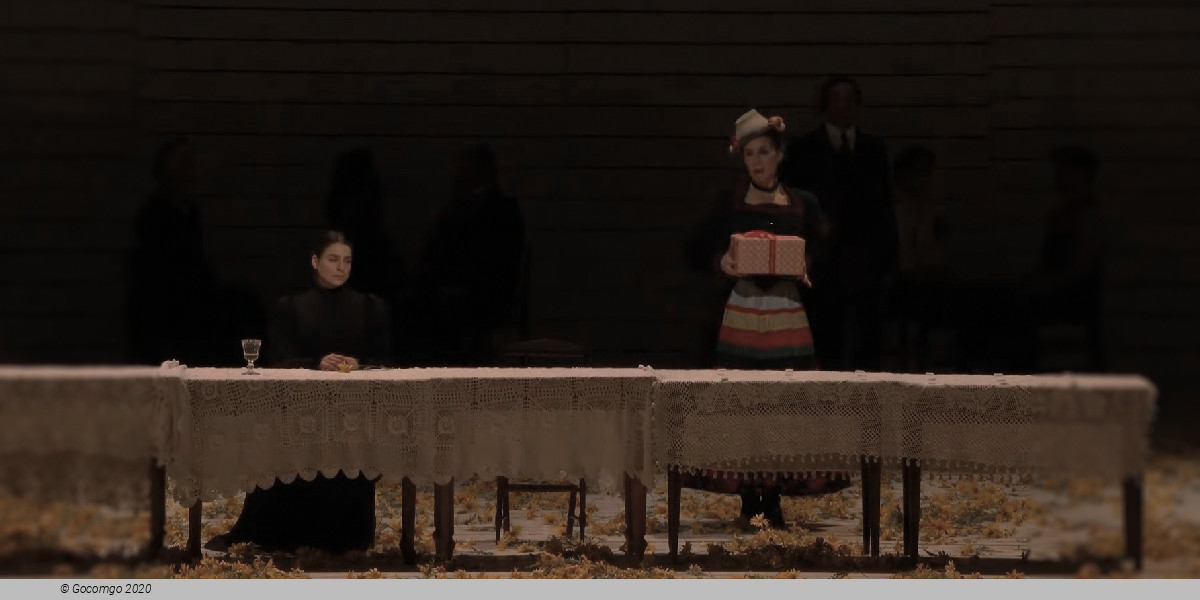
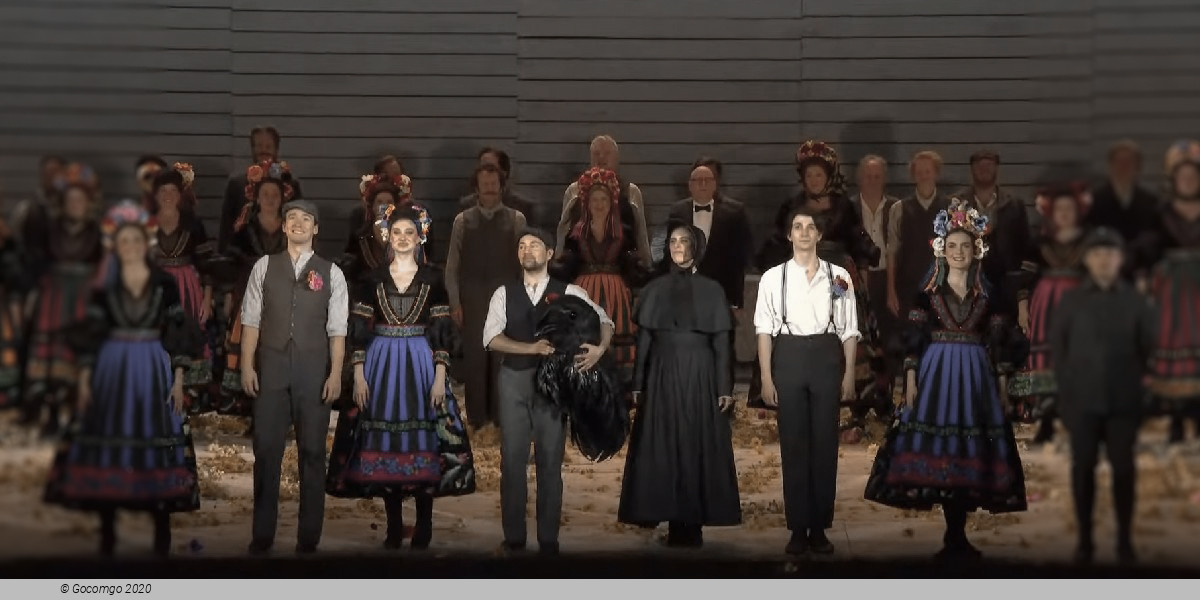
It is now spring, and Laca and Jenůfa's wedding day. All seems right again, except that the Kostelnička is a nervous wreck. Števa and Karolka visit, and a chorus of village girls sings a wedding song. Just then, screams are heard. The body of the baby has been discovered in the mill-stream under the melting ice. Jenůfa immediately says that the baby is hers, and in her grief appears guilty of the murder. The village is ready to exact immediate justice against Jenůfa, but the Kostelnička calms them and says that the crime is hers. Hearing the whole story, Jenůfa forgives her stepmother. The crowd takes the Kostelnička off to jail. Jenůfa and Laca are left alone. Jenůfa asks Laca to leave her, as she cannot expect him to marry her now. He replies that he will not leave her, and that he wishes to spend the rest of his life with her.

Venue Info

Metropolitan Opera - New York
Location   30 Lincoln Center

The Metropolitan Opera is an opera company based in New York City, resident at the Metropolitan Opera House at the Lincoln Center for the Performing Arts. The Metropolitan Opera is the largest classical music theatre in North America. It presents about 27 different operas each year from late September through May. As of 2018, the company's current music director is Yannick Nézet-Séguin.

The Metropolitan Opera Company was founded in 1883 as an alternative to New York's old established Academy of Music opera house. The subscribers to the Academy's limited number of private boxes represented the highest stratum in New York society. By 1880, these "old money" families were loath to admit New York's newly wealthy industrialists into their long-established social circle. Frustrated with being excluded, the Metropolitan Opera's founding subscribers determined to build a new opera house that would outshine the old Academy in every way. A group of 22 men assembled at Delmonico's restaurant on April 28, 1880. They elected officers and established subscriptions for ownership in the new company. The new theater, built at 39th and Broadway, would include three tiers of private boxes in which the scions of New York's powerful new industrial families could display their wealth and establish their social prominence. The first Met subscribers included members of the Morgan, Roosevelt, and Vanderbilt families, all of whom had been excluded from the Academy. The new Metropolitan Opera House opened on October 22, 1883, and was an immediate success, both socially and artistically. The Academy of Music's opera season folded just three years after the Met opened.

The operas are presented in a rotating repertory schedule, with up to seven performances of four different works staged each week. Performances are given in the evening Monday through Saturday with a matinée on Saturday. Several operas are presented in new productions each season. Sometimes these are borrowed from or shared with other opera companies. The rest of the year's operas are given in revivals of productions from previous seasons. The 2015–16 season comprised 227 performances of 25 operas.

The operas in the Met's repertoire consist of a wide range of works, from 18th-century Baroque and 19th-century Bel canto to the Minimalism of the late 20th century. These operas are presented in staged productions that range in style from those with elaborate traditional decors to others that feature modern conceptual designs.

The Met's performing company consists of a large symphony-sized orchestra, a chorus, a children's choir, and many supporting and leading solo singers. The company also employs numerous free-lance dancers, actors, musicians, and other performers throughout the season. The Met's roster of singers includes both international and American artists, some of whose careers have been developed through the Met's young artists programs. While many singers appear periodically as guests with the company, others, such as Renée Fleming and Plácido Domingo, long maintained a close association with the Met, appearing many times each season until they retired.

Important Info
Type: Opera
City: New York, USA

E-tickets: Print at home or at the box office of the event if so specified. You will find more information in your booking confirmation email.

You can only select the category, and not the exact seats.
If you order 2 or 3 tickets: your seats will be next to each other.
If you order 4 or more tickets: your seats will be next to each other, or, if this is not possible, we will provide a combination of groups of seats (at least in pairs, for example 2+2 or 2+3).

From
$ 101
Top of page