
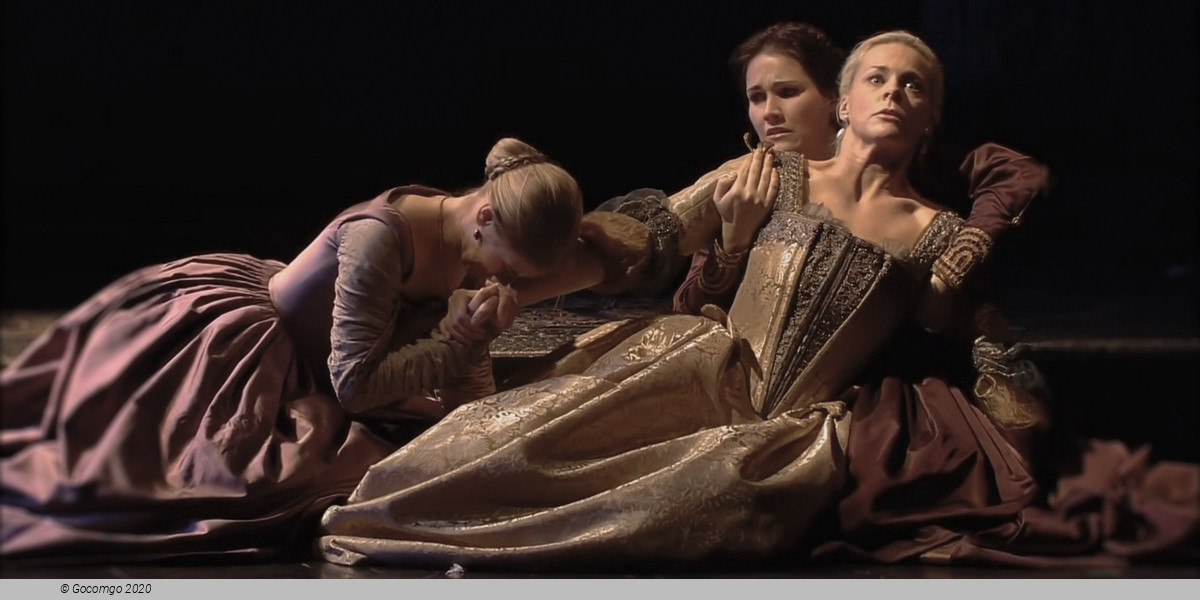
Teatro Real 4 February 2024 - "Dido and Aeneas" and "Jephte" (in concert version) | GoComGo.com

"Dido and Aeneas" and "Jephte" (in concert version)

Teatro Real, Main Auditorium, Madrid, Spain
All photos (17)
Select date and time
6 PM

E-tickets: Print at home or at the box office of the event if so specified. You will find more information in your booking confirmation email.

You can only select the category, and not the exact seats.
If you order 2 or 3 tickets: your seats will be next to each other.
If you order 4 or more tickets: your seats will be next to each other, or, if this is not possible, we will provide a combination of groups of seats (at least in pairs, for example 2+2 or 2+3).

Important Info
Type: Opera
City: Madrid, Spain
Starts at: 18:00

E-tickets: Print at home or at the box office of the event if so specified. You will find more information in your booking confirmation email.

You can only select the category, and not the exact seats.
If you order 2 or 3 tickets: your seats will be next to each other.
If you order 4 or more tickets: your seats will be next to each other, or, if this is not possible, we will provide a combination of groups of seats (at least in pairs, for example 2+2 or 2+3).

Overview

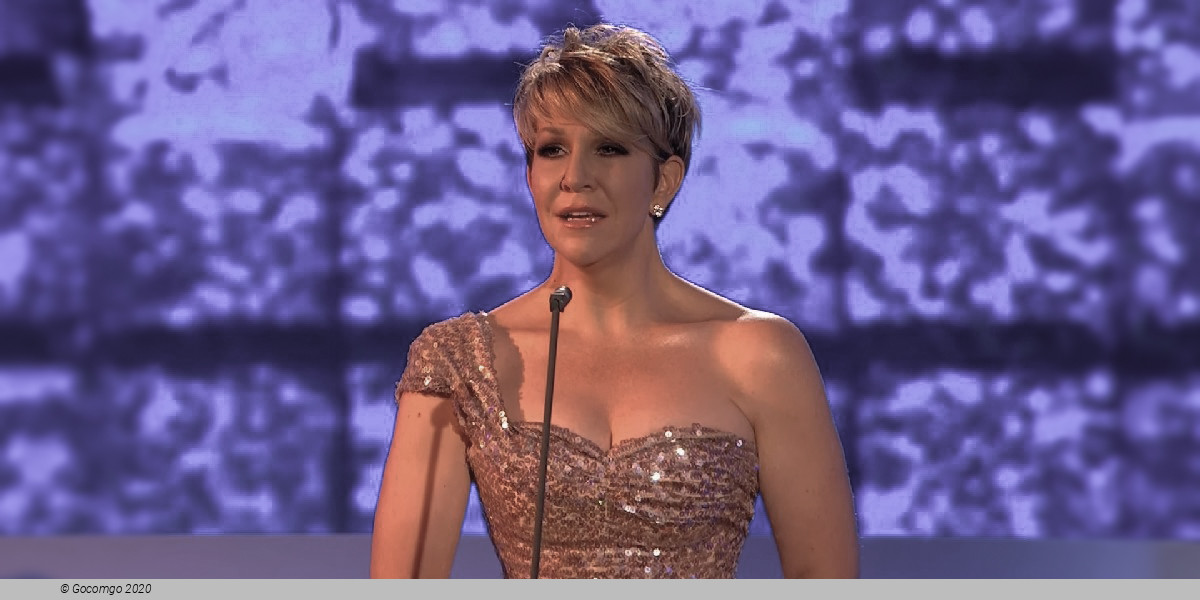
With a program that includes the most famous opera by Purcell and Jephte de Carissimi, Joyce DiDonato and Il Pomo d'Oro take another year to the stage of the Royal to play Dido, Queen of Carthage. The American mezzo-soprano is one of the most outstanding voices of her generation and the greatest of the moment with a worldwide reputation, having performed on such outstanding stages as the Metropolitan in New York, the Paris Opera or Covent Garden in London.

In his Heroides , the poet Ovid imagined the epistles that an illustrious list of abandoned women - among them Penelope, Dido, Ariadne and, of course, Medea—would have written to their respective elusive lovers. The fame of many of these heroines continued into the Baroque era through opera, inspiring one of its most sublime subgenres: the lament aria. Dido's lament from Henry Purcell's opera Dido & Aeneas belies the furious scorned lover described by Virgil in his Aeneid, fully relying on Ovid's compassionate portrait, who shows her in her last moments of life grieved by the sad memory she will leave behind. among their own.

Premiered in 1689 at the Josias Priest women's dance school, and probably conceived to be performed by the inmates of this London center, Dido & Aeneas has become one of the most performed operas of its time today, supported by the sensitive portrayal of its female protagonist - capable of reducing her antagonist to the status of antihero - and the immediacy, conciseness, and beauty of its score.

History
Premiere of this production: Josias Priest's girls' school, London

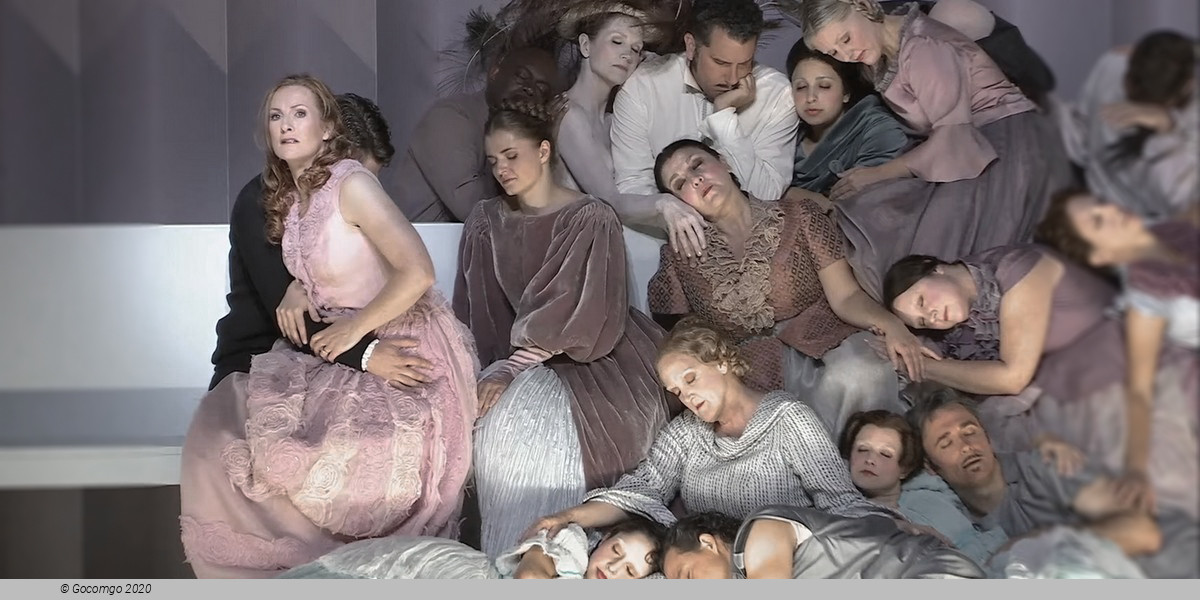
Dido and Aeneas is an opera in a prologue and three acts, written by the English Baroque composer Henry Purcell with a libretto by Nahum Tate. It recounts the love of Dido, Queen of Carthage, for the Trojan hero Aeneas, and her despair when he abandons her.

Premiere of this production: 30 November 1647

Jephte or Historia di Jephte is an important exemplar of the mid-17th-century Historia Sacra form composed by Giacomo Carissimi around 1650 (probably 1648), based on the story of Jephtha in the Old Testament Book of Judges.

Synopsis

Act 1
Dido's court

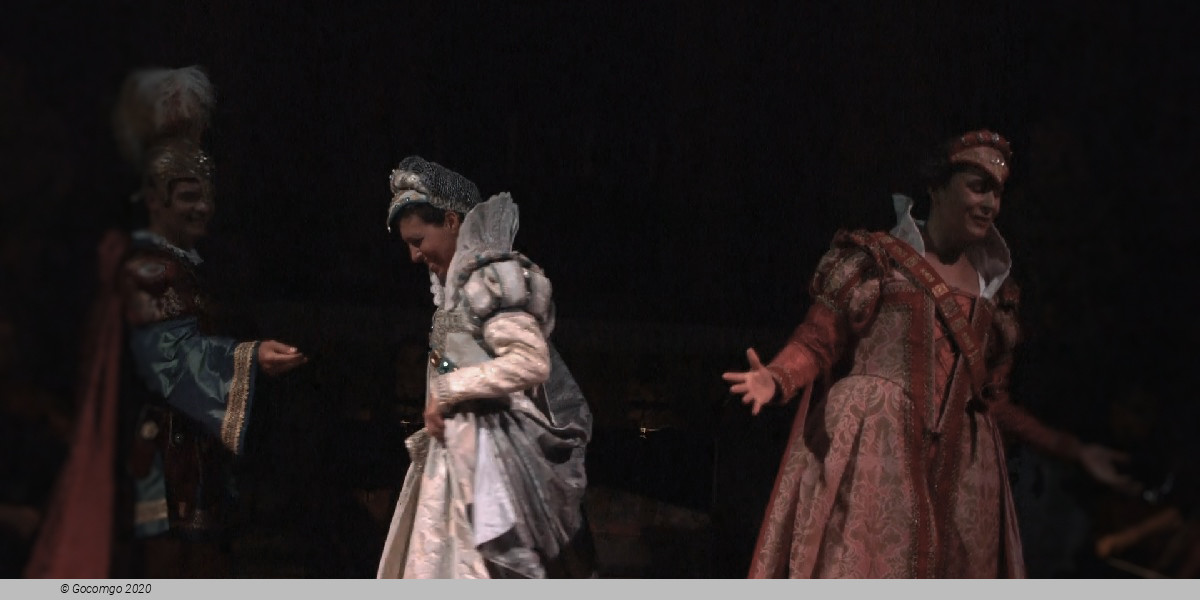
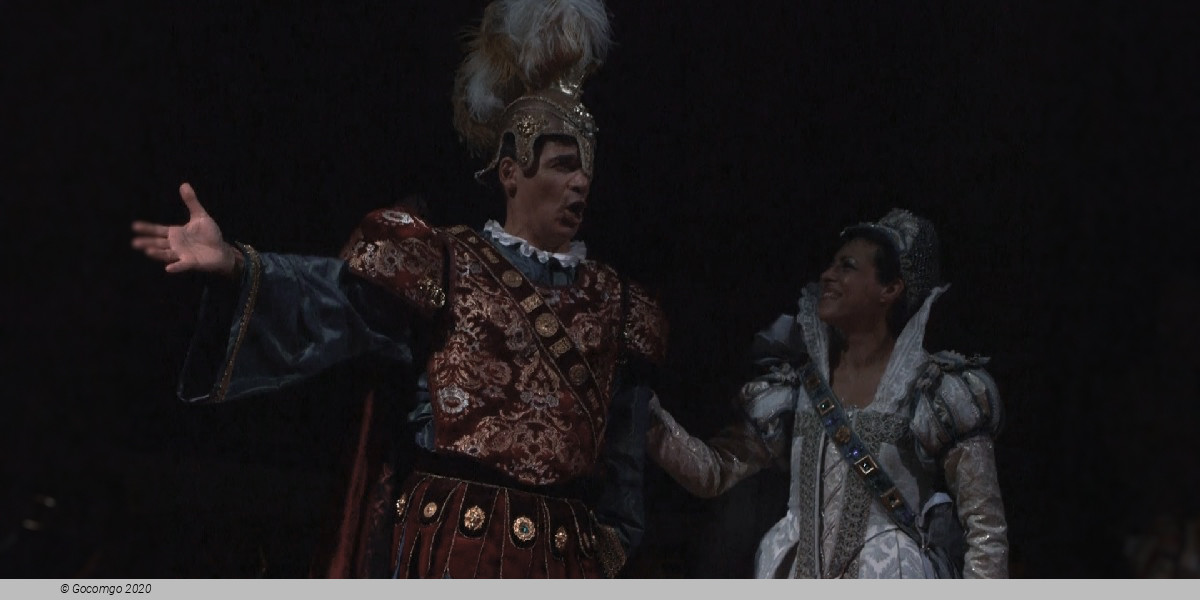
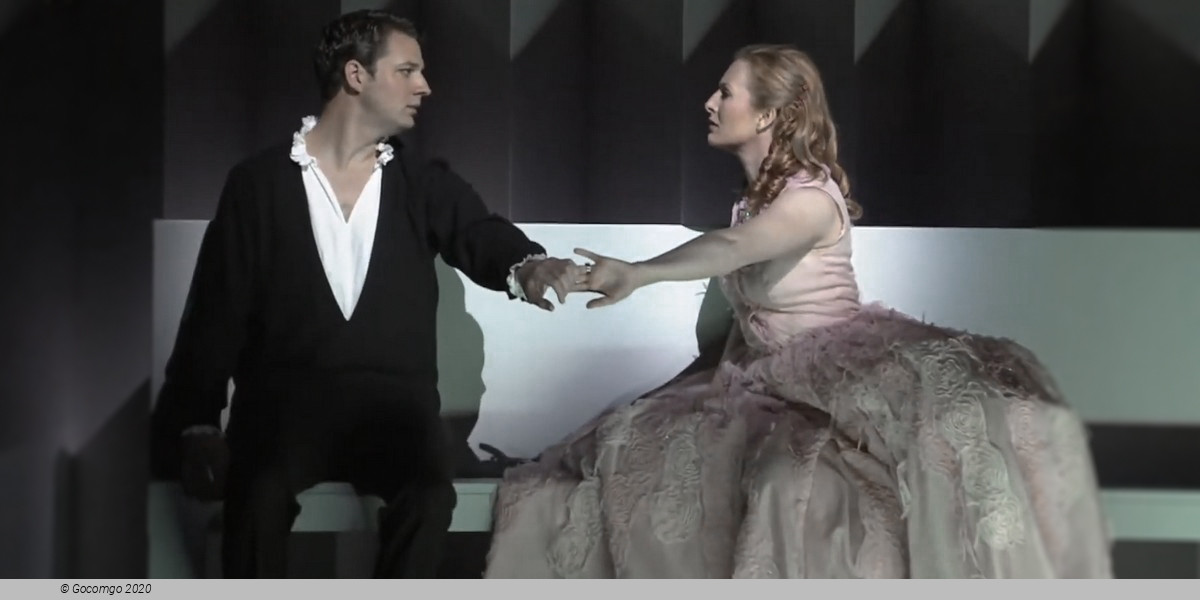
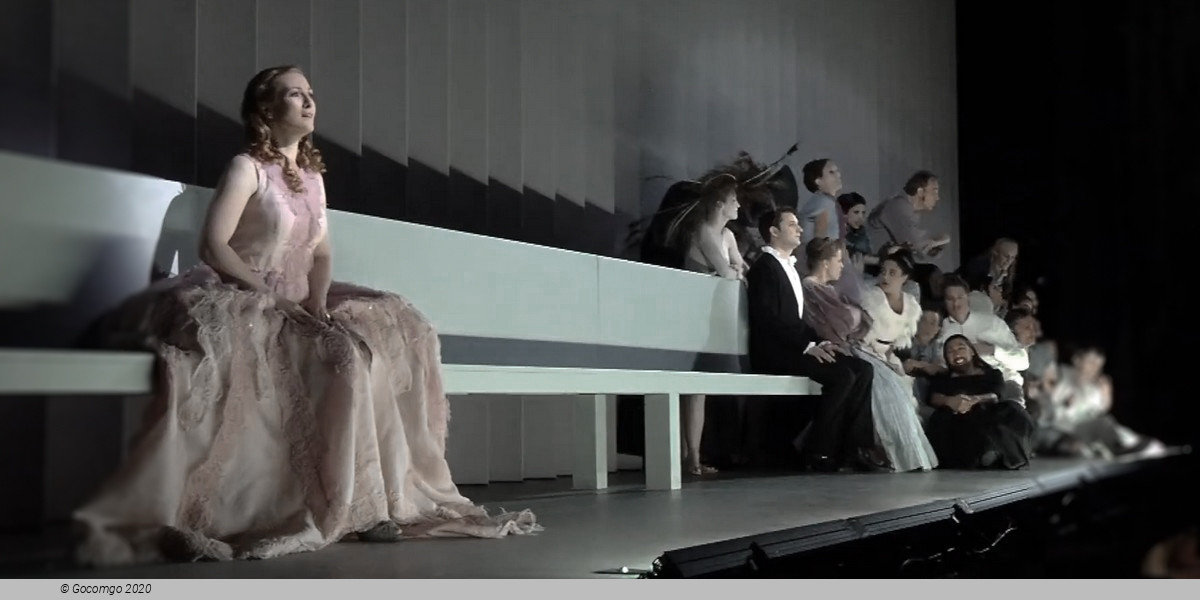
The opera opens with Dido in her court with her attendants. Belinda is trying to cheer up Dido, but Dido is full of sorrow, saying 'Peace and I are strangers grown'. Belinda believes the source of this grief to be the Trojan Aeneas, and suggests that Carthage's troubles could be resolved by a marriage between the two. Dido and Belinda talk for a time: Dido fears that her love will make her a weak monarch, but Belinda and the Second Woman reassure her that "The hero loves as well." Aeneas enters the court, and is at first received coldly by Dido, but she eventually accepts his proposal of marriage.

Act 2
Scene 1: The cave of the Sorceress

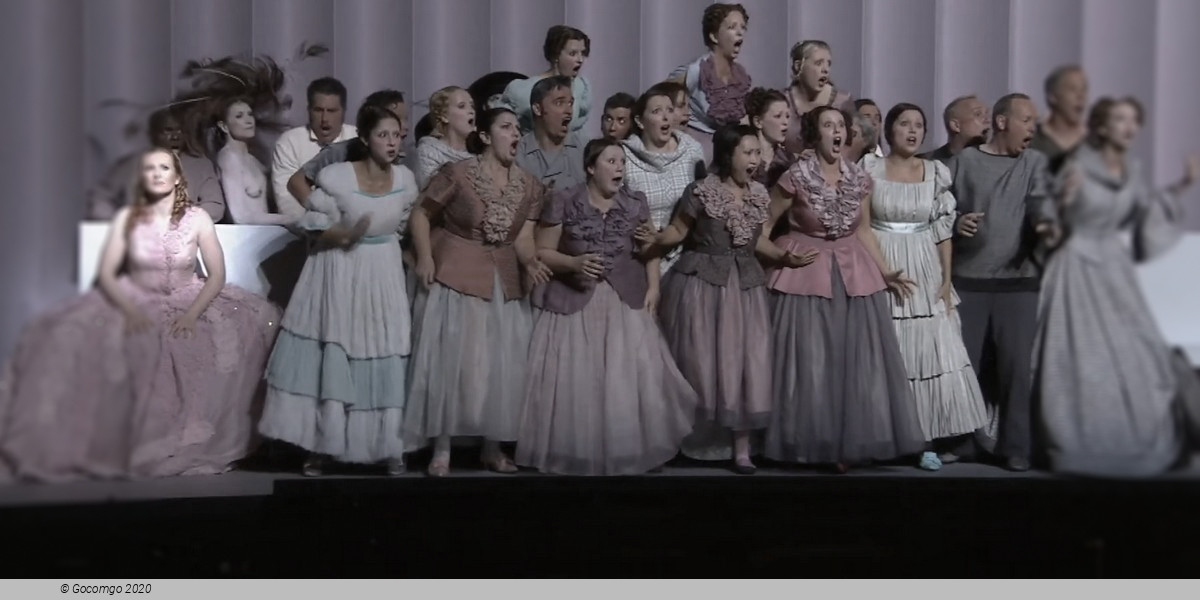
The Sorceress/Sorcerer is plotting the destruction of Carthage and its queen, and summons companions to help with evil plans. The plan is to send her "trusted elf" disguised as Mercury, someone to whom Aeneas will surely listen, to tempt him to leave Dido and sail to Italy. This would leave Dido heartbroken, and she would surely die. The chorus join in with terrible laughter, and the Enchantresses decide to conjure up a storm to make Dido and her train leave the grove and return to the palace. When the spell is prepared, the witches vanish in a thunderclap.

Scene 2: A grove during the middle of a hunt

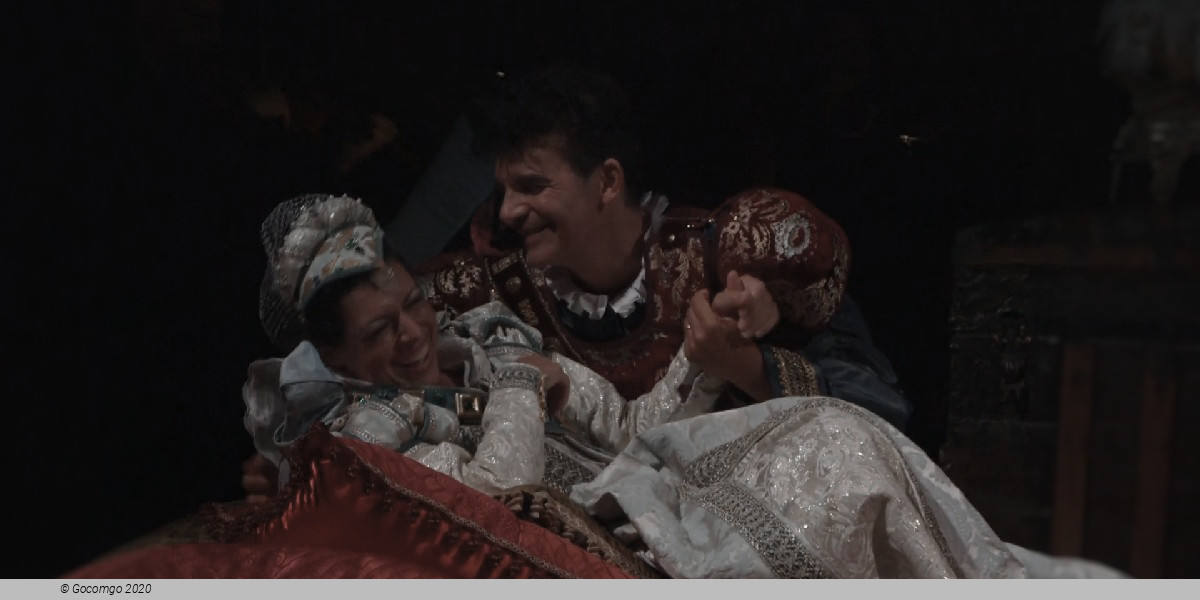
Dido and Aeneas are accompanied by their train. They stop at the grove to take in its beauty. A lot of action is going on, with attendants carrying goods from the hunt and a picnic possibly taking place, and Dido and Aeneas are together within the activity. This is all stopped when Dido hears distant thunder, prompting Belinda to tell the servants to prepare for a return to shelter as soon as possible. As every other character leaves the stage, Aeneas is stopped by the Sorceress's elf, who is disguised as Mercury. This pretend Mercury brings the command of Jove that Aeneas is to wait no longer in beginning his task of creating a new Troy on Latin soil. Aeneas consents to the wishes of what he believes are the gods, but is heart-broken that he will have to leave Dido. He then goes off-stage to prepare for his departure from Carthage.

Act 3
The harbour at Carthage

Preparations are being made for the departure of the Trojan fleet. The sailors sing a song, which is followed shortly by the Sorceress and her companions' sudden appearance. The group is pleased at how well their plan has worked, and the Sorceress sings a solo describing her further plans for the destruction of Aeneas "on the ocean". All the characters begin to clear the stage after a dance in three sections, and then disperse.

The palace

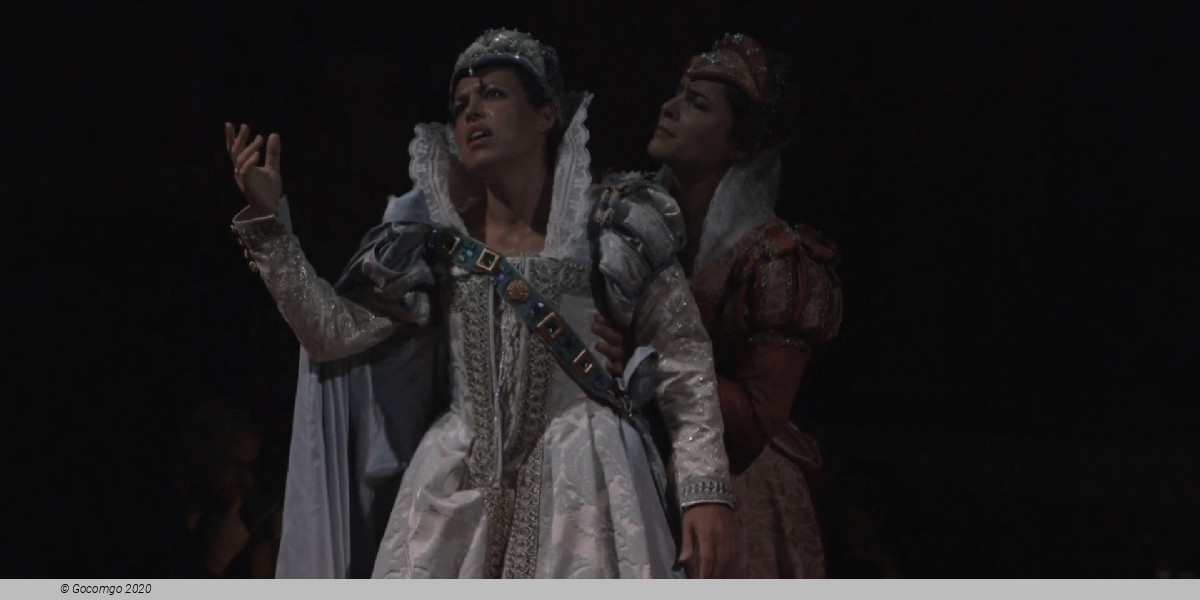
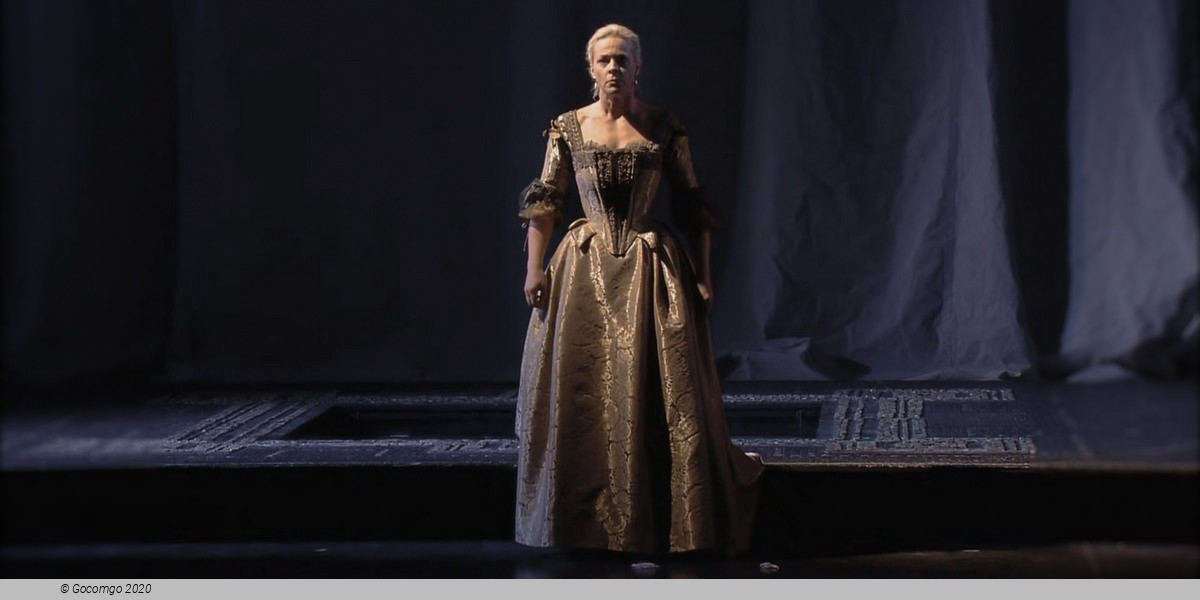
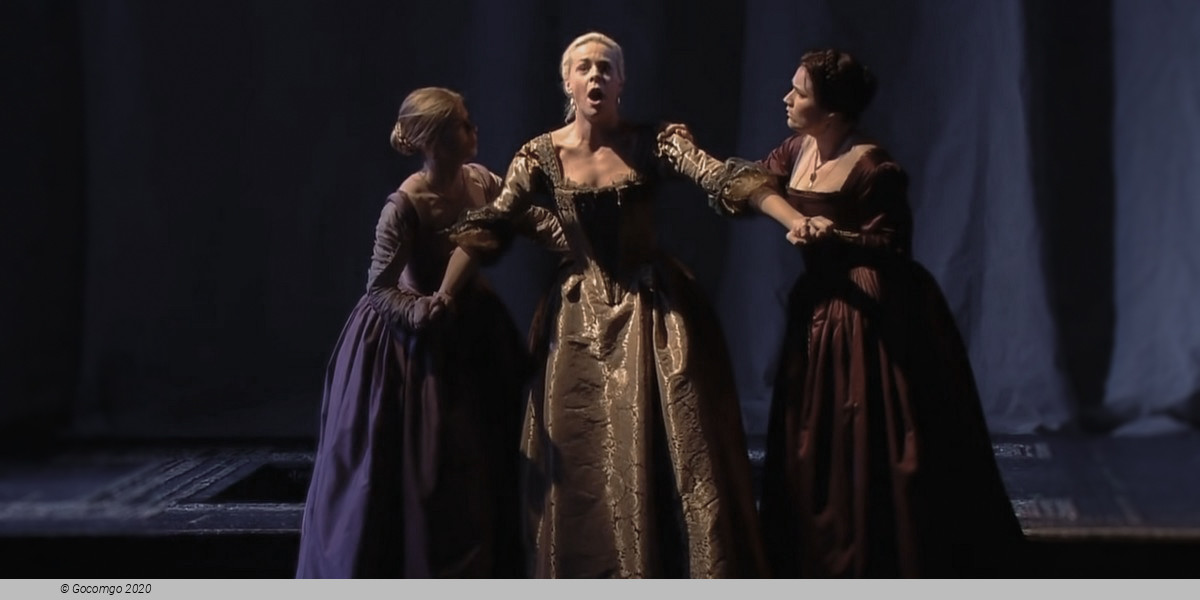
Dido and Belinda enter, shocked at Aeneas’ disappearance. Dido is distraught and Belinda comforts her. Suddenly Aeneas returns, but Dido is full of fear before Aeneas speaks, and his words only serve to confirm her suspicions. She derides his reasons for leaving, and even when Aeneas says he will defy the gods and not leave Carthage, Dido rejects him for having once thought of leaving her. After Dido forces Aeneas to leave, she states that "Death must come when he is gone." The opera and Dido's life both slowly come to a conclusion, as the Queen of Carthage sings her last aria, "When I am laid in Earth", also known as "Dido's Lament." The chorus and orchestra then conclude the opera once Dido is dead by ordering the "cupids to scatter roses on her tomb, soft and gentle as her heart. Keep here your watch, and never, never part."

Venue Info

Teatro Real - Madrid
Location   Isabel II Square, s / n.

Teatro Real is a major opera house located in Madrid. Today the Teatro Real opera is one of the great theaters of Europe hosting large productions involving leading international figures in opera singing, musical direction, stage direction, and dance. Founded in 1818 and inaugurated on 19 November 1850, it closed in 1925 and reopened in 1966. Beginning in 1988 it underwent major refurbishing and renovation works and finally reopened in 1997 with a capacity of 1,746 seats. The theater offers visitors guided tours in several languages, including the auditorium, stage, workshops, and rehearsal rooms.

Founded by King Ferdinand VII in 1818, and after thirty-two years of planning and construction, a Royal Order on 7 May 1850 decreed the immediate completion of the "Teatro de Oriente" and the building works were finished within five months. The Opera House, located just in front of the Palacio Real, the official residence of the Queen who ordered the construction of the theatre, Isabel II, was finally inaugurated on 19 November 1850, with Donizetti's La Favorite.

The Teatro soon became one of the most prestigious opera houses in Europe. For over five decades it hosted the most renowned singers and composers of the time. In the early period, it saw famous opera singers such as Alboni, Frezzolini, Marietta Gazzaniga, Rosina Penco, Giulia Grisi, Giorgio Ronconi, Italo Gardoni, Mario de Candia and Antonio Selva among many others. In 1863, Giuseppe Verdi visited the theatre for the Spanish premiere of his La Forza del Destino. At its peak, in the last quarter of the 19th century, the Teatro hosted world renowned artists such as Adela Borghi, Marie Sasse, Adelina Patti, Christina Nilsson, Luisa Tetrazzini, Mattia Battistini, Julián Gayarre, Angelo Masini, Francesco Tamagno and Enrico Tamberlick. In 1925, the Ballets Russes of Diaghilev performed in the theatre with the presence of Nijinsky and Stravinsky.

From 1867 to 1925 the Teatro Real also housed the Madrid Royal Conservatory. In December of 1925 a Royal Order ordered its activities to be discontinued owing to the damage that the construction of the Metro de Madrid had caused to the building. The government set out to restore it and ordered numerous projects to be drawn out for its renovation, such as that from architect Urdanpilleta Flórez, who proposed a monumental remodeling of the building. However, financial difficulties prevented the completion of these projects and led to a simple restoration, sponsored by the Juan March Institute, and carried out first by the architect Manuel Gonzalez Valcárcel, and later by architects Miguel Verdú Belmonte and Francisco Rodriguez Partearroyo.

The theatre reopened in 1966 as a concert hall as well as the main concert venue for the Spanish National Orchestra and the RTVE Symphony Orchestra. The reopening was celebrated with a concert of the Spanish National Orchestra conducted by Rafael Frühbeck de Burgos, and the Orfeón Donostiarra. In 1969, the 14th Eurovision Song Contest was held at the theatre, featuring an onstage metal sculpture created by surrealist Spanish artist Salvador Dalí.

Important Info
Type: Opera
City: Madrid, Spain
Starts at: 18:00
Top of page