
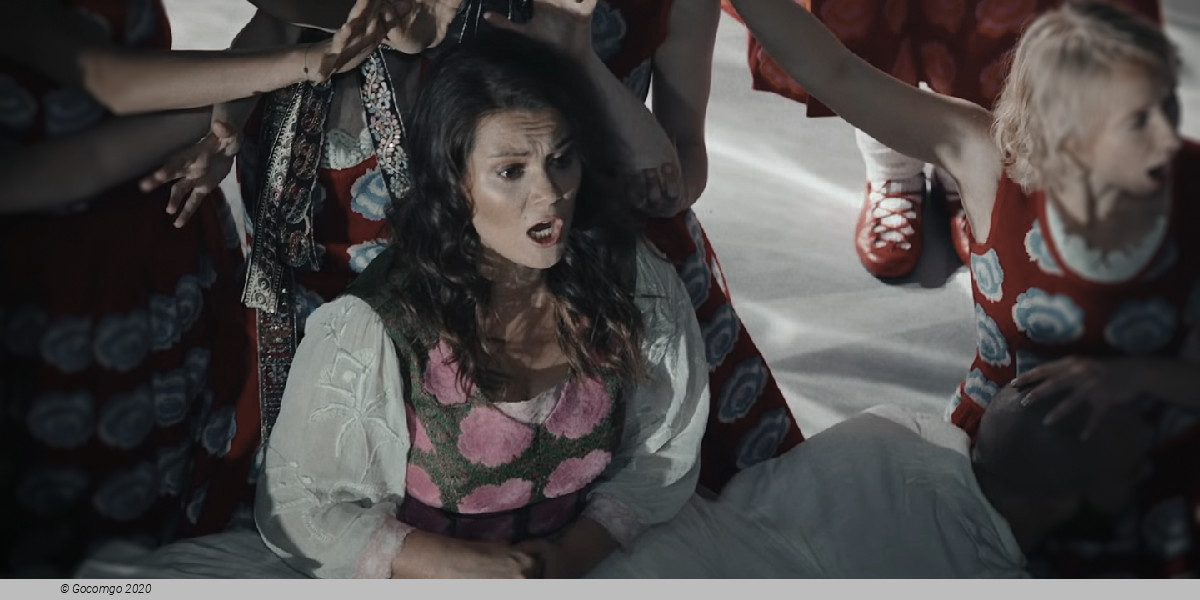
Teatro Real 11 November 2023 - Halka (concert version) | GoComGo.com

Halka (concert version)

Teatro Real, Main Auditorium, Madrid, Spain
All photos (7)
Select date and time
7:30 PM

E-tickets: Print at home or at the box office of the event if so specified. You will find more information in your booking confirmation email.

You can only select the category, and not the exact seats.
If you order 2 or 3 tickets: your seats will be next to each other.
If you order 4 or more tickets: your seats will be next to each other, or, if this is not possible, we will provide a combination of groups of seats (at least in pairs, for example 2+2 or 2+3).

Important Info
Type: Opera
City: Madrid, Spain
Starts at: 19:30
Acts: 4

E-tickets: Print at home or at the box office of the event if so specified. You will find more information in your booking confirmation email.

You can only select the category, and not the exact seats.
If you order 2 or 3 tickets: your seats will be next to each other.
If you order 4 or more tickets: your seats will be next to each other, or, if this is not possible, we will provide a combination of groups of seats (at least in pairs, for example 2+2 or 2+3).

Overview

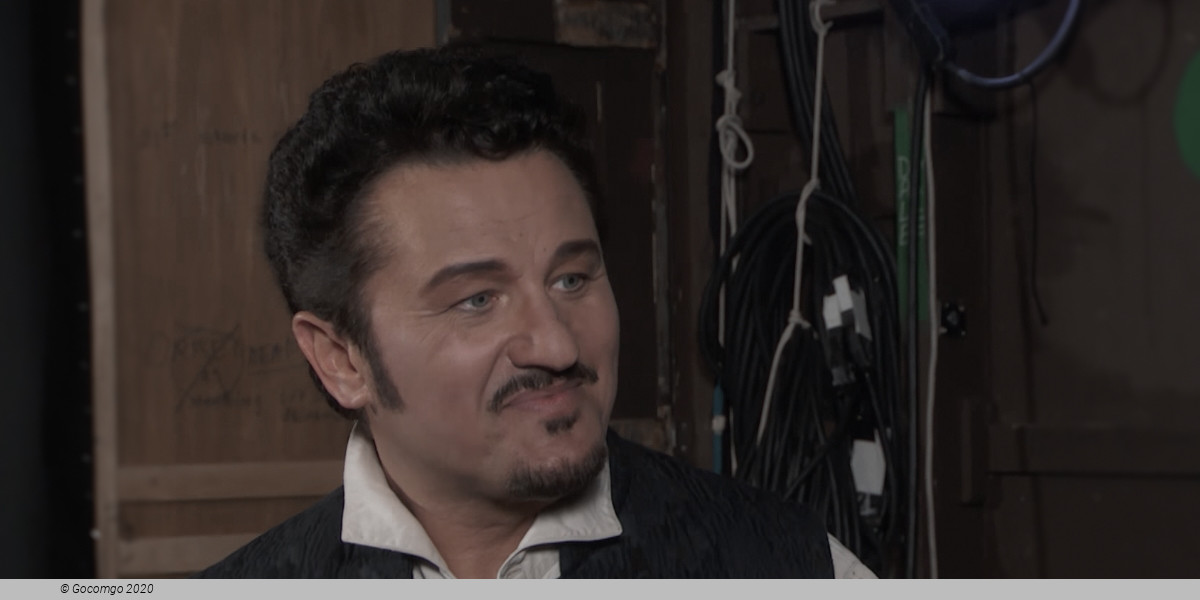
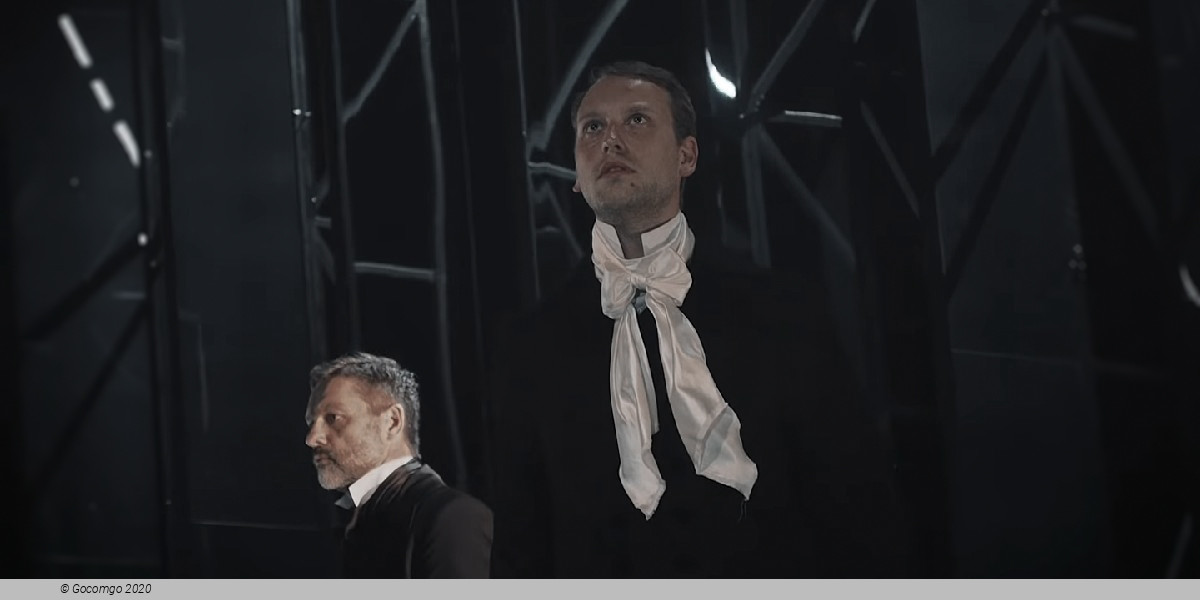
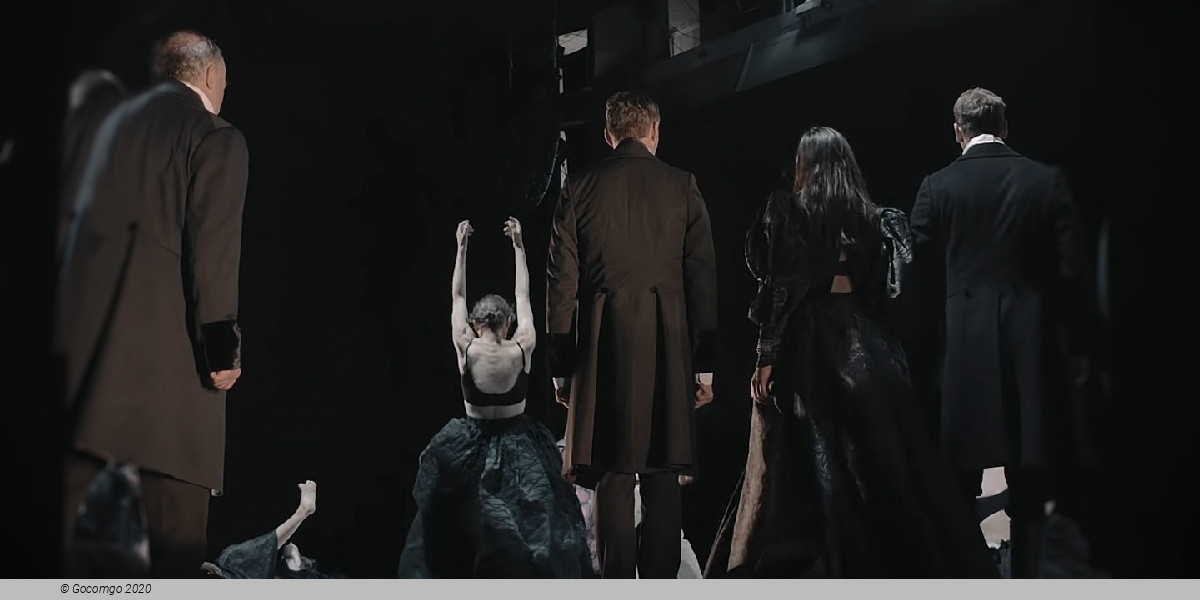
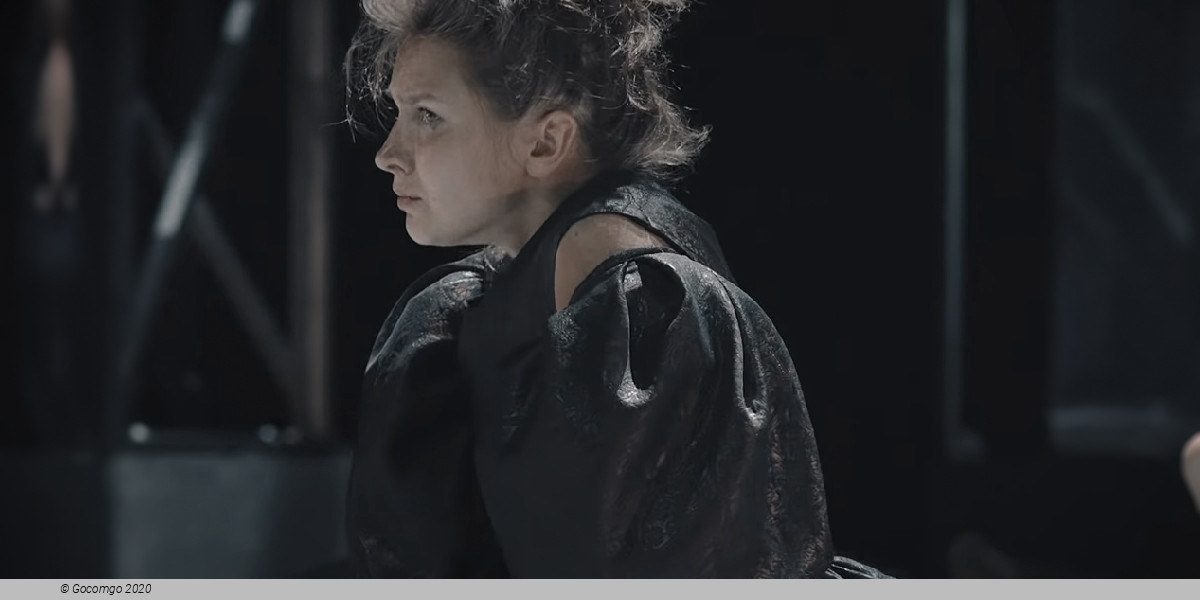
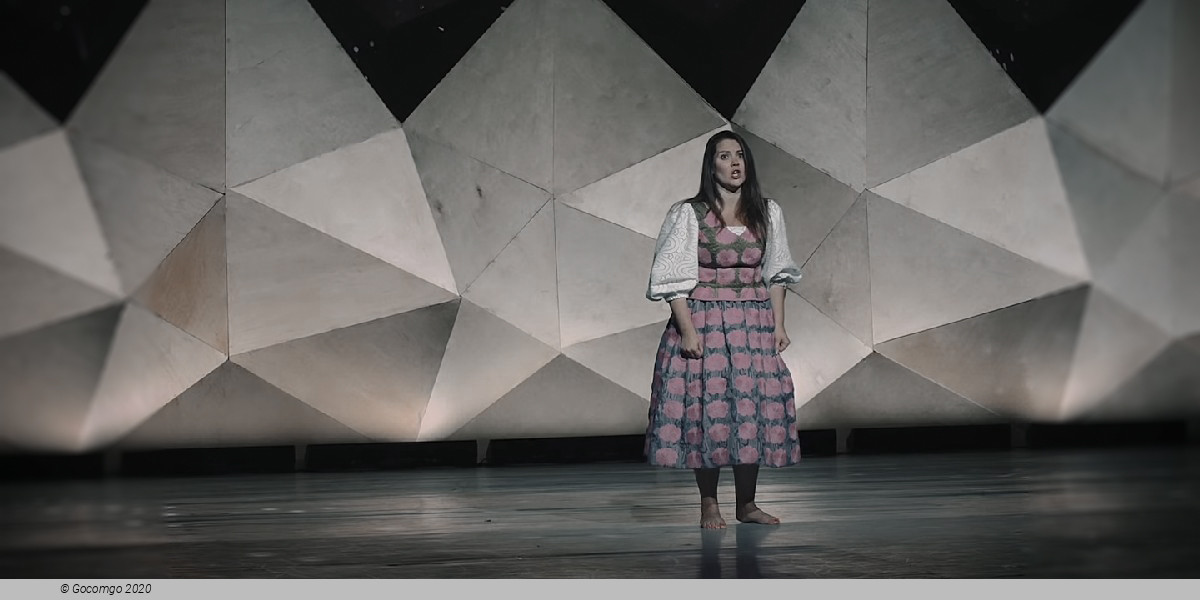
A Polish romantic opera that, together with the figure and production of Chopin, represents one of the milestones in the musical history of the country and that arrives at the Real with the voice of the Polish Piotr Beczała . Considered a national treasure, its sung melodies are rooted in the Polish tradition. Every time this opera is performed in Poland, it acquires the tinge of a national event.

The artistic quality and its great structure create an agile dramatic pulse within its four acts, helping to relate its musical elements to the character of Halka.  

The quintessential Polish national opera will surprise more than one person due to the appraisal of its dramatic and musical language, essential qualities to bring to fruition the universal theme —the repudiation of a mother with illegitimate children— that we know in all its harshness through the myth of Medea but which Moniuszko brings closer, more than half a century in advance, to the realistic and compassionate universe of Jenůfa

A “national” opera —although not “nationalist” in the broad sense of the term—, Halka occupies in his country the seminal position that The Poacher occupied in Germany, Life for the Tsar in Russia, Hunyadi László in Hungary or The Bartered Bride in Czech Republic. Written when Poland was living under the Russian yoke, Moniuszko rose through it as the musical hero—with Chopin's permission—of a downtrodden land. Its protagonist —the peasant woman Halka— acquires her tragic stature thanks to her explicit identification with the Polish people —achieved through the popular inflection of her song— and by the moving images with which the librettist and composer of this work framed her frail figure. essential of Central European Romanticism.

History
Premiere of this production: 01 January 1848, Vilnius

Halka is an opera by Polish composer Stanisław Moniuszko to a libretto written by Włodzimierz Wolski, a young Warsaw poet with radical social views. It is part of the canon of Polish national operas.

Synopsis

Act 1
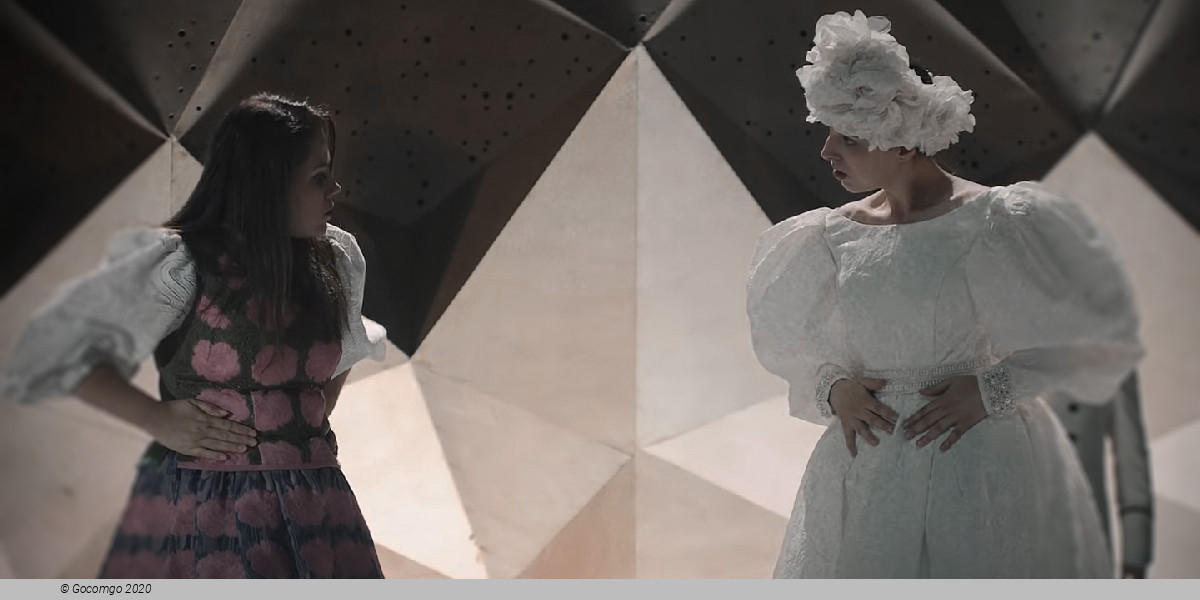
Guests at an engagement party are happy to note that the wedding of Janusz, a wealthy young landowner, to Zofia, the daughter of an even wealthier landowner named Stolnik, will unite two huge estates. Zofia and Janusz celebrate a toast with Stolnik, and Stolnik calls Janusz the son he has always wanted. The party is disturbed by a plaintive wailing from outside. It seems to be a troubled young girl, crying for her lost love. The kind-hearted Zofia asks Janusz to talk to the girl, hoping he will comfort her; he reluctantly agrees.

Dziemba, the steward of Stolnik's estate, ushers in the woebegone creature. This is Halka. To the audience's surprise, she appears to know Janusz. It turns out that he himself is her lost love; he promised her marriage while in her village in the mountains but then disappeared. As soon as Halka looks into Janusz's eyes, she is convinced that his feelings for her haven't changed, despite the disquieting rumours she had heard to the contrary. Halka throws her arms around Janusz and he says that he still loves her as he did before. He tells Halka to meet him after dark at the statue of the Virgin Mary by the river; they will escape together to start a new life somewhere else. Once Halka goes out, Janusz returns to the party.

Act 2
Halka is waiting for Janusz by the river. She is disturbed by the appearance of not Janusz, but Jontek, a friend from her mountain village. Jontek has been in (unrequited) love with Halka for many years. Halka tells him happily that Janusz still loves her, but Jontek insists that she has been betrayed. Jontek can't convince Halka until he drags her to the scene of the party, where she sees that Janusz has become engaged to Zofia. Halka is devastated and compares herself to a dove who has been ripped to pieces by a falcon.

Act 3
Act 3 opens with happy scenes of normal life back in Halka's mountain village. The villagers are dismayed by the arrival of Jontek and an unrecognisable woman, who turns out to be the saddened Halka. They are angry when they hear about Janusz's engagement and even angrier when they realise that Halka is pregnant. Halka is in a world of her own, crushed by grief and fixated on the images of the dove being broken by the falcon. A black raven passes overhead, boding ill for everyone.

Act 4
Jontek is very sad about Halka. When a piper, in the village to play at the wedding of Janusz and Zofia, appears playing a happy tune, Jontek asks him what there is to be so happy about. The piper mollifies him by playing a haunting mountain song. Jontek describes his love for Halka and the many wonders of nature she reminds him of.

When Janusz and Zofia arrive in the village to celebrate their wedding, the angry villagers have to be convinced to act festive by Dziemba, the steward, who persuades them to do so out of respect for the bride. Zofia notices that Halka is terribly upset. She thinks she has seen Halka somewhere before, and even asks her what's wrong. Janusz admits that Halka is the girl who interrupted their engagement party but whisks Zofia into the church before she can ask any more questions. Halka is heartbroken to see that Janusz is going through with the marriage. She has lost her baby and feels completely alone. In a fit of rage, she decides to burn down the church. However, she decides to let Janusz live and throws herself into the river instead.

Venue Info

Teatro Real - Madrid
Location   Isabel II Square, s / n.

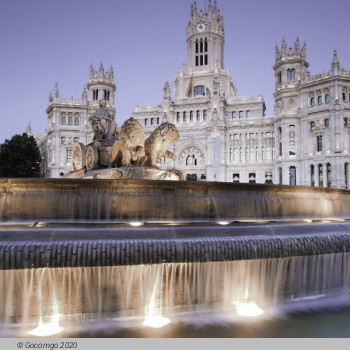
Teatro Real is a major opera house located in Madrid. Today the Teatro Real opera is one of the great theaters of Europe hosting large productions involving leading international figures in opera singing, musical direction, stage direction, and dance. Founded in 1818 and inaugurated on 19 November 1850, it closed in 1925 and reopened in 1966. Beginning in 1988 it underwent major refurbishing and renovation works and finally reopened in 1997 with a capacity of 1,746 seats. The theater offers visitors guided tours in several languages, including the auditorium, stage, workshops, and rehearsal rooms.

Founded by King Ferdinand VII in 1818, and after thirty-two years of planning and construction, a Royal Order on 7 May 1850 decreed the immediate completion of the "Teatro de Oriente" and the building works were finished within five months. The Opera House, located just in front of the Palacio Real, the official residence of the Queen who ordered the construction of the theatre, Isabel II, was finally inaugurated on 19 November 1850, with Donizetti's La Favorite.

The Teatro soon became one of the most prestigious opera houses in Europe. For over five decades it hosted the most renowned singers and composers of the time. In the early period, it saw famous opera singers such as Alboni, Frezzolini, Marietta Gazzaniga, Rosina Penco, Giulia Grisi, Giorgio Ronconi, Italo Gardoni, Mario de Candia and Antonio Selva among many others. In 1863, Giuseppe Verdi visited the theatre for the Spanish premiere of his La Forza del Destino. At its peak, in the last quarter of the 19th century, the Teatro hosted world renowned artists such as Adela Borghi, Marie Sasse, Adelina Patti, Christina Nilsson, Luisa Tetrazzini, Mattia Battistini, Julián Gayarre, Angelo Masini, Francesco Tamagno and Enrico Tamberlick. In 1925, the Ballets Russes of Diaghilev performed in the theatre with the presence of Nijinsky and Stravinsky.

From 1867 to 1925 the Teatro Real also housed the Madrid Royal Conservatory. In December of 1925 a Royal Order ordered its activities to be discontinued owing to the damage that the construction of the Metro de Madrid had caused to the building. The government set out to restore it and ordered numerous projects to be drawn out for its renovation, such as that from architect Urdanpilleta Flórez, who proposed a monumental remodeling of the building. However, financial difficulties prevented the completion of these projects and led to a simple restoration, sponsored by the Juan March Institute, and carried out first by the architect Manuel Gonzalez Valcárcel, and later by architects Miguel Verdú Belmonte and Francisco Rodriguez Partearroyo.

The theatre reopened in 1966 as a concert hall as well as the main concert venue for the Spanish National Orchestra and the RTVE Symphony Orchestra. The reopening was celebrated with a concert of the Spanish National Orchestra conducted by Rafael Frühbeck de Burgos, and the Orfeón Donostiarra. In 1969, the 14th Eurovision Song Contest was held at the theatre, featuring an onstage metal sculpture created by surrealist Spanish artist Salvador Dalí.

Important Info
Type: Opera
City: Madrid, Spain
Starts at: 19:30
Acts: 4
Top of page