
Teatro Real 23 September 2023 - Premiere Medea | GoComGo.com

Premiere
Medea

Teatro Real, Main Auditorium, Madrid, Spain
All photos (5)
Select date and time
7:30 PM

E-tickets: Print at home or at the box office of the event if so specified. You will find more information in your booking confirmation email.

You can only select the category, and not the exact seats.
If you order 2 or 3 tickets: your seats will be next to each other.
If you order 4 or more tickets: your seats will be next to each other, or, if this is not possible, we will provide a combination of groups of seats (at least in pairs, for example 2+2 or 2+3).

Important Info
Type: Opera
City: Madrid, Spain
Starts at: 19:30
Acts: 3

E-tickets: Print at home or at the box office of the event if so specified. You will find more information in your booking confirmation email.

You can only select the category, and not the exact seats.
If you order 2 or 3 tickets: your seats will be next to each other.
If you order 4 or more tickets: your seats will be next to each other, or, if this is not possible, we will provide a combination of groups of seats (at least in pairs, for example 2+2 or 2+3).

Overview

The season opens with the masterpiece of the genius Cherubini.

New production of the Teatro Real, in co-production with the  Abu Dhabi Festival

A tribute to Maria Callas (1923-2023) on the centenary of her birth.

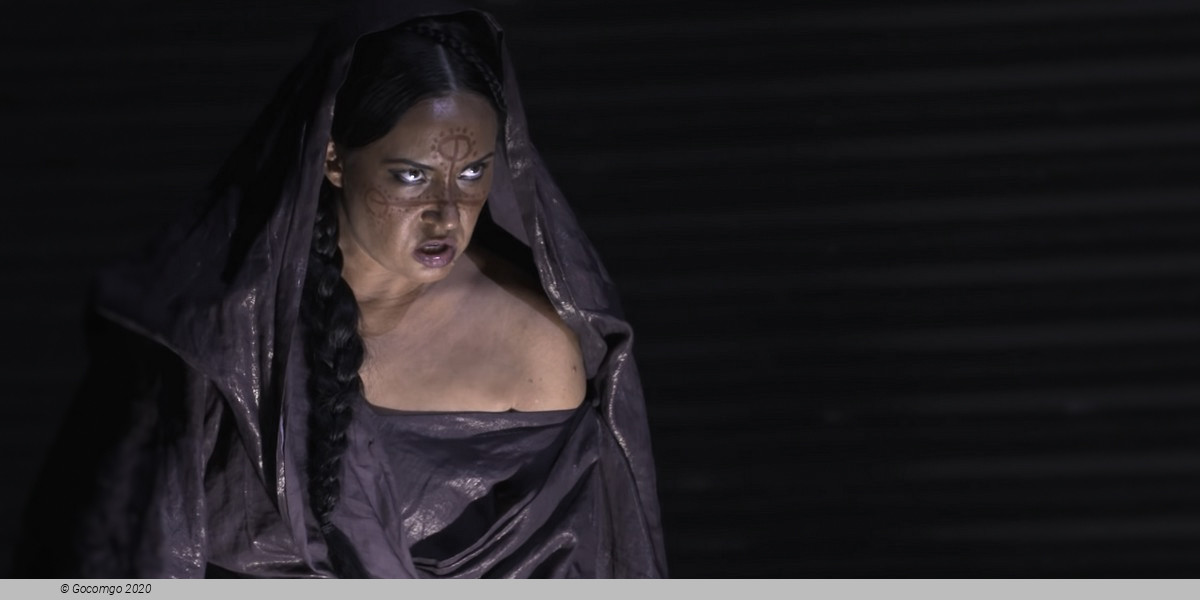
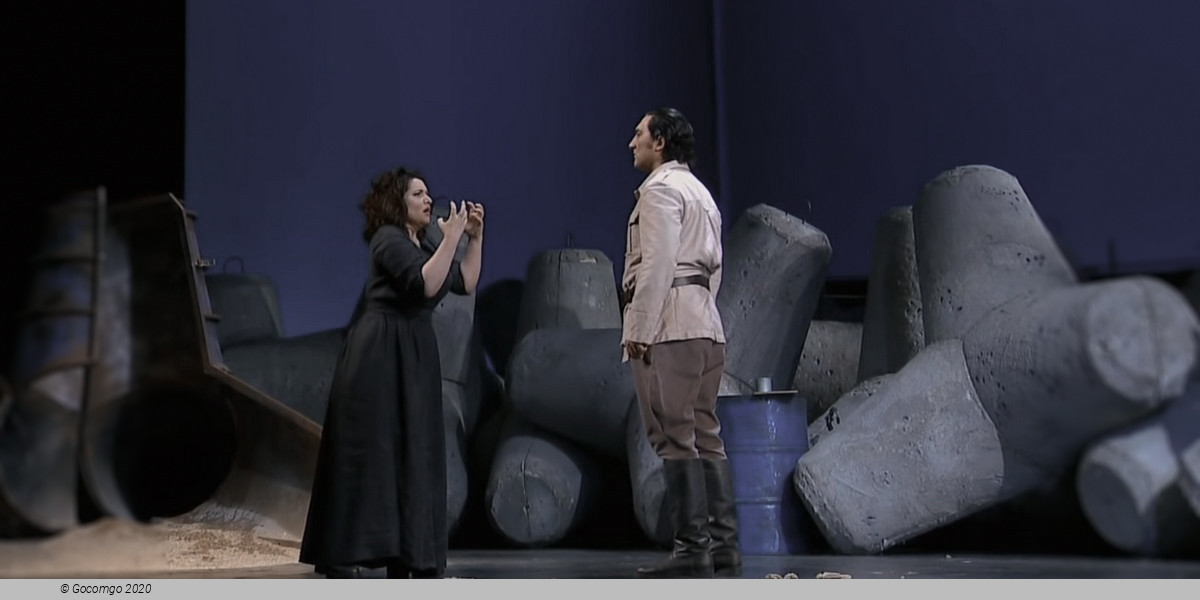
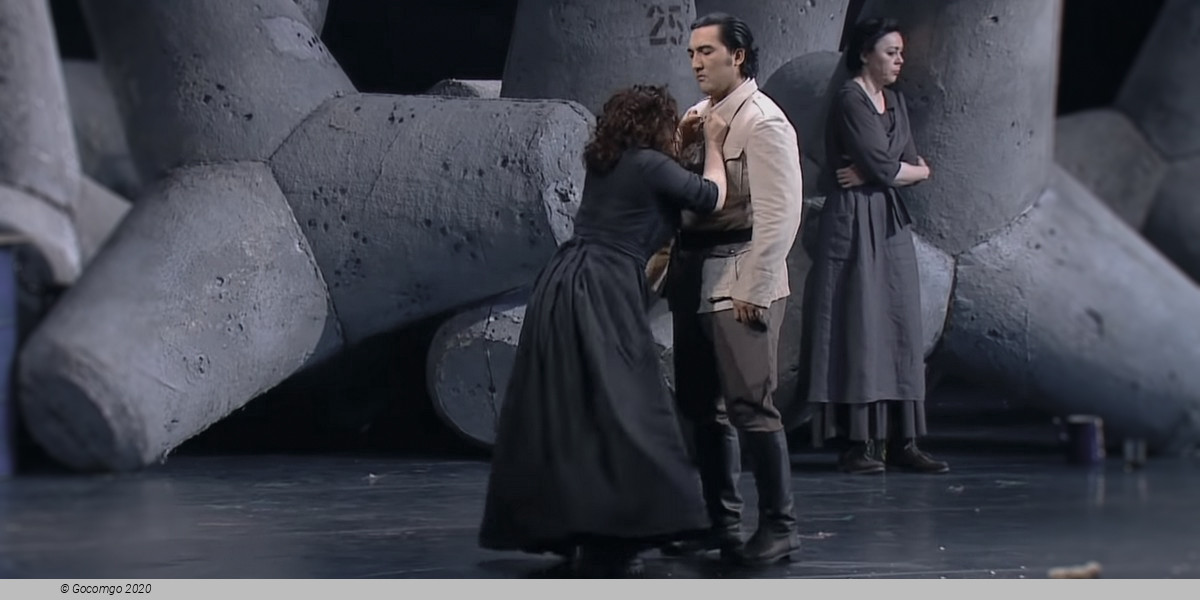
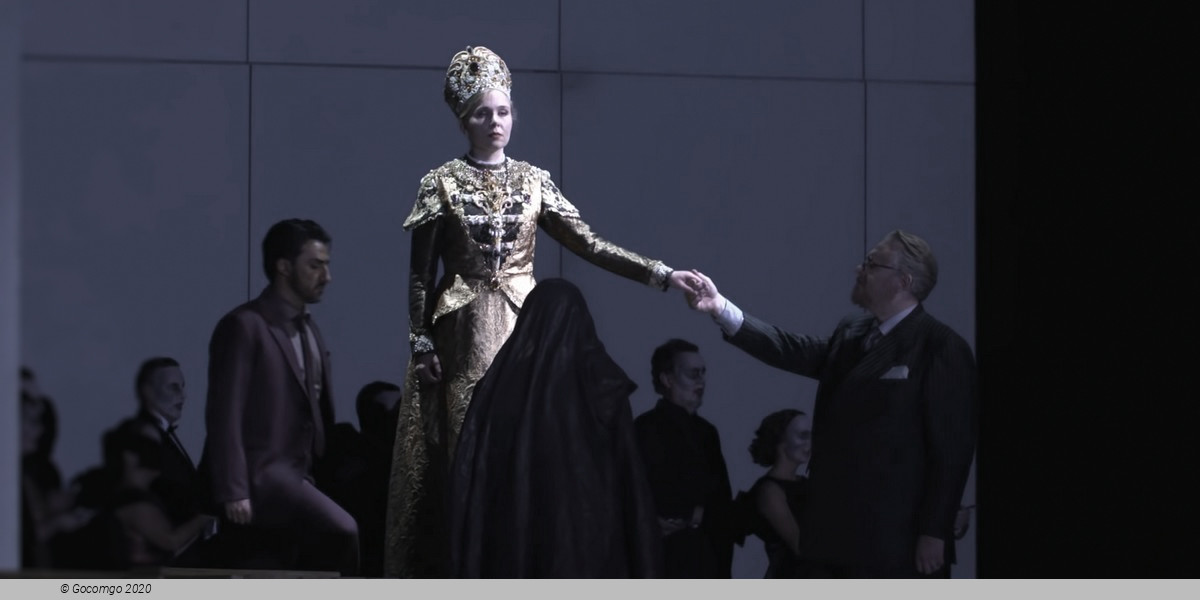
Tragic and rapturous, Medea is best known for the historic interpretations of Maria Callas, to whom this production will be dedicated on the centenary of her birth. The eagerly awaited new stage direction by Paco Azorín, together with the voices of Maria Agresta, Saioa Hernández and Nancy Fabiola Herrera, will explore dramatic aspects of the libretto, such as vicarious violence and abandonment.

The immolation of Medea in the temple, blazing in the revenging fury of flames, constitutes one of the most startling and visionary moments in the history of opera. Wagner, who was a great admirer of the opera, acknowledged this moment in the finale of his monumental Twilight of the Gods.  As for Maria Callas and her unsurpassed dramatic talent, she took this largely forgotten title and made it one of the most personal hallmarks of her entire career.

The genius of Cherubini reigned in Republican France in the 1790s decade, making a profound impression on the young Beethoven. Nonetheless, by the turn of the century, his name retracted in favour of Spontini and Rossini, and his reputation became one of a bad tempered and conservative composer. Noble and majestic as a sculpture by Canova or a fresco by David, but deeply affected by the overwhelming personality of its protagonist, the opera Médée offers undreamed of possibilities for scenic and dramatic development in accordance with the “ harmonic delirium, barbaric transitions and exaggerated chromaticism” which -  in the view of  an early  review of the work – are found in its score.

History
Premiere of this production: 13 March 1797, Théâtre Feydeau, Paris

Médée - French language opéra-comique by Luigi Cherubini. Libretto by François-Benoît Hoffman (Nicolas Étienne Framéry) was based on Euripides' tragedy of Medea and Pierre Corneille"Médée". It is set in the ancient city of Corinth.

Synopsis

Place: Corinth
Time: Antiquity

Act 1
Outside the palace of King Créon

Dircé is preparing for her wedding to Jason. Years ago, Jason had stolen the golden fleece with the help of Médée, who had betrayed her family and established a relationship with Jason, the result of which was two children. Although Jason has since abandoned Médée, she reappears and demands that he return to her. Jason refuses and Médée curses him, swearing vengeance.

Act 2
Inside the palace

In despair, Médée is encouraged by her slave, Néris, to leave the city. Créon then appears and orders that Médée leave. She asks for one more day with her children and, after the king agrees, she appears to be calmer and gives Néris two wedding presents to take to her rival.

Act 3
Between the palace and the temple

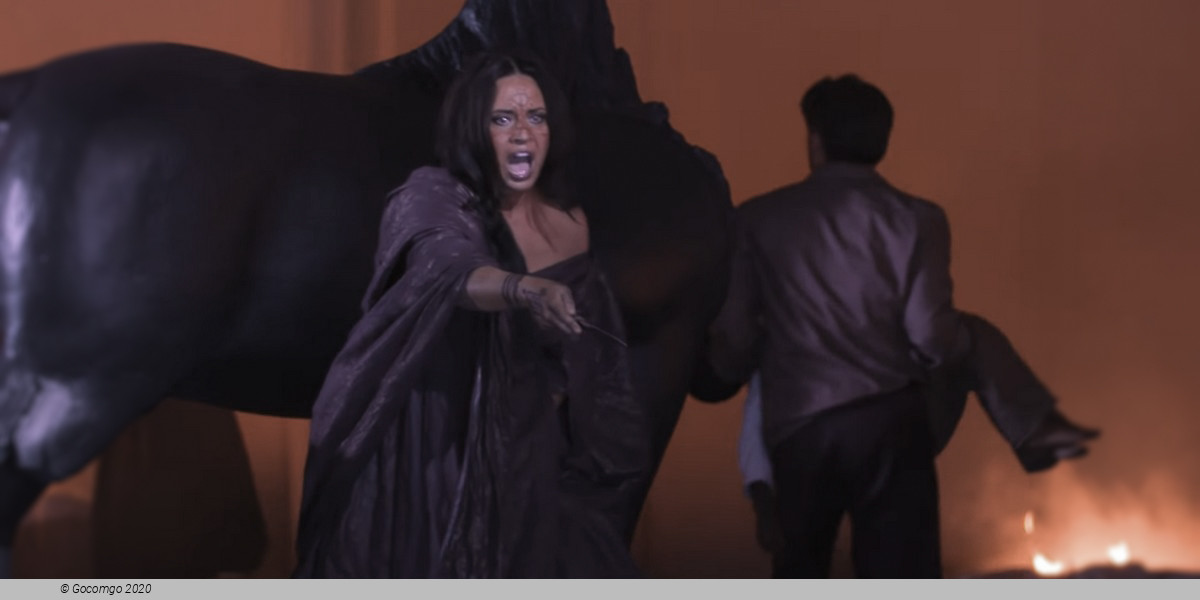
Néris brings the two children out to where Médée is waiting. Sounds of lamentation are heard from within the palace and it is discovered that one of Médée's wedding presents has poisoned Dircé. An angry crowd gathers and Néris, Médée, and the children take refuge in the temple. From the temple, the two women reappear with Médée grasping a blood-stained knife with which she has killed her two children. Médée curses Jason and disappears into the air. The temple goes up in flames and the crowd flees in terror.

Venue Info

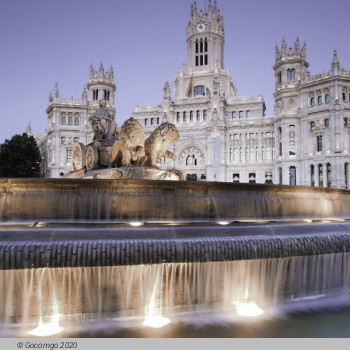
Teatro Real - Madrid
Location   Isabel II Square, s / n.

Teatro Real is a major opera house located in Madrid. Today the Teatro Real opera is one of the great theaters of Europe hosting large productions involving leading international figures in opera singing, musical direction, stage direction, and dance. Founded in 1818 and inaugurated on 19 November 1850, it closed in 1925 and reopened in 1966. Beginning in 1988 it underwent major refurbishing and renovation works and finally reopened in 1997 with a capacity of 1,746 seats. The theater offers visitors guided tours in several languages, including the auditorium, stage, workshops, and rehearsal rooms.

Founded by King Ferdinand VII in 1818, and after thirty-two years of planning and construction, a Royal Order on 7 May 1850 decreed the immediate completion of the "Teatro de Oriente" and the building works were finished within five months. The Opera House, located just in front of the Palacio Real, the official residence of the Queen who ordered the construction of the theatre, Isabel II, was finally inaugurated on 19 November 1850, with Donizetti's La Favorite.

The Teatro soon became one of the most prestigious opera houses in Europe. For over five decades it hosted the most renowned singers and composers of the time. In the early period, it saw famous opera singers such as Alboni, Frezzolini, Marietta Gazzaniga, Rosina Penco, Giulia Grisi, Giorgio Ronconi, Italo Gardoni, Mario de Candia and Antonio Selva among many others. In 1863, Giuseppe Verdi visited the theatre for the Spanish premiere of his La Forza del Destino. At its peak, in the last quarter of the 19th century, the Teatro hosted world renowned artists such as Adela Borghi, Marie Sasse, Adelina Patti, Christina Nilsson, Luisa Tetrazzini, Mattia Battistini, Julián Gayarre, Angelo Masini, Francesco Tamagno and Enrico Tamberlick. In 1925, the Ballets Russes of Diaghilev performed in the theatre with the presence of Nijinsky and Stravinsky.

From 1867 to 1925 the Teatro Real also housed the Madrid Royal Conservatory. In December of 1925 a Royal Order ordered its activities to be discontinued owing to the damage that the construction of the Metro de Madrid had caused to the building. The government set out to restore it and ordered numerous projects to be drawn out for its renovation, such as that from architect Urdanpilleta Flórez, who proposed a monumental remodeling of the building. However, financial difficulties prevented the completion of these projects and led to a simple restoration, sponsored by the Juan March Institute, and carried out first by the architect Manuel Gonzalez Valcárcel, and later by architects Miguel Verdú Belmonte and Francisco Rodriguez Partearroyo.

The theatre reopened in 1966 as a concert hall as well as the main concert venue for the Spanish National Orchestra and the RTVE Symphony Orchestra. The reopening was celebrated with a concert of the Spanish National Orchestra conducted by Rafael Frühbeck de Burgos, and the Orfeón Donostiarra. In 1969, the 14th Eurovision Song Contest was held at the theatre, featuring an onstage metal sculpture created by surrealist Spanish artist Salvador Dalí.

Important Info
Type: Opera
City: Madrid, Spain
Starts at: 19:30
Acts: 3
Top of page