
Teatro Real 24 March 2023 - New York City Ballet: Serenade, Square Dance, The Times Are Racing | GoComGo.com

New York City Ballet: Serenade, Square Dance, The Times Are Racing

Teatro Real, Main Auditorium, Madrid, Spain
All photos (14)
Select date and time
7:30 PM

E-tickets: Print at home or at the box office of the event if so specified. You will find more information in your booking confirmation email.

You can only select the category, and not the exact seats.
If you order 2 or 3 tickets: your seats will be next to each other.
If you order 4 or more tickets: your seats will be next to each other, or, if this is not possible, we will provide a combination of groups of seats (at least in pairs, for example 2+2 or 2+3).

Important Info
Type: Modern Ballet
City: Madrid, Spain
Starts at: 19:30

E-tickets: Print at home or at the box office of the event if so specified. You will find more information in your booking confirmation email.

You can only select the category, and not the exact seats.
If you order 2 or 3 tickets: your seats will be next to each other.
If you order 4 or more tickets: your seats will be next to each other, or, if this is not possible, we will provide a combination of groups of seats (at least in pairs, for example 2+2 or 2+3).

Overview

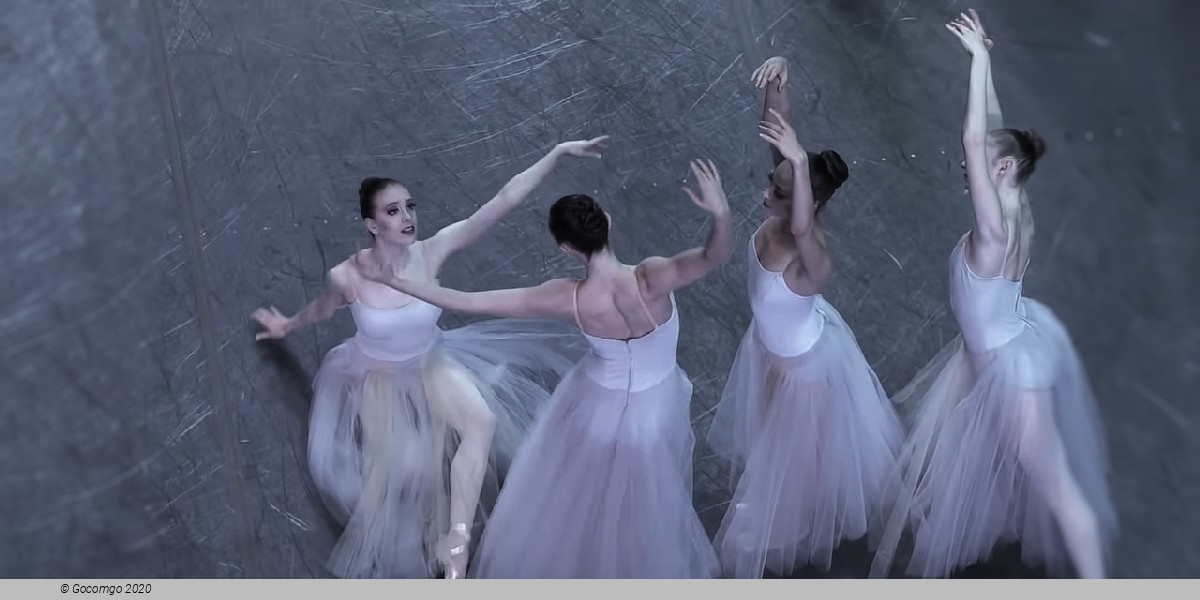
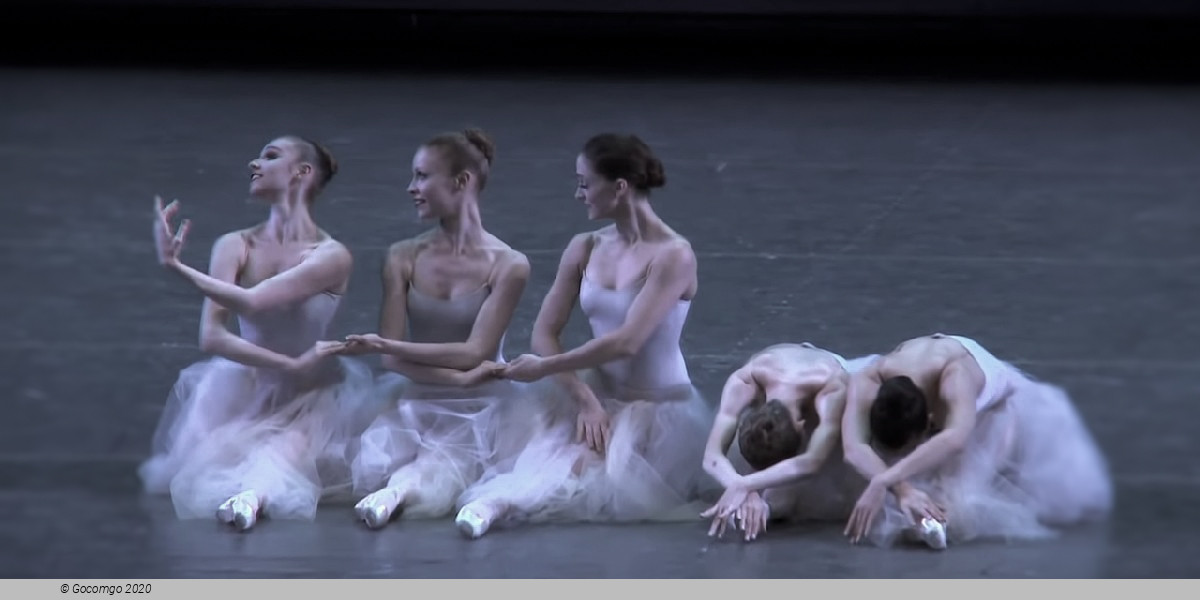
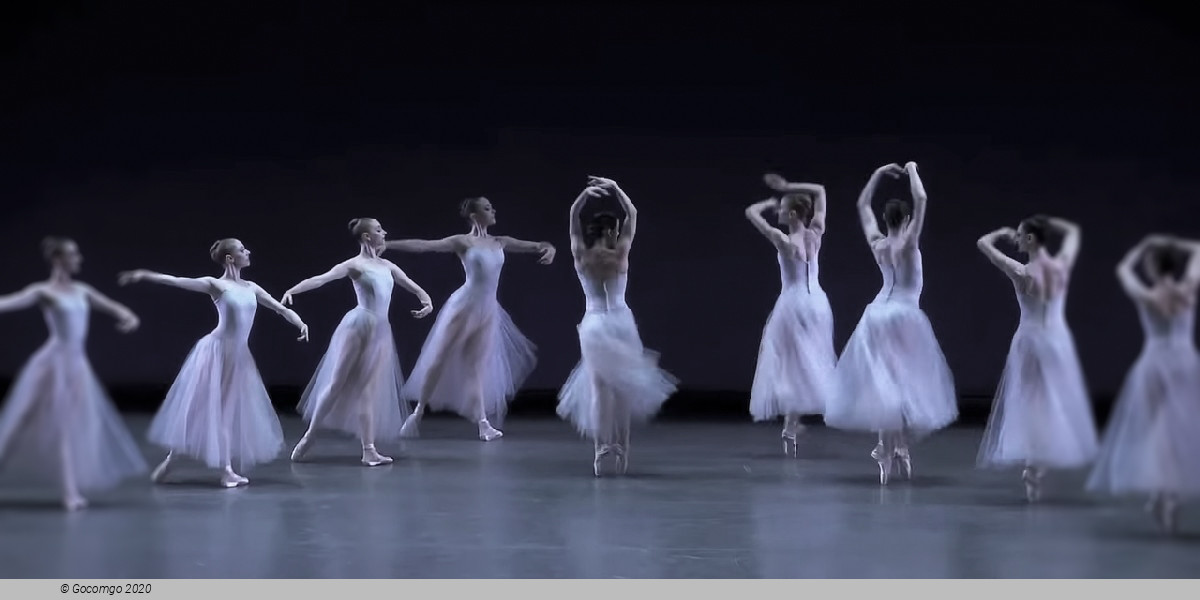
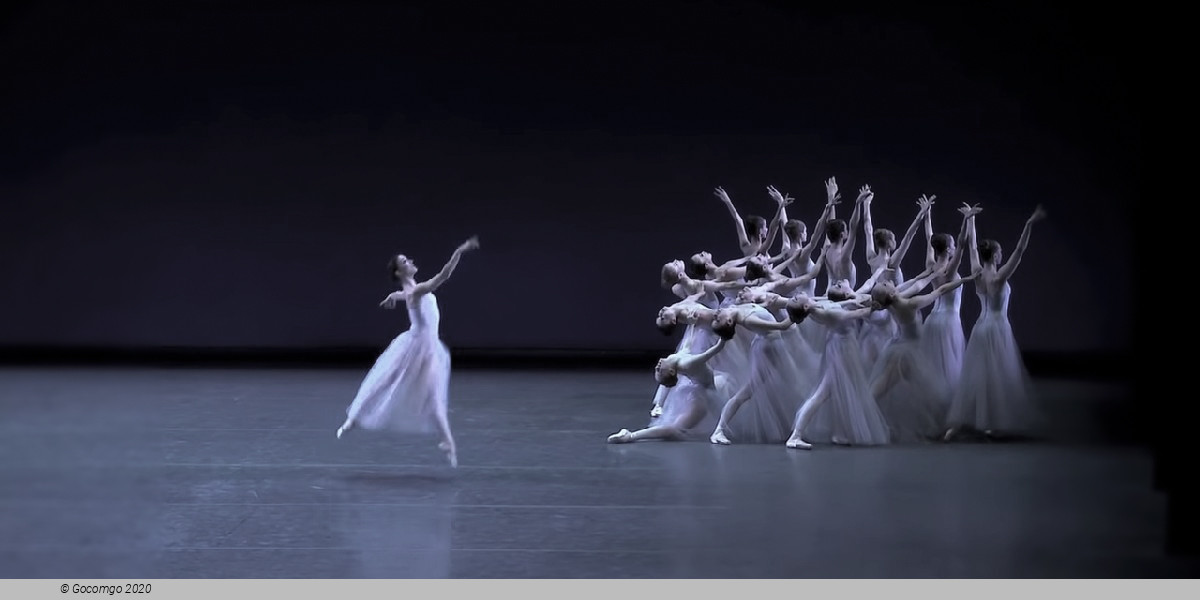
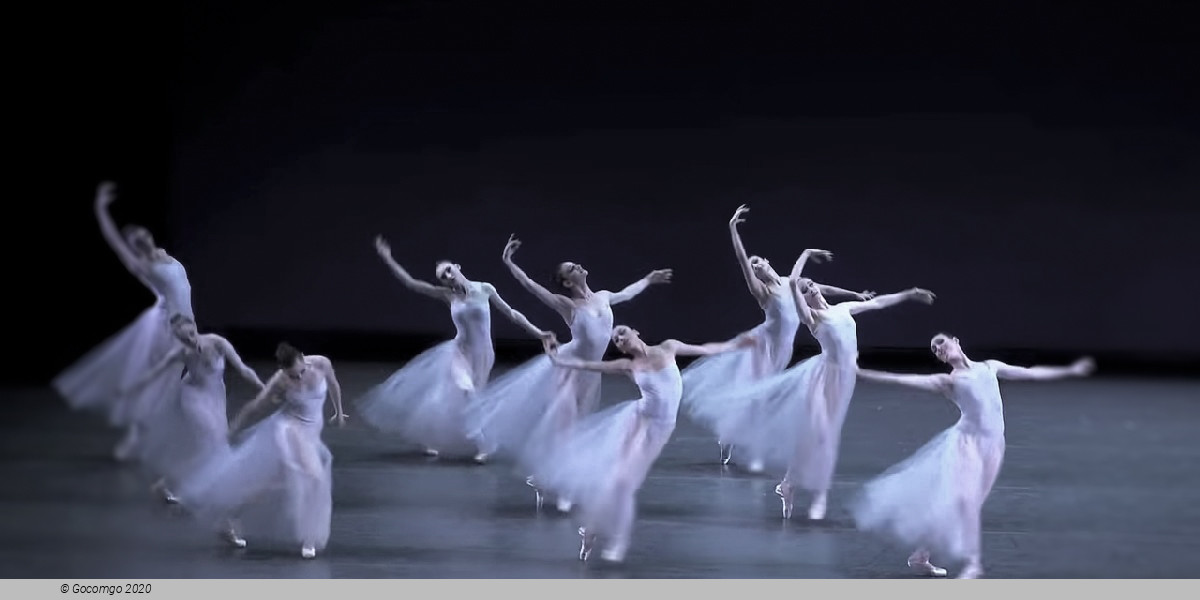
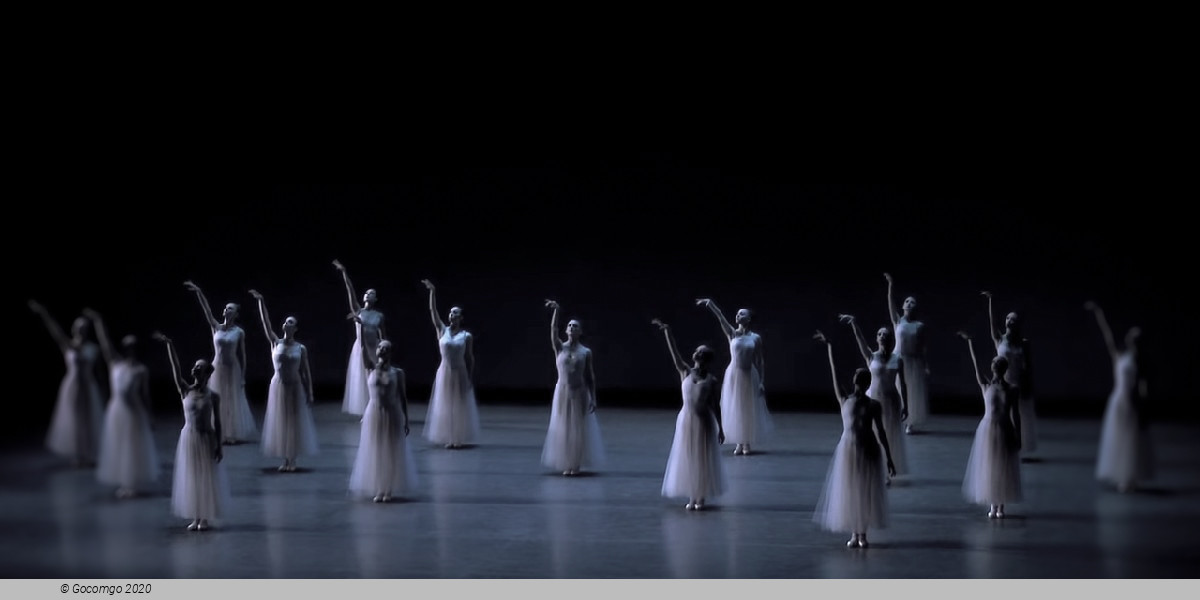
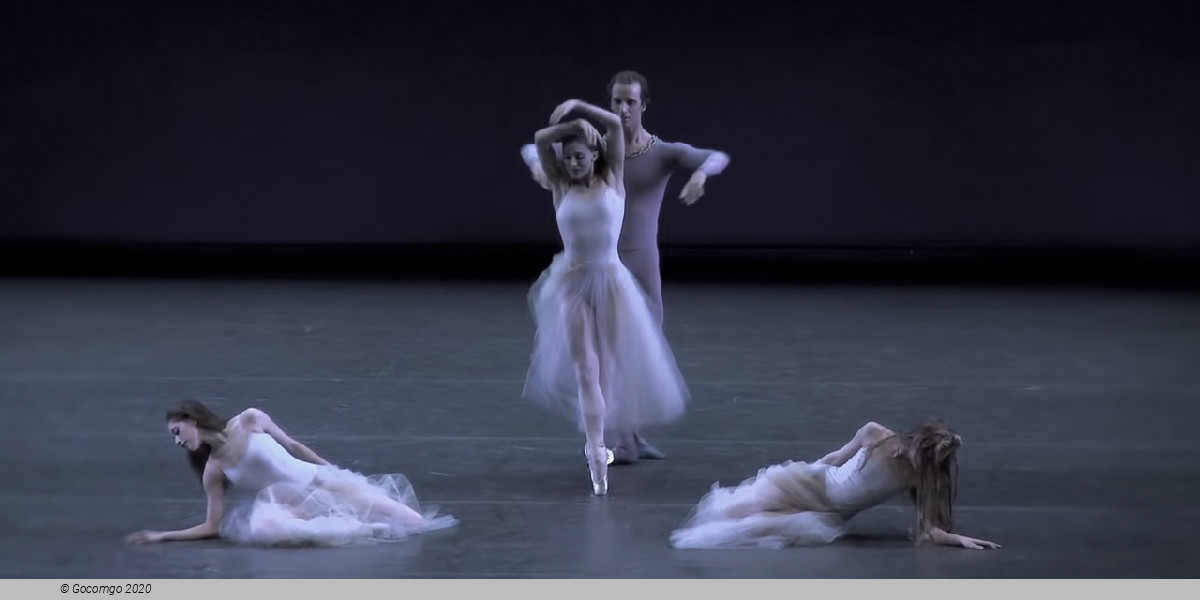
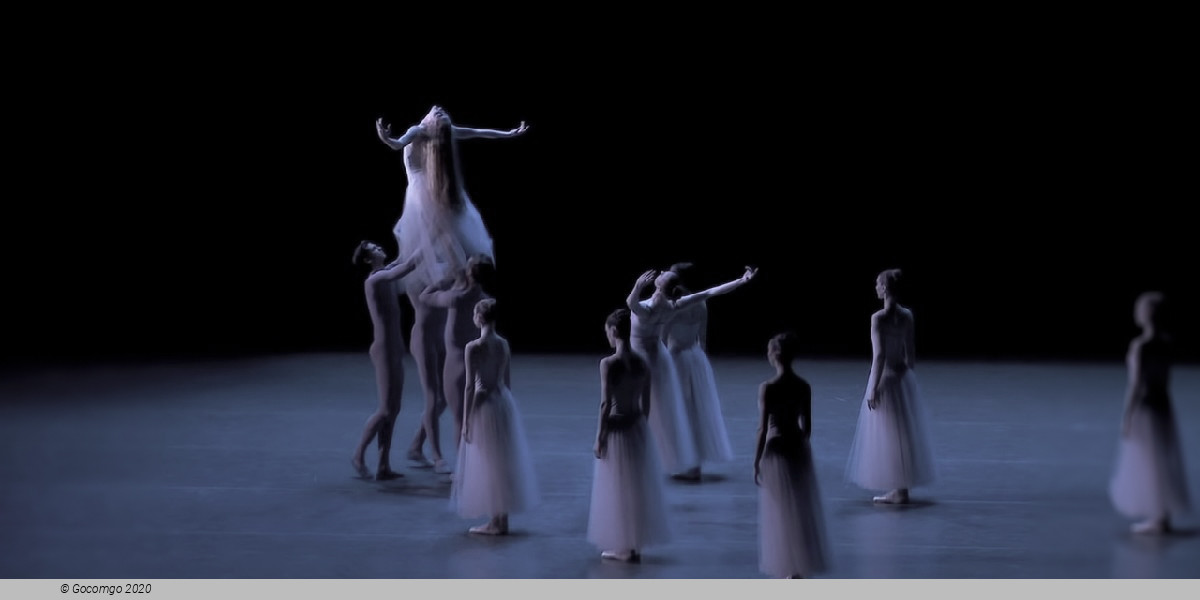
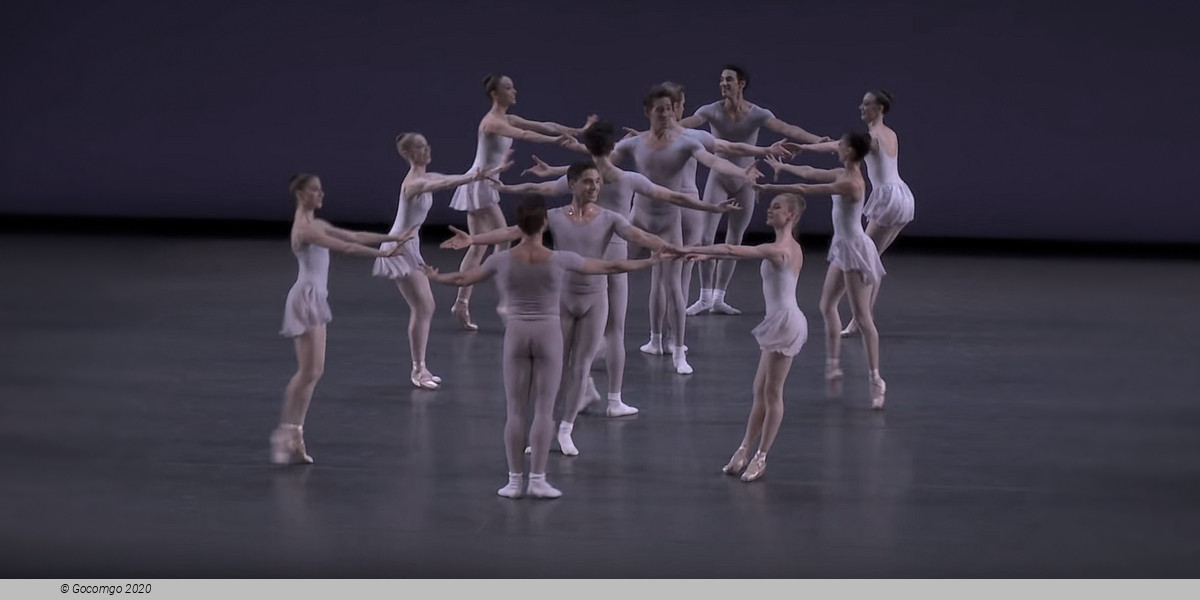
Serenade (1934) was the first full-length ballet George Balanchine created in the United States and is one of the signature works of the New York City Ballet. Taking the Serenade for Strings op. 48 by Tchaikovsky as the point of departure, Balanchine conceived this piece as a ballet lesson where we observe everything that takes place in a class, from a simple tendu in the beginning, to a mishap or two. In Square Dance, George Balanchine joined the traditions of American folk dance with classical ballet. With the music of Vivaldi and Corelli, the original 1957 version had the musicians on stage and a made use of a caller, the person who called out the steps. In the 1976 revival, however, the orchestra is in the pit, the caller was eliminated and a solo for the principle male dancer was added. The Times Are Racing (2017) is a ballet with sneakers and street clothes designed by Humberto Leon, co-founder of the fashion brand Opening Ceremony. Using an electronic score by Dan Deacon - the last four tracks of his 2012 album, America–, the piece takes its inspiration from a variety of styles, including references to the tap dancing of Fred Astaire  and Gene Kelly.

Serenade is a romantic work of immense sweep, set to a transcendent Tschaikovsky score.

Serenade is a milestone in the history of dance. It is the first original ballet George Balanchine created in America and is one of the signature works of New York City Ballet’s repertory. Balanchine began the ballet as a lesson in stage technique and worked unexpected rehearsal events into the choreography. A student’s fall or late arrival to rehearsal became part of the ballet.

After its initial presentation, Serenade was reworked several times. In its present form there are four movements: “Sonatina”, “Waltz”, “Russian Dance”, and “Elegy.” The last two movements reverse the order of Tschaikovsky’s score, ending the ballet on a note of sadness.

“In everything that I did to Tschaikovsky’s music, I sensed his help. It wasn’t real conversation. But when I was working and saw that something was coming of it, I felt that it was Tschaikovsky who had helped me.”

George Balanchine

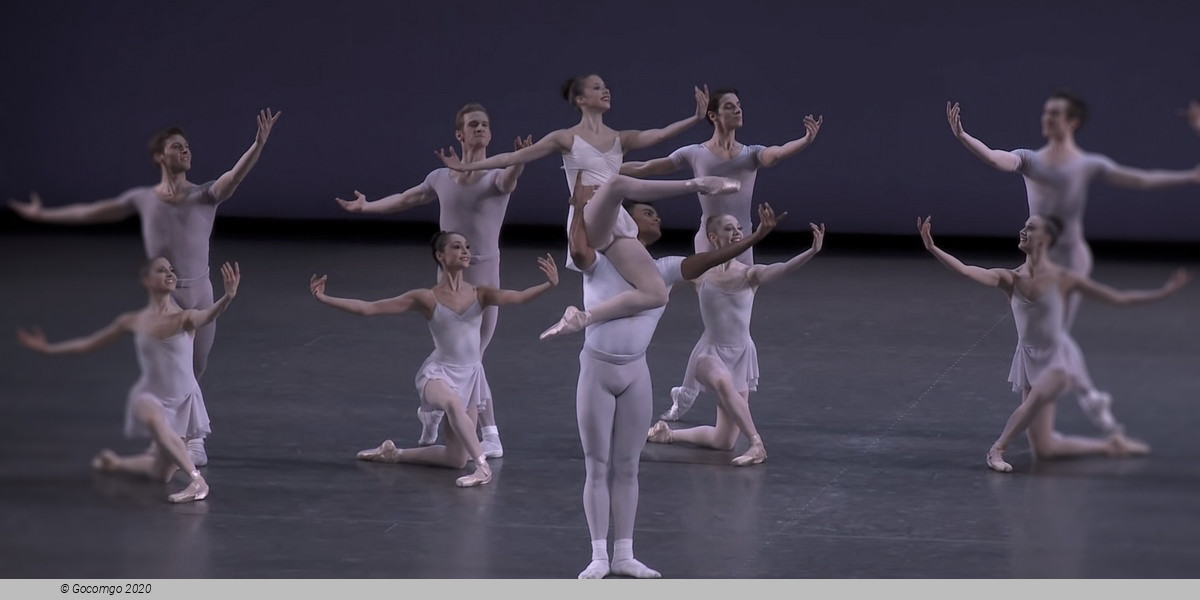
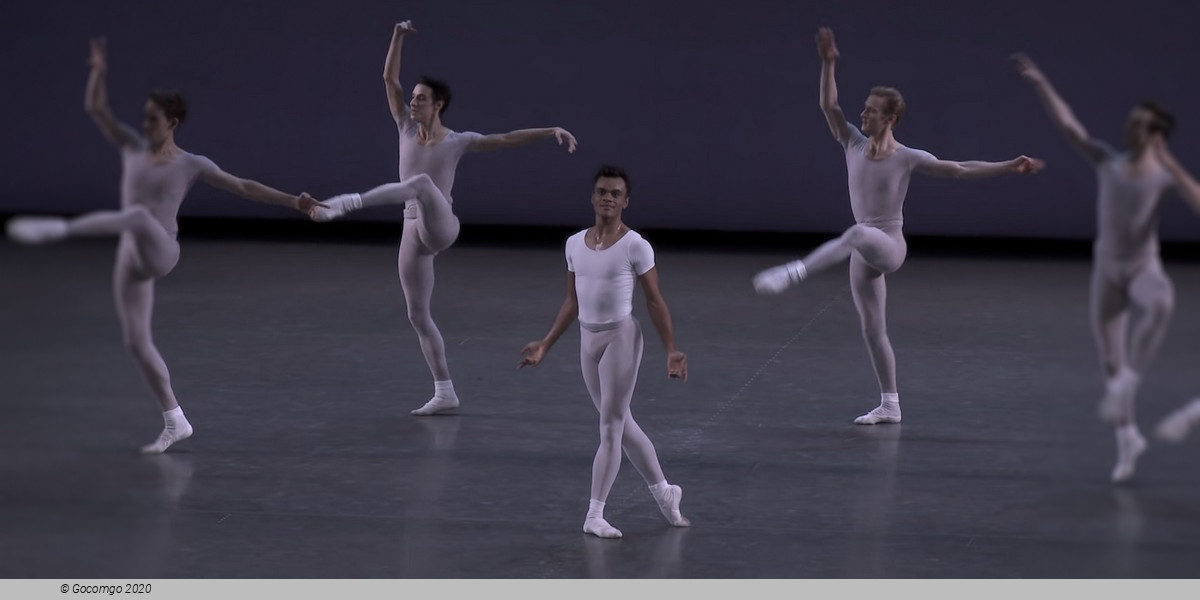
Known for his love of all things American, Balanchine expertly reconceives square dancing to fit his neoclassical minimalism, retaining its fascinating patterns and effervescent spirit.

In Square Dance, George Balanchine joined the traditions of American folk dance with classical ballet. He felt the two types of dance, though widely different in style, had common roots and a similar regard for order. He wrote, "The American style of classical dancing, its supple sharpness and richness of metrical invention, its superb preparation for risks, and its high spirits, were some of the things I was trying to show in this ballet." In the original 1957 version, the musicians were placed onstage, and a square dance caller was brought in to call out the steps. Square Dance was revived in 1976 without the caller, with the orchestra in the pit, and with an added solo for the principal male dancer.

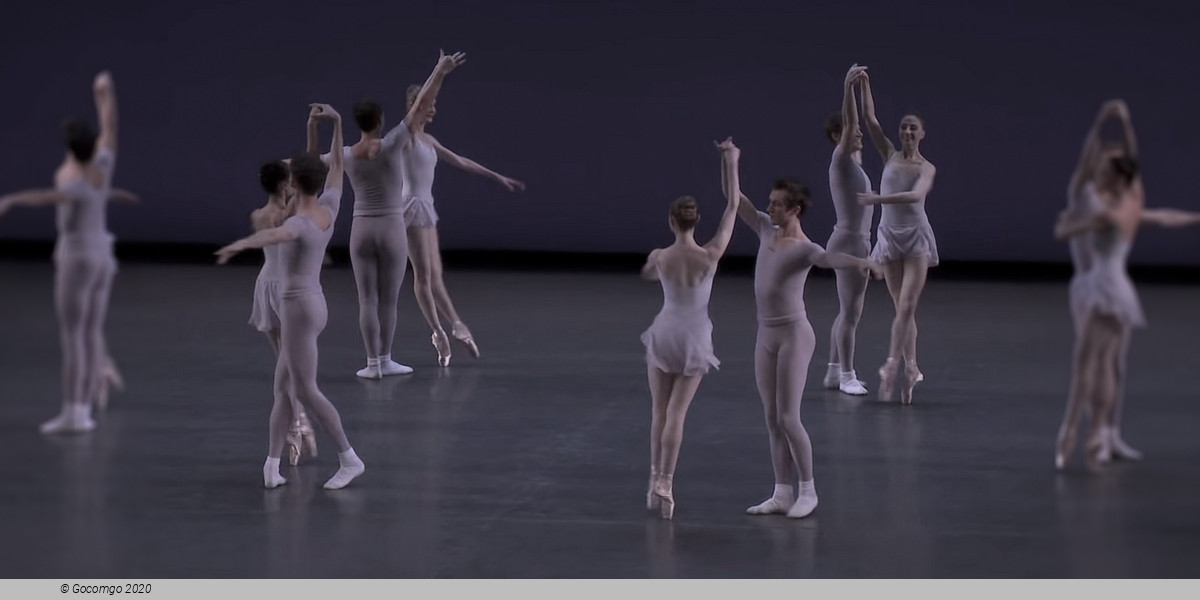
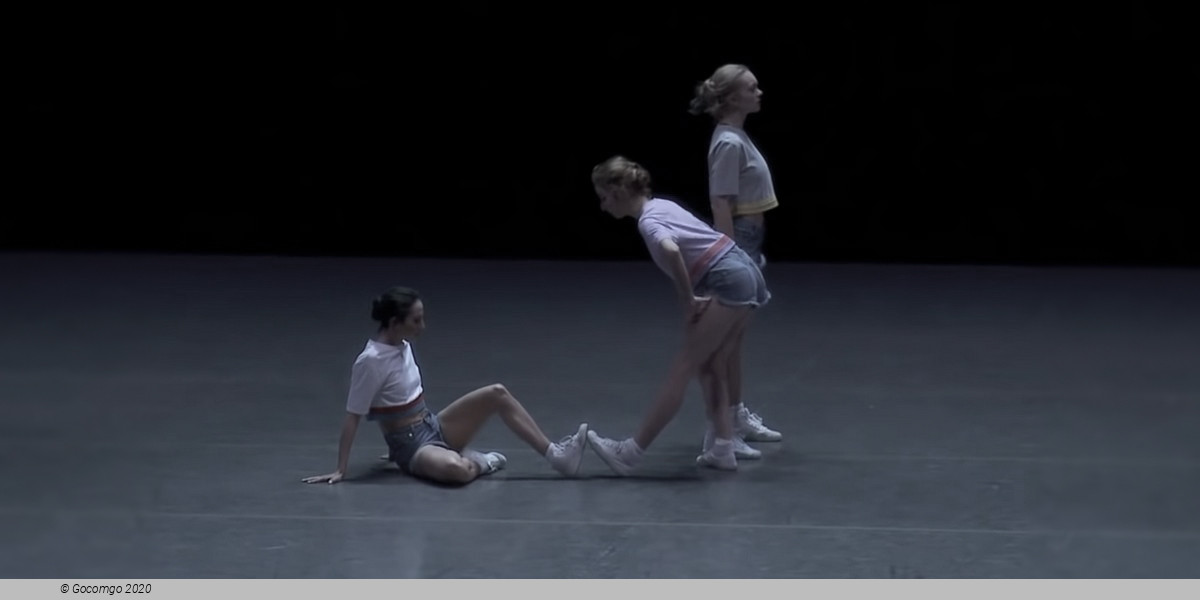
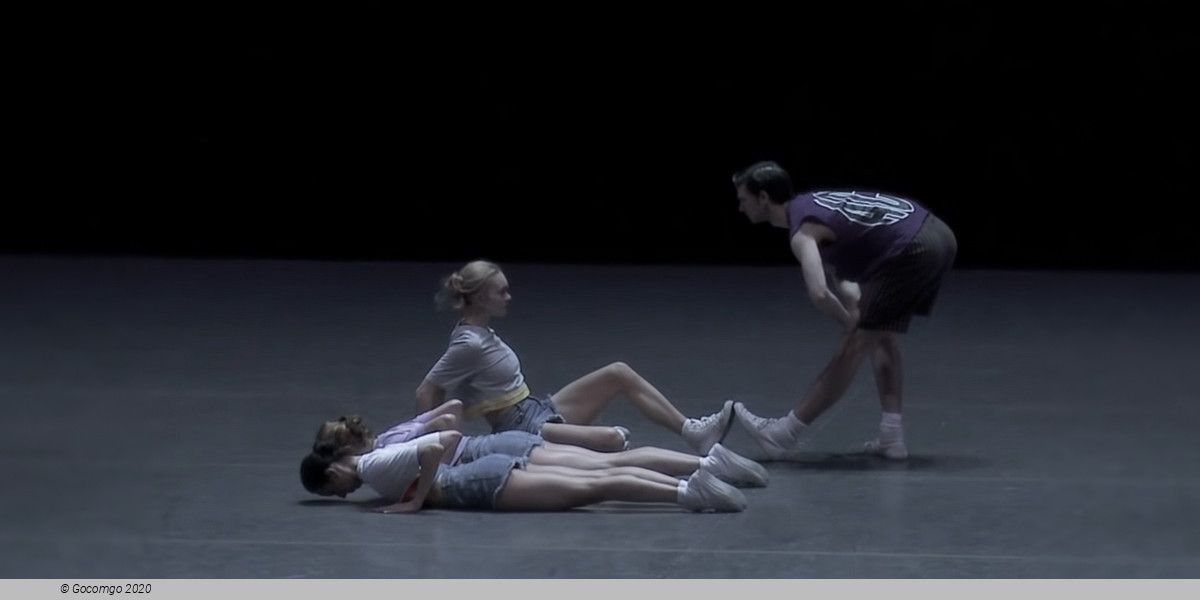
One of the most buzzed about premieres of 2017, The Times Are Racing is a sneaker ballet that sees its dancers in streetwear designed by Opening Ceremony, drawing inspiration from a variety of dance styles while matching Dan Deacon’s electronic score with youthful impulse and vigor.

Justin Peck’s The Times Are Racing is set to the last four tracks of Dan Deacon’s expansive 2012 album, America. The ballet for 20 dancers is Peck’s second collaboration with fashion designer Humberto Leon of Opening Ceremony, following New Blood, which premiered at NYCB’s 2015 Fall Gala. The lighting is by Peck’s frequent collaborator Brandon Stirling Baker.

History
Premiere of this production: 01 March 1935, Adelphi Theatre New York City, United States

Serenade is a ballet by George Balanchine to Tschaikovsky's 1880 Serenade for Strings in C, Op. 48. Balanchine presented the ballet as his response to the generous sponsorships he received during his immigration to America. The official premiere took place on 1 March 1935 with the American Ballet at the Adelphi Theatre, New York, conducted by Sandor Harmati.


Venue Info

Teatro Real - Madrid
Location   Isabel II Square, s / n.

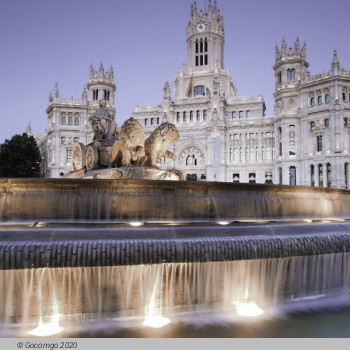
Teatro Real is a major opera house located in Madrid. Today the Teatro Real opera is one of the great theaters of Europe hosting large productions involving leading international figures in opera singing, musical direction, stage direction, and dance. Founded in 1818 and inaugurated on 19 November 1850, it closed in 1925 and reopened in 1966. Beginning in 1988 it underwent major refurbishing and renovation works and finally reopened in 1997 with a capacity of 1,746 seats. The theater offers visitors guided tours in several languages, including the auditorium, stage, workshops, and rehearsal rooms.

Founded by King Ferdinand VII in 1818, and after thirty-two years of planning and construction, a Royal Order on 7 May 1850 decreed the immediate completion of the "Teatro de Oriente" and the building works were finished within five months. The Opera House, located just in front of the Palacio Real, the official residence of the Queen who ordered the construction of the theatre, Isabel II, was finally inaugurated on 19 November 1850, with Donizetti's La Favorite.

The Teatro soon became one of the most prestigious opera houses in Europe. For over five decades it hosted the most renowned singers and composers of the time. In the early period, it saw famous opera singers such as Alboni, Frezzolini, Marietta Gazzaniga, Rosina Penco, Giulia Grisi, Giorgio Ronconi, Italo Gardoni, Mario de Candia and Antonio Selva among many others. In 1863, Giuseppe Verdi visited the theatre for the Spanish premiere of his La Forza del Destino. At its peak, in the last quarter of the 19th century, the Teatro hosted world renowned artists such as Adela Borghi, Marie Sasse, Adelina Patti, Christina Nilsson, Luisa Tetrazzini, Mattia Battistini, Julián Gayarre, Angelo Masini, Francesco Tamagno and Enrico Tamberlick. In 1925, the Ballets Russes of Diaghilev performed in the theatre with the presence of Nijinsky and Stravinsky.

From 1867 to 1925 the Teatro Real also housed the Madrid Royal Conservatory. In December of 1925 a Royal Order ordered its activities to be discontinued owing to the damage that the construction of the Metro de Madrid had caused to the building. The government set out to restore it and ordered numerous projects to be drawn out for its renovation, such as that from architect Urdanpilleta Flórez, who proposed a monumental remodeling of the building. However, financial difficulties prevented the completion of these projects and led to a simple restoration, sponsored by the Juan March Institute, and carried out first by the architect Manuel Gonzalez Valcárcel, and later by architects Miguel Verdú Belmonte and Francisco Rodriguez Partearroyo.

The theatre reopened in 1966 as a concert hall as well as the main concert venue for the Spanish National Orchestra and the RTVE Symphony Orchestra. The reopening was celebrated with a concert of the Spanish National Orchestra conducted by Rafael Frühbeck de Burgos, and the Orfeón Donostiarra. In 1969, the 14th Eurovision Song Contest was held at the theatre, featuring an onstage metal sculpture created by surrealist Spanish artist Salvador Dalí.

Important Info
Type: Modern Ballet
City: Madrid, Spain
Starts at: 19:30
Top of page