Théâtre des Champs-Elysées 1 July 2021 - La Belle Hélène | GoComGo.com

La Belle Hélène

Théâtre des Champs-Elysées, Paris, France
All photos (6)
Select date and time
7:30 PM
Request for Tickets
Important Info
Type: Opera
City: Paris, France
Starts at: 19:30
Sung in: French
Titles in: French

E-tickets: Print at home or at the box office of the event if so specified. You will find more information in your booking confirmation email.

You can only select the category, and not the exact seats.
If you order 2 or 3 tickets: your seats will be next to each other.
If you order 4 or more tickets: your seats will be next to each other, or, if this is not possible, we will provide a combination of groups of seats (at least in pairs, for example 2+2 or 2+3).

Overview

Ending the season on a high note, with an opera-buffa and Offenbach's gem: a great way to ease into the summer break.

From the evening of its premiere on December 17, 1864, at the Théâtre des Variétés, La Belle Hélène met with a success that has never been denied since. It must be said that the story of the young shepherd, Pâris, who received from Venus the possibility of being loved by the most beautiful woman in the world and who thus provokes the general emotion of the female population is irresistible, so much so that the hilarious parodic tale of the librettists Halévy and Meilhac are talented and the richness of Offenbach's musical invention at its peak. The success of the work can be summed up neither in the buffoonish verve nor in the pastiche of Meyerbeer-style grand opera, but in its melodic richness, in this musical poise that balances distancing and emotion, derision and sensuality, which are all qualities that make La Belle Hélène a pure moment of pleasure, to be enjoyed in full without restraint.

COPRODUCTION Théâtre des Champs-Elysées / Les Grandes Voix

History
Premiere of this production: 17 December 1864, Théâtre des Variétés, Paris

La belle Hélène (The Beautiful Helen), is an opéra bouffe in three acts, with music by Jacques Offenbach and words by Henri Meilhac and Ludovic Halévy. The piece parodies the story of Helen's elopement with Paris, which set off the Trojan War.

Synopsis

Place: Sparta and the shores of the sea
Time: Before the Trojan War.

Act 1
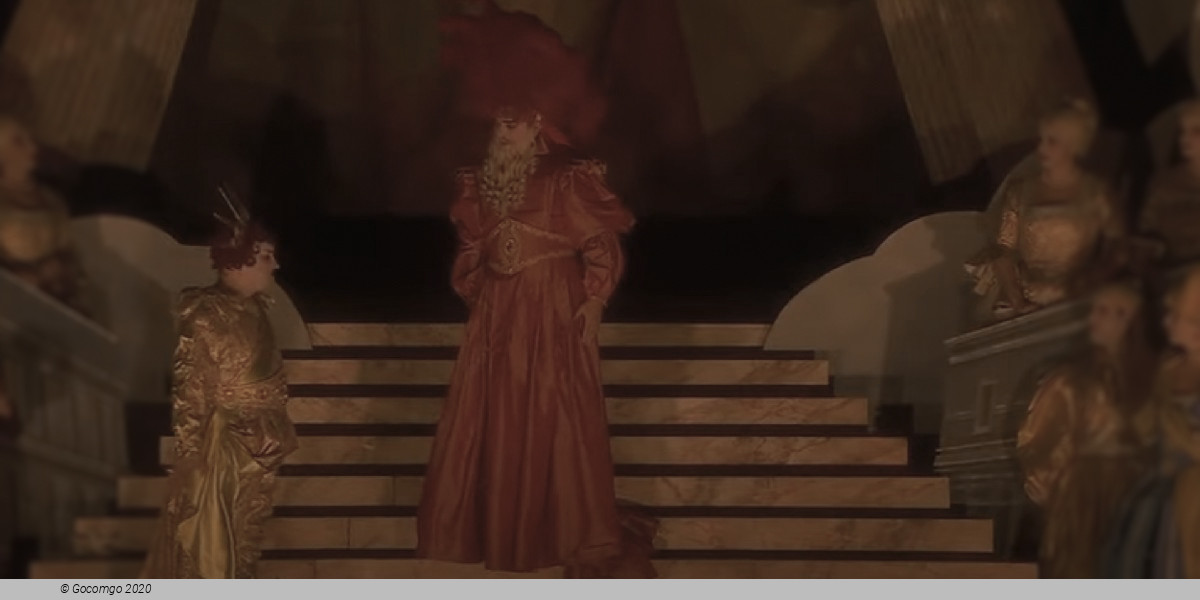
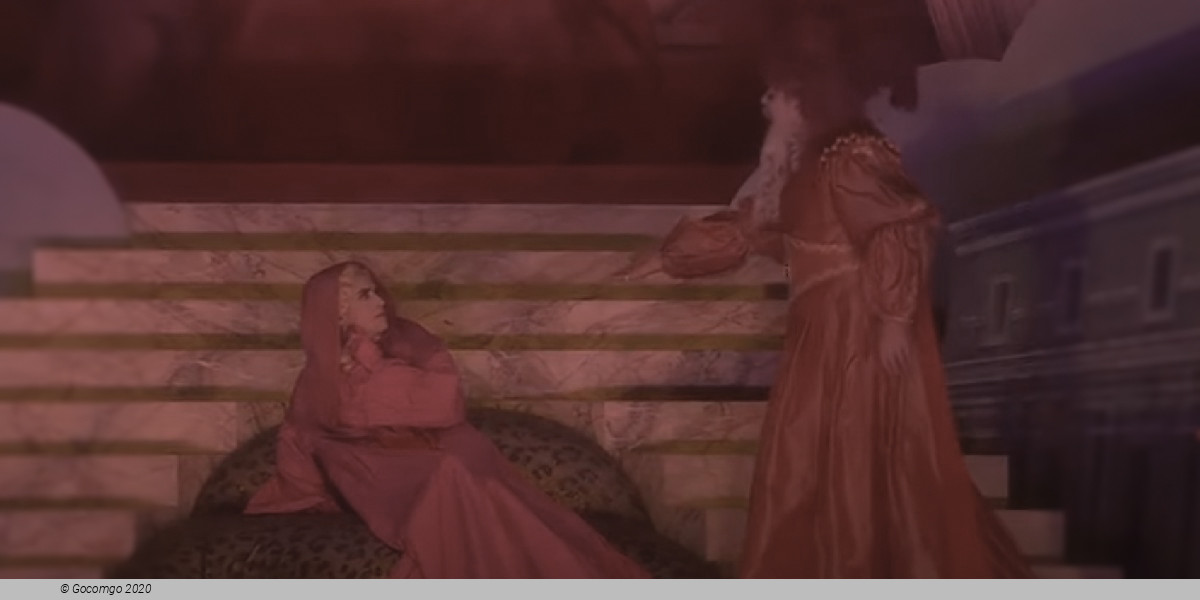
Paris, son of Priam, arrives with a missive from the goddess Venus to the high priest Calchas, commanding him to procure for Paris the love of Helen, promised him by Venus when he awarded the prize of beauty to her in preference to Juno and Minerva.

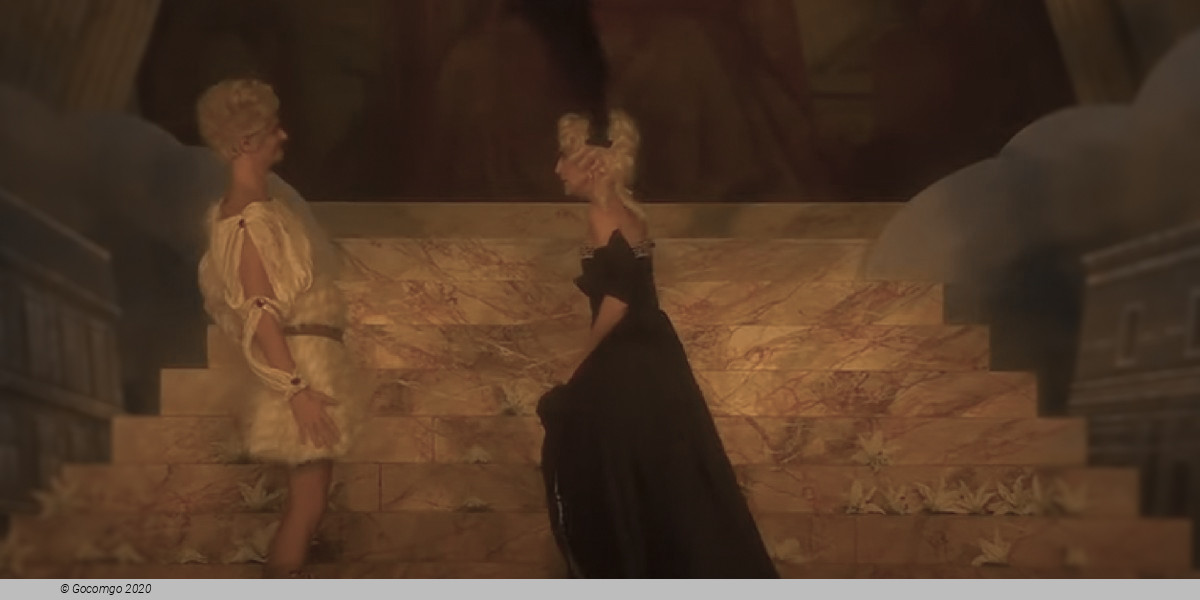
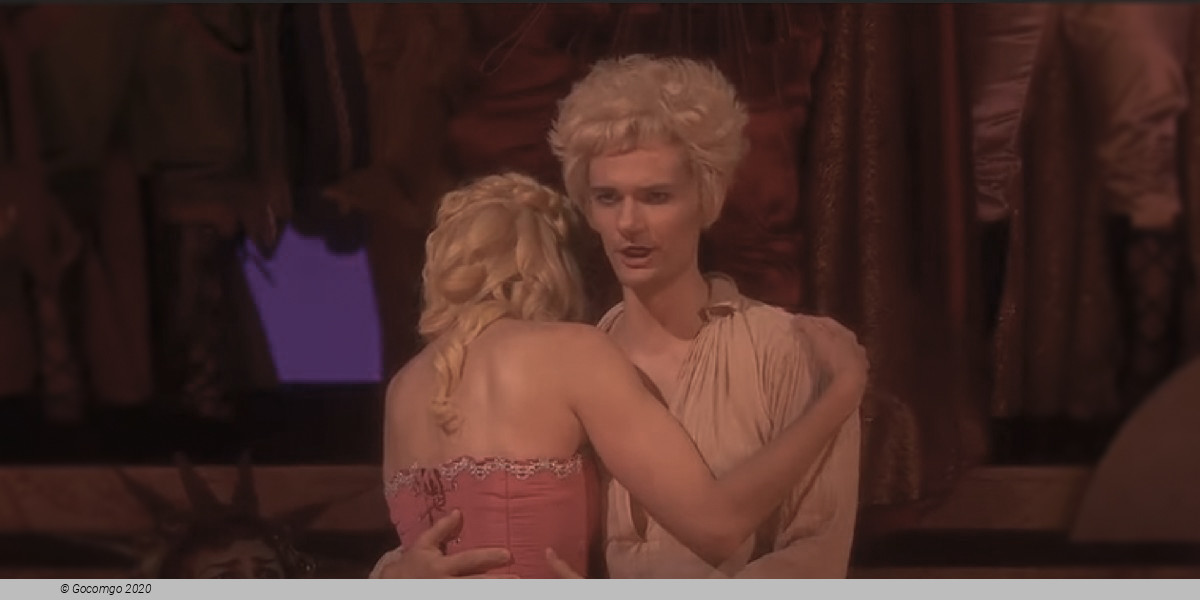
Paris arrives, disguised as a shepherd, and wins three prizes at a "contest of wit" (outrageously silly wordgames) with the Greek kings under the direction of Agamemnon, whereupon he reveals his identity. Helen, who was trying to settle after her youthful adventure and aware of Paris's backstory, decides that fate has sealed her fate. The Trojan prince is crowned victor by Helen, to the disgust of the lout Achilles and the two bumbling Ajaxes. Paris is invited to a banquet by Helen's husband Menelaus, the king of Sparta. Paris has bribed Calchas to "prophesise" that Menelaus must at once proceed to Crete, which he agrees to reluctantly under general pressure.

Act 2
While the Greek kings party in Menelaus's palace in his absence, and Calchas is caught cheating at a board game, Paris comes to Helen at night. After she sees off his first straightforward attempt at seducing her, he returns when she has fallen asleep. Helen has prayed for some appeasing dreams and appears to believe that this is one, and so resists him not much longer. Menelaus unexpectedly returns and finds the two in each other's arms. Helen, exclaiming 'la fatalité, la fatalité', tells him that it is all his fault: A good husband knows when to come and when to stay away. Paris tries to dissuade him from kicking up a row, but to no avail. When all the kings join the scene, berating Paris and telling him to go back where he came from, Paris departs, vowing to return and finish the job.

Act 3
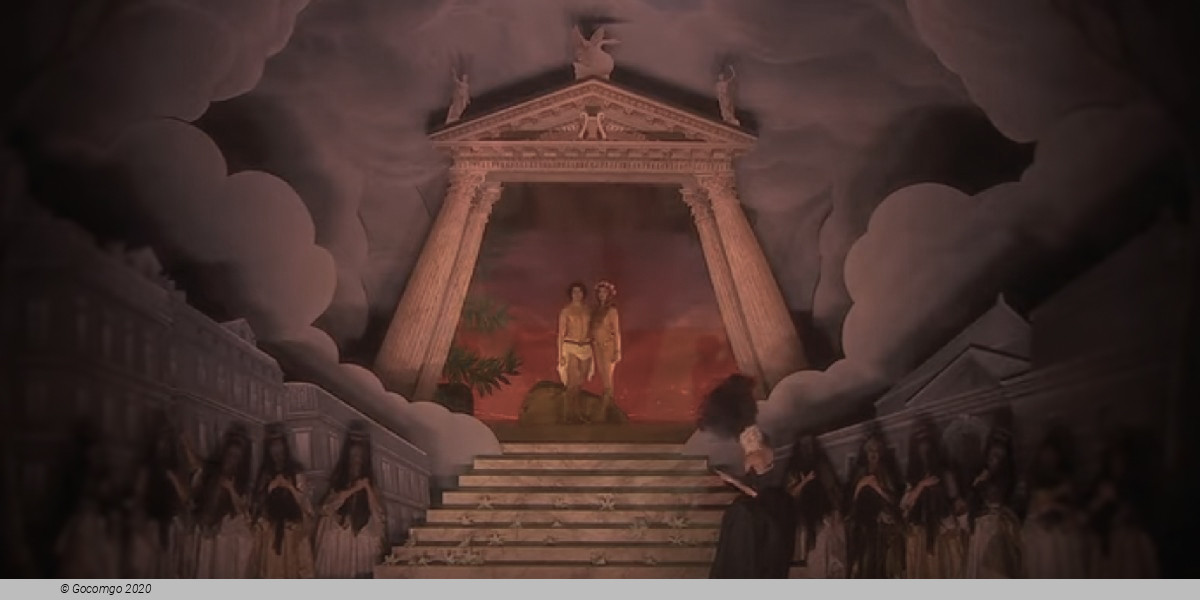
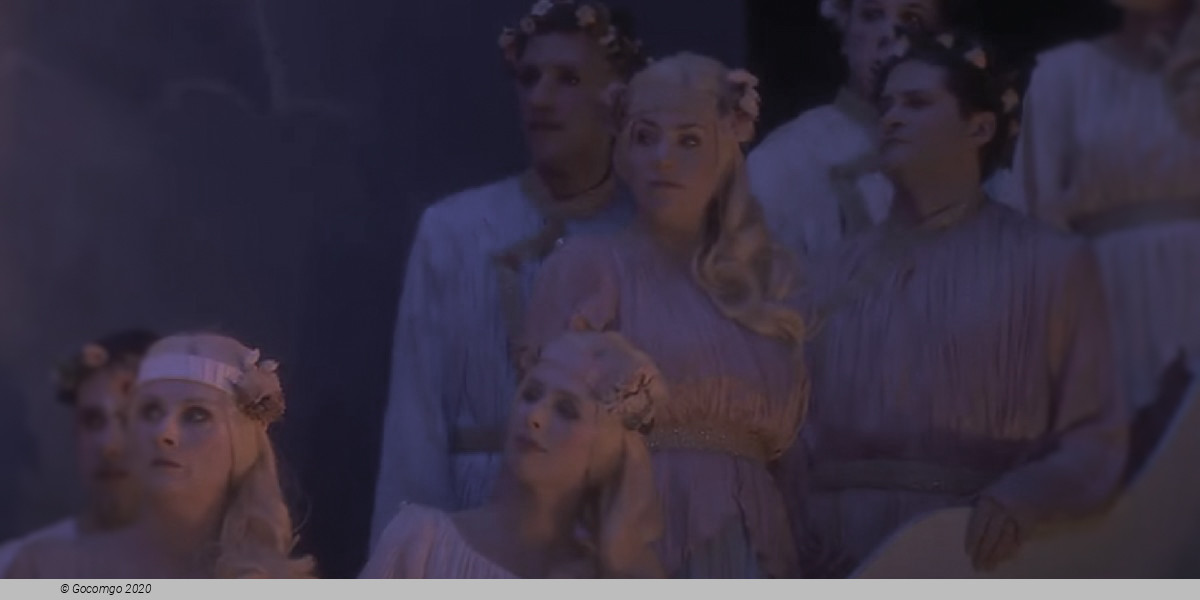
The kings and their entourage have moved to Nauplia for the summer season, and Helen is sulking and protesting her innocence. Venus has retaliated for the treatment meted out to her protégé Paris by making the whole population giddy and amorous, to the despair of the kings. A high priest of Venus arrives on a boat, explaining that he has to take Helen to Cythera where she is to sacrifice 100 heifers for her offences. Menelaus pleads with her to go with the priest, but she refuses initially, saying that it is he, and not she, who has offended the goddess. However, when she realises that the priest is Paris in disguise, she embarks and they sail away together.


Venue Info

Théâtre des Champs-Elysées - Paris
Location   15 Avenue Montaigne

The Théâtre des Champs-Élysées is an entertainment venue situated near Avenue des Champs-Élysées, from which it takes its name. Its eponymous main hall may seat up to 1,905 people.

Commissioned by impresario Gabriel Astruc, the theatre was built from 1911 to 1913 upon the designs of brothers Auguste Perret and Gustave Perret following a scheme by Henry van de Velde, and became the first example of Art Deco architecture in the city. Less than two months after its inauguration, the Théâtre hosted the world premiere of the Ballets Russes' Rite of Spring, which provoked one of the most famous classical music riots.

At present, the theatre shows about three staged opera productions a year, mostly baroque or chamber works more suited to the modest size of its stage and orchestra pit. It also houses an important concert season. It is the home venue of the Orchestre National de France and the Orchestre Lamoureux and serves as a French base for the Vienna Philharmonic Orchestra as well.

The Orchestre Philharmonique de Radio France, the Orchestre des Champs-Élysées and Ensemble orchestral de Paris play most of their concerts here too, along with other dance, chamber music, recital, and pop events.

Important Info
Type: Opera
City: Paris, France
Starts at: 19:30
Sung in: French
Titles in: French
Top of page