Act 1
Scene 1
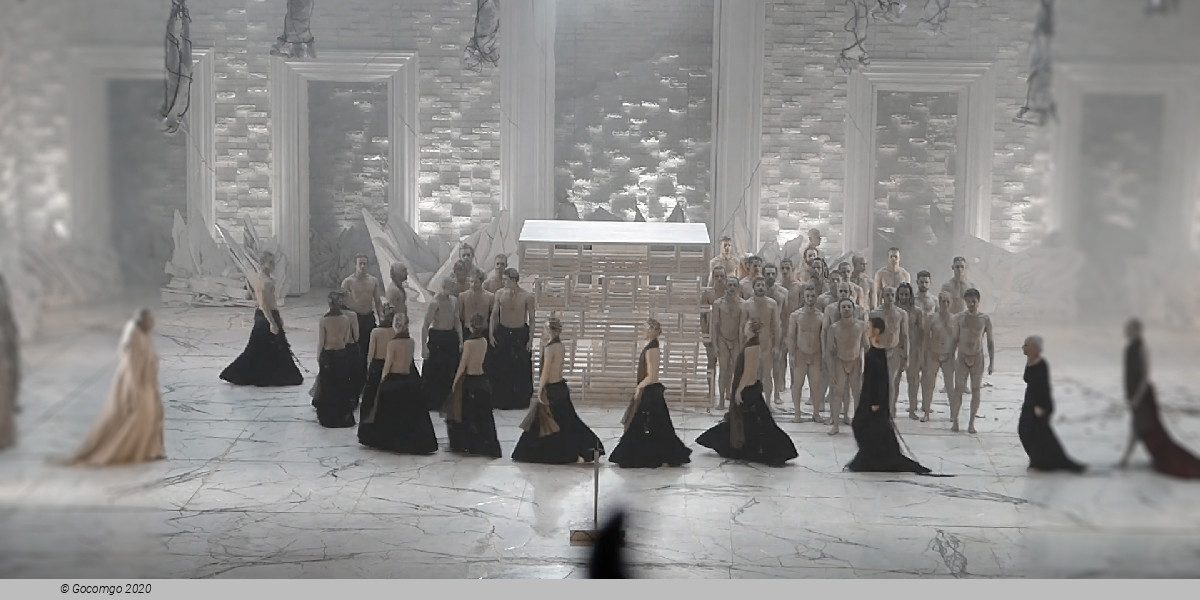
A group of Cenobite monks go about their daily business. Athanaël, the most rigorous ascetic of them all, enters and confesses to the senior monk, Palémon, that he has lately been disturbed by visions of a courtesan and priestess of Venus named Thaïs, whom he had seen many years ago in his native city of Alexandria. Believing these visions to be a sign from God, he resolves, against Palémon's advice, to return to Alexandria, convert Thaïs to Christianity, and persuade her to enter a convent.
Scene 2
Athanaël arrives in Alexandria and visits his old friend Nicias, a wealthy voluptuary. Nicias welcomes him with open arms and reveals himself to be Thaïs's current lover. Upon hearing Athanaël's plan, he laughs and warns him that the revenge of Venus can be terrible. Nevertheless, he procures clothing for his friend in preparation for a feast that evening at which Thaïs will appear. His slaves, Crobyle and Myrtale, dress Athanaël and mock his prudery.
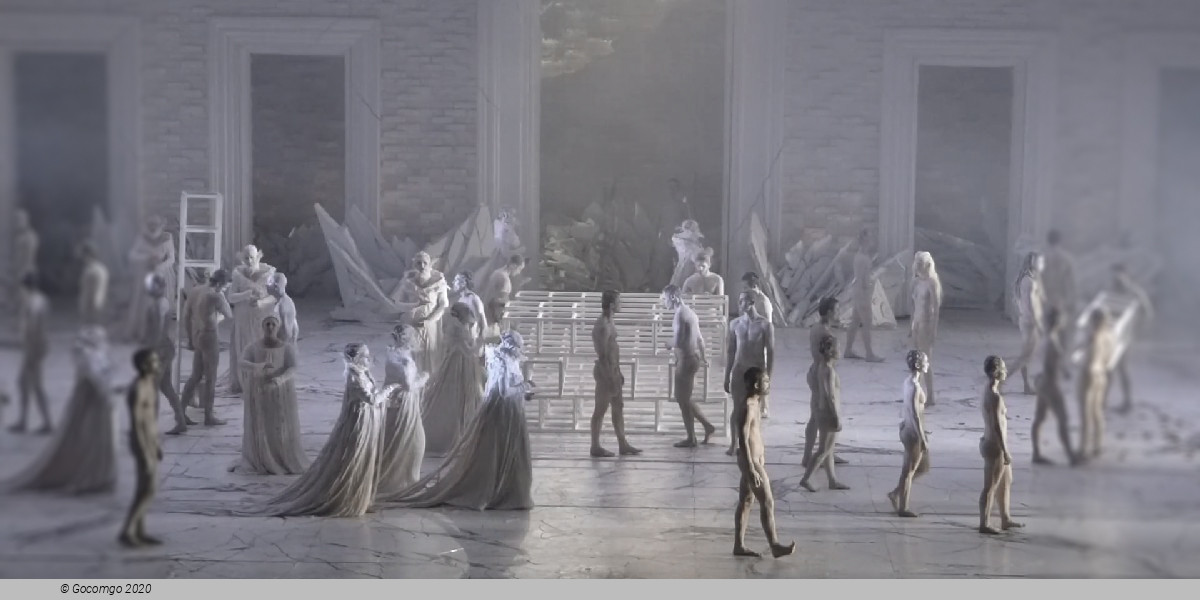
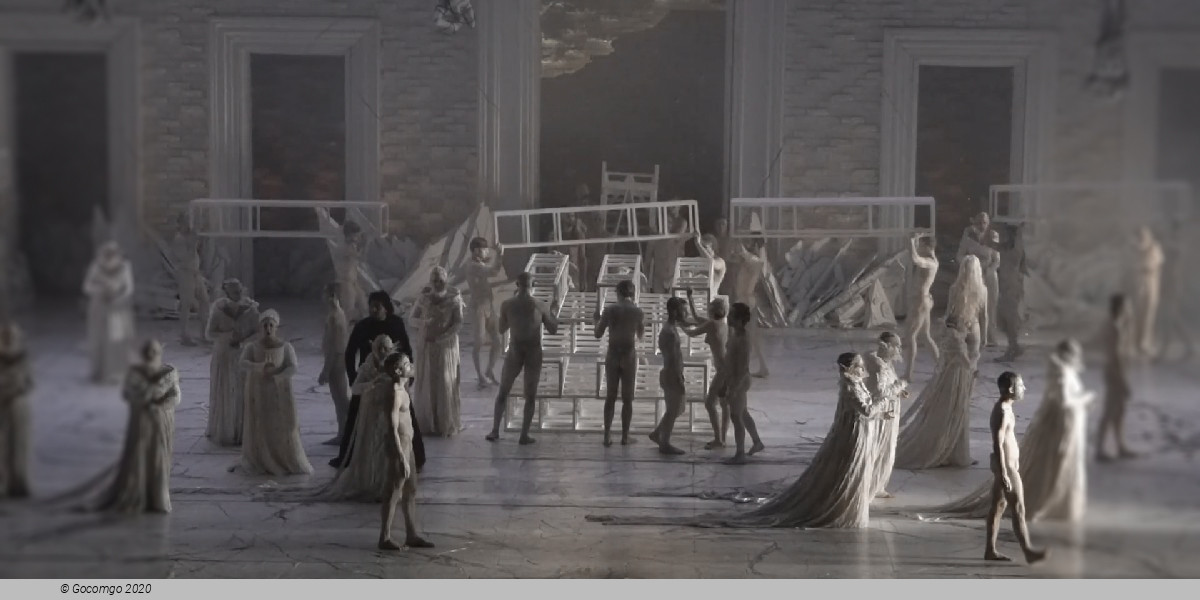
The feast begins. Thaïs arrives and sings a bittersweet love duet with Nicias: this is their last night together. She then asks him about Athanaël, who overhears her and tells her that he has come to teach her "contempt for the flesh and love of pain." Not tempted by this proposition, she offends his sense of propriety with a seductive song. He leaves, angrily promising to come back later, while she taunts him with a parting shot: "Dare to come, you who defy Venus!" and begins to disrobe as the curtain falls.
Act 2
Scene 1
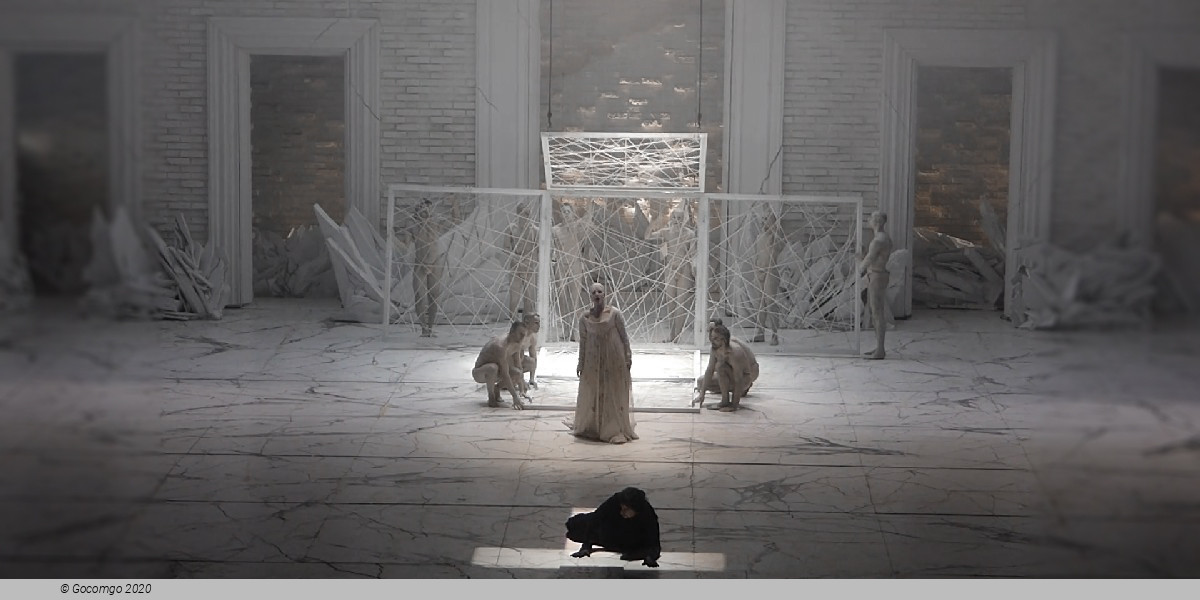
Exhausted after the feast, Thaïs expresses dissatisfaction with her empty life and muses on the fact that one day, old age will destroy her beauty. Athanaël enters at this vulnerable moment, praying to God to conceal her beauty from him. He tells her that he loves her according to the spirit rather than the flesh, and that his love will last forever instead of a single night. Intrigued, she asks him to teach her the ways of this love. He nearly succumbs to her physical charm, but succeeds in explaining to her that if she converts, she will gain eternal life. She nearly succumbs to his eloquence, but then reasserts her nihilistic worldview and drives him away. However, after a long meditation she changes her mind.
Scene 2
Thaïs has joined Athanaël and resolved to follow him into the desert. He orders her to burn down her house and possessions in order to destroy all traces of her wicked past. She agrees, but asks if she can keep a statuette of Eros, the god of love, explaining to Athanaël that she sinned against love rather than through it. When he hears that Nicias gave it to her, however, Athanaël demands that she destroy it. Nicias appears with a group of revelers, who see Athanaël taking Thaïs away. Furious, they begin to stone him. Although Nicias is astonished at Thaïs' decision to leave, he respects it and throws handfuls of money to distract the crowd. Thaïs and Athanaël escape.
Act 3
Scene 1
Thaïs and Athanaël travel on foot through the desert. Thaïs is exhausted, but Athanaël forces her to keep going and thus do penance for her sins. They reach a spring, where Athanaël begins to feel pity rather than disgust for her, and they share a few moments of idyllic, platonic companionship as they rest. Shortly afterwards, they reach the convent where Thaïs is to stay. Placing her in the care of Mother Superior Albine, Athanaël realizes that he has accomplished his mission — and that he will never see her again.
Scene 2
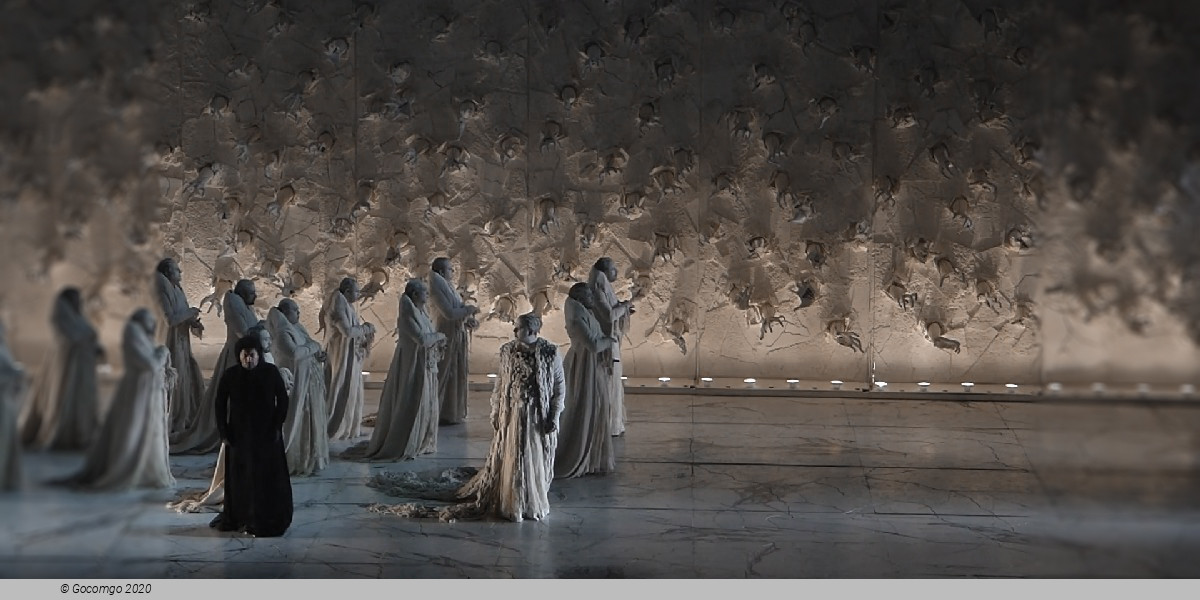
The Cenobite monks express anxiety over Athanaël's asocial and morose behavior since his return from Alexandria. Athanaël enters and confesses to Palémon that he has begun to experience sexual longing for Thaïs. Palémon castigates him for having attempted to convert her in the first place. Athanaël falls into a depressed sleep and has an erotic vision of Thaïs. He tries to seize her, but she laughingly evades him. Then, a second vision tells him that Thaïs is dying.
Scene 3
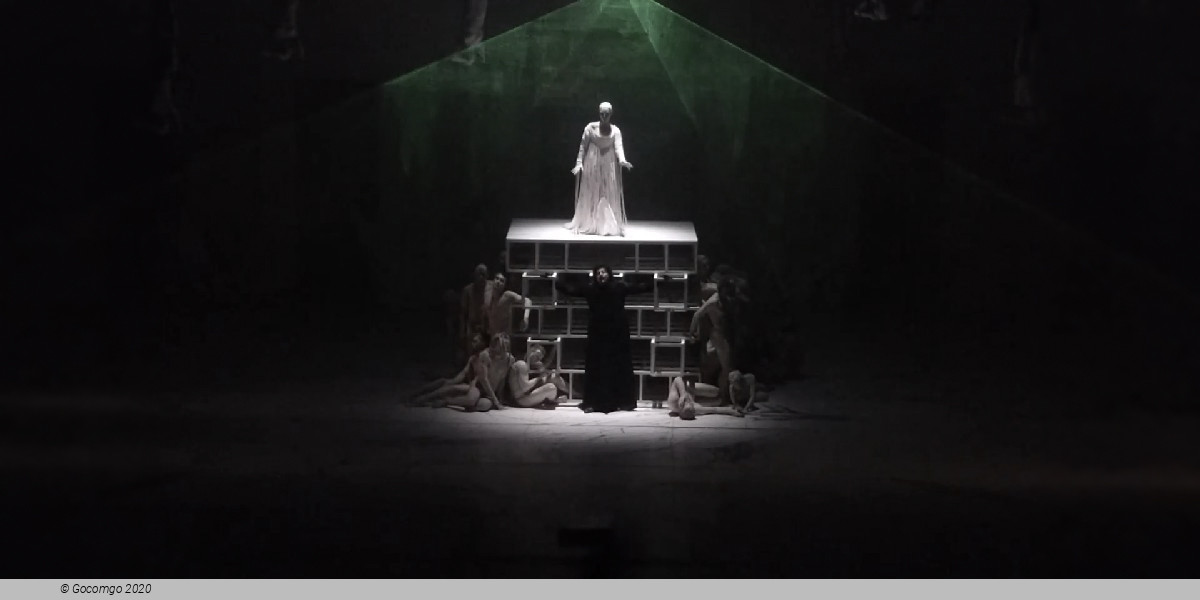
Feeling that existence is worth nothing without her, he repudiates all his vows and rushes off to find her. He reaches the convent and finds her on her deathbed. He tells her that all he taught her was a lie, that "nothing is true but life and the love of human beings", and that he loves her. Blissfully unaware, she describes the heavens opening and the angels welcoming her into their midst. She dies, and Athanaël collapses in despair.




 15 Avenue Montaigne