Gallery
About
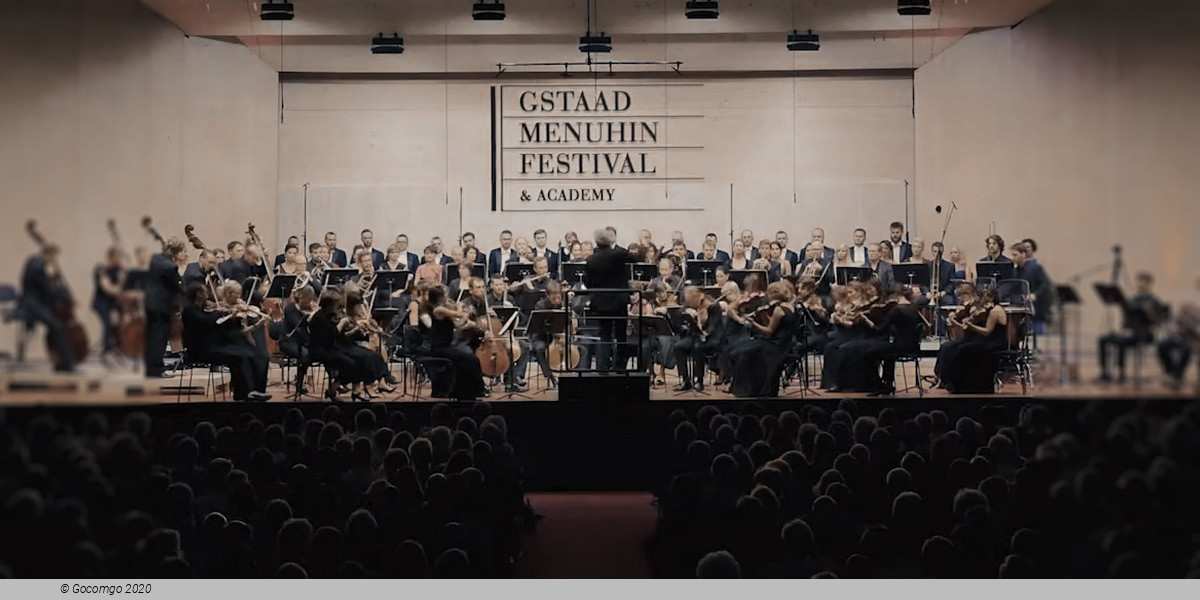
A season inspired by the enduring power of music to touch, unite and inspire. In summer 2027, under the theme “PASSION,” the Menuhin Festival Gstaad celebrates the force that drives artists and transforms music into a deeply emotional experience.
The theme takes on particular significance in 2027 as we mark the 200th anniversary of Ludwig van Beethoven’s death. Few composers embody passion as powerfully as Beethoven. His music stands for creative determination, freedom and humanity – and for the extraordinary ability of art to touch people across generations. His works will therefore run like a thread throughout the 2027 Festival.
Yehudi Menuhin, too, believed that music could be far more than an aesthetic experience: it could be a universal language, capable of bringing people together and transcending boundaries. This conviction continues to shape the Festival today and provides an important point of departure for the 2027 programme.
First Highlights for 2027
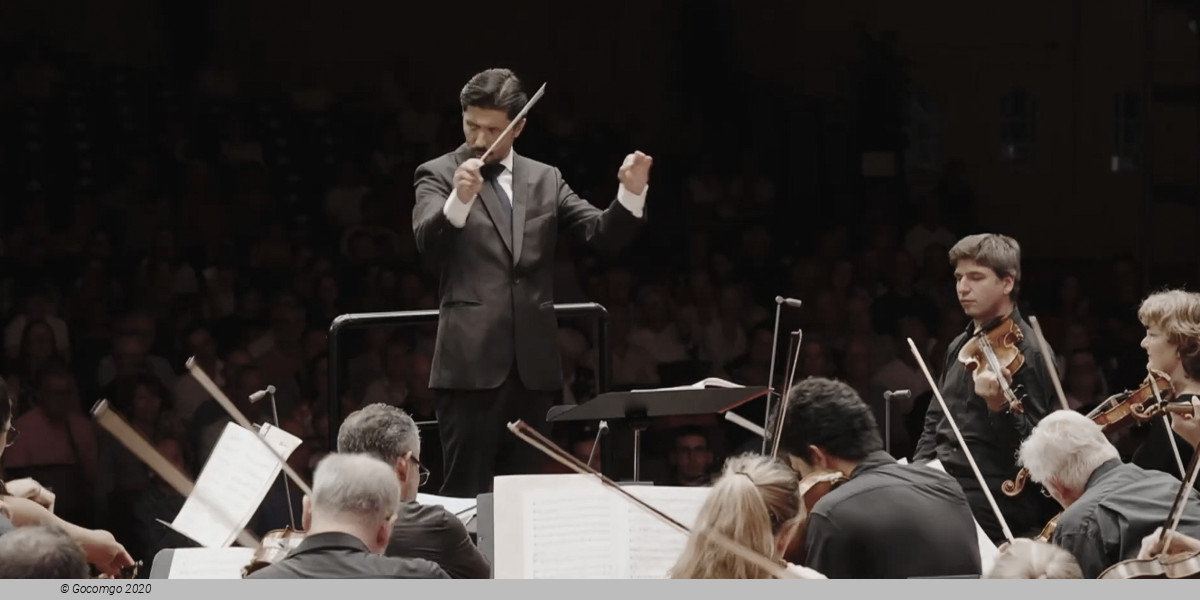
Artists already confirmed for the 71st edition include Anne-Sophie Mutter, Ray Chen, Igor Levit, Daniil Trifonov, Avi Avital and Alice Sara Ott, who will perform with the Vienna Symphony Orchestra under Petr Popelka.
Beethoven will be a major focus of the season: To conclude the concerts in the Festival Tent, the Gstaad Festival Orchestra will perform his monumental Ninth Symphony.
Opera also returns to the Festival Tent, with Marco Armiliato conducting Verdi’s La traviata, featuring Lisette Oropesa and Luca Salsi. Another major orchestral highlight will see the Orchestra dell’Accademia Nazionale di Santa Cecilia under Daniel Harding perform Mahler’s Sixth Symphony.
Beyond the concerts, the Festival’s successful new formats will continue in 2027: Fiddlefest, The Summit, the President’s Hikes and the film series at the Ciné-Théâtre Gstaad will all return.
And this is only the beginning: the full Festival programme will be announced in December.
About the Gstaad Menuhin Festival
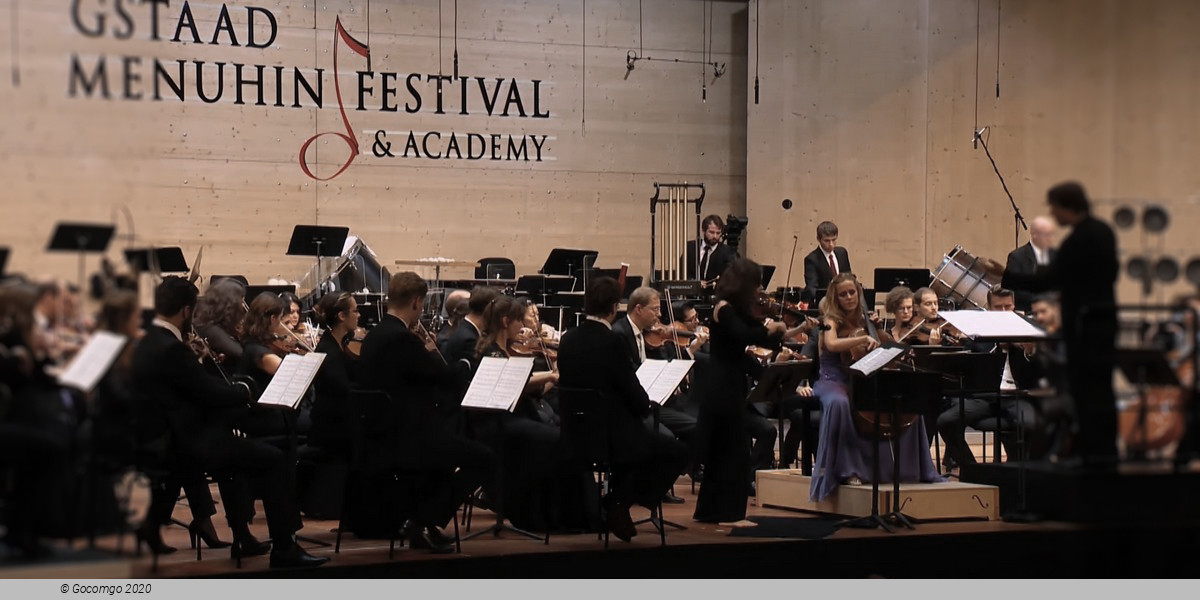
The Yehudi Menuhin festival is an annual festival held in Gstaad, Switzerland. The first festival was held in 1957, it was organized by the world-famous conductor and violinist, virtuoso Yehudi Menuhin. The festival attracts an increasing number of participants and spectators every year, performances are held every day for more than a month and a half: the dates of the festival – are from mid-July to early September. The main program of the festival is classical music performed by the most famous artists, chamber and Symphony orchestras.

In 1957 Yehudi Menuhin and his family moved to Gstaad where he was fascinated and inspired by the elemental power of the region’s natural environment and commanding mountains. He was impressed not only by the Saanenland’s magnificent alpine arena, but also by the meeting of Western Switzerland, German-speaking culture, and the nearby South with its Italian lifestyle. Since Gstaad and its surrounding area also offered an ideal environment for an international education for his children (among others, the «Le Rosey» Institute and the International Kennedy School are based in the Saanenland), Menuhin settled with his family in the area. Walking in the mountains with his children, the city-dweller discovered the natural world of the native population, who were also to inspire Menuhin with their folklore and music.

In the spirit of its founding father Lord Menuhin, Christoph Müller set new accents in his first year in 2002 and continued successfully to promote and develop the festival with an open and creative programme philosophy that made trendsetting projects and long-term development in specific artistic spheres possible.
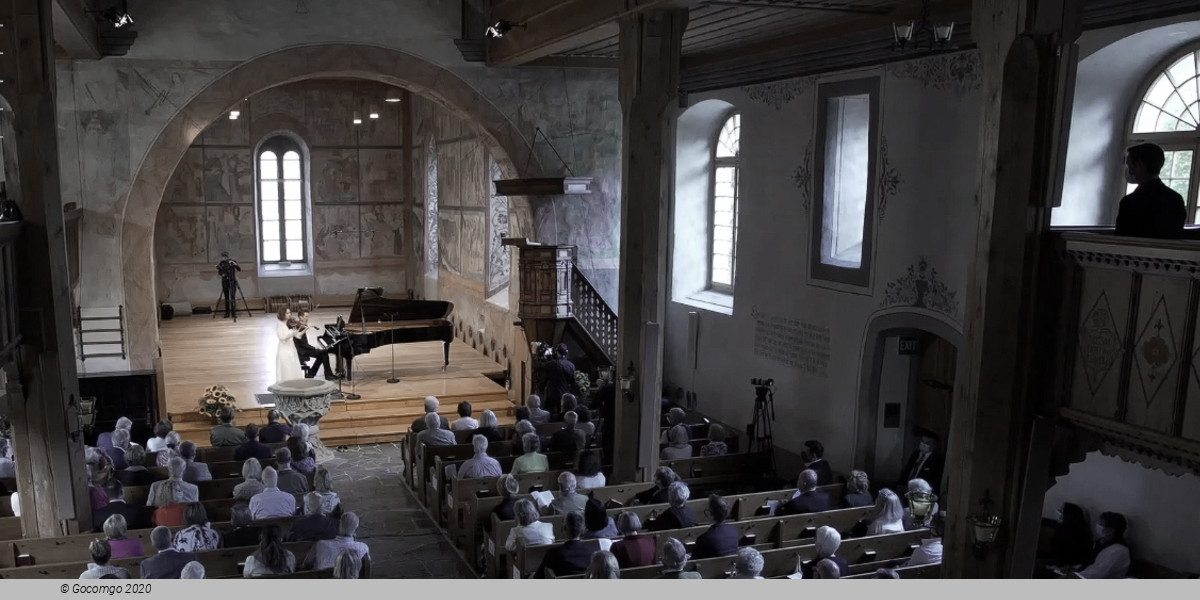
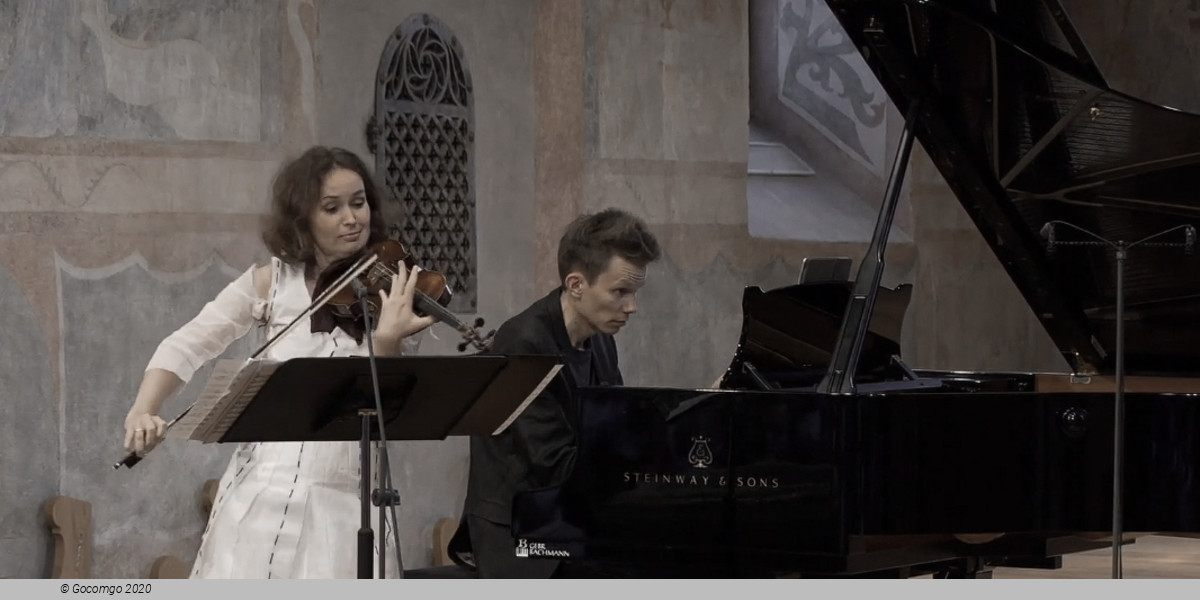
The Gstaad Chamber Music Festival focuses on outstanding artists (Joshua Bell, Sabine Meyer, Alfred Brendel, Andras Schiff, Hélène Grimaud), who invite their musical friends and partners to Gstaad “to make music in a relaxed atmosphere”. (citation from Yehudi Menuhin)

The Symphony Orchestra Concerts in the Gstaad Festival Tent have brought symphonic brilliance back to Gstaad, including through close partnerships with orchestras such as the London Symphony Orchestra. The series “Today’s Music” promotes encounters between various music styles and cultures in the spirit of Yehudi Menuhin’s pivotal musical experiences, often surprising and unexpected. This cycle has earned widespread recognition with artists such as Bobby McFerrin, Nigel Kennedy or Swiss jazz legend George Gruntz since the 2002 edition. Moreover, a Musical Project for Children has become a tradition with the performance every year of a work that is taught and prepared in the schools in Saanenland and performed by some 30 to 50 children from the region. Works such as “Pollicino” by Hans-Werner Henze, “Brundibar” by Hans Krasa or “Carnival of the Animals” by Camille Saint-Saëns remain memorable.

A platform for enthusiastic amateurs was also established, the “Gstaad Festival Amateur Orchestra” series: in 2008 the festival presented for the first time an Orchestra Week for Amateur Musicians, during which participants could rehearse and perform in concert with leading musicians from an established symphony orchestra for seven days. In 2009 this amateur orchestra was supplemented with a corresponding Youth Orchestra Week with 60 to 70 musicians. The some 130 amateur and youth musicians profit in this project from the combination of active music making and concert attendance – in short, they participate in the festival life.