



About
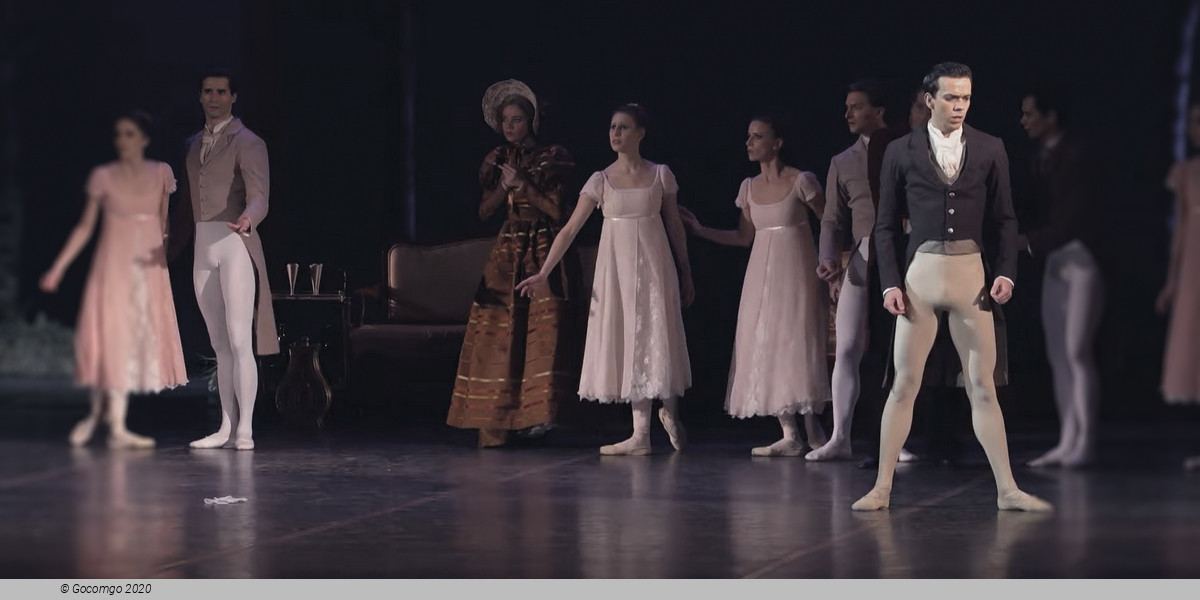
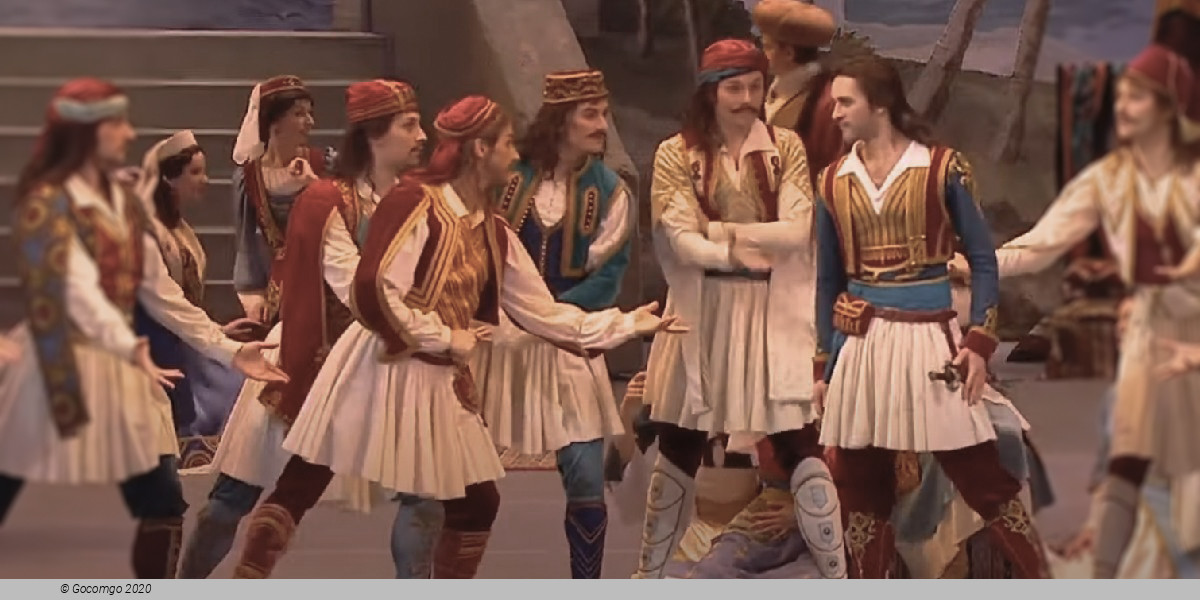
The Hungarian National Ballet is the world's leading troupe with a repertoire of folk dances and more than 100 artists. He tours the world.
Ballet performances in Hungary appeared in the 18th century in private theaters of the aristocracy. Professional troupes were created, performing in Budapest and abroad. Frederico Campilli, who worked there for 40 years, became the first choreographer of the Budapest National Theatre.
In 1884, the Hungarian Royal Opera House opened, where the National Ballet became the leading troupe in Europe. In the 19th century, the corps de ballet had 60 artists, including Italian and Hungarian soloists. Italian technique prevailed, but soon Hungarian culture became an important part of the repertoire.
After World War II, the focus shifted towards the Russian school, but the Hungarian influence persisted. In the 1970s, the company staged works by George Balanchine and other Western choreographers. Laszlo Seryogi, who had been working since the late 1960s, popularized Hungarian ballet through productions of Spartacus, Romeo and Juliet, and others.