

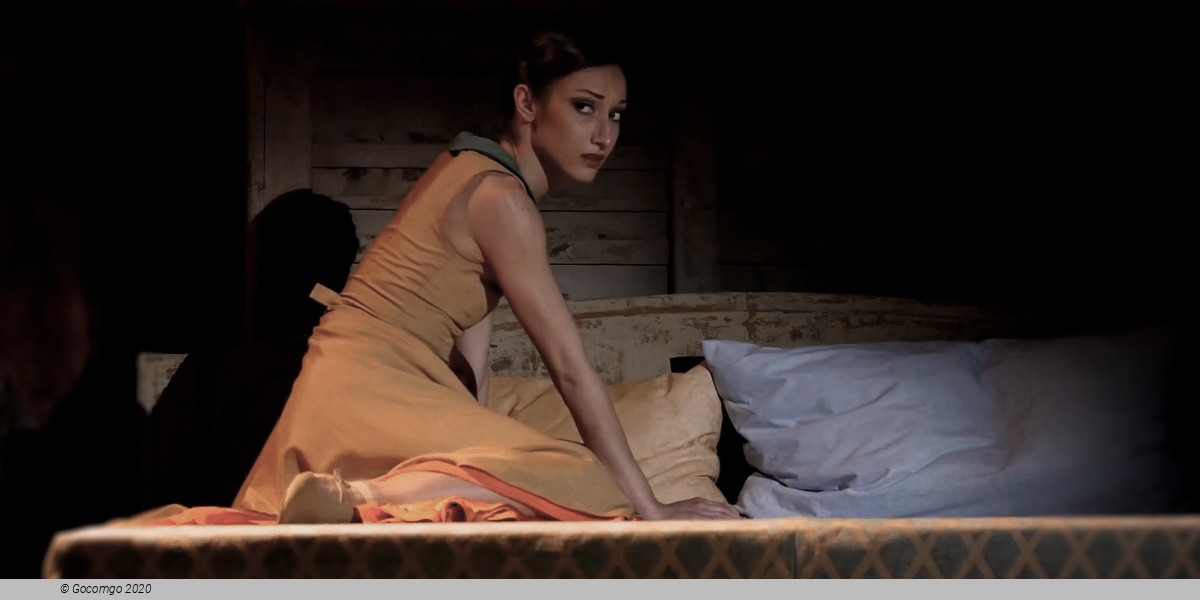
Hungarian State Opera House tickets 28 February 2027 - A Streetcar Named Desire | GoComGo.com

A Streetcar Named Desire

Hungarian State Opera House, Opera House, Budapest, Hungary
All photos (12)
Select date and time
7 PM
From
US$ 91

E-tickets: Print at home or at the box office of the event if so specified. You will find more information in your booking confirmation email.

You can only select the category, and not the exact seats.
If you order 2 or 3 tickets: your seats will be next to each other.
If you order 4 or more tickets: your seats will be next to each other, or, if this is not possible, we will provide a combination of groups of seats (at least in pairs, for example 2+2 or 2+3).

Important Info
Type: Modern Ballet
City: Budapest, Hungary
Starts at: 19:00
Acts: 2
Intervals: 1
Duration: 2h 15min

E-tickets: Print at home or at the box office of the event if so specified. You will find more information in your booking confirmation email.

You can only select the category, and not the exact seats.
If you order 2 or 3 tickets: your seats will be next to each other.
If you order 4 or more tickets: your seats will be next to each other, or, if this is not possible, we will provide a combination of groups of seats (at least in pairs, for example 2+2 or 2+3).

Cast
Performers
Ballet company: Hungarian National Ballet
Ballet company: Hungarian National Ballet Institute
Creators
Composer: László Dés
Choreographer: Marianna Venekei
Overview

The story of the fall of Blanche DuBois is a drama of family bonds, unrequited love, acceptance and physical force that never loses its relevance.

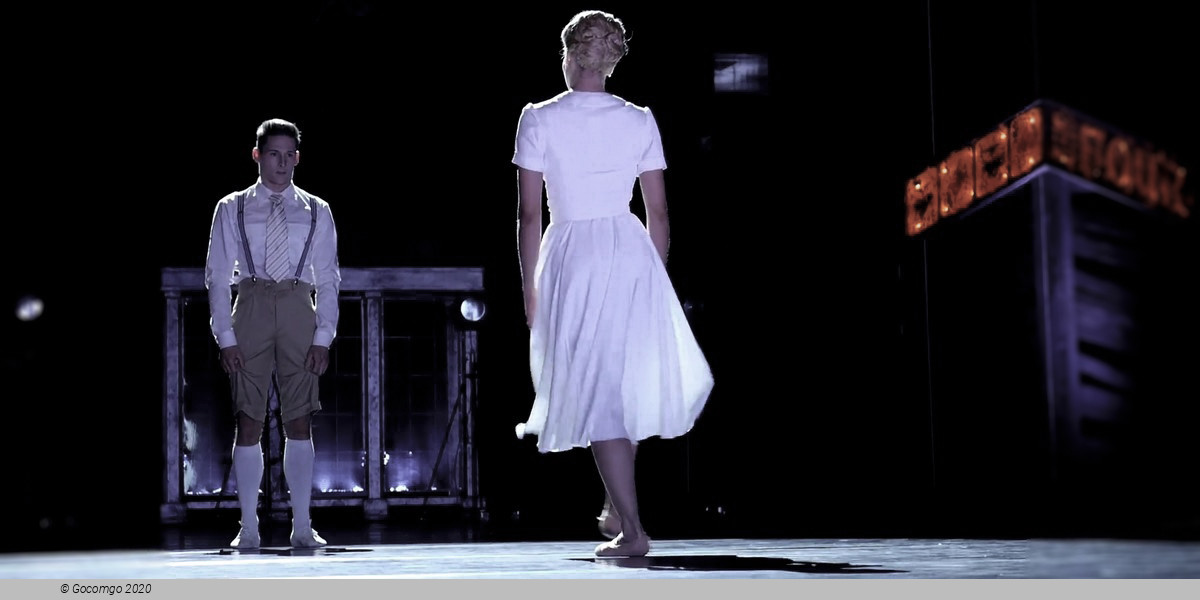
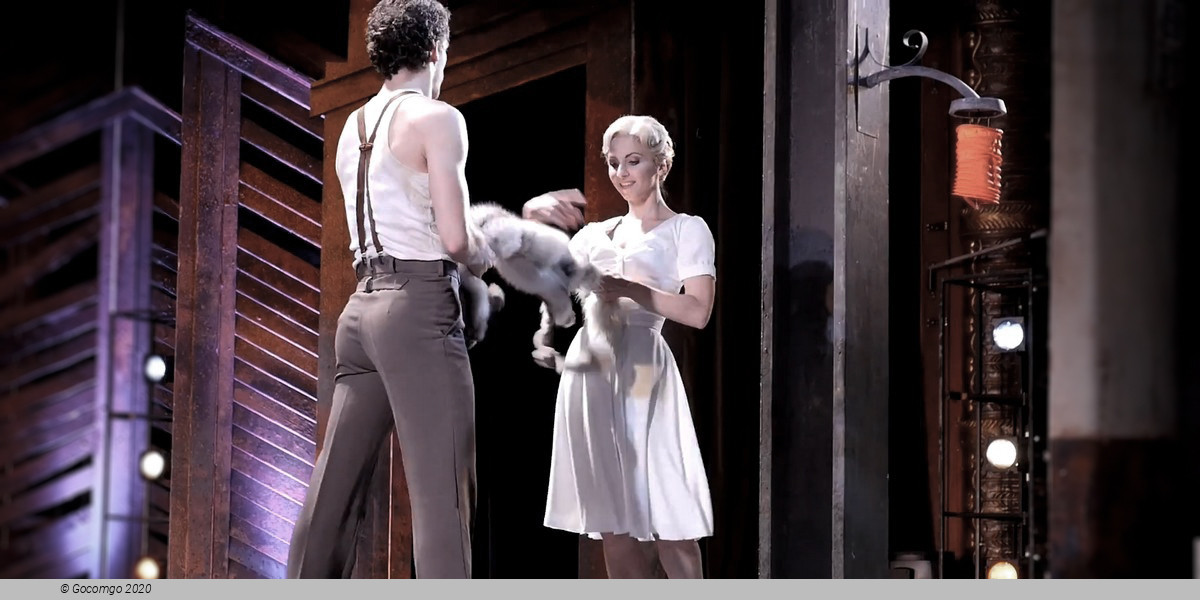
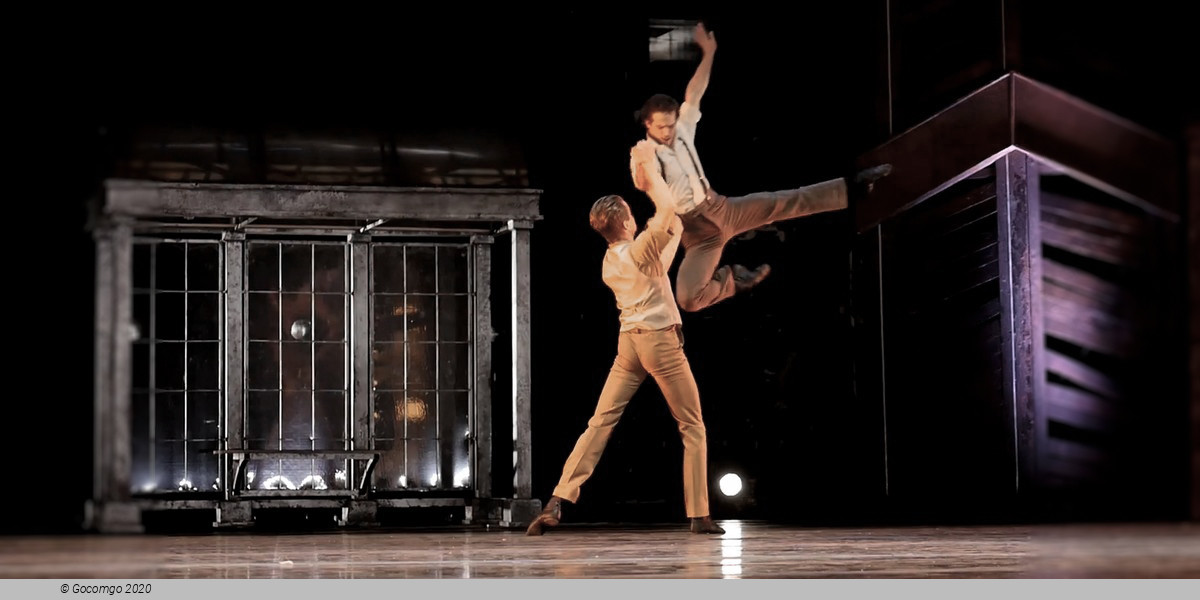
A Streetcar Named Desire is Marianna Venekei's first full-length choreography. The project, lovingly nurtured for many years, is a collaboration between her and composer-saxophonist László Dés. Using the means of modern ballet, its creators evoke the atmosphere, sights and music of the New Orleans of the 1940s, the time and setting of Tennessee Williams's original work, in a production driven by the sheer variety of the musical and dance motifs, and the unique personalities of the characters.

The permission of the copyright-holder was obtained through the intermediation of Hofra Kft.
Ballet version of the play of the same title by Tennessee Williams Presented by special arrangement with The University of the South, Sewanee, Tennessee. A Streetcar Named Desire: Copyright © 1947, 1953 renewed 1975, 1981 The University of the South.

Featuring on recording: the Hungarian State Opera Orchestra, Modern Art Orchestra, Kornél Fekete-Kovács, László Dés, András Dés, Miklós Lukács, Gábor Winand, Kati Károlyi

Synopsis

Act I

As a nursery tune softly plays, two little girls play on the empty stage.

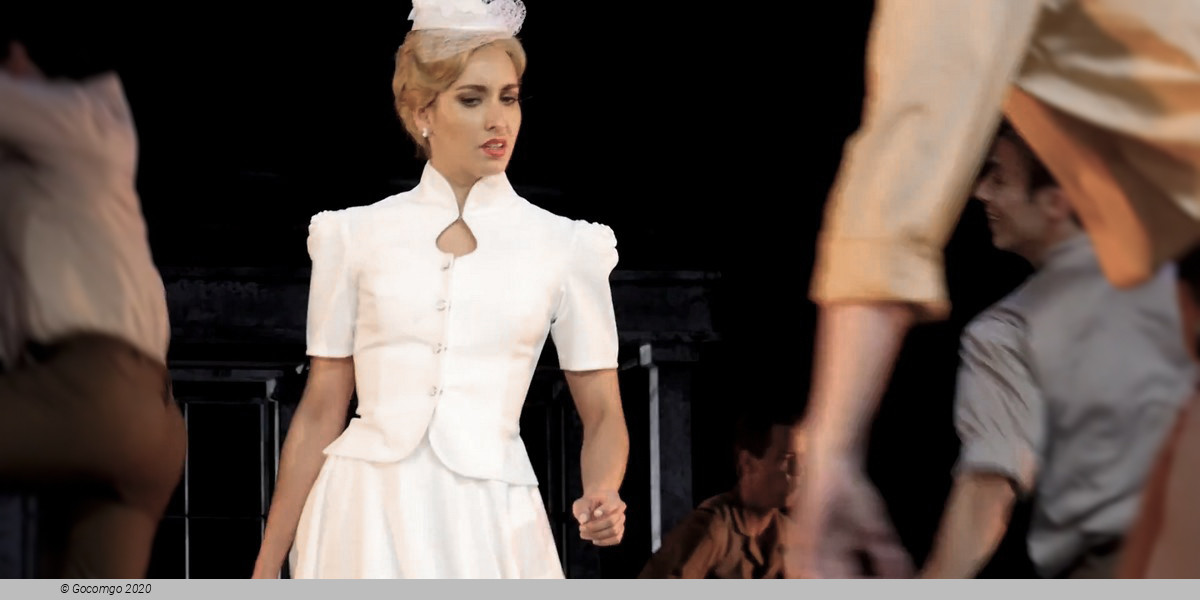
The vision-like image is broken by a figure emerging from the darkness: It is Blanche, looking uncertain as she arrives in the vibrantly bustling – and steamy – city of New Orleans with a suitcase in her hand. As she reaches her sister's building, the noise from the street subsides.

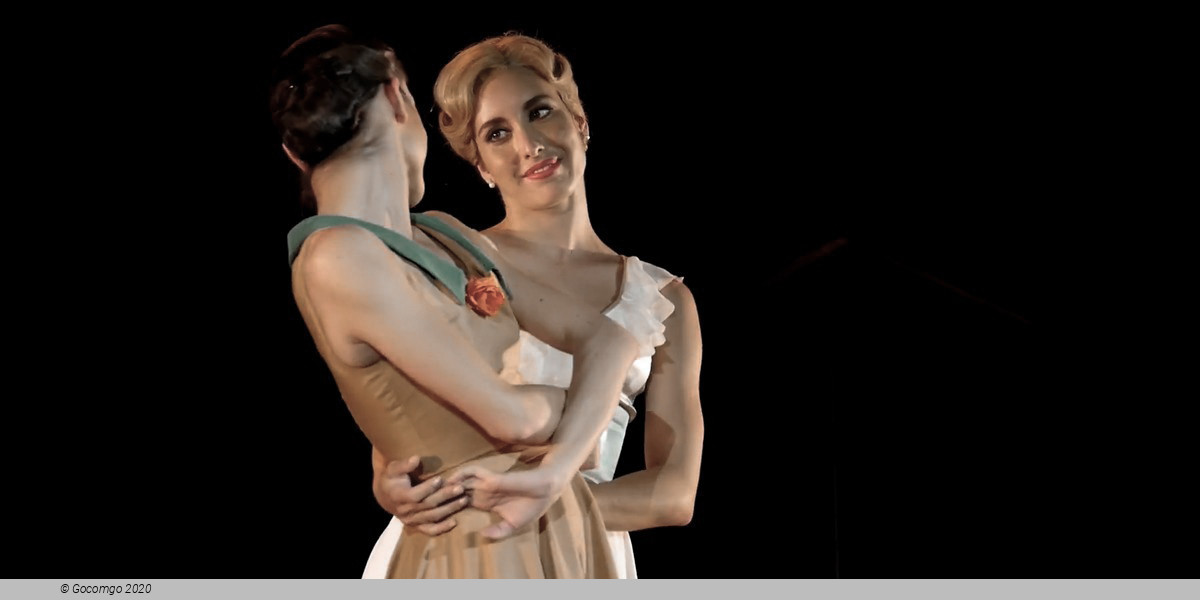
Stella's flat. Blanche waits alone for a little while – taking the occasional drink to settle her nerves – before the two sisters meet for the first time in many years: they regard each other happily, examining how much the other has changed. Blanche is unable to conceal her disdain for the shabbiness of Stella's home.

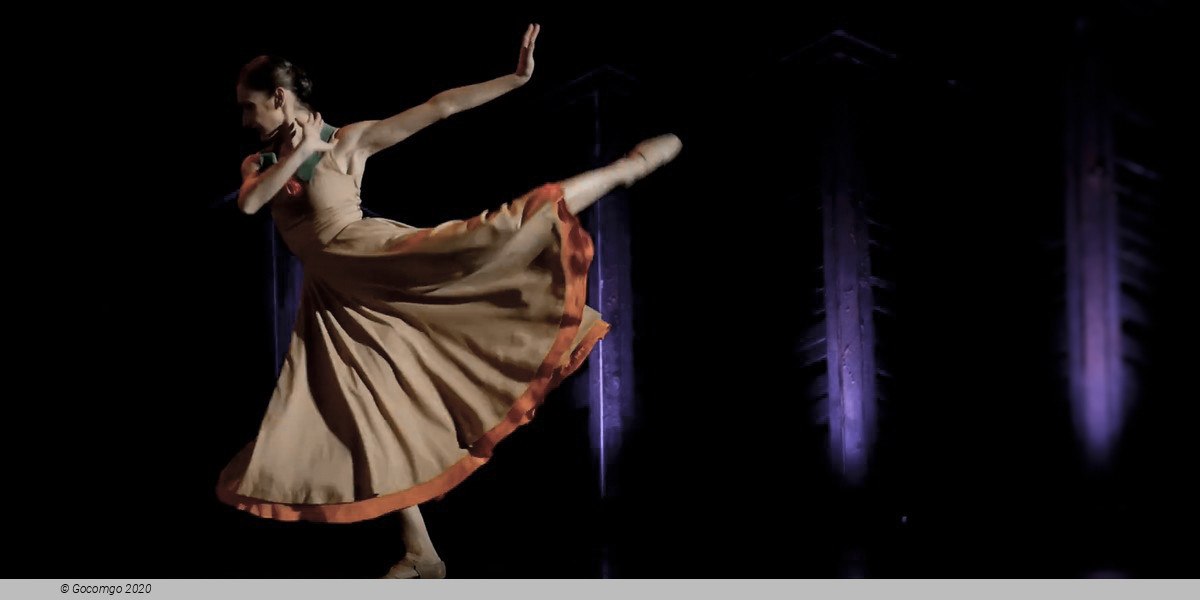
tella reassures her sister; the pas de deux danced by the two women embodies their sisterly bond, and also brings the past to life around them: their home, a house named Belle Reve, and all of its horrors. The deceased family members who – nursed through their long suffering by Blanche alone – left no bequest behind – even the house had to be auctioned off. Overcome with feelings of guilt, Stella eventually flees from the terrible scene. Blanche remains alone.

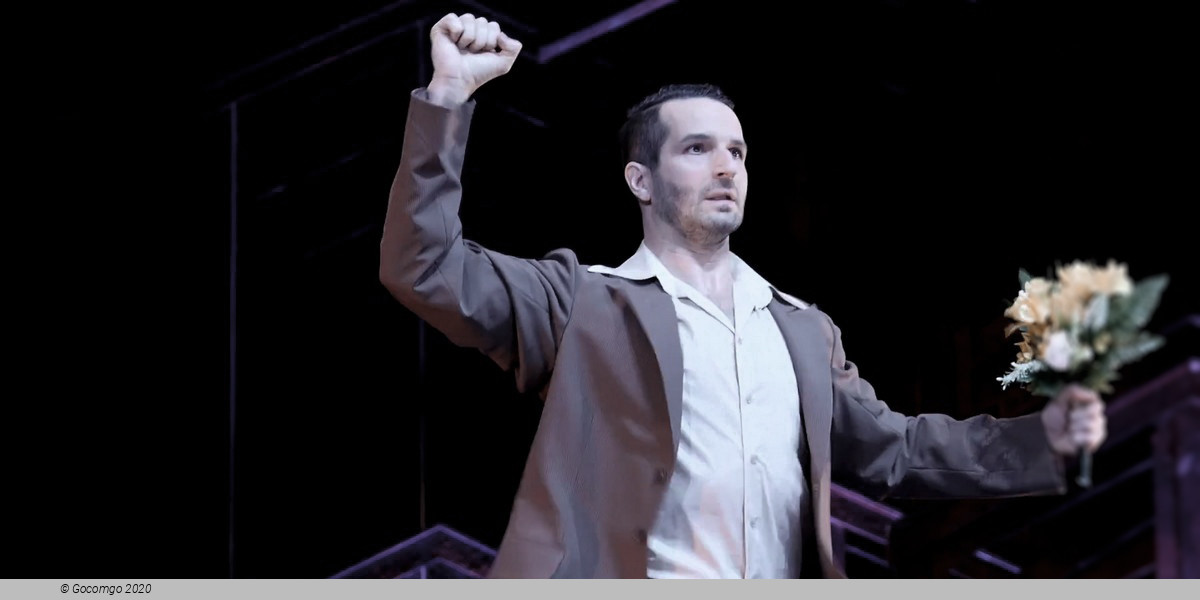
Stella's husband, Stanley, approaches in the cheerful company of two friends. Arriving home, he finds Blanche in his house: two great characters have met...

The days pass with the two avoiding each other in the narrow confines of the flat and the tension between Stanley and his sister-in-law growing ever greater. Blanche's long baths to “soothe her nerves” aggravate him, as does the constant smell of her perfume in his home, and her fine and expensive clothes too.

n one taut moment he can stand it no longer and tears through Blanche's suitcase, rummaging through the furs and tiaras to find the papers that will establish at last what happened to the inheritance due from the sale of Belle Reve. It turns out that not a single penny was left from the house. Stanley informs Blanche that Stella is going to have a baby; Blanche greets the news with exaggerated joy, and the two sisters go out to have fun.

Stanley's friends come over to play poker. The game is still going when the women come home. To Stanley's displeasure, one of the men, Mitch, takes note of the attractive Blanche. Blanche turns on the radio, and the women get into a pillow fight in the next room. Deciding he's had enough of the uproar, Stanley storms into the other room and smashes the radio. He starts menacingly toward Blanche, and when Stella blocks his path, he delivers his wife a tremendous slap on the face. As the other men restrain the raging Stanley, the two women flee to the protection of their upstairs neighbour. After Stanley calms down, he calls out despairingly for his wife, who eventually returns home to him. From above, Blanche watches them embrace lovingly.

Memories return to the lonesome woman in a flood: she thinks of her own late husband, Allan. One evening at a ball, she discovered that he was in love with another man. He killed himself later that same night. Blanche gradually returns to reality, and Stella also awakes from the sleep that followed the night of passion. Blanche tries as hard as she can to convince her sister to leave Stanley, but Stella won't hear of it. After secretly observing the two women for a while, Stanley emerges. Stella thinks for a moment and chooses her husband, leaving Blanche alone with her impotent rage.

Act II

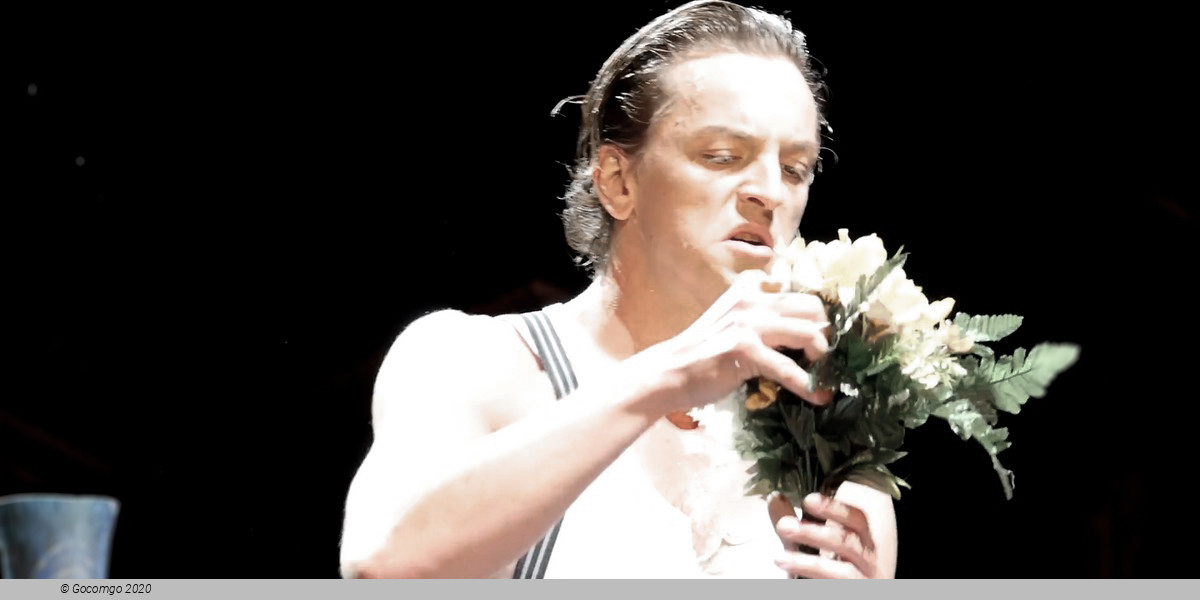
It's raining. Blanche nervously gets herself ready to go out. Mitch appears with a bouquet of flowers, kissing her awkwardly before the two leave together for a night spot. They, they start dancing light-heartedly, but Blanche suddenly thinks she sees her dead husband and his lover amidst the swirling crowd as she relives that horrible night at the ball when Allan shot himself in the head. Gradually, however, the dance music dies down, leaving Mitch and Blanche alone on the dance floor. Bidding farewell at last, Blanche departs.

Stanley appears suddenly and angrily tells Mitch what he has just learned about Blanche: back in the town of Laurel, she had prostituted herself to soldiers. It also emerges that when Blanche was a teacher, she had seduced one of her pupils. Astonished by what he's heard and overcome by despair, Mitch attempts to argue with the imperious Stanley, and then rushes off in anguish. Stanley returns home to find Stella getting ready for her sister's birthday party, which throws him into yet another rage. He doesn't think that this loose woman deserves any kind of celebration. Suddenly Blanche arrives. An awkward silence falls as they sit at the table.

The fourth chair – Mitch's – is empty. Since it's Blanche's birthday, Stanley asks her for a dance, which she accepts gladly. Later during the party, however, Stanley grabs Blanche's suitcase and tosses it out of the flat. Stella is upset at her husband's conduct, but Stanley just treats her rudely too. Stella starts to feel ill. Her husband grabs her and races her to the hospital.

Mitch arrives and angrily demands for Blanche to tell the truth about her past. Uncomprehendingly, Blanche attempts to defend herself against the increasingly violent man until finally managing to scare him off.

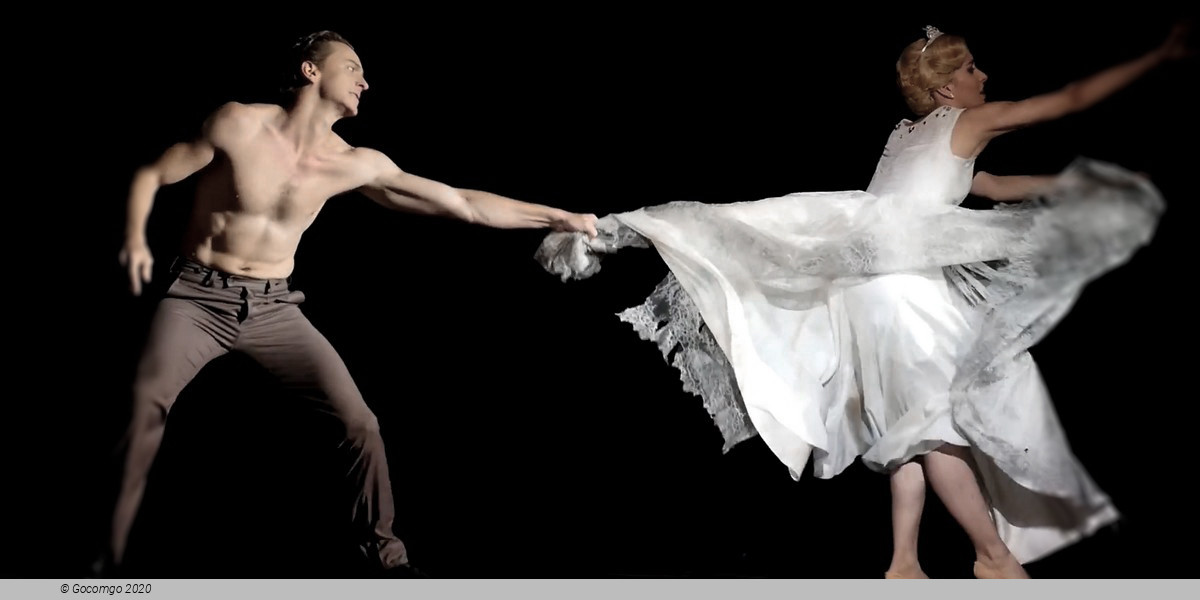
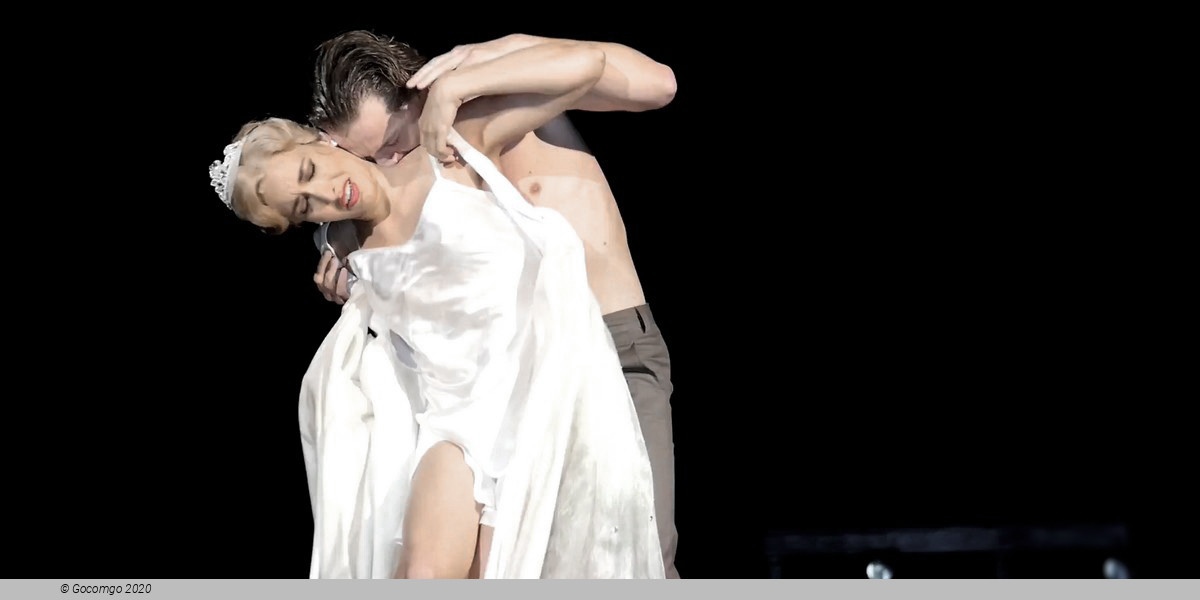
Blanche takes some medicine and starts drinking. After she puts on her old evening gown, the deceased Allan appears to her and places a tiara on his wife's forehead. One by one, a procession of men dance with Blanche, who is increasingly losing touch with reality. Stanley returns home: the two of them eye each other with just as much hostility as during their first meeting. Stanley's behaviour toward Blanche is increasingly vulgar and menacing. When she tries to flee, he blocks her path. Finally, after turning the flat upside down chasing after her, he wrestles her to the ground and rapes her repeatedly.

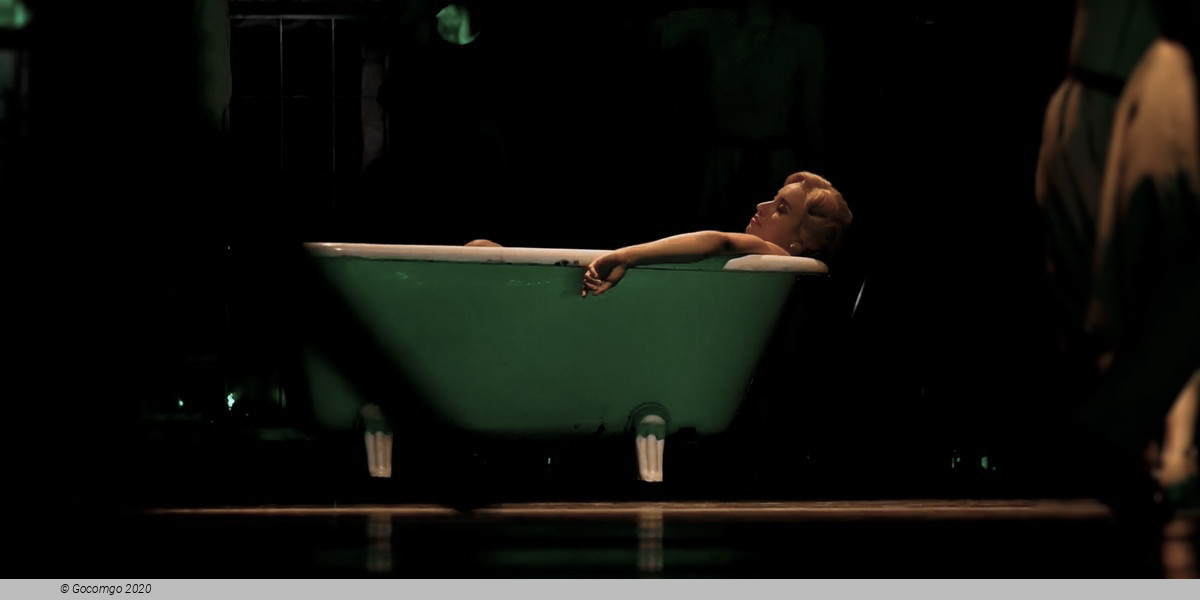
Blanche lies motionless on the floor. Finally, she drags herself to her feet and escapes to the bathtub. Madness is already evident in her eyes. Characters from the past and present perform a mighty dance macabre. The dance of death gradually abates, leaving Blanche curled up in the tub.

Venue Info

Hungarian State Opera House - Budapest
Location   Andrássy út 22

The Hungarian State Opera House (Hungarian: Magyar Állami Operaház) is a neo-Renaissance opera house located in central Budapest, on Andrássy út. The Hungarian State Opera House is the main opera house of the country and the second largest opera house in Budapest and in Hungary. Today, the opera house is home to the Budapest Opera Ball, a society event dating back to 1886. The Theatre was designed by Miklós Ybl, a major figure of 19th-century Hungarian architecture.

Construction began in 1875, funded by the city of Budapest and by Emperor Franz Joseph I of Austria-Hungary, and the new house opened to the public on the 27 September 1884. Before the closure of the "Népszínház" in Budapest, it was the third largest opera building in the city; today it is the second largest opera house in Budapest and in Hungary.

Touring groups had performed operas in the city from the early 19th century, but as Legány notes, "a new epoch began after 1835 when part of the Kasa National Opera and Theatrical Troupe arrived in Buda". They took over the Castle Theatre and, in 1835, were joined by another part of the troupe, after which performances of operas were given under conductor Ferenc Erkel. By 1837 they had established themselves at the Magyar Színház (Hungarian Theatre) and by 1840, it had become the "Nemzeti Színház" (National Theatre). Upon its completion, the opera section moved into the Hungarian Royal Opera House, with performances quickly gaining a reputation for excellence in a repertory of about 45 to 50 operas and about 130 annual performances. 

Many important artists were guests here including the composer Gustav Mahler, who was director in Budapest from 1888 to 1891 and Otto Klemperer, who was music director for three years from 1947 to 1950.

It is a richly decorated building and is considered one of the architect's masterpieces. It was built in neo-Renaissance style, with elements of Baroque. Ornamentation includes paintings and sculptures by leading figures of Hungarian art including Bertalan Székely, Mór Than, and Károly Lotz. Although in size and capacity it is not among the greatest, in beauty and the quality of acoustics the Budapest Opera House is considered to be amongst the finest opera houses in the world.

The auditorium holds 1,261 people. It is horseshoe-shaped and – according to measurements done in the 1970s by a group of international engineers – has the third best acoustics in Europe after La Scala in Milan and the Palais Garnier in Paris. Although many opera houses have been built since the Budapest Opera House is still among the best in terms of acoustics.

In front of the building are statues of Ferenc Erkel and Franz Liszt. Liszt is the best-known Hungarian composer. Erkel composed the Hungarian national anthem, and was the first music director of the Opera House; he was also the founder of the Budapest Philharmonic Orchestra.

Each year the season lasts from September to the end of June and, in addition to opera performances, the House is home to the Hungarian National Ballet.

There are guided tours of the building in six languages (English, German, Spanish, French, Italian, and Hungarian) almost every day.

Important Info
Type: Modern Ballet
City: Budapest, Hungary
Starts at: 19:00
Acts: 2
Intervals: 1
Duration: 2h 15min
Top of page