
Hungarian State Opera House tickets 16 March 2027 - Evening of Modern Ballets "Timeless Contemporary'27": Trois Gnossiennes. 5 tangos. Petite Mort. Six Dances | GoComGo.com

Evening of Modern Ballets "Timeless Contemporary'27": Trois Gnossiennes. 5 tangos. Petite Mort. Six Dances

Hungarian State Opera House, Opera House, Budapest, Hungary
All photos (4)
Select date and time
7 PM
From
US$ 91

E-tickets: Print at home or at the box office of the event if so specified. You will find more information in your booking confirmation email.

You can only select the category, and not the exact seats.
If you order 2 or 3 tickets: your seats will be next to each other.
If you order 4 or more tickets: your seats will be next to each other, or, if this is not possible, we will provide a combination of groups of seats (at least in pairs, for example 2+2 or 2+3).

Important Info
Type: Modern Ballet
City: Budapest, Hungary
Starts at: 19:00
Intervals: 1
Duration: 1h 50min

E-tickets: Print at home or at the box office of the event if so specified. You will find more information in your booking confirmation email.

You can only select the category, and not the exact seats.
If you order 2 or 3 tickets: your seats will be next to each other.
If you order 4 or more tickets: your seats will be next to each other, or, if this is not possible, we will provide a combination of groups of seats (at least in pairs, for example 2+2 or 2+3).

Cast
Performers
Ballet company: Hungarian National Ballet
Conductor: Sámuel Csaba Tóth
Creators
Composer: Astor Piazzolla
Composer: Erik Satie
Composer: Wolfgang Amadeus Mozart
Choreographer: Hans van Manen
Choreographer: Jiří Kylián
Overview

The Timeless Contemporary ballet show is composed of works by choreographers Hans van Manen from the Netherlands and Jiří Kylián from the Czechia, where the dancers’ technical virtuosity intertwines with the music of Erik Satie, Astor Piazzolla and Mozart.

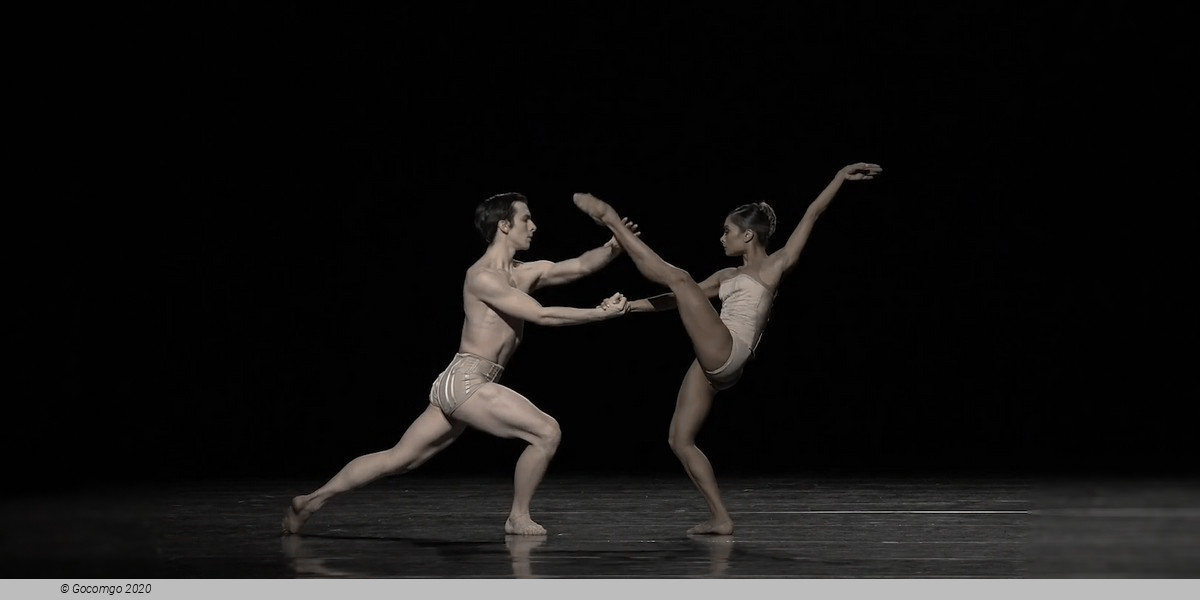
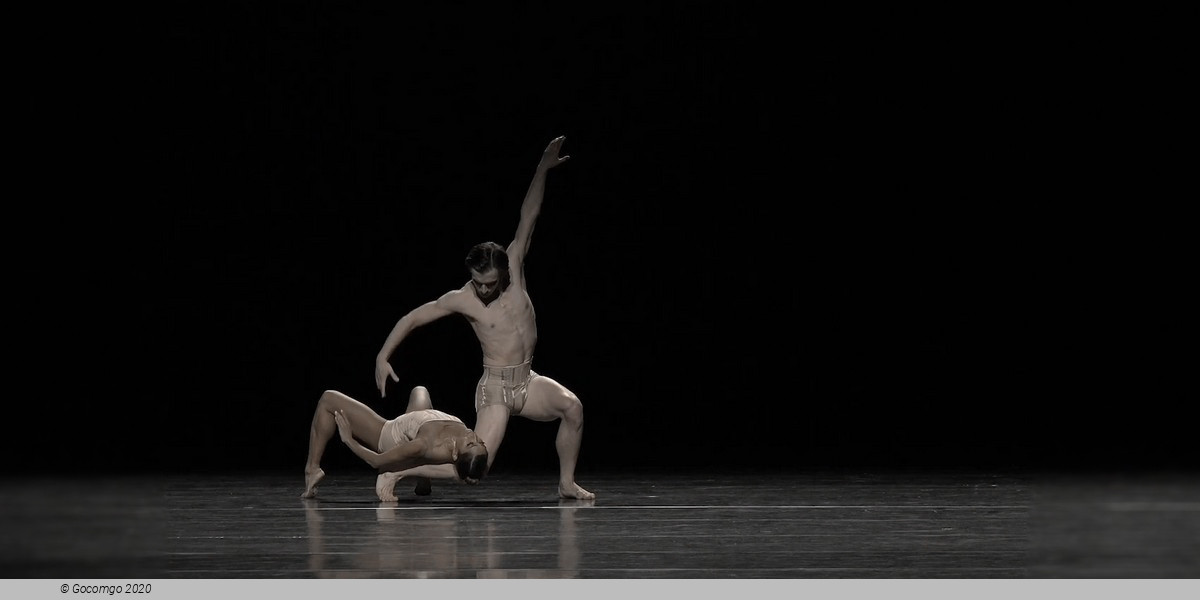
Contemporary yet classical, chamber-like yet varied and breathtaking – such is the programme awaiting those who come to see the four productions: Trois Gnossiennes5 Tangos, Petite Mort, and Six Dances. The pieces are typically plotless, yet many aspects of life appear within them, such as the dynamics of human relationships – sometimes in a more serious, sometimes in a more humorous form.

Trois Gnossiennes

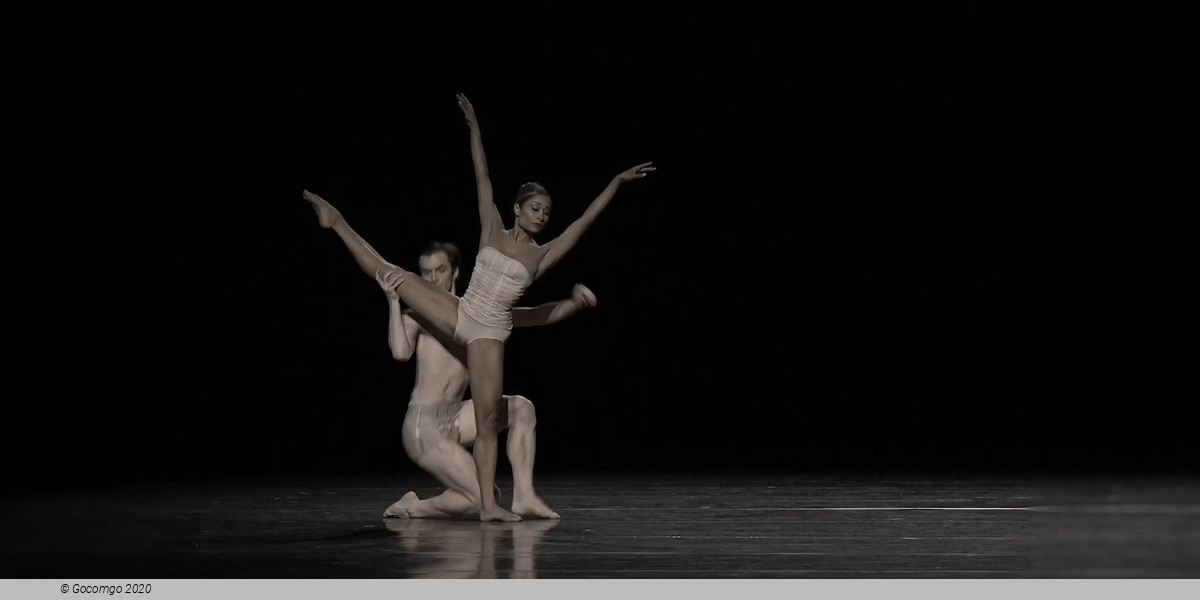
Built around the magically beautiful music of Erik Satie, Hans van Manen’s Trois Gnossiennes draws a picture of a unique relationship. This double portrait painted with sensitive brushstrokes flashes with images of trust, submission and dominance, and relativity and interdependence. Masterfully alternating between lyrical and grotesque elements and weaving together memorable human traits, van Manen depicts monologues and dialogue, as well as symbolic moments of a relationship rich in intimate profundities. The bravura elevation of simple poses to the level of acrobatics and the enigmatic and fantastic play with a living body that goes limp make this short but dense work an unforgettable one.

5 Tangos

5 Tangos is one of Hans van Manen’s best known and, deservedly, most popular works: superb music and dance combine to evoke a pulsing metropolis and a world of fiery and passionate instincts. Sometimes sultrily lethargic and other times set to accelerating tempos featuring virtuoso elements, this thrilling work plays with solo and group scenes to reveal the changing games of the individual and the community, the many faces and layers of love and attraction and a portrait of an era.

Petite Mort

Jiří Kylián has always admired Mozart; over the course of his career, he has created a number of choreographed to the composer's music, including one from 1991 that paid homage to the genius of the 200th anniversary of his death.
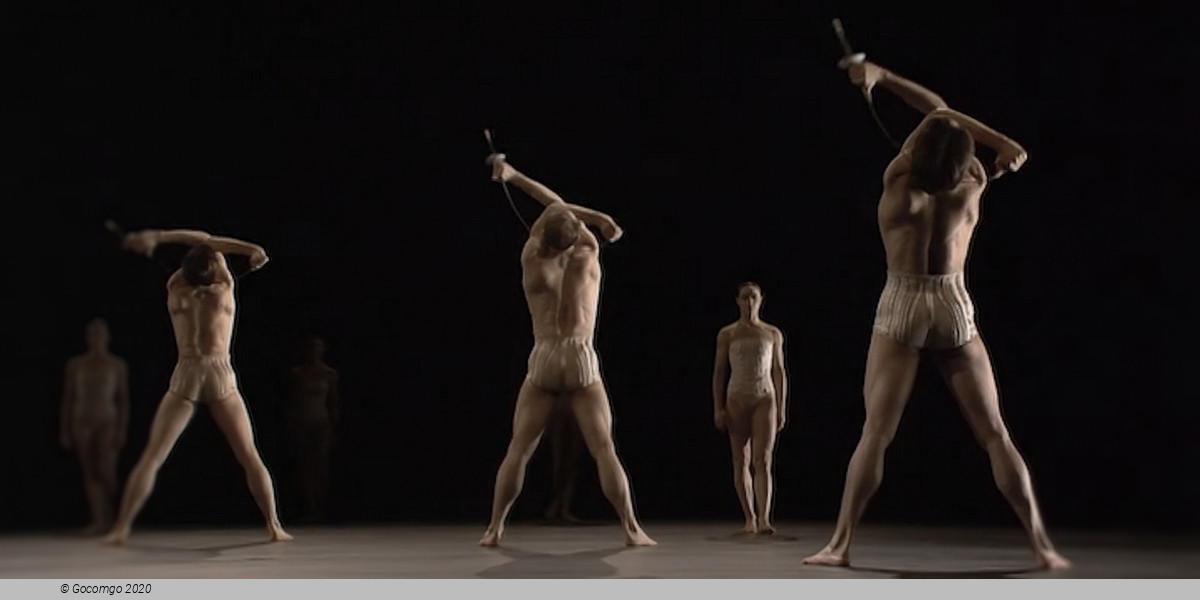
Featured in this uniquely atmospheric ballet are six women, six men and six swords. In addition to the weapons, other props include black, baroque-style clothing and bizarre crinolines. The symbolic image in the dance piece presents a world where aggression, sexuality, silence, music, vulnerability, interdependence and eternal human beauty exist together in their own sense of poetry. This ballet from the choreographer's mature period is characterised by daring visuals, superb dance performances, elegance and style and has featured in the Hungarian National Ballet's repertoire since May 2013.

Six Dances

In Kylián's ballet, Mozartian playfulness and absurd reality are transplanted into the language of movement. It was not a story that he set out to create, but rather a dance piece constructed out of the absurd situations encountered by heroes in powdered wigs who sometimes act irrationally and awkwardly: the very dictionary definition of the word "burlesque". From the first moment, the eight dancers take the stage like they are stepping out of a wax museum from Mozart's own era, and then the innovative freshness and dizzying dynamic of the choreography makes them ever more modern: timeless heroes of Kylián's absurd creative world.


For his choreographic performance Petite Mort, Jiri Kilian, who is also called the “Picasso dance”, used two slow fragments from two of Mozart’s most famous concerts for piano. He deliberately cut out fast movements, leaving only slow music, helpless, like mutilated bodies, appearing to listeners and spectators. According to the choreographer himself, this is against all rules, but, nevertheless, it was decided to do just that. After all, the world around us is far from ideal and the rules are constantly violated. Jiri Kilian also decided to keep up with this general trend.

Indeed, since Mozart created his divine music, and to this day, many wars have occurred in the world, and rivers of blood have spilled under the “Bridge of Time”. In order to demonstrate male potency and a thirst for power (possession), swords were symbolically involved in the composition.

So, throughout our entire life, “Death” always accompanies us, sometimes it is “small” and sometimes “large”, but it is it that is our faithful companion from dawn to dusk of our life.

History

Drawing from the abundance of his dancing imagination, Jiří Kylián has kept audiences and experts in suspense with his choreographies for decades. One of his most performed works is Petite Mort. This work is based on the extremely popular Adagio movements from Wolfgang Amadeus Mozart's Piano Concertos No. 21 and 23. The beguiling intensity of these slow musical movements forms the counterpoint to an energetic display of male and female attributes that allude elegantly and ambiguously to the sexual ritual of aggression, energy and vulnerability, to the "little death".

Venue Info

Hungarian State Opera House - Budapest
Location   Andrássy út 22

The Hungarian State Opera House (Hungarian: Magyar Állami Operaház) is a neo-Renaissance opera house located in central Budapest, on Andrássy út. The Hungarian State Opera House is the main opera house of the country and the second largest opera house in Budapest and in Hungary. Today, the opera house is home to the Budapest Opera Ball, a society event dating back to 1886. The Theatre was designed by Miklós Ybl, a major figure of 19th-century Hungarian architecture.

Construction began in 1875, funded by the city of Budapest and by Emperor Franz Joseph I of Austria-Hungary, and the new house opened to the public on the 27 September 1884. Before the closure of the "Népszínház" in Budapest, it was the third largest opera building in the city; today it is the second largest opera house in Budapest and in Hungary.

Touring groups had performed operas in the city from the early 19th century, but as Legány notes, "a new epoch began after 1835 when part of the Kasa National Opera and Theatrical Troupe arrived in Buda". They took over the Castle Theatre and, in 1835, were joined by another part of the troupe, after which performances of operas were given under conductor Ferenc Erkel. By 1837 they had established themselves at the Magyar Színház (Hungarian Theatre) and by 1840, it had become the "Nemzeti Színház" (National Theatre). Upon its completion, the opera section moved into the Hungarian Royal Opera House, with performances quickly gaining a reputation for excellence in a repertory of about 45 to 50 operas and about 130 annual performances. 

Many important artists were guests here including the composer Gustav Mahler, who was director in Budapest from 1888 to 1891 and Otto Klemperer, who was music director for three years from 1947 to 1950.

It is a richly decorated building and is considered one of the architect's masterpieces. It was built in neo-Renaissance style, with elements of Baroque. Ornamentation includes paintings and sculptures by leading figures of Hungarian art including Bertalan Székely, Mór Than, and Károly Lotz. Although in size and capacity it is not among the greatest, in beauty and the quality of acoustics the Budapest Opera House is considered to be amongst the finest opera houses in the world.

The auditorium holds 1,261 people. It is horseshoe-shaped and – according to measurements done in the 1970s by a group of international engineers – has the third best acoustics in Europe after La Scala in Milan and the Palais Garnier in Paris. Although many opera houses have been built since the Budapest Opera House is still among the best in terms of acoustics.

In front of the building are statues of Ferenc Erkel and Franz Liszt. Liszt is the best-known Hungarian composer. Erkel composed the Hungarian national anthem, and was the first music director of the Opera House; he was also the founder of the Budapest Philharmonic Orchestra.

Each year the season lasts from September to the end of June and, in addition to opera performances, the House is home to the Hungarian National Ballet.

There are guided tours of the building in six languages (English, German, Spanish, French, Italian, and Hungarian) almost every day.

Important Info
Type: Modern Ballet
City: Budapest, Hungary
Starts at: 19:00
Intervals: 1
Duration: 1h 50min
Top of page