
Hungarian State Opera House tickets 13 November 2026 - The Fountain of Bakhchisarai | GoComGo.com

The Fountain of Bakhchisarai

Hungarian State Opera House, Opera House, Budapest, Hungary
All photos (10)
Select date and time
6:30 PM
From
US$ 91

E-tickets: Print at home or at the box office of the event if so specified. You will find more information in your booking confirmation email.

You can only select the category, and not the exact seats.
If you order 2 or 3 tickets: your seats will be next to each other.
If you order 4 or more tickets: your seats will be next to each other, or, if this is not possible, we will provide a combination of groups of seats (at least in pairs, for example 2+2 or 2+3).

Important Info
Type: Ballet
City: Budapest, Hungary
Starts at: 18:30
Acts: 3
Intervals: 2
Duration: 2h 40min

E-tickets: Print at home or at the box office of the event if so specified. You will find more information in your booking confirmation email.

You can only select the category, and not the exact seats.
If you order 2 or 3 tickets: your seats will be next to each other.
If you order 4 or more tickets: your seats will be next to each other, or, if this is not possible, we will provide a combination of groups of seats (at least in pairs, for example 2+2 or 2+3).

Cast
Performers
Ballet company: Hungarian National Ballet
Conductor: Paul Connelly
Creators
Composer: Boris Asafyev
Poet: Alexander Pushkin
Librettist: Nikolai Volkov
Choreography: Rostislav Zakharov
Overview

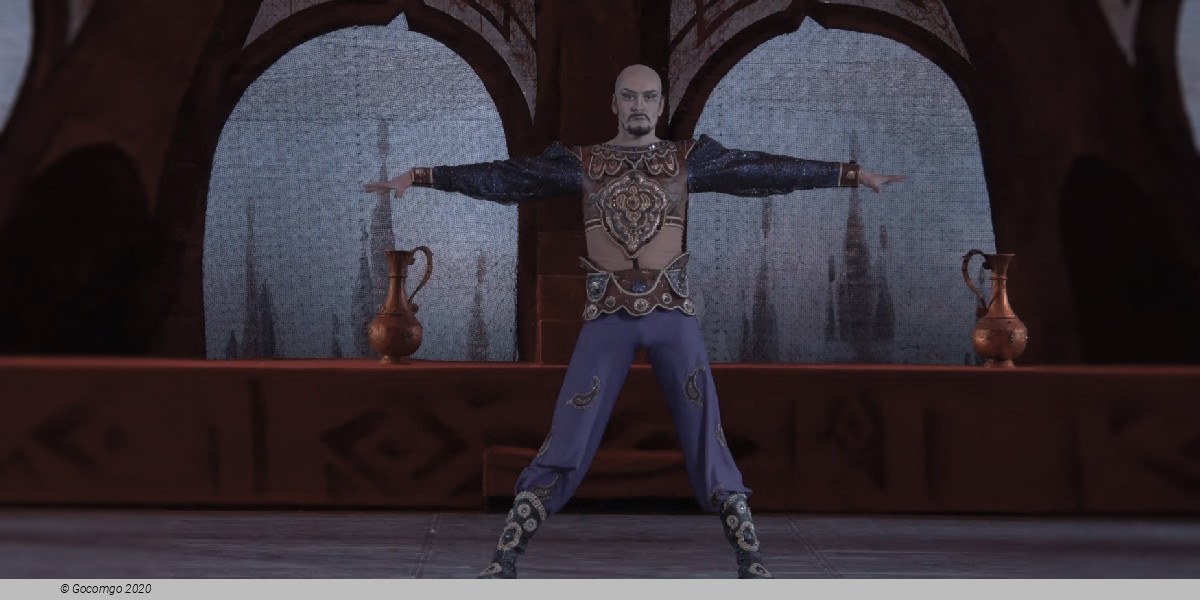
While the Fountain of Tears bubbles before him, Giray, khan of the Tatars, is lost in brooding. Just as the flow from the marble fount cannot be exhausted, his own sorrow will never diminish, either.

The story of the Fountain of Bakhchisarai is set in motion by a romance recounting the reason for the khan's gloom. This work is one of the cornerstones of Russian ballet history, and since its premiere has enjoyed unbroken success as a representative of the genre of ballet drama, in which a dramatic performance is closely intertwined with the use of the classical language of dance and character dances. The choreographer of the work, Rotislav Zakharov, was powerfully drawn to Russian literary sources, making Pushkin's poem of the same title an obvious choice for his work, for which Boris Asafyev composed the music. The subject is a truly dramatic one: a story of jealous love. Giray, khan of the tatars has fallen wildly into love with Maria, whom he and his Tatars have abducted and forced into his harem just as she was preparing for her wedding. Zarema, the khan's first wife, does not take kindly to this situation. Tragedy is inevitable...

History
Premiere of this production: 28 September 1934, The State Academic Theatre of Opera and Ballet (Mariinsky), Leningrad

The Fountain of Bakhchisarai is a full-length ballet in four acts, choreographed by Rostislav Zakharov to music by Boris Asafyev. The libretto by Nikolai Volkov is based on the 1823 poem of the same title by Alexander Pushkin. The ballet premiered on 28 September 1934 at the Kirov Academic Theatre of Opera and Ballet, with Galina Ulanova as Maria, Olga Iordan as Zarema, Mikhail Dudko as Khan Girey, and Konstantin Sergeyev as Vaslav.

Synopsis

The ballet opens at Bakhchisarai Palace, where Khan Girey is seated surrounded by his court. Dancers try to entertain him but he is oblivious to his surroundings, staring at water trickling from a fountain.

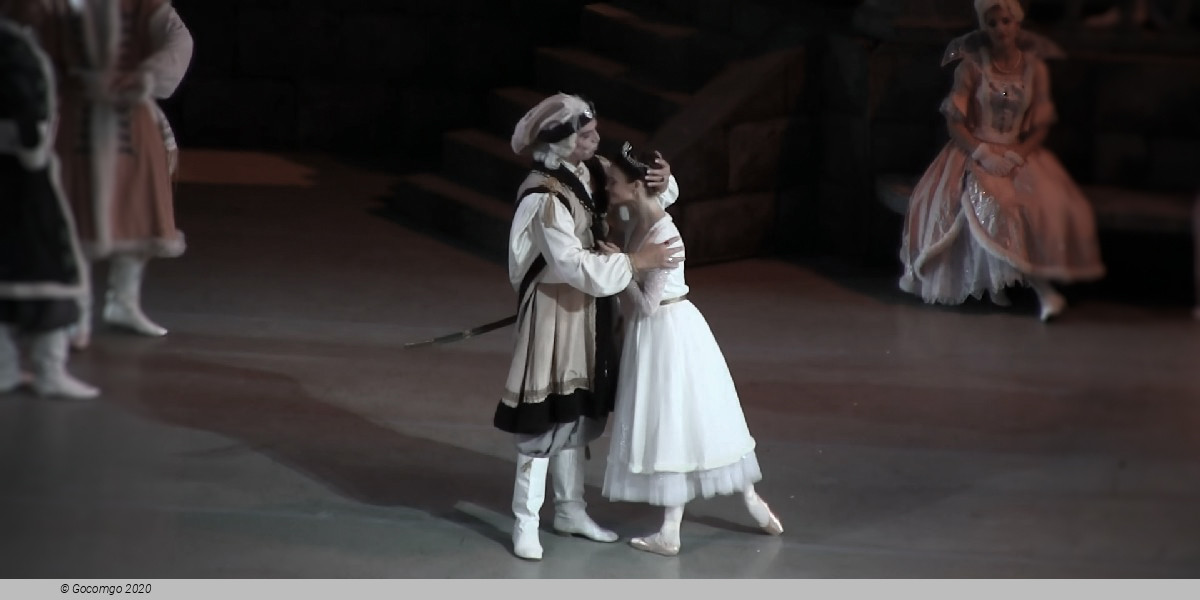
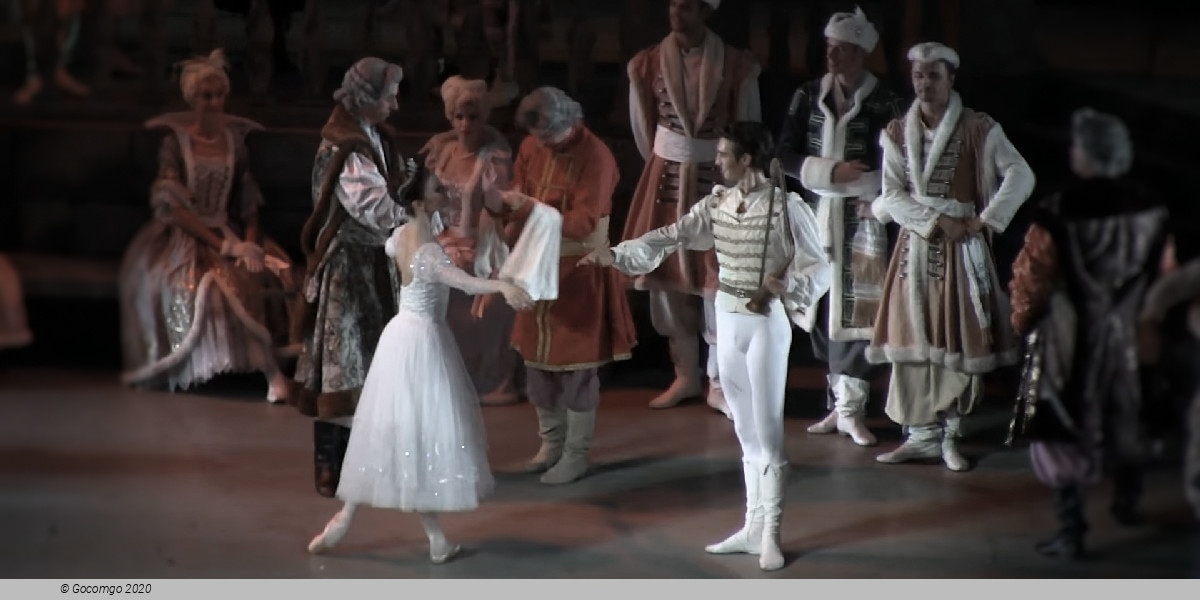
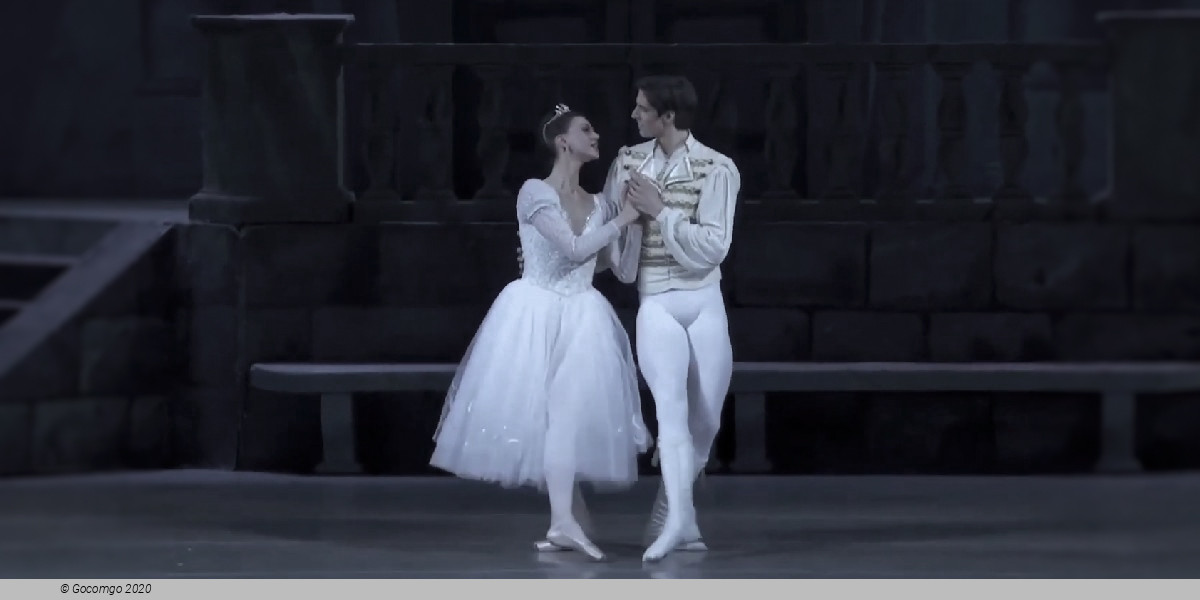
The scene shifts back in time to the palace of a Polish nobleman, where a ball is being held for the engagement of Maria, the daughter of the house, to the young noble Vaslav. Suddenly lurking Tartars led by Khan Girey scale the walls and attack the guests. After a vicious fight in which the Khan kills Vaslav, the palace is looted and torched and the women carried away as part of the booty. Maria hides her face, but the Khan tears away her scarf and is mesmerized by her beauty.

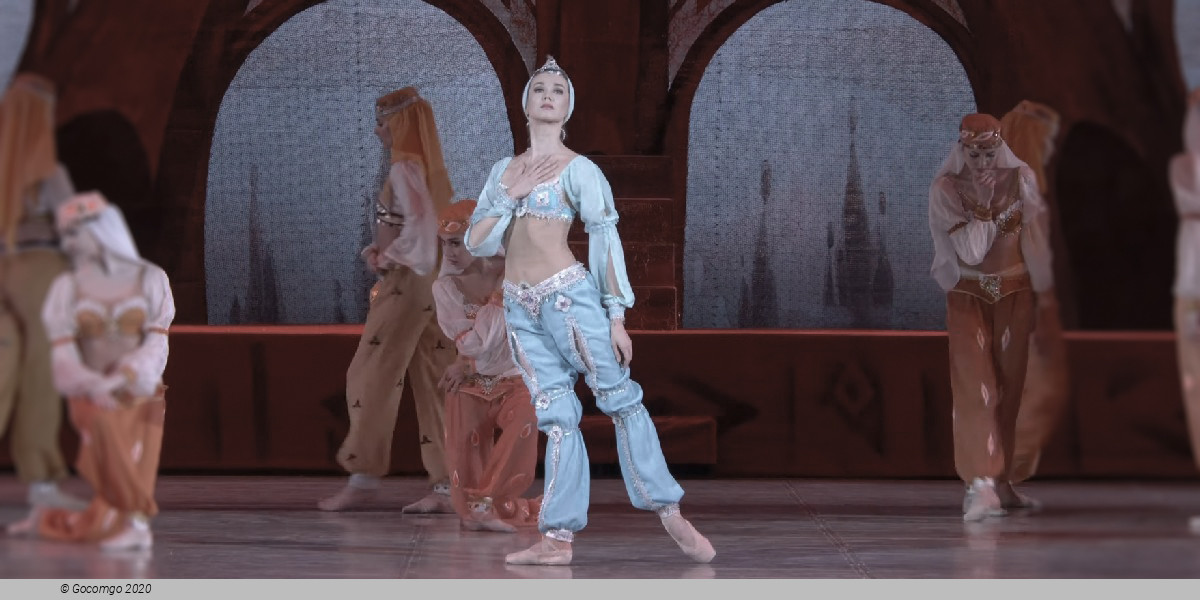
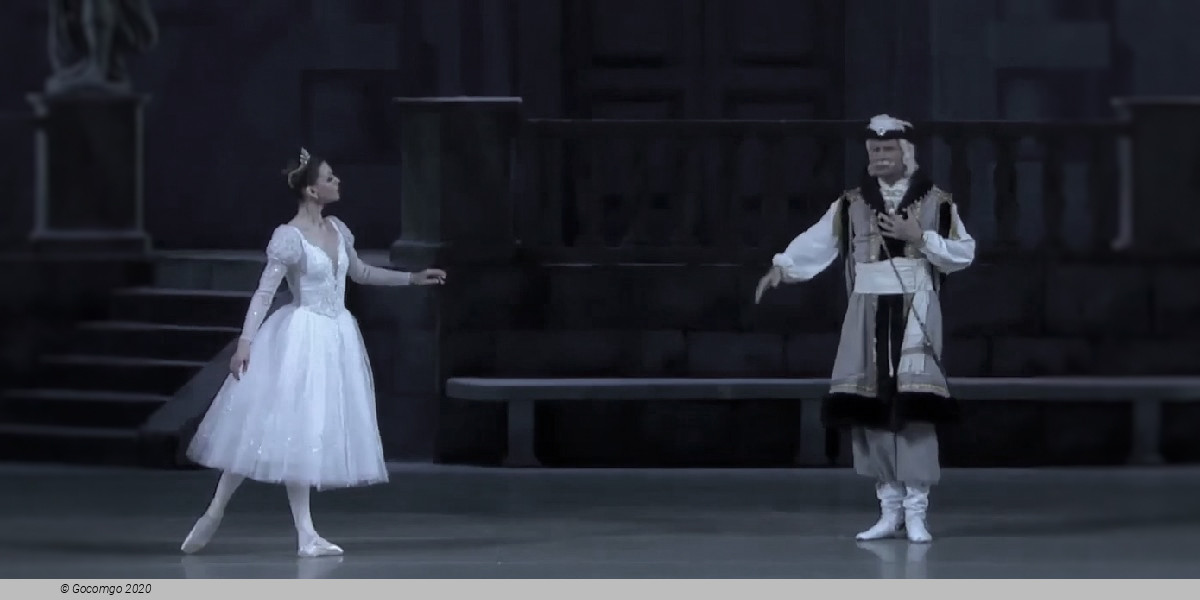
The Khan and his warriors return to Bakhchisarai Palace where he is greeted by Zarema, his harem favorite. While Zarema, who obviously loves him, is overjoyed at his return, the Khan ignores her completely in his preoccupation with Maria. He has Maria installed in an apartment isolated from the harem and visits her there. Laying his heart at her feet he tries to make her love him, but Maria is appalled and rejects him. In their brief struggle the Khan's hat falls to the floor. The Khan returns to the court where Zarema tries to win his attention by dancing for him, but he rejects her and she collapses in despair.

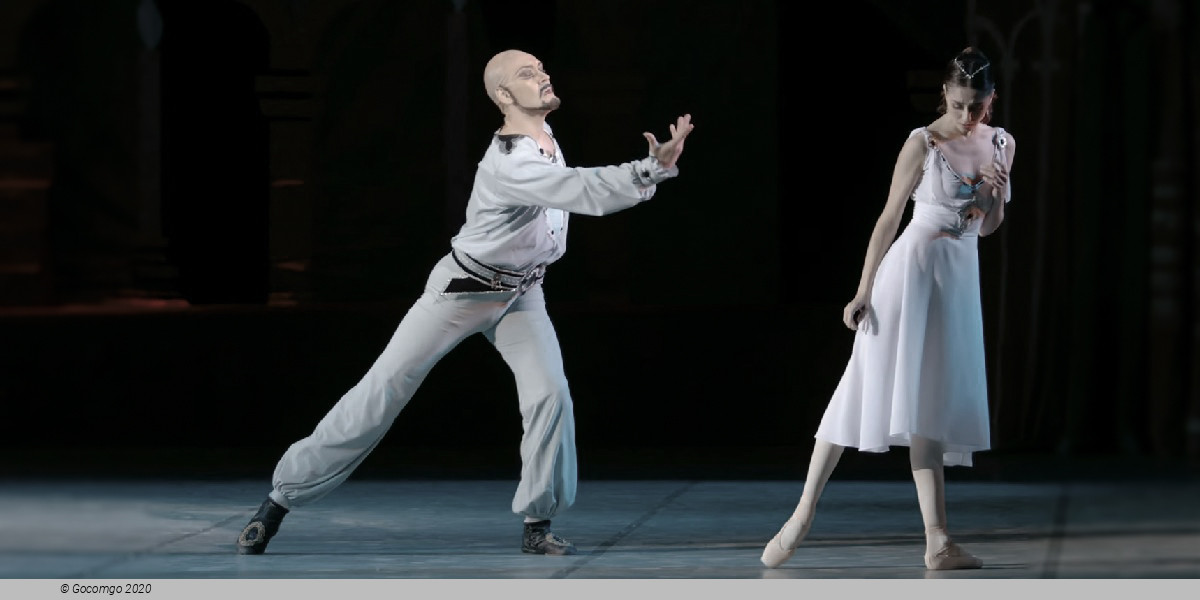
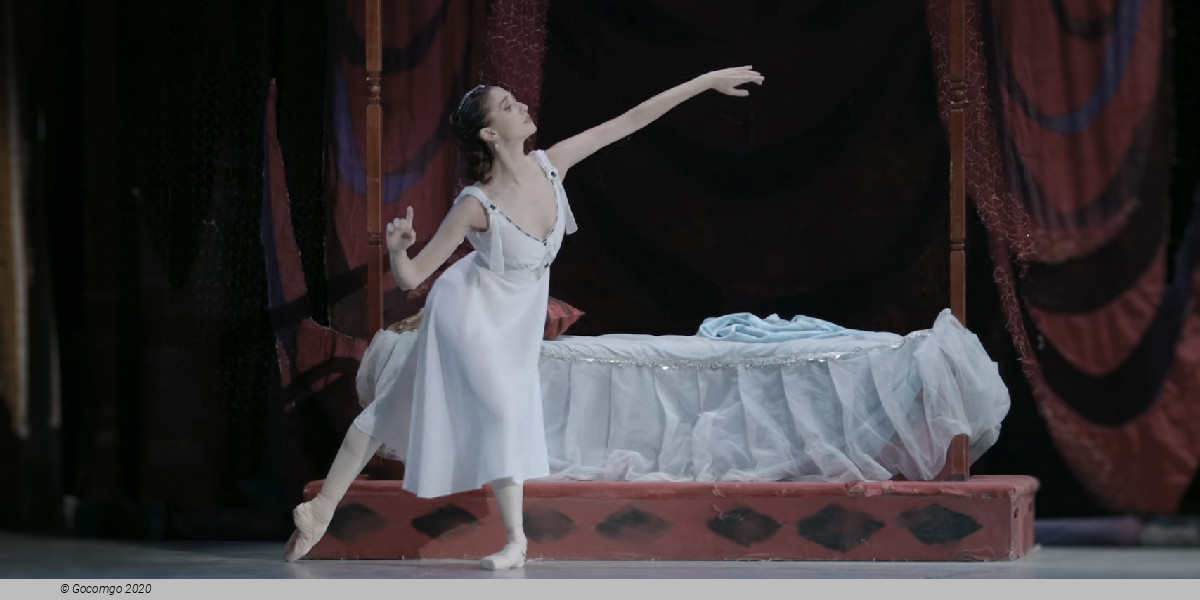
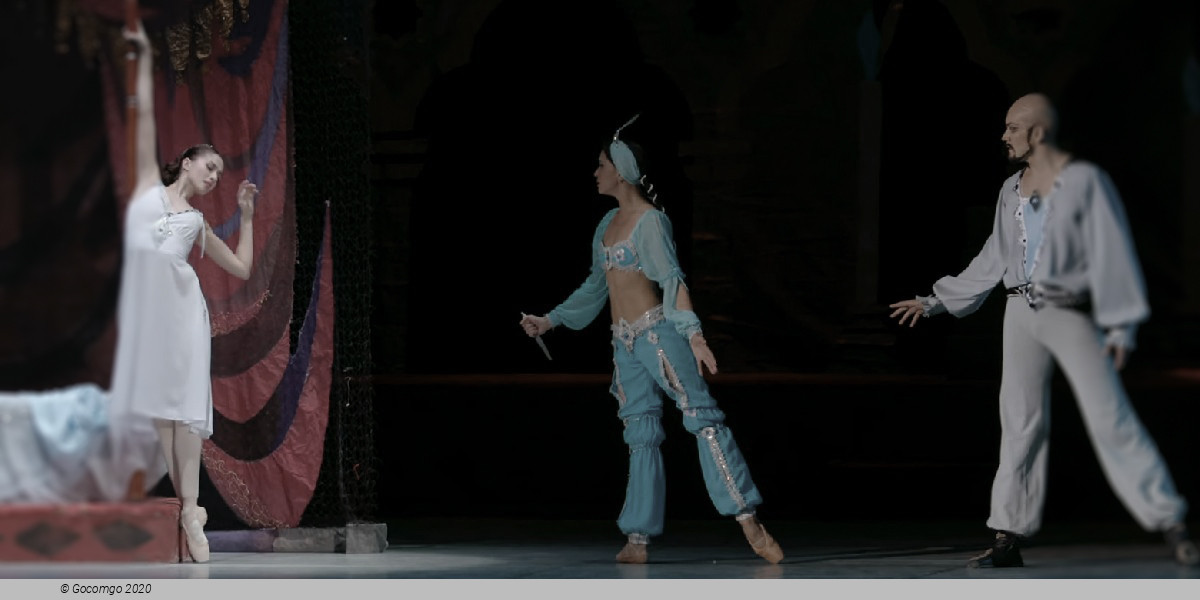
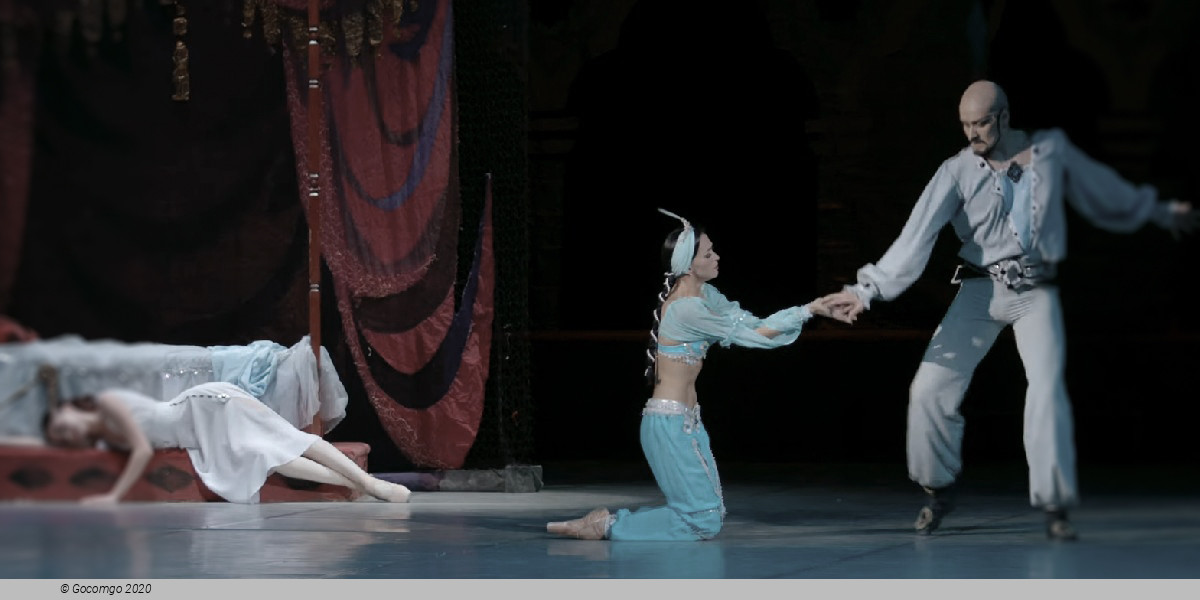
During the night Zarema steals out of the harem and past the guards to visit Maria in her chamber. She tries to tell Maria how desperately she loves the Khan, finally drawing a concealed dagger to stab her unwilling rival. At first afraid, Maria stands before Zarema and opens her arms wide, showing Zarema that she would welcome death. Zarema is stunned and falls to the ground. Maria tries to comfort her, but Zarema has seen the Khan's hat on the floor. Fearing the worst, she is again inflamed with jealousy. As the Khan and his guards rush in to try and stop her, Zarema breaks free and stabs Maria to death. The Khan draws his own dagger to kill Zarema, but she kneels down in front of him and offers her chest to the knife, just as Maria did. The Khan cannot kill her, but commands the guards to take her away to be flung to her death from the palace walls.

In the court, Khan Girey sits, devastated, and stares at the Fountain of Tears, as his orders are carried out.

Venue Info

Hungarian State Opera House - Budapest
Location   Andrássy út 22

The Hungarian State Opera House (Hungarian: Magyar Állami Operaház) is a neo-Renaissance opera house located in central Budapest, on Andrássy út. The Hungarian State Opera House is the main opera house of the country and the second largest opera house in Budapest and in Hungary. Today, the opera house is home to the Budapest Opera Ball, a society event dating back to 1886. The Theatre was designed by Miklós Ybl, a major figure of 19th-century Hungarian architecture.

Construction began in 1875, funded by the city of Budapest and by Emperor Franz Joseph I of Austria-Hungary, and the new house opened to the public on the 27 September 1884. Before the closure of the "Népszínház" in Budapest, it was the third largest opera building in the city; today it is the second largest opera house in Budapest and in Hungary.

Touring groups had performed operas in the city from the early 19th century, but as Legány notes, "a new epoch began after 1835 when part of the Kasa National Opera and Theatrical Troupe arrived in Buda". They took over the Castle Theatre and, in 1835, were joined by another part of the troupe, after which performances of operas were given under conductor Ferenc Erkel. By 1837 they had established themselves at the Magyar Színház (Hungarian Theatre) and by 1840, it had become the "Nemzeti Színház" (National Theatre). Upon its completion, the opera section moved into the Hungarian Royal Opera House, with performances quickly gaining a reputation for excellence in a repertory of about 45 to 50 operas and about 130 annual performances. 

Many important artists were guests here including the composer Gustav Mahler, who was director in Budapest from 1888 to 1891 and Otto Klemperer, who was music director for three years from 1947 to 1950.

It is a richly decorated building and is considered one of the architect's masterpieces. It was built in neo-Renaissance style, with elements of Baroque. Ornamentation includes paintings and sculptures by leading figures of Hungarian art including Bertalan Székely, Mór Than, and Károly Lotz. Although in size and capacity it is not among the greatest, in beauty and the quality of acoustics the Budapest Opera House is considered to be amongst the finest opera houses in the world.

The auditorium holds 1,261 people. It is horseshoe-shaped and – according to measurements done in the 1970s by a group of international engineers – has the third best acoustics in Europe after La Scala in Milan and the Palais Garnier in Paris. Although many opera houses have been built since the Budapest Opera House is still among the best in terms of acoustics.

In front of the building are statues of Ferenc Erkel and Franz Liszt. Liszt is the best-known Hungarian composer. Erkel composed the Hungarian national anthem, and was the first music director of the Opera House; he was also the founder of the Budapest Philharmonic Orchestra.

Each year the season lasts from September to the end of June and, in addition to opera performances, the House is home to the Hungarian National Ballet.

There are guided tours of the building in six languages (English, German, Spanish, French, Italian, and Hungarian) almost every day.

Important Info
Type: Ballet
City: Budapest, Hungary
Starts at: 18:30
Acts: 3
Intervals: 2
Duration: 2h 40min
Top of page