





Hungarian State Opera House tickets 4 February 2027 - The Miraculous Mandarin / Bluebeard's Castle | GoComGo.com

The Miraculous Mandarin / Bluebeard's Castle

Hungarian State Opera House, Opera House, Budapest, Hungary
All photos (11)
Select date and time
7 PM
From
US$ 91

E-tickets: Print at home or at the box office of the event if so specified. You will find more information in your booking confirmation email.

You can only select the category, and not the exact seats.
If you order 2 or 3 tickets: your seats will be next to each other.
If you order 4 or more tickets: your seats will be next to each other, or, if this is not possible, we will provide a combination of groups of seats (at least in pairs, for example 2+2 or 2+3).

Important Info
Type: Modern Ballet
City: Budapest, Hungary
Starts at: 19:00
Duration: 2h

E-tickets: Print at home or at the box office of the event if so specified. You will find more information in your booking confirmation email.

You can only select the category, and not the exact seats.
If you order 2 or 3 tickets: your seats will be next to each other.
If you order 4 or more tickets: your seats will be next to each other, or, if this is not possible, we will provide a combination of groups of seats (at least in pairs, for example 2+2 or 2+3).

Cast
Performers
Ballet company: Hungarian National Ballet
Conductor: Péter Halász
Mezzo-Soprano: Judit Kutasi
Bass: Mikhail Petrenko
Creators
Composer: Béla Bartók
Choreographer: Marianna Venekei
Librettist: Béla Balázs
Author: Charles Perrault
Librettist: Menyhért Lengyel
Overview

Bartók Béla’s two highly influential stage works explore the dynamics of the relationship between man and woman and the deeper layers of their personalities, as presented by creators who, through a fusion of tradition and innovation, reveal the possibilities inherent in these works for 21st-century audiences.

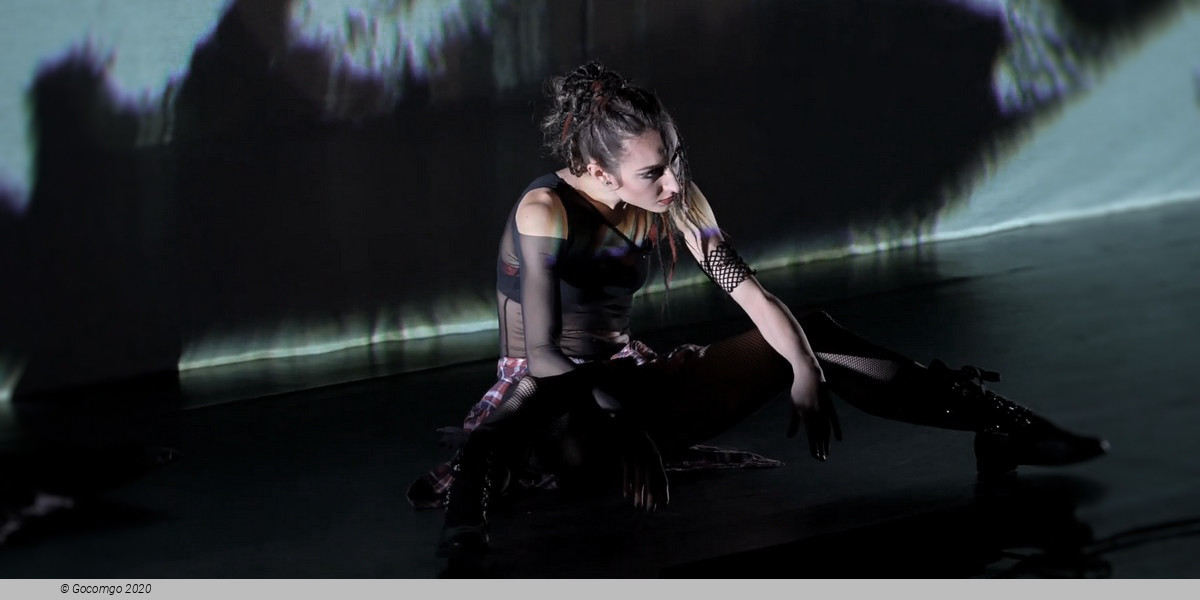
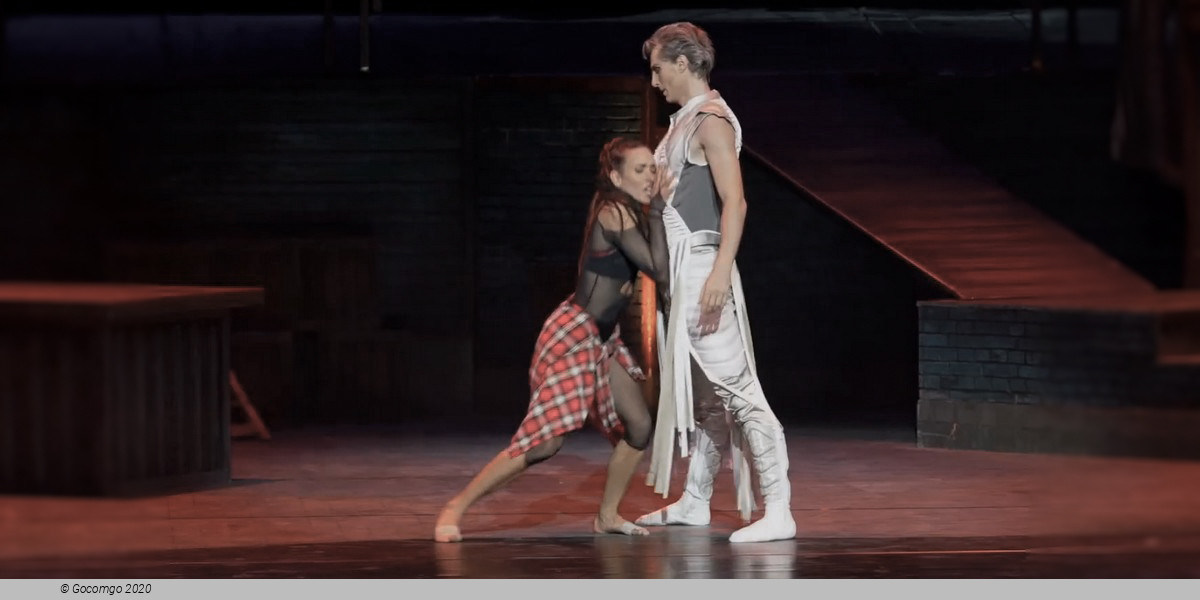
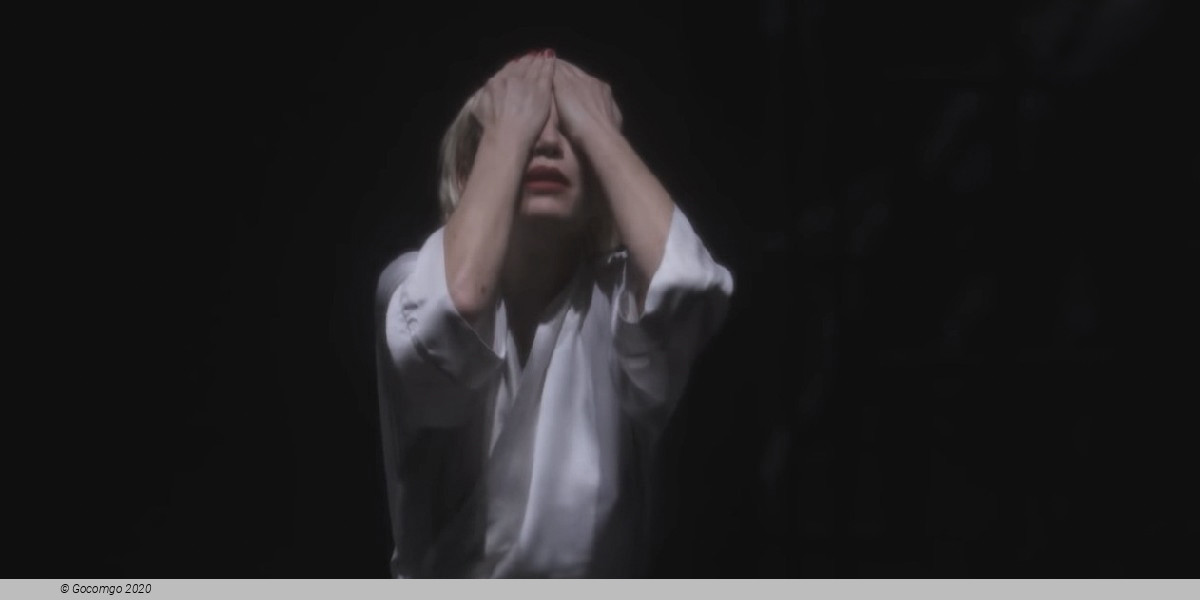
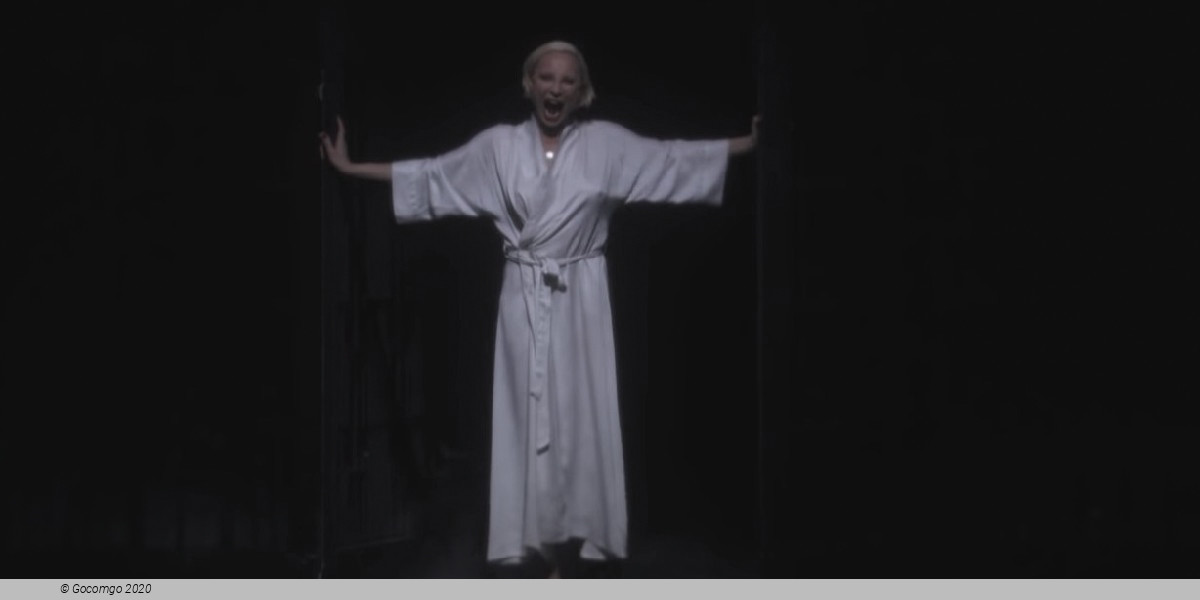
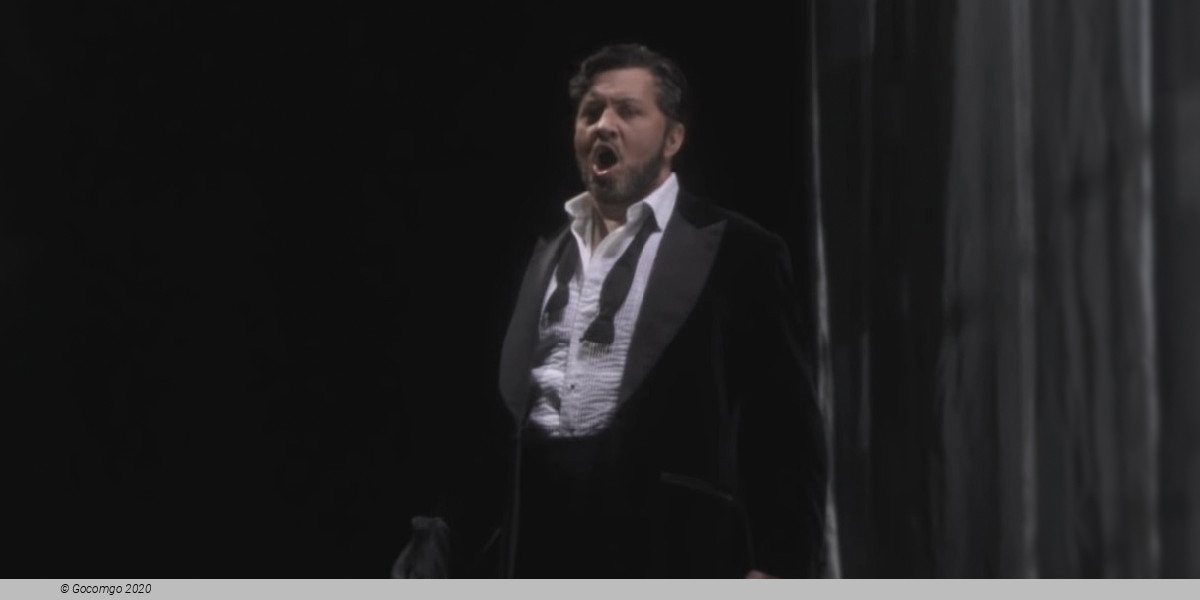
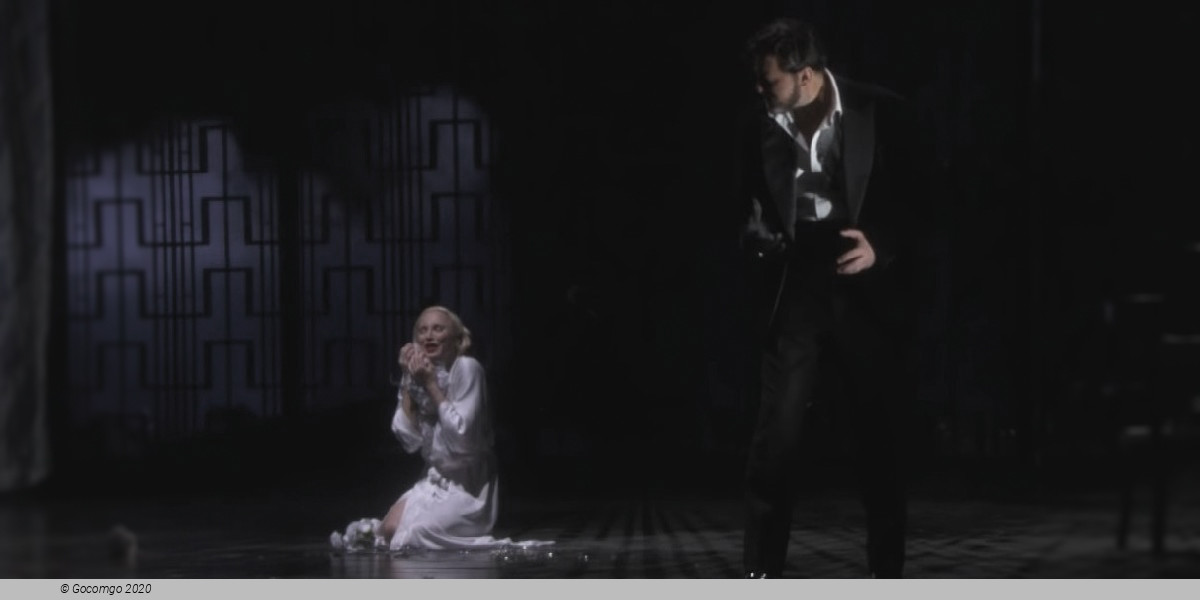
In Venekei Marianna’s choreography of The Miraculous Mandarin, premiered in 2024, the inner world of the characters is examined through the language of dance, set within an evoked big-city milieu. In the production of Bluebeard’s Castle staged in 2018, marking the 100th anniversary of its world premiere, director Kasper Holten reveals the symbolic doors of the male psyche by evoking the former painters' studio of the Opera House.

Today we mostly find disturbing The Miraculous Mandarin, which is based on Menyhért Lengyel’s pantomime play full of erotica, sexuality and abuse. But at the time of its original premiere in Cologne, it was truly scandalous. Whether disturbing or scandalous, it is certainly an influential work, which travelled the world accordingly. It was played in numerous countries of Europe, America and Asia, and even in South Africa. In the 2023/24 season, this ballet is choreographed by Marianna Venekei, who explores the inner worlds of the characters and discovers the increasing depths of their personalities, combines past and present to find a way to reach a 21st-century audience while staying true to the music of Béla Bartók.

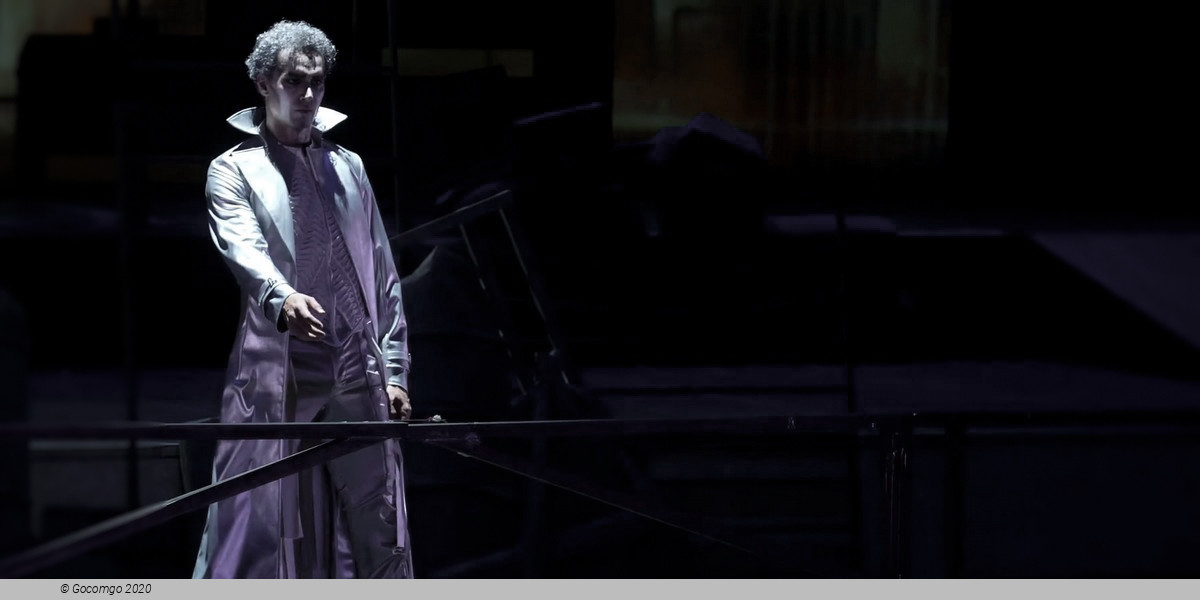
Béla Bartók’s one-act opera, Bluebeard’s Castle is an extraordinary and enigmatic work that, in terms of how it is interpreted and staged, poses an exciting challenge for directors, their creative teams and performers alike. Little wonder that it is such a popular work on opera schedules both in Hungary and abroad. This season, the OPERA returns to the production by internationally acclaimed Danish director Kasper Holten, who has worked on the stages of the Deutsche Oper Berlin, the Theater an der Wien, the Finnish National Opera, the Wiener Staatsoper, the Teatro alla Scala in Milan and the Bregenz Festival, among others. He also served as artistic director of London’s Royal Opera House until 2017. Moreover, it was in Budapest where he shot his 2010 opera film of Don Giovanni, titled Juan. His productions are characterised by simplified, and often monumental, sets and a harmonic balance between tradition and innovative ideas. “To read, listen think and feel. The important thing is to avoid analysing it according to any preconception or always employing the same artistic style, but rather to develop a relationship with the work so I can completely understand what it is about it that fascinates me so much. Only then can I get started on the aesthetics, the concept and so forth,” says Holten.

History
Premiere of this production: 27 November 1926, Cologne Opera, Cologne

The Miraculous Mandarin is a one act pantomime ballet composed by Béla Bartók between 1918 and 1924, and based on the 1916 story by Melchior Lengyel. Premiered on 27 November 1926 conducted by Eugen Szenkar at the Cologne Opera, Germany, it caused a scandal and was subsequently banned on moral grounds. Although more successful at its Prague premiere, it was generally performed during the rest of Bartók's life in the form of a concert suite, which preserves about two-thirds of the original pantomime's music.

Premiere of this production: 24 May 1918, Royal Hungarian Opera House, Budapest

Bluebeard's Castle is a one-act expressionist opera by Hungarian composer Béla Bartók. The libretto was written by Béla Balázs, a poet and friend of the composer, and is written in Hungarian, based on the French literary tale La Barbe bleue by Charles Perrault. The opera lasts only a little over an hour and there are only two singing characters onstage: Bluebeard (Kékszakállú), and his new wife Judith (Judit); the two have just eloped and Judith is coming home to Bluebeard's castle for the first time.

Synopsis

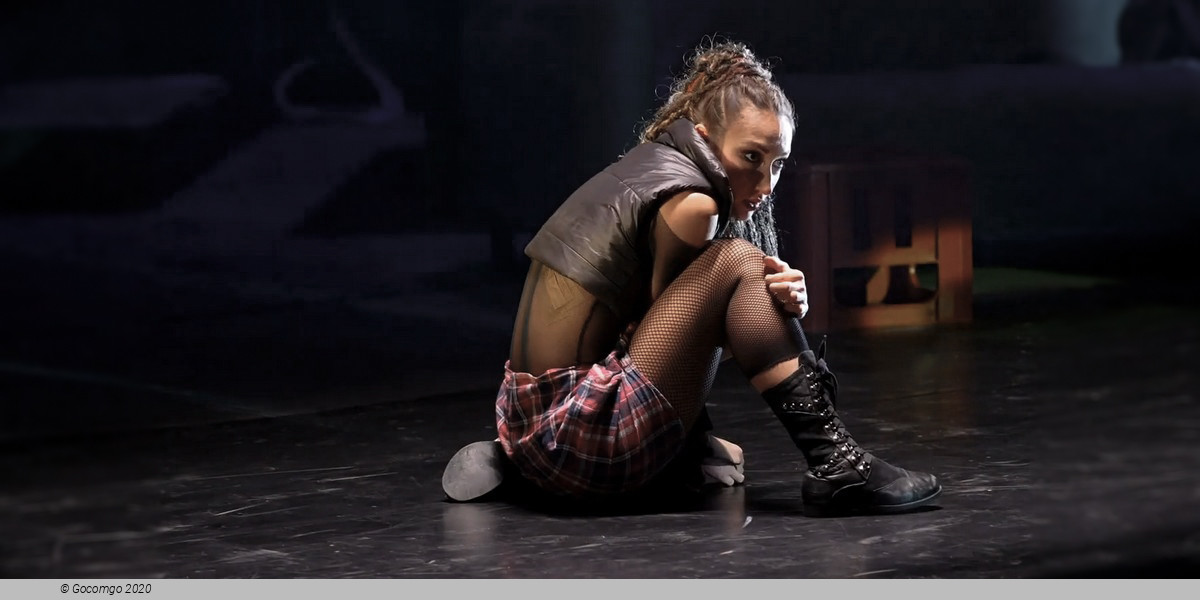
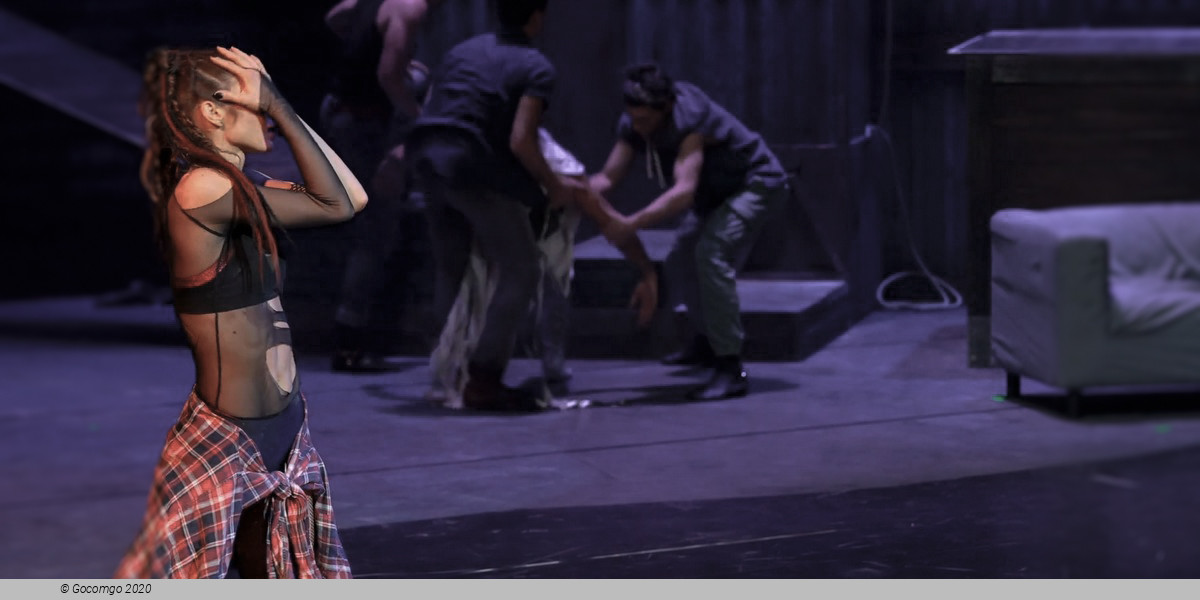
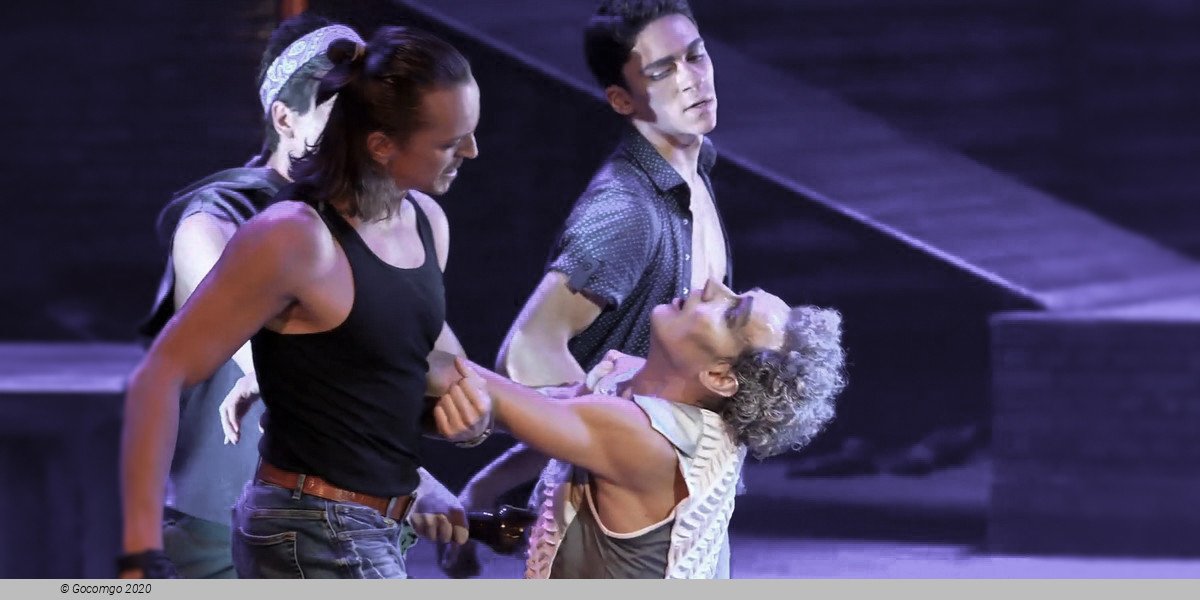
After an orchestral introduction depicting the chaos of the big city, the action begins in a room belonging to three tramps. They search their pockets and drawers for money, but find none. They then force a girl to stand by the window and attract passing men into the room. The girl begins a lockspiel—a "decoy game", or saucy dance. She first attracts a shabby old rake, who makes comical romantic gestures. The girl asks, "Got any money?" He replies, "Who needs money? All that matters is love." He begins to pursue the girl, growing more and more insistent until the tramps seize him and throw him out.

The girl goes back to the window and performs a second lockspiel. This time, she attracts a shy young man, who also has no money. He begins to dance with the girl. The dance grows more passionate, then the tramps jump him and throw him out too.

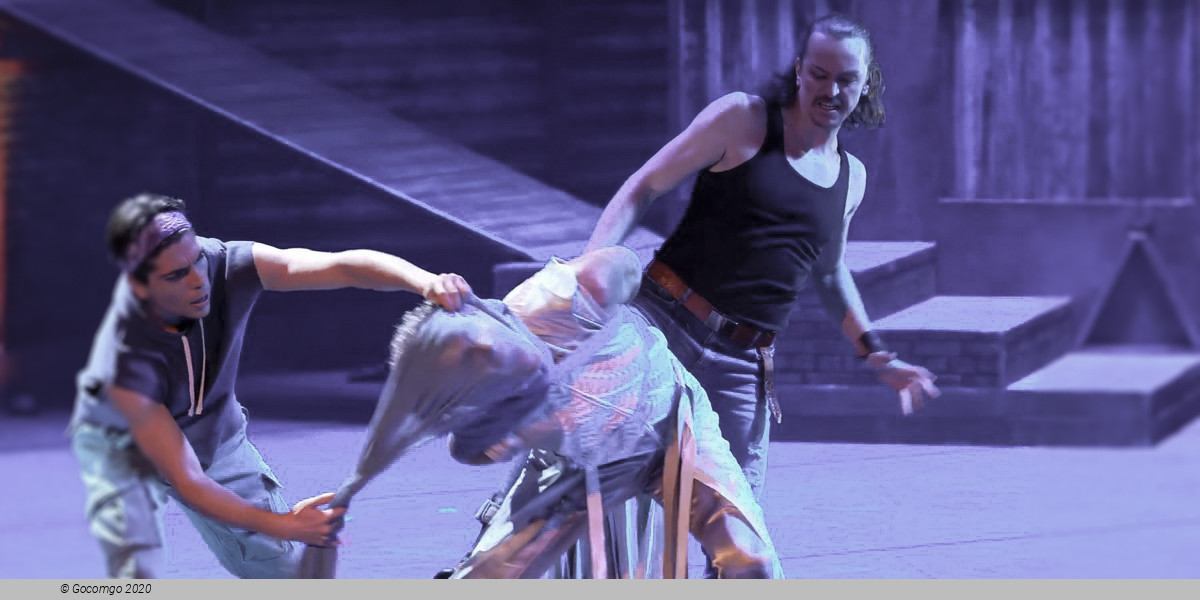
The girl goes to the window again and begins her dance. The tramps and girl see a bizarre figure in the street, soon heard coming up the stairs. The tramps hide, and the figure, a mandarin (wealthy Chinese man), stands immobile in the doorway. The tramps urge the girl to lure him closer. She begins another saucy dance, the Mandarin's passions slowly rising. Suddenly, he leaps up and embraces the girl. They struggle and she escapes; he begins to chase her. The tramps leap on him, strip him of his valuables, and attempt to suffocate him under pillows and blankets. However, he continues to stare at the girl. They stab him three times with a rusty sword; he almost falls, but throws himself again at the girl. The tramps grab him again and hang him from a lamp hook. The lamp falls, plunging the room into darkness, and the Mandarin's body begins to glow with an eerie blue-green light. The tramps and girl are terrified. Suddenly, the girl knows what they must do. She tells the tramps to release the Mandarin; they do. He leaps at the girl again, and this time she does not resist and they embrace. With the Mandarin's longing fulfilled, his wounds begin to bleed and he dies.

Place: A huge, dark hall in a castle, with seven locked doors.
Time: Not defined.

Judith and Bluebeard arrive at his castle, which is all dark. Bluebeard asks Judith if she wants to stay and even offers her an opportunity to leave, but she decides to stay. Judith insists that all the doors be opened, to allow light to enter into the forbidding interior, insisting further that her demands are based on her love for Bluebeard. Bluebeard refuses, saying that there are private places not to be explored by others, and asking Judith to love him but ask no questions. Judith persists, and eventually prevails over his resistance.

The first door opens to reveal a torture chamber, stained with blood. Repelled, but then intrigued, Judith pushes on. Behind the second door is a storehouse of weapons, and behind the third a storehouse of riches. Bluebeard urges her on. Behind the fourth door is a secret garden of great beauty; behind the fifth, a window onto Bluebeard's vast kingdom. All is now sunlit, but blood has stained the riches, watered the garden, and grim clouds throw blood-red shadows over Bluebeard's kingdom.

Bluebeard pleads with her to stop: the castle is as bright as it can get, and will not get any brighter, but Judith refuses to be stopped after coming this far, and opens the penultimate sixth door, as a shadow passes over the castle. This is the first room that has not been somehow stained with blood; a silent silvery lake is all that lies within, "a lake of tears". Bluebeard begs Judith to simply love him, and ask no more questions. The last door must be shut forever. But she persists, asking him about his former wives, and then accusing him of having murdered them, suggesting that their blood was the blood everywhere, that their tears were those that filled the lake, and that their bodies lie behind the last door. At this, Bluebeard hands over the last key.

Behind the door are Bluebeard's three former wives, but still alive, dressed in crowns and jewellery. They emerge silently, and Bluebeard, overcome with emotion, prostrates himself before them and praises each in turn (as his wives of dawn, midday and dusk), finally turning to Judith and beginning to praise her as his fourth wife (of the night). She is horrified and begs him to stop, but it is too late. He dresses her in the jewellery they wear, which she finds exceedingly heavy. Her head drooping under the weight, she follows the other wives along a beam of moonlight through the seventh door. It closes behind her, and Bluebeard is left alone as all fades to total darkness.

Venue Info

Hungarian State Opera House - Budapest
Location   Andrássy út 22

The Hungarian State Opera House (Hungarian: Magyar Állami Operaház) is a neo-Renaissance opera house located in central Budapest, on Andrássy út. The Hungarian State Opera House is the main opera house of the country and the second largest opera house in Budapest and in Hungary. Today, the opera house is home to the Budapest Opera Ball, a society event dating back to 1886. The Theatre was designed by Miklós Ybl, a major figure of 19th-century Hungarian architecture.

Construction began in 1875, funded by the city of Budapest and by Emperor Franz Joseph I of Austria-Hungary, and the new house opened to the public on the 27 September 1884. Before the closure of the "Népszínház" in Budapest, it was the third largest opera building in the city; today it is the second largest opera house in Budapest and in Hungary.

Touring groups had performed operas in the city from the early 19th century, but as Legány notes, "a new epoch began after 1835 when part of the Kasa National Opera and Theatrical Troupe arrived in Buda". They took over the Castle Theatre and, in 1835, were joined by another part of the troupe, after which performances of operas were given under conductor Ferenc Erkel. By 1837 they had established themselves at the Magyar Színház (Hungarian Theatre) and by 1840, it had become the "Nemzeti Színház" (National Theatre). Upon its completion, the opera section moved into the Hungarian Royal Opera House, with performances quickly gaining a reputation for excellence in a repertory of about 45 to 50 operas and about 130 annual performances. 

Many important artists were guests here including the composer Gustav Mahler, who was director in Budapest from 1888 to 1891 and Otto Klemperer, who was music director for three years from 1947 to 1950.

It is a richly decorated building and is considered one of the architect's masterpieces. It was built in neo-Renaissance style, with elements of Baroque. Ornamentation includes paintings and sculptures by leading figures of Hungarian art including Bertalan Székely, Mór Than, and Károly Lotz. Although in size and capacity it is not among the greatest, in beauty and the quality of acoustics the Budapest Opera House is considered to be amongst the finest opera houses in the world.

The auditorium holds 1,261 people. It is horseshoe-shaped and – according to measurements done in the 1970s by a group of international engineers – has the third best acoustics in Europe after La Scala in Milan and the Palais Garnier in Paris. Although many opera houses have been built since the Budapest Opera House is still among the best in terms of acoustics.

In front of the building are statues of Ferenc Erkel and Franz Liszt. Liszt is the best-known Hungarian composer. Erkel composed the Hungarian national anthem, and was the first music director of the Opera House; he was also the founder of the Budapest Philharmonic Orchestra.

Each year the season lasts from September to the end of June and, in addition to opera performances, the House is home to the Hungarian National Ballet.

There are guided tours of the building in six languages (English, German, Spanish, French, Italian, and Hungarian) almost every day.

Important Info
Type: Modern Ballet
City: Budapest, Hungary
Starts at: 19:00
Duration: 2h
Top of page